

What Should You Not Wear to the Gym: Top Fashion Mistakes
What Should You Not Wear To The Gym
Stepping into a gym can feel exciting and sometimes a little intimidating, especially if you’re new. You want to look good and feel comfortable, but your gym clothing choices impact more than just style—they affect safety, hygiene, performance, and your overall workout experience.
Many people make mistakes with what they wear, often without realizing the risks or discomforts they’re inviting. Knowing what not to wear to the gym is just as important as choosing the right gear.
This guide walks you through the main things you should avoid wearing for exercise, why they’re problematic, and what you should consider instead. You’ll also discover practical insights that aren’t obvious to beginners, with clear examples and tips to help you stay comfortable, safe, and confident during every workout.
Clothes That Are Too Tight
Wearing clothes that are too tight may seem like a good idea to show off your physique, but it brings several issues. Tight clothing can restrict your blood flow, which makes muscles tire faster and increases the chance of cramps or numbness. It also limits your range of motion, which can make exercises like squats, lunges, or stretches more difficult or even painful.
Many people believe tight clothes help support the muscles or improve posture. While some compression gear is beneficial for performance and recovery, there’s a big difference between supportive compression and clothing that cuts into your skin or leaves marks. Overly tight clothing can also irritate your skin, causing chafing or rashes, especially in areas where seams rub repeatedly during movement.
Instead, choose gym wear that fits comfortably—not baggy, but not restrictive. You should be able to squat, bend, and stretch without feeling squeezed. When you try on gym clothes, move around in them before you buy. If they pinch, roll down, or cut into your body, they’re too tight for a good workout.
Baggy Or Loose Clothing
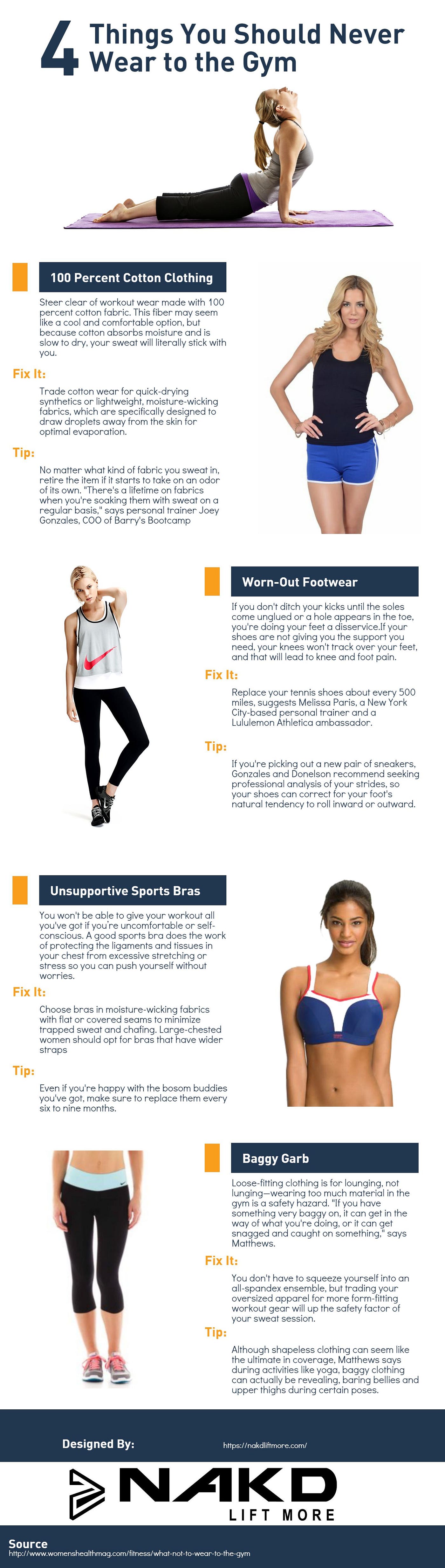
At the other end, baggy clothing can seem comfortable and modest, but it poses its own problems. Loose pants or shirts can get caught on gym equipment, weights, or machines, creating a safety hazard. For example, wide legs on sweatpants can catch on a treadmill or bike pedal, increasing your risk of falls or injuries.
Baggy tops may ride up during exercises like planks, push-ups, or yoga poses, making you feel self-conscious and distracted. Overly loose clothing also makes it harder for trainers or spotters to check your form, which is important for avoiding injury and making progress.
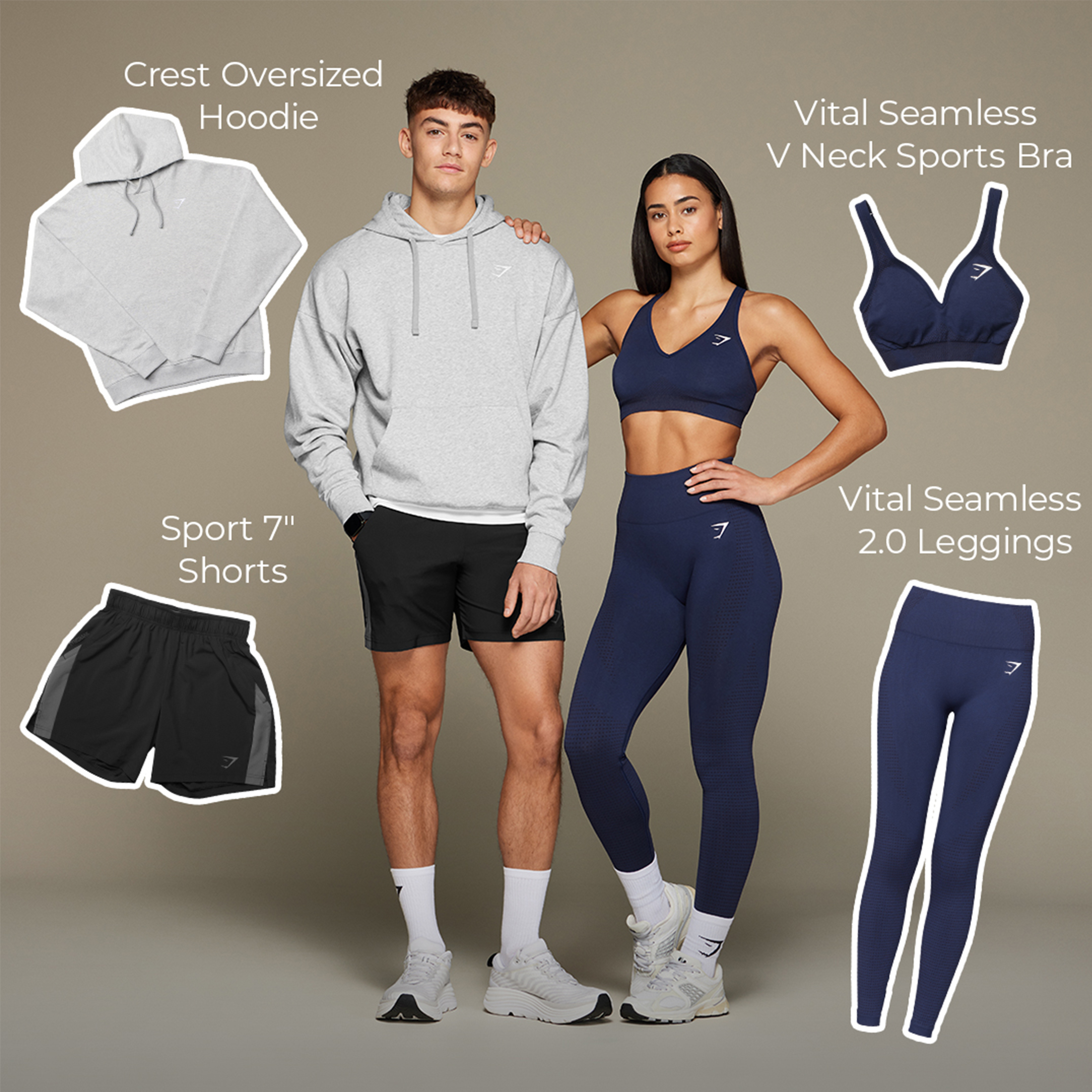
Choose activewear that fits close to your body but allows you full range of motion. Fitted shirts and tapered pants or leggings are best for most gym routines, as they stay in place and let you move freely.
Denim Or Everyday Street Clothes
It’s tempting to go straight from your daily routine to the gym, but denim jeans or regular street clothes are a big mistake. Denim is stiff and doesn’t stretch, making it difficult to perform most exercises correctly. It’s also not designed to handle sweat, so it becomes heavy and uncomfortable quickly.
Zippers, buttons, and thick seams in street clothes can dig into your skin or even damage gym equipment. Street clothes often lack moisture-wicking properties, which means sweat stays on your skin, increasing the risk of irritation, rashes, and even infections.
Activewear is made for movement and sweat. If you forget your gym gear, it’s better to do a light workout or skip it for the day rather than risk injury or discomfort in street clothes.
Cotton T-shirts And Sweatshirts
Many people reach for a cotton T-shirt or sweatshirt for gym sessions because they’re soft and familiar. However, cotton absorbs sweat instead of wicking it away from your skin. This means your shirt gets heavy, soggy, and uncomfortable quickly.
Wet cotton clings to your body, making you feel cold and sticky. It’s also a breeding ground for bacteria, which increases the risk of body acne and unpleasant odors. Sweat-soaked cotton can also make you feel self-conscious, distracting you from your workout.
Look for gym tops made from moisture-wicking materials like polyester, nylon, or specialized blends. These fabrics pull sweat away from your skin, dry quickly, and help you stay comfortable and focused.
Open-toed Shoes, Sandals, Or Bare Feet
Your choice of footwear is critical in the gym. Open-toed shoes, sandals, flip-flops, or going barefoot are all bad ideas (unless you’re in a yoga or pilates class that allows it). Most gyms require closed-toe shoes for a reason: they protect your feet from dropped weights, stubbed toes, or slipping on wet surfaces.
Open footwear gives little support, increases the risk of slipping, and exposes your feet to fungi and bacteria that thrive in locker rooms or shower areas. Injuries like stubbed toes, cuts, or even broken bones are common when people wear the wrong shoes.
Always wear athletic shoes that fit well, provide good grip and support, and are designed for your activity. Running shoes, cross-trainers, or weightlifting shoes are all good options, depending on your workout.
Old, Worn-out Shoes
Wearing old sneakers that have lost their shape, grip, or support can lead to injuries. Worn-out shoes don’t cushion your feet or absorb shock, which can cause joint pain, shin splints, and even back problems over time.
A shoe’s life depends on how much you use it, but as a rule, replace gym shoes every 300-500 miles (for runners) or when the tread wears down, the midsole feels flat, or you notice pain after workouts. Check the shoe’s sole and support regularly.
Investing in proper gym shoes is one of the best things you can do for your safety and performance.
Credit: medium.com
Jewelry And Accessories
Jewelry like rings, bracelets, necklaces, and large earrings can be dangerous in the gym. They may snag on equipment, weights, or clothing, leading to painful injuries or broken items. Metal jewelry can also scratch benches and machines, causing wear over time.
Watches and fitness trackers are often okay, but thick wristbands or large devices can interfere with movement. Rings may pinch your skin or get caught, especially during weightlifting or using resistance bands.
It’s best to leave jewelry at home or in your locker. If you must wear something valuable for medical reasons (like a medical alert bracelet), make sure it’s secure and won’t interfere with your workout.
Heavy Makeup Or Fragrances
Some people wear makeup or strong fragrances to the gym, hoping to look or smell good. But heavy makeup blocks your pores, mixes with sweat, and increases the risk of acne, irritation, and clogged skin. It’s also likely to smear, run, or stain towels and equipment.
Strong perfumes or colognes can be overwhelming in closed spaces and may trigger allergies or headaches for you or those around you. The gym is a shared environment, so it’s respectful to keep scents to a minimum.
If you want a fresh feeling, use a light, unscented deodorant and wash your face before and after workouts. This keeps your skin clear and your gym a pleasant place for everyone.
Clothing With Offensive Graphics Or Messages
Gym attire is about comfort and function, but it’s also about respect. Clothing with offensive words, images, or messages can make others uncomfortable and may even break gym rules. Most fitness centers have a dress code that bans offensive graphics or language.
Choose neutral, positive, or plain clothing that doesn’t distract or upset others. Remember, the gym is a community space where everyone should feel welcome.
Clothing That Restricts Movement
Not all restrictive clothing is tight—some items like stiff jackets, thick belts, or structured tops can limit your range of motion. Jackets with no stretch, belts not made for lifting, or clothes with rigid seams can make it hard to perform basic exercises.
For example, a stiff jacket can make overhead presses or pull-ups almost impossible, while a non-lifting belt can dig into your waist during squats. Clothes should move with you, not against you.
Pick flexible, stretchable fabrics that let you reach, bend, and twist easily.
Heavy Layers Or Too Many Clothes
Layering is useful in cold weather, but wearing too many clothes indoors can be dangerous. Excess layers cause your body to overheat, leading to dehydration, heat exhaustion, or dizziness. Heavy sweatshirts, jackets, or multiple shirts trap heat and sweat, making it hard for your body to cool down.
Some people wear extra layers hoping to “sweat more and lose weight. ” In reality, this only causes water loss, not fat loss, and increases health risks.
If you need a layer for warmth, wear something light and easy to remove, like a zip-up hoodie. Dress for the indoor temperature, not the weather outside.
Clothes With Complicated Straps Or Fastenings
Complicated straps, lace-ups, or buckles may look stylish but become a headache during workouts. Straps can twist, dig into your skin, or come loose during movement. Buckles and ties may get caught on equipment, and complicated sports bras or tops can make quick changes or bathroom breaks frustrating.
Choose simple, secure designs that you can put on or take off easily. Look for wide straps, smooth closures, and reliable fastenings that stay in place during exercise.
Inappropriate Underwear
Wearing the wrong underwear is a common mistake, especially for beginners. Regular cotton underwear absorbs sweat and becomes uncomfortable, while certain styles (like thongs or loose boxers) can cause chafing or ride up during movement.
For women, a supportive sports bra is essential for comfort and to prevent long-term tissue damage. For men, fitted athletic underwear helps avoid discomfort and accidental exposure.
Choose moisture-wicking, seamless, and supportive underwear designed for exercise. This small change can dramatically improve your comfort during workouts.
Fabrics That Don’t Breathe
Some synthetic fabrics, like plastic-based raincoats or non-breathable polyester, trap heat and sweat. Your body needs to release heat during exercise, so breathable fabrics are important for safety and comfort.
Non-breathable materials can cause overheating and skin irritation. You might not notice right away, but halfway through your workout you’ll feel sticky and tired.
Look for activewear labeled as “breathable,” “moisture-wicking,” or “quick-dry. ” These fabrics help regulate your temperature and keep you feeling fresh.
Credit: www.gymshark.com
Shorts That Are Too Short Or Too Loose
Shorts are a gym staple, but very short or overly loose shorts can ride up, chafe, or expose more than you’d like when you move. This is not only uncomfortable but can make you feel self-conscious, especially during stretching or floor exercises.
Loose shorts may also catch on machines or show underwear during exercises like sit-ups or leg raises. Choose shorts with a moderate length and a secure fit. Many people prefer lined shorts or those with built-in compression for extra comfort and coverage.
Clothes With Large Logos Or Embellishments
Large logos, sequins, or decorative patches may look great for street style, but they’re not practical for exercise. Embellishments can dig into your skin, cause friction burns, or catch on equipment. Large logos may also crack, peel, or fade quickly with sweat and washing.
Choose simple, smooth clothing without bulky decorations. Function always comes before fashion in the gym.

Credit: www.youtube.com
Gloves Not Designed For Fitness
Some people wear fashion gloves, winter gloves, or work gloves to protect their hands during weightlifting. These are not made for the gym—they lack grip, can slip, and may even increase your risk of blisters or accidents.
If you need hand protection, buy fitness-specific gloves made to provide grip, breathability, and padding in the right places.
Clothes That Shed Fibers
Shedding fabrics like old fleece or wool can leave lint or fibers on equipment and other people. Not only is this messy, but some people are allergic to fibers like wool.
Wear newer, non-shedding clothes made for active use. If you notice your clothes shedding, it’s time to replace them.
Clothes With Built-in Electronics
Some new fitness clothes have built-in sensors, wires, or devices. While technology can be helpful, these extras are often unnecessary for most workouts and can break, short out with sweat, or restrict movement. They also need special care when washing.
Unless you’re doing high-tech training or need smart gear for medical reasons, stick with simple, reliable clothing.
Costumes Or Non-athletic Outfits
Wearing costumes or non-athletic outfits can seem funny or make you stand out, but they’re almost always unsafe. Capes, masks, hats, or novelty items get in the way, distract others, and put you at risk of injury. Most gyms don’t allow costumes for this reason.
Stick to clothes designed for movement and safety.
---
Here’s a quick comparison of common gym clothing mistakes and their main risks:
| Clothing Mistake | Main Risk | Better Alternative |
|---|---|---|
| Too tight clothing | Restricted movement, poor circulation | Comfortable, flexible fit |
| Baggy clothes | Gets caught, unsafe | Fitted, secure activewear |
| Cotton T-shirt | Holds sweat, chafes | Moisture-wicking fabrics |
| Open-toed shoes | Foot injuries | Closed, athletic shoes |
| Jewelry | Snagging, injuries | No jewelry or secure items |
Why Wearing The Wrong Clothes Matters
Picking the wrong gym outfit isn’t just a fashion mistake—it affects your safety, comfort, and performance. Here are some real consequences:
- Increased risk of injury (from loose or open footwear, baggy pants)
- Poor workout results (from restricted movement or overheating)
- Lower motivation (if you feel uncomfortable or self-conscious)
- Higher chance of skin problems (from sweat-soaked cotton or makeup)
- Annoyance to others (strong perfumes, offensive messages, shedding fibers)
Beginners often underestimate how much their clothing choices impact their exercise experience. For example, you might not realize that an old T-shirt can cause shoulder chafing after 20 minutes on a rowing machine, or that loose shorts can ride up during squats.
Even experienced gym-goers sometimes forget to replace worn-out shoes, leading to gradual joint pain.
Two Insights Beginners Miss
- Hygiene is as important as comfort: Sweat, bacteria, and skin irritation build up quickly in the gym. Choosing the right clothing reduces the risk of athlete’s foot, body acne, and other common hygiene problems.
- Your clothes affect your focus: If you’re distracted by slipping straps, pinching seams, or riding-up shorts, your workout suffers. Wearing purpose-built, comfortable gym clothes lets you focus fully on your movements and results.
Practical Tips For Choosing Gym Wear
- Move around in the clothes before buying. Try squats, jumps, or stretches.
- Replace gym shoes regularly, not just when they look old.
- Keep a spare outfit in your gym bag, including socks and underwear.
- Wash gym clothes after every use to prevent odors and bacteria.
- Follow the gym’s dress code—most are posted at the entrance or online.
Here’s another quick look at good vs. bad gym fabric choices:
| Fabric Type | Pros | Cons |
|---|---|---|
| Cotton | Soft, comfortable | Holds sweat, dries slowly |
| Polyester blends | Moisture-wicking, quick-dry | Can trap odors if not washed well |
| Nylon | Flexible, breathable | May pill over time |
| Wool | Warm, natural | Sheds fibers, less durable |
How To Check If Your Clothes Are Gym-ready
Before heading out, ask yourself:
- Can I move easily in all directions?
- Will this absorb or wick away sweat?
- Are my feet and hands protected?
- Will anything snag, ride up, or distract me?
- Is my outfit respectful to others?
If you answer “no” to any, make a change before you hit the gym.
Here’s a quick reference for what not to wear:
| Don’t Wear | Why Not |
|---|---|
| Denim or street clothes | Restricts movement, holds sweat |
| Heavy layers indoors | Overheating, dehydration risk |
| Complicated or fashionable gloves | Poor grip, unsafe for weights |
| Costumes or themed outfits | Unsafe, distracting |
If you want to explore more about athletic clothing standards and recommendations, you can find helpful guidelines at the Sportswear Wikipedia page.
Choosing the right clothing isn’t about spending a lot or following trends; it’s about safety, hygiene, and making your workout time as effective as possible. The more you pay attention to what not to wear to the gym, the better your results will be—and the more you’ll enjoy the journey.
Frequently Asked Questions
What Is The Worst Thing To Wear To The Gym?
The worst thing to wear is open-toed shoes or sandals. They offer no protection and can easily lead to injury from weights or machines. Avoid street clothes, heavy layers, and anything that restricts your movement.
Why Should I Avoid Cotton At The Gym?
Cotton absorbs sweat and stays wet, which causes discomfort, chafing, and skin irritation. It doesn’t dry quickly and makes workouts harder, especially in high-intensity sessions.
Can I Wear Jewelry At The Gym?
You should avoid wearing jewelry. Rings, necklaces, or bracelets can catch on equipment and cause injuries. If you need to wear medical jewelry, make sure it’s secure and doesn’t interfere with your workout.
Are Shorts Okay For The Gym?
Yes, but avoid very short or loose shorts. They can ride up, chafe, or expose you during certain movements. Choose shorts with a moderate length and a secure fit for best results.
How Often Should I Replace My Gym Shoes?
Replace gym shoes when they lose their shape, grip, or support. For regular users, every few hundred miles or when you notice pain or discomfort. Old shoes can lead to joint pain and injuries.
Making smart choices about what not to wear to the gym keeps you safe, comfortable, and ready to get the most out of every workout. Focus on function, respect, and your personal comfort—your body will thank you.
