

What Should You Not Wear to the Gym: Common Fashion Mistakes
What Should You Not Wear To The Gym
Walking into the gym, you want to feel confident, comfortable, and ready to focus on your workout. But what you wear can make or break your experience. Many people, especially beginners, don’t realize that the wrong clothing can lead to discomfort, injuries, or even embarrassment.
Some choices can affect your performance, hygiene, and safety. If you’re wondering what should stay out of your gym bag, you’re not alone. This guide explains what you should avoid wearing to the gym, why it matters, and what happens if you ignore these tips.
You’ll also get insights even seasoned gym-goers often overlook, helping you train smarter and safer.
Why Clothing Choices Matter At The Gym
Choosing what not to wear is just as important as picking the right gear. The gym is a space where movement is key. Your clothing should support your activities, not hold you back. Wearing the wrong items can cause:
- Restricted movement: Tight or stiff clothes stop you from using your full range of motion.
- Injury risk: Loose or slippery fabrics can get caught in machines or make you trip.
- Hygiene issues: Some fabrics collect sweat and bacteria, which can lead to skin problems.
- Embarrassment: Transparent or ill-fitting clothes may reveal more than you intend.
Surprisingly, even small things like the wrong socks or accessories can affect your workout more than you think.
Common Mistakes: What To Leave Out Of Your Gym Wardrobe
Let’s look at what you should avoid for a safe and productive workout.
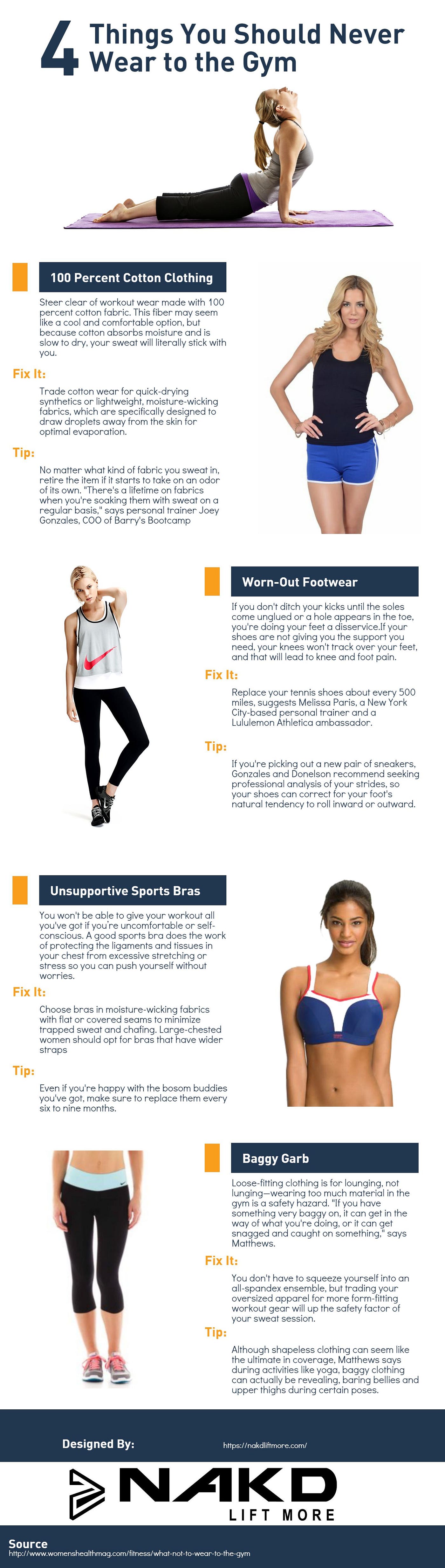
1. Everyday Cotton T-shirts
Cotton shirts may seem comfortable, but they’re a bad idea for workouts. Cotton absorbs sweat but doesn’t dry fast. This means you’ll be left in a damp, heavy shirt that can cause chills, skin irritation, or even rashes. Over time, the moisture can create a breeding ground for bacteria.
Better alternative: Choose moisture-wicking fabrics like polyester blends that keep you dry.
2. Denim Or Casual Trousers
Wearing jeans or casual pants to the gym might sound funny, but it happens more often than you think. Denim has no stretch, making movements awkward. Seams can dig into your skin, and the fabric can overheat. Plus, denim tears easily during squats or stretches.
Better alternative: Go for athletic shorts, leggings, or track pants designed for flexibility.
3. Flip-flops Or Sandals
Footwear matters, and flip-flops are a major no-go. They offer zero support, stability, or grip. You risk dropping weights on your toes or slipping off machines. Many gyms don’t even allow open-toe shoes for safety reasons.
Better alternative: Wear closed-toe athletic shoes with proper grip and cushioning.
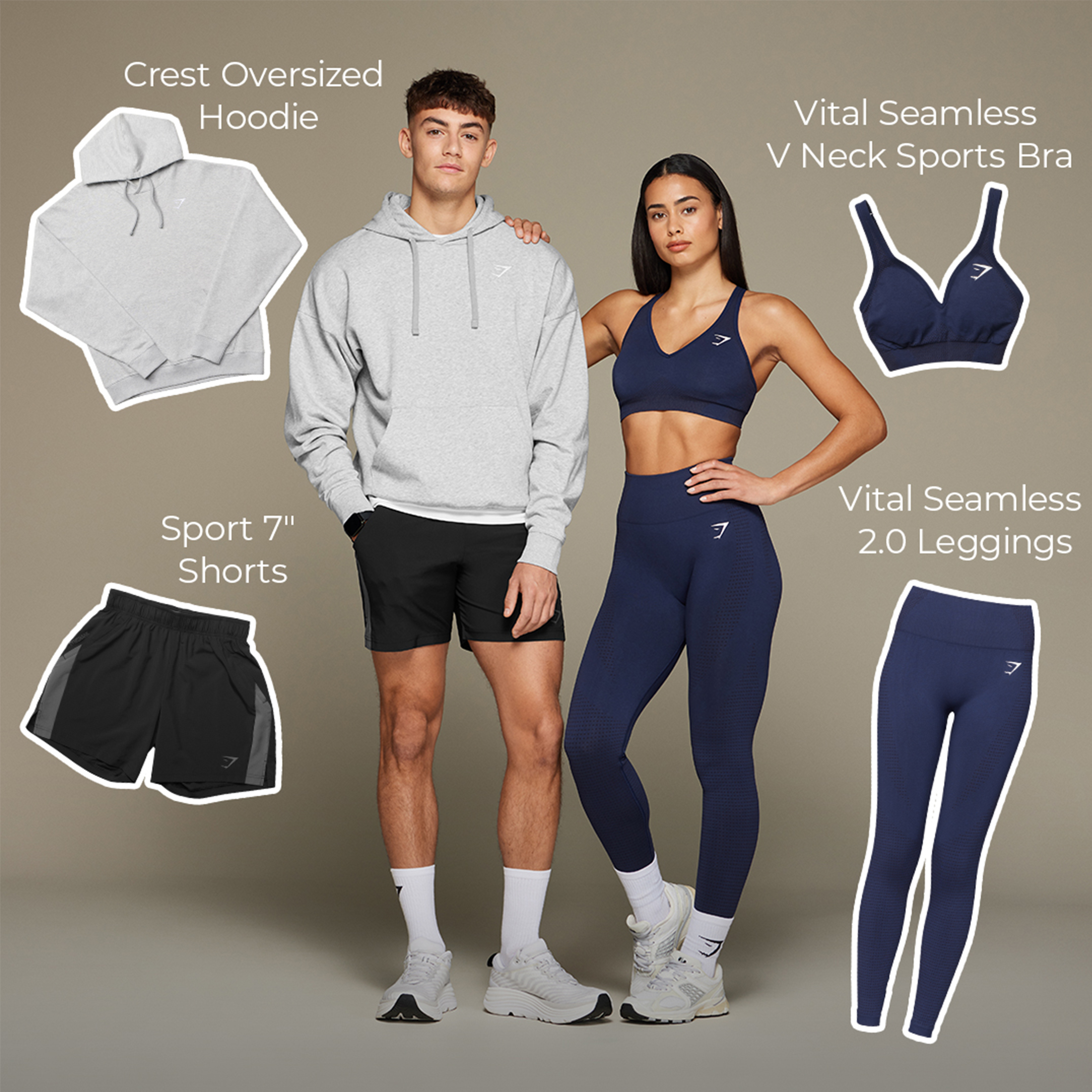
4. Heavy Or Bulky Hoodies
It’s tempting to throw on a hoodie for warmth, but bulky layers restrict movement and make you overheat. If you sweat a lot, the hoodie traps moisture, increasing your risk of colds and skin problems. Bulky clothes can also hide your form, making it harder to check your posture or get help from trainers.
Better alternative: Warm up in light jackets or sweatshirts, then switch to breathable layers.
5. Jewelry And Watches
Wearing rings, necklaces, bracelets, or even smartwatches can be dangerous. Jewelry can catch on equipment, causing injuries. Metal pieces also dig into your skin during exercises like pushups or bench presses. Sweat can damage watches or fitness trackers not designed for intense workouts.
Better alternative: Leave jewelry at home and wear only fitness trackers built for sweat and impact.
6. Old, Worn-out Shoes
Your shoes take a lot of impact during workouts. Old gym shoes lose their cushioning and grip, increasing your risk of slips and joint pain. The fabric might have holes, leading to blisters or stubbed toes. Many people ignore shoe lifespan, but it’s vital for both comfort and safety.
Better alternative: Replace athletic shoes after about 300-500 miles of use or when you notice wear.
7. Too-tight Or Too-loose Clothing
Both extremes are problematic. Tight clothes can restrict blood flow, cause chafing, and limit your movement, especially during stretches or compound lifts. Loose clothes may snag on equipment or make it hard to see your form. Baggy shirts can ride up during inverted exercises, exposing your skin.
Better alternative: Wear fitted but flexible gym wear that moves with you.
8. Perfume Or Strong Fragrances
Wearing perfume to the gym might seem polite, but it often backfires. Strong scents get stronger with sweat, making the air uncomfortable for others, especially in small spaces. Some people are sensitive or allergic to fragrances, which can lead to headaches or breathing issues.
Better alternative: Stick to deodorant and shower before your workout if needed.
9. Dress Shirts Or Office Attire
Some people head straight to the gym after work and forget to change. Dress shirts, trousers, or skirts are not made for movement or sweat. You’ll feel restricted, and sweat can ruin the fabric. You may also look out of place, which can affect your confidence.
Better alternative: Bring a gym bag with proper workout clothes.
10. Shapewear Or Waist Trainers
Shapewear and waist trainers claim to help with slimming, but they restrict breathing and movement. They can even cause fainting or digestive problems during intense exercise. Long-term use may harm your posture and core strength.
Better alternative: Build your core naturally with proper training.
11. See-through Or Sheer Clothing
Lightweight materials can become see-through when stretched or wet with sweat. This is common with cheap leggings or white shorts. You may not notice at home, but under gym lights, it’s obvious. This can lead to embarrassment or unwanted attention.
Better alternative: Test gym clothes under good lighting and choose thicker, high-quality fabrics.
12. Street Shoes
Wearing shoes from outside directly into the gym brings in dirt, bacteria, and even small rocks. This can damage gym equipment and make the floor slippery. Street shoes also don’t provide the grip or cushioning needed for workouts.
Better alternative: Keep a pair of clean gym shoes just for workouts.
13. Non-sports Bras
Support is crucial, especially for women. Regular bras aren’t designed for movement and can cause discomfort or pain during jumping or running. Straps may dig in, and lack of support can lead to soreness or even tissue damage over time.
Better alternative: Invest in a high-impact sports bra for gym activities.
14. Wool Or Cashmere
While warm, these materials are terrible for sweat. Wool and cashmere trap heat and moisture, leading to overheating and itchiness. They also take a long time to dry, which can make you uncomfortable quickly.
Better alternative: Stick to technical fabrics designed for exercise.
15. Shorts That Are Too Short
Very short shorts may ride up or shift, especially on machines or during stretching. This can cause chafing and unwanted exposure. Some gyms have dress codes against revealing clothing.
Better alternative: Pick shorts with a comfortable length and secure fit.
16. Socks That Don’t Fit
Socks are often ignored, but ill-fitting socks can cause blisters, slipping, or even fungal infections if they trap sweat. Thin dress socks offer no protection, while thick winter socks can overheat your feet.
Better alternative: Wear athletic socks that wick moisture and fit your foot snugly.
17. Clothes With Offensive Prints
The gym is a public space. Clothes with rude, offensive, or political prints can make others uncomfortable or even get you asked to leave. It’s always best to keep your gym wear neutral and respectful.
Better alternative: Choose plain or motivational designs.
18. Clothing With Zippers, Studs, Or Metal Parts
Zippers, metal studs, or buttons can scratch equipment, dig into your skin, or break during exercise. Lying on a bench with a zipper on your back is not only uncomfortable but can also damage the bench.
Better alternative: Pick seamless or minimal-detail gym wear.
19. Heavy Makeup
Sweating with heavy makeup can block pores, leading to breakouts. Makeup tends to run when mixed with sweat, which can be distracting and unhygienic.
Better alternative: Clean your face before working out or use light, sweat-proof products.
20. Fashion Accessories
Belts, scarves, hats, or fashion glasses don’t belong in the gym. They can interfere with your movement, fall off, or become a safety hazard.
Better alternative: Remove all unnecessary accessories before starting your workout.
The Risks Of Ignoring Proper Gym Clothing
Wearing the wrong clothes doesn’t just look odd—it can have real consequences. Here’s how poor choices affect your gym experience:
- Injuries: Loose or ill-fitting clothes can get caught in equipment, causing falls or sprains.
- Reduced performance: Restricted movement limits how well you can exercise.
- Skin infections: Damp, non-breathable fabrics keep sweat close to your skin, increasing risk of rashes or fungal infections.
- Hygiene problems: Street shoes and dirty clothes bring outside germs into the gym, affecting everyone.
- Embarrassment: Transparent or shifting clothes can cause uncomfortable situations.
Ignoring these risks may not seem like a big deal at first, but over time, small issues can become bigger problems.
Two Overlooked Clothing Mistakes (that Even Regulars Make)
Most people focus on the obvious mistakes, but there are subtle errors even experienced gym-goers miss:
1. Wearing The Same Clothes Repeatedly Without Washing
Some believe if you don’t sweat much, you can wear gym clothes again. In reality, even a short workout leaves behind bacteria and skin cells. Re-wearing clothes increases the risk of skin infections and odor. Always wash your clothes after each session, no matter how clean they look.
2. Wearing Compression Gear For Every Workout
Compression wear can boost circulation for some activities, but it’s not for everyone and not for every session. Overusing tight gear can reduce comfort, especially in longer workouts. It’s important to listen to your body and use such clothing only when it helps, not as a rule.

Credit: www.youtube.com
How To Choose The Right Gym Clothes
Now you know what to avoid, here’s how to pick gear that works for you:
- Fit: Clothes should be snug but not tight, allowing full movement.
- Breathability: Choose fabrics that wick away sweat and keep you cool.
- Support: Good sports bras and shoes protect your body during intense movements.
- Durability: Invest in gym wear that withstands frequent washing and rough use.
- Hygiene: Keep a rotation of gym clothes so you always have a clean set.
Comparing Gym-appropriate And Inappropriate Clothing
To make things clearer, here’s a side-by-side look at what works and what doesn’t:
| Appropriate Gym Wear | Inappropriate Gym Wear |
|---|---|
| Moisture-wicking shirts | Cotton T-shirts |
| Athletic shorts or leggings | Denim or casual pants |
| Sports bras | Regular bras |
| Proper athletic shoes | Flip-flops or street shoes |
| Breathable socks | Dress or thick socks |
Credit: medium.com
The Impact Of Shoes On Performance And Safety
Footwear deserves special attention. Here’s how different shoes affect your workout:
| Shoe Type | Support | Grip | Injury Risk |
|---|---|---|---|
| Running Shoes | High | Good | Low |
| Flip-Flops | None | Poor | High |
| Old/Worn Shoes | Low | Poor | High |
| Cross-Trainers | High | Good | Low |
How Sweat Affects Different Fabrics
Understanding how fabrics react to sweat helps you choose wisely:
| Fabric | Absorption | Drying Speed | Comfort |
|---|---|---|---|
| Cotton | High | Slow | Poor when wet |
| Polyester blend | Low | Fast | Good |
| Wool | Medium | Slow | Itchy when wet |
| Nylon | Low | Fast | Good |
Special Considerations For Different Workouts
Your gym outfit may change depending on your workout:
- Cardio: Go for lightweight, sweat-wicking clothes and supportive shoes.
- Weightlifting: Wear fitted clothes to check your form and shoes with a flat sole.
- Yoga/Pilates: Choose stretchy, soft fabrics and clothing that stays in place.
- Group Classes: Pick bright, comfortable clothes that let you move freely.
Always adjust your clothing to the activity, not just your style.
How Weather And Gym Environment Influence Clothing
Temperature matters. If your gym is air-conditioned, bring a light layer for warming up. In hot climates, avoid heavy materials and double-layers. Outdoor workouts may need sun protection or rain-resistant clothes.
Dress Codes And Gym Policies
Many gyms have their own dress codes for safety and hygiene. Common rules include:
- No open-toe shoes or sandals
- No jeans or street clothes
- No offensive prints
- Shirts must be worn at all times
Check your gym’s rules before showing up—breaking them could get you sent home.
Hygiene And Laundry Tips For Gym Clothes
- Wash after every use, even if you didn’t sweat much.
- Use sports detergent to remove bacteria and odor.
- Dry clothes completely before storing.
- Don’t leave sweaty gear in your gym bag—it can cause mold and smells.
- Rotate between several sets to reduce wear and tear.
Gym Bag Essentials: What To Pack Instead
Replace banned or unsuitable items with these essentials:
- Moisture-wicking shirt and shorts or leggings
- Sports bra and athletic socks
- Clean athletic shoes (for gym use only)
- Towel and water bottle
- Spare hair ties or headbands
- Shower sandals (for the locker room only)
Bringing the right gear means you’re always prepared, comfortable, and safe.
Making The Switch: How To Change Habits
It’s easy to fall into the habit of wearing whatever is at hand. To break out of this:
- Set aside a specific drawer or shelf for gym clothes.
- Buy a few key pieces instead of many low-quality items.
- Plan your gym outfits ahead of time.
- Check clothing for holes or wear every week.
Small changes make it easier to stay on track and avoid mistakes.
Real-world Examples: What Happens When You Wear The Wrong Clothes
- A man wore jeans and a belt to the gym. During squats, his belt buckle scratched the bench, and the jeans tore at the seam, ending his workout early.
- A woman wore thin leggings and only noticed they were see-through when bending over in a class. She felt embarrassed and left early.
- A runner wore old shoes with no grip. He slipped on the treadmill, resulting in a twisted ankle and weeks off training.
These stories are common but preventable with the right choices.
The Social Side: Respecting Others
Remember, what you wear affects not just you but everyone around you. Strong scents, revealing clothes, or dirty shoes can make others uncomfortable. Good gym etiquette means dressing in a way that’s respectful and considerate.
For More Guidance
If you want to dive deeper into fabric technology and exercise clothing, check out the latest research at the Athletic Wear Wikipedia page.
Frequently Asked Questions
What Happens If I Wear Cotton To The Gym?
Cotton absorbs sweat but doesn’t dry quickly. You’ll feel damp, and the fabric can cause irritation or rashes. It’s best to wear moisture-wicking materials instead.
Is It Safe To Wear Jewelry While Working Out?
No. Jewelry can get caught in equipment or scratch your skin. Remove all rings, necklaces, and bracelets before your workout for safety.
Can I Wear My Work Shoes In The Gym?
Work shoes or street shoes are not suitable for gym workouts. They can damage equipment, don’t provide the right support, and bring in dirt. Use clean, sport-specific shoes.
Are Shorts Better Than Leggings For The Gym?
Both can be good if they fit well and are made from workout-friendly materials. Shorts are cooler, while leggings offer more coverage. Choose based on comfort and activity.
How Often Should I Wash My Gym Clothes?
Wash all gym clothes after each workout, even if you didn’t sweat heavily. This prevents bacteria build-up and keeps your gear fresh.
Choosing the right gym clothes is about more than style—it’s about safety, comfort, and getting the best results from your workout. By avoiding the mistakes in this guide, you’ll not only look the part but feel and perform at your best every time you hit the gym.
Credit: www.gymshark.com
