

What Should a Dancer Wear: Essential Outfit Tips for Every Style
What Should A Dancer Wear
Dancing is more than movement—it's a blend of discipline, creativity, and style. What you wear as a dancer shapes how you move, how you feel, and how you’re seen by others. Many beginners wonder: What should a dancer wear? The answer depends on the dance style, your goals, and the situation. Whether you are heading to your first ballet class, preparing for a hip-hop battle, or joining a ballroom event, wearing the right outfit can make a big difference. The right clothing helps you move safely, express yourself, and feel confident. Let’s look at everything a dancer should know about dancewear, from head to toe.
Why Dancewear Matters
Dancewear is not just about looking good. Each piece is designed to help dancers perform better and stay safe. For example, tight clothing allows teachers to see your movements and correct your posture. Proper shoes protect your feet and help you balance.
Wearing the wrong clothes can make dancing harder and even cause injuries.
Comfort is also key. If your clothes are too tight or too loose, you might feel self-conscious or distracted. Good dancewear helps you focus on learning and enjoying the dance.
Key Factors When Choosing Dancewear
Several factors matter when picking what to wear for dance:
- Dance style: Ballet, hip-hop, ballroom, and jazz all have different clothing needs.
- Functionality: Your outfit should support your body and not restrict movement.
- Safety: Non-slip shoes and fitted clothes can prevent falls and accidents.
- Dress code: Many studios have specific rules you must follow.
- Personal expression: Dancewear can show off your personality, especially in styles like hip-hop or contemporary.
Ignoring these factors is a common mistake. For example, beginners sometimes wear street shoes to class, which can damage floors and hurt their feet.
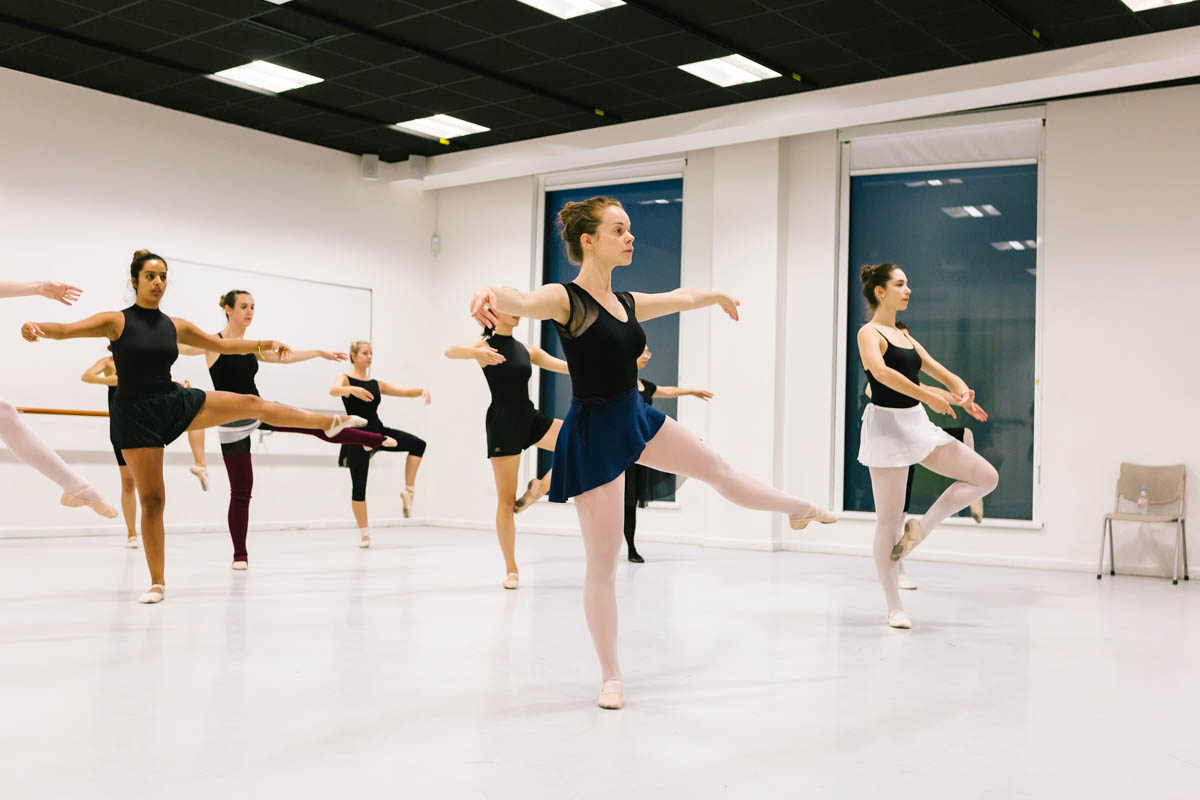
Credit: www.city-academy.com
Dancewear Essentials By Dance Style
Dance is a world of variety. Let’s break down what dancers should wear for the most popular styles.
Ballet
Ballet is classic, disciplined, and has a strict dress code in most studios.
- Leotard: A tight, stretchy one-piece that lets teachers see your form. Usually worn with tights.
- Tights: Light pink or flesh-colored; they support your legs and provide a clean line.
- Ballet shoes: Soft, flexible shoes (sometimes called slippers) that protect your feet and help with turns.
- Skirt: Some dancers wear a short chiffon skirt for style, especially in rehearsals.
- Hair: Usually pulled into a neat bun to keep hair out of the face.
For men, the typical outfit is a fitted white T-shirt or leotard, black tights, and white or black ballet shoes.
Ballet Dancewear Comparison
Here’s a look at the main pieces for ballet dancers:
| Item | Purpose | Common Color |
|---|---|---|
| Leotard | Allows full movement, shows body lines | Black, navy, pastel |
| Tights | Supports legs, creates clean look | Pink, nude, black |
| Ballet Shoes | Foot protection, grip, and flexibility | Pink, white, black |
| Skirt | Optional, adds style | Chiffon, pastel |
Jazz
Jazz dance is energetic and requires clothes that move with you.
- Leotard or fitted top: Fitted tops are common, but some prefer tank tops.
- Jazz pants or leggings: Stretchy pants that allow for kicks, splits, and turns.
- Jazz shoes: Soft leather or canvas shoes with thin soles, designed for sliding and turning.
- No loose jewelry: To avoid distractions or injuries.
Dancers sometimes wear unitards (a one-piece from neck to ankles), especially for performances. For classes, comfort and movement are the top priorities.
Contemporary And Modern
These styles focus on expression and creativity. The dress code is usually more relaxed.
- Fitted tank tops, T-shirts, or leotards: Allows teachers to see your form.
- Leggings, yoga pants, or shorts: Must stretch with your body.
- Bare feet or half-sole shoes: Many contemporary dancers dance barefoot, but some use half-soles for better grip.
- Layers: Some dancers add sweaters or legwarmers during warm-up.
Dancers should avoid baggy clothes that hide their posture. This is a common beginner error that can make it hard for teachers to give feedback.
Hip-hop
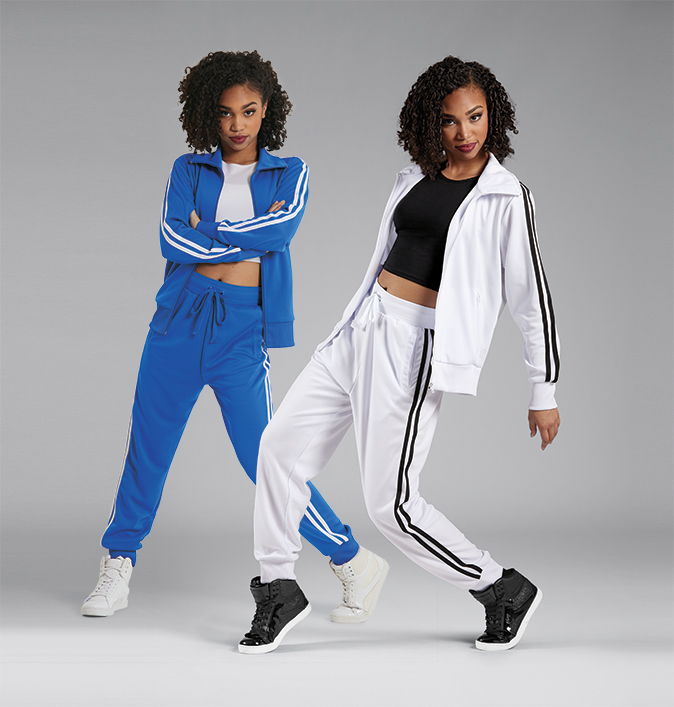
Hip-hop is all about comfort and style. It has the most freedom in dress.
- Loose T-shirts, tanks, or hoodies: Allows free movement.
- Sweatpants or joggers: Baggy pants are popular, but they should not be so long that you trip.
- Sneakers: Supportive, non-marking shoes with good grip.
- Caps or beanies: Sometimes worn for style, but avoid anything that blocks your vision.
Hip-hop is where dancers express their personality through what they wear. But shoes must still be clean and safe for the studio floor.
Ballroom And Latin
Ballroom dancing is formal, especially in competitions.
- Ladies: Fitted dresses or skirts that allow turning, with leotards or dance briefs underneath.
- Men: Fitted shirts, dress pants, and sometimes vests or jackets.
- Ballroom shoes: Special shoes with suede soles for smooth movement and grip.
- Accessories: Sometimes gloves, ties, or jewelry, but nothing that could catch or fall off.
In Latin dance, costumes are often brighter and show more skin, but should still be secure and allow freedom of movement.
Ballroom Vs. Latin Shoes
Here’s a simple comparison of the main shoe types:
| Shoe Type | Heel Height | Best for |
|---|---|---|
| Ballroom Shoes | Low to mid | Waltz, Foxtrot, Quickstep |
| Latin Shoes | Medium to high | Cha-Cha, Rumba, Samba |
Tap
Tap dance requires sound. Your shoes matter most.
- Tap shoes: Hard-soled shoes with metal plates on the heel and toe.
- Fitted tops and pants: So teachers can see your leg and foot movements.
- No loose cuffs: Avoid pants that cover your shoes.
Some beginners don’t tie their tap shoes tightly, which can lead to accidents or poor sound. Always check your laces.
Other Styles (folk, Lyrical, K-pop, Etc.)
Each style has its own traditions. For folk dancing, dancers might wear traditional costumes. K-Pop classes often follow current trends—think bold colors, streetwear, and comfortable sneakers. Lyrical dance outfits are usually similar to contemporary, but sometimes include flowy skirts.
Dance Shoes: The Foundation Of Every Outfit
Shoes are possibly the most important part of a dancer’s outfit. The right shoes support your feet, help you balance, and prevent injuries. Choosing the wrong shoes is a common beginner mistake.
How To Choose Dance Shoes
- Fit: Shoes should be snug but not tight. Your toes should not be cramped.
- Support: Look for shoes that support your arch and ankle. This is especially important for ballet and ballroom.
- Sole type: Suede soles are great for ballroom, while rubber soles are better for hip-hop.
- Studio rules: Some studios do not allow street shoes on the dance floor.
- Break-in period: New shoes often need some time to soften and mold to your feet.
Dance Shoe Comparison
Here’s a look at different dance shoes and what they’re best for:
| Dance Style | Shoe Type | Main Feature |
|---|---|---|
| Ballet | Slippers, Pointe shoes | Lightweight, flexible |
| Jazz | Jazz shoes | Thin, split sole |
| Hip-Hop | Sneakers | Cushioned, high grip |
| Ballroom | Ballroom/Latin shoes | Suede sole, firm heel |
| Tap | Tap shoes | Metal plates for sound |
Accessories And Extras
Dancewear isn’t only about main clothing. Accessories can help you stay comfortable and safe.
Hair Accessories
- Hairbands and clips: Keep hair out of your face. Ballet requires a bun; other styles prefer ponytails or braids.
- Headbands: Absorb sweat and keep hair in place.
Supportive Undergarments
- Dance belts: Essential for male ballet dancers for support and comfort.
- Sports bras: For female dancers, especially in high-impact styles like hip-hop or jazz.
- Seamless underwear: Prevents lines and discomfort.
Warm-up Gear
- Legwarmers and shrugs: Used before class to keep muscles warm. Remove them before dancing to prevent overheating.
- Sweaters: Fitted sweaters can be worn during warm-up, but avoid bulky clothing.
Protective Gear
- Knee pads: Used in breakdancing, contemporary, or any style with floorwork.
- Toe pads: Ballet dancers use these inside pointe shoes to reduce pain.
Dance Bags
A good dance bag keeps your gear organized. It should have space for shoes, water, extra clothes, and small items like hairpins and first aid.
Water Bottles And Towels
Staying hydrated is crucial. Bring a water bottle and a towel to dry off sweat during breaks.
Dancewear For Performances Vs. Practice
What you wear for daily class is often different from what you wear on stage.
Practice And Rehearsal Wear
- Function over fashion: Comfort, movement, and safety are most important.
- Simple colors: Studios often prefer black, white, or pastel colors.
- Minimal accessories: Jewelry is usually not allowed.
Performance Costumes
- Designed for the stage: Costumes are often brighter, with sequins or bold designs.
- Built for movement: They are fitted to stay in place during jumps or turns.
- Secure fastenings: To prevent wardrobe malfunctions.
Dancers should always try on costumes and practice in them before a show. This helps avoid surprises, like a skirt that rides up or a strap that slips.
Dancewear For Children
Children’s dancewear is similar to adults, but with a focus on comfort and safety.
- Soft, stretchy fabrics: Kids grow fast. Look for materials that allow movement.
- Simple fastenings: Velcro or elastic is easier for young kids than buttons or zippers.
- Bright colors: Many studios let kids choose fun colors for their first classes.
- No jewelry: For safety, children should not wear necklaces or dangling earrings.
Parents often make the mistake of buying dancewear that is too big, thinking the child will “grow into it. ” This can be dangerous, as loose clothing can cause trips or hide the teacher’s view of the dancer’s body.
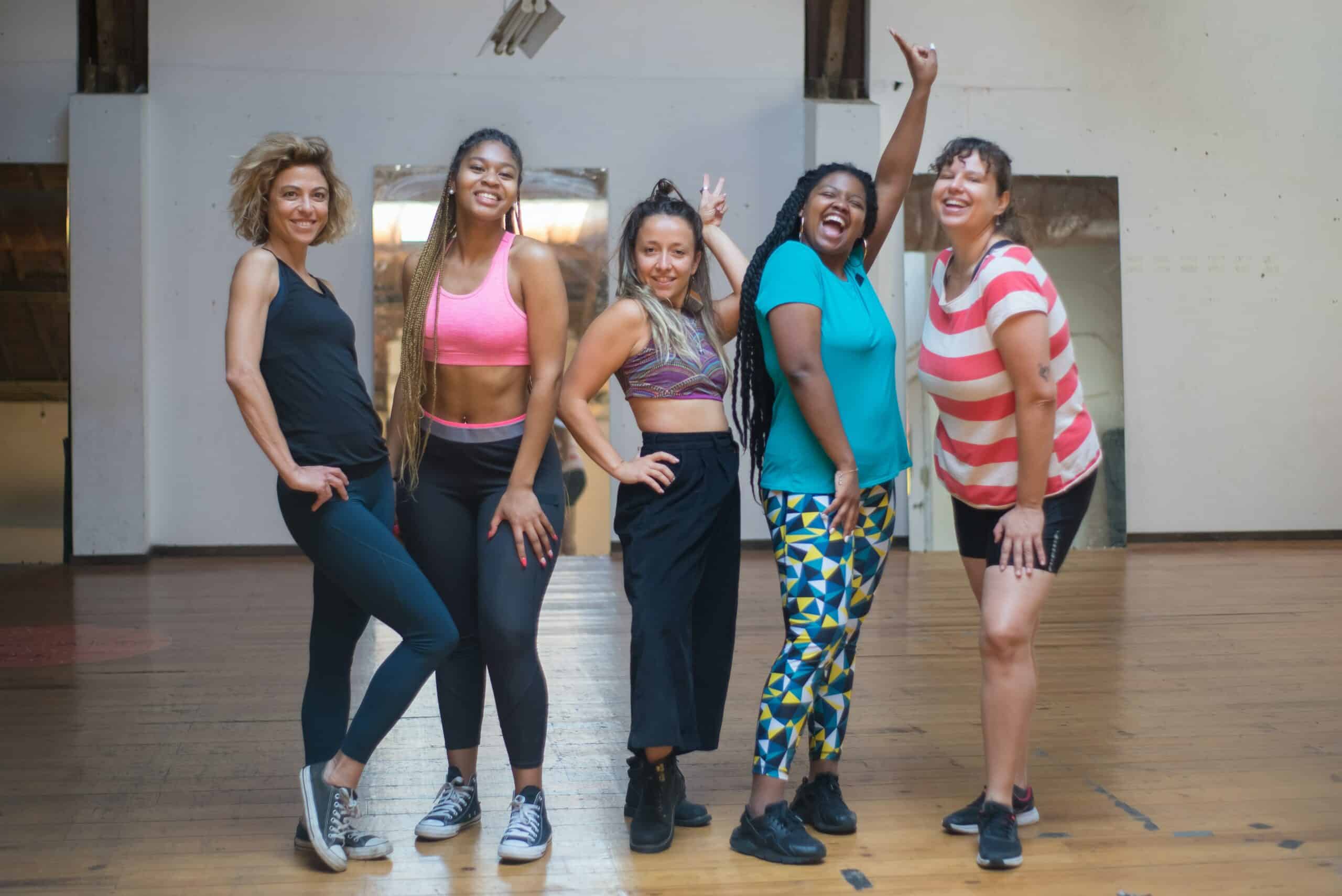
What Not To Wear To Dance Class
Some items are best left at home, no matter your dance style.
- Jeans: Too stiff and restrict movement.
- Street shoes: Can be dirty and damage dance floors.
- Jewelry: Rings, necklaces, and big earrings can get caught or cause injury.
- Baggy sweatshirts: Hide your body and can cause overheating.
- Flip-flops or sandals: Offer no support and are not safe for dancing.
Credit: www.fredastaire.com
How To Care For Dancewear
Proper care keeps your dance clothes and shoes in good shape for longer.
- Wash leotards and tights after each use: Use cold water and gentle detergent.
- Air-dry shoes: Never put dance shoes in the dryer; let them dry naturally.
- Store shoes in a breathable bag: Avoid plastic, which traps moisture and causes odor.
- Check for wear: Replace dance shoes when soles are worn or support is lost.
- Sew small rips quickly: Small holes in tights or leotards can get bigger if not fixed.
A common mistake is leaving sweaty clothes in a bag for hours. This leads to bad smells and can damage the fabric.
Dancewear Trends And Personalization
Dancewear is always evolving. Dancers today have more options for expressing themselves.
- Eco-friendly fabrics: More brands use recycled materials to make leotards and tights.
- Bold colors and prints: Especially in hip-hop and contemporary classes.
- Custom shoes: Some dancers order shoes in unique colors or with special fit features.
- Personal accessories: Bags, water bottles, and even face masks can be chosen to reflect your style.
Some dancers personalize their dancewear with patches or small decorations, but always check studio rules before adding anything to your outfit.
Tips For Buying Dancewear
Shopping for dancewear can feel overwhelming, but these tips can help:
- Try before you buy: Fit varies by brand. Always move around in the outfit before buying.
- Ask your teacher: Most studios have preferred brands or styles.
- Invest in shoes: Good shoes last longer and protect your feet.
- Buy in sets: Some stores offer discounts for buying a leotard, tights, and shoes together.
- Check return policies: Especially when buying online.
- Start with basics: For your first classes, simple black or pink is usually fine.
- Don’t overspend: Kids grow fast and beginners may switch styles.
Many new dancers think they need the most expensive gear. In reality, comfort and fit matter more than price.
Common Dancewear Mistakes To Avoid
Even experienced dancers sometimes make mistakes with their outfits. Here are a few to watch out for:
- Wearing street shoes in the studio: This can bring in dirt and damage expensive floors.
- Forgetting extra clothes: Always bring a spare shirt or pair of tights in case of accidents.
- Ignoring studio rules: Some studios have strict dress codes—always check before buying new items.
- Choosing fashion over function: Trendy items are fun, but comfort and movement are most important.
- Not securing hair: Loose hair can block your vision or get caught.
Credit: www.dancewearsolutions.com
The Psychology Of Dancewear
What you wear can affect how you dance. Research shows that wearing the right clothes can boost confidence and help you focus. When you look like a dancer, you often feel more motivated to act like one. This is why studios have dress codes—not just for appearance, but to create a sense of discipline and belonging.
Dancewear And Injury Prevention
Wearing the right clothes and shoes can help prevent common dance injuries.
- Supportive shoes reduce the risk of twisted ankles.
- Fitted clothes allow teachers to see improper posture and correct it.
- Warm-up gear helps prevent muscle strains by keeping muscles warm before activity.
- Protective gear like knee pads can cushion falls during practice.
Paying attention to these details is something beginners often overlook, but it makes a big difference in staying healthy as a dancer.
Where To Buy Dancewear
You can find dancewear at specialty stores, online shops, and sometimes at your dance studio.
- Specialty stores: Staff can help fit shoes and recommend brands.
- Online retailers: Offer more variety and sometimes better prices, but always check sizing charts.
- Studio shops: Convenient but may have limited choices.
For more information about dancewear standards and options, check the Dancewear Wikipedia page.
Frequently Asked Questions
What Should I Wear To My First Dance Class?
For most beginner classes, simple is best. Wear comfortable, fitted clothes like a T-shirt and leggings. Ask your studio if special shoes are required. Avoid jeans, jewelry, and sandals.
How Do I Know If My Dance Shoes Fit Correctly?
Dance shoes should be snug but not painful. Your toes should touch the end, but not be cramped. Move around—if the shoe slips off or pinches, try a different size or brand.
Can I Wear Regular Gym Clothes For Dance?
It depends on the style. Gym clothes are fine for hip-hop or some contemporary classes, but ballet and ballroom usually require specific outfits. Always check your studio’s dress code.
How Often Should I Replace My Dancewear?
Replace shoes when they lose support or become slippery. Change leotards and tights when they get holes or lose their shape. High-use items may need replacing every few months.
Are There Any Special Tips For Caring For Dancewear?
Yes. Wash clothes in cold water, air-dry shoes, and never leave sweaty items in your bag. Check for rips or worn-out soles regularly to avoid accidents.
Wearing the right dancewear is about more than rules—it's about moving with confidence, staying safe, and enjoying every moment on the dance floor. Choose wisely, care for your gear, and let your personal style shine through. When you feel good in what you wear, every step becomes a little lighter and every dance a little brighter.
