

What Not to Wear to Work: Office Fashion Mistakes to Avoid
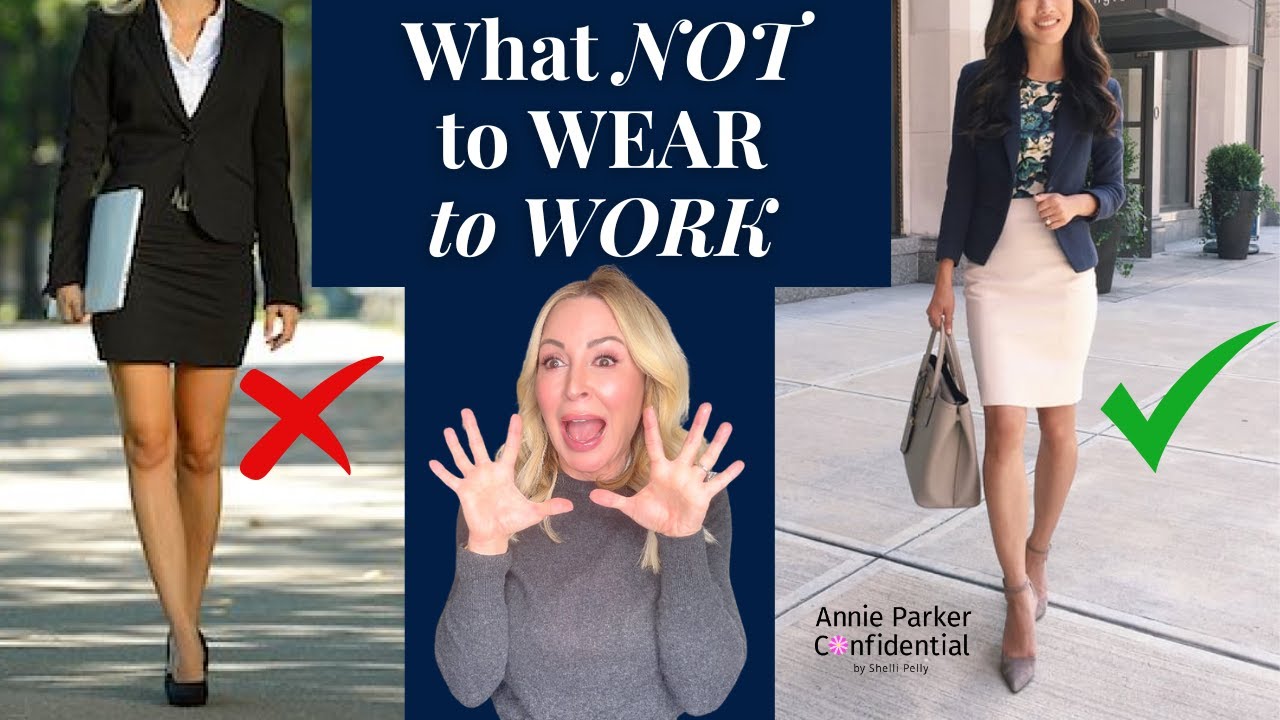
What Not To Wear To Work
Getting dressed for work isn’t always easy. What you wear can affect how people see you, how confident you feel, and even your chances for success. But sometimes, it’s not about what you wear—it’s about what you should avoid. Many people make simple mistakes with their workplace clothing that can lead to embarrassment, missed opportunities, or even trouble with management.
This guide will help you understand which outfits are best left at home, why they matter, and how to make smart choices every day.
No matter your job or industry, the rules for work attire are not always written down. Some offices are strict, others are relaxed, and many are somewhere in between. Still, certain clothing choices are nearly always a bad idea. If you want to look professional, comfortable, and confident, you need to know what not to wear.
Let’s break down the key mistakes, offer real-life examples, and show you how to avoid the most common wardrobe pitfalls. Whether you work in an office, a creative space, or a retail store, these tips will help you stay sharp and respected.
Why Workplace Attire Matters
Your clothing is a silent message. People notice what you wear before you even speak. In the workplace, this message helps set your reputation, credibility, and relationships. According to a survey by OfficeTeam, 86% of professionals believe their appearance affects their success at work. Employers notice your clothes, clients pay attention, and colleagues form opinions.
Wearing the wrong clothing can lead to:
- Missed promotions
- Negative feedback
- Awkward situations
- Lower confidence
Even if your company doesn’t have a strict dress code, it’s smart to avoid obvious mistakes. You want your skills to stand out, not your outfit.
Clothes That Are Too Casual
Many offices now accept business casual or even relaxed dress codes. But being “casual” doesn’t mean anything goes. Some casual styles are just too informal for work.
Common Casual Mistakes
1. Flip-flops Or Sandals
These are great for the beach, not the office. Open-toed shoes can seem unprofessional and are often against dress codes.
2. Shorts
Even in hot weather, shorts rarely look professional. They signal that you’re not taking the job seriously.
3. Graphic T-shirts
Shirts with cartoons, jokes, or bold logos distract from your work and may upset clients or coworkers.
4. Ripped Or Distressed Jeans
Clean, dark jeans can sometimes work. But ripped jeans look messy and careless.
5. Sweatpants Or Joggers
Comfortable but too relaxed. They make you look like you’re heading to the gym, not the office.
Data: Casual Attire Impact
A study by the Society for Human Resource Management found that 74% of HR managers say employees who dress too casually are less likely to be promoted.
| Casual Item | Office Acceptance | Promotion Impact |
|---|---|---|
| Flip-flops | Rarely Allowed | Negative |
| Shorts | Never Allowed | Very Negative |
| Graphic T-shirts | Seldom Allowed | Negative |
| Ripped Jeans | Sometimes Allowed | Moderate Negative |
| Sweatpants | Never Allowed | Very Negative |
Clothing That Is Too Revealing
It’s important to feel comfortable, but revealing clothes can cause problems at work. Most workplaces have rules to avoid distraction, discomfort, or even legal issues.
What To Avoid
- Low-cut tops
These can make others uncomfortable and may break company policy.
- Mini skirts or short dresses
If you have to pull your skirt down every few minutes, it’s too short for work.
- Sheer fabrics
See-through clothing is not suitable for most offices.
- Crop tops
Exposing your midriff is risky and rarely professional.
- Spaghetti straps
Thin straps often signal casual or party wear, not office attire.
Real-life Example
A marketing assistant wore a crop top to a team meeting. Her manager asked her to cover up, and she felt embarrassed. This caused tension in the team and affected her confidence.
Workplace Dress Code Comparison
| Item | Corporate Office | Creative Agency | Retail Store |
|---|---|---|---|
| Low-cut top | Never Allowed | Rarely Allowed | Sometimes Allowed |
| Mini skirt | Never Allowed | Rarely Allowed | Sometimes Allowed |
| Sheer fabric | Never Allowed | Rarely Allowed | Never Allowed |
| Crop top | Never Allowed | Rarely Allowed | Never Allowed |
| Spaghetti strap | Never Allowed | Rarely Allowed | Sometimes Allowed |
Outfits That Are Too Formal Or Outdated
Not every mistake is about being too casual. Sometimes, people dress too formally or wear styles that feel old-fashioned. This can make you seem out of touch or even uncomfortable.
Too Formal
- Three-piece suits in casual offices
If your office is business casual, a full suit can seem strange.
- Long evening dresses
These are for formal events, not the workday.
- Dress shoes with tuxedo shine
Polished shoes are good, but too much shine can look odd for daily office life.
Outdated Styles
- Shoulder pads and old-fashioned suits
Retro styles can seem charming, but they may signal you’re not aware of current trends.
- Tie pins, pocket squares, or heavy jewelry
Accessories are fine, but too many can look old-fashioned.
Why It Matters
Wearing clothes that are too formal or outdated can make you stand out in a negative way. It might signal you don’t understand your company’s culture.
Clothes With Offensive Or Distracting Prints
What’s printed on your clothing matters. Many companies have strict rules against offensive language, images, or distracting patterns.
Items To Avoid
- Clothes with swear words or negative messages
Even if it’s a joke, it’s risky.
- Political or religious slogans
These can cause arguments or offend coworkers.
- Loud patterns or neon colors
Bright colors can distract and make you look less professional.
- Images of violence or adult themes
Never safe for work.
Key Insight
Even small logos or images can cause trouble. For example, a shirt with a tiny political symbol led to an argument between two coworkers. It’s best to keep prints neutral.
Dirty, Wrinkled, Or Poorly Fitting Clothing
Sometimes, the problem is not the style but the condition of your clothes. Dirty, wrinkled, or ill-fitting outfits can hurt your reputation.
Common Issues
- Stained shirts or pants
Even small stains can make you seem careless.
- Wrinkled clothes
They signal you didn’t plan or care about your appearance.
- Clothes that are too tight or too loose
These make you uncomfortable and affect how you move.
- Missing buttons, broken zippers
These small details matter.
Data: Cleanliness And Promotion
A survey by CareerBuilder found 57% of managers said they would hesitate to promote someone who wears wrinkled or messy clothing.
Shoes That Don’t Belong At Work
Shoes are often forgotten, but they make a big difference. Some shoes are never okay for work, no matter the dress code.
Shoes To Avoid
- Flip-flops or slides
Too casual and risky for safety.
- High heels over four inches
These are uncomfortable and can look inappropriate.
- Dirty sneakers
Clean sneakers can work in casual offices, but dirty ones look unprofessional.
- Heavy boots (unless required)
Unless your job needs safety boots, leave them at home.
- Slippers
Comfortable, but only for home.
Shoe Comparison
| Shoe Type | Business Casual | Creative Office | Retail |
|---|---|---|---|
| Flip-flops | Never Allowed | Rarely Allowed | Never Allowed |
| High heels (>4 inches) | Rarely Allowed | Sometimes Allowed | Rarely Allowed |
| Dirty sneakers | Never Allowed | Rarely Allowed | Never Allowed |
| Heavy boots | Rarely Allowed | Sometimes Allowed | Allowed (if required) |
| Slippers | Never Allowed | Never Allowed | Never Allowed |
Accessories That Distract
Accessories can complete your look. But too many, too bright, or noisy accessories can be a problem.
What Not To Wear
- Large, noisy jewelry
Bangles or chains that make noise can distract coworkers.
- Too many rings or bracelets
One or two is fine. More can look excessive.
- Brightly colored scarves or hats
These can draw attention away from your work.
- Sunglasses indoors
These are never suitable for the office unless required for medical reasons.
Example
A receptionist wore multiple bracelets that jingled every time she moved. Clients complained, and her manager asked her to stop wearing them.
Strong Fragrances And Makeup
It’s not just about clothing. Strong smells or bold makeup can affect your workplace image.
Fragrances
- Heavy perfumes or colognes
Some people are sensitive or allergic. Strong scents can make meetings uncomfortable.
- Body sprays
These can seem cheap and overdone.
Makeup
- Extremely bold colors
Neon eyeshadow or lipstick can distract and seem unprofessional.
- Heavy glitter
This is best for parties, not work.
Key Insight
A survey by the American Lung Association found that 30% of people react negatively to strong fragrances in the workplace.
Seasonal Mistakes: Summer And Winter Clothing
Weather changes, but you still need to look professional. Both summer and winter bring unique challenges.
Summer Mistakes
- Tank tops or sleeveless shirts
These can be too casual.
- Short shorts
Always a bad idea for work.
- Beachwear
Leave swim trunks and cover-ups at home.
Winter Mistakes
- Oversized hoodies
Comfortable but too relaxed.
- Pajama pants
Even in cold weather, these are not office-appropriate.
- Heavy coats indoors
Take off your coat once inside.
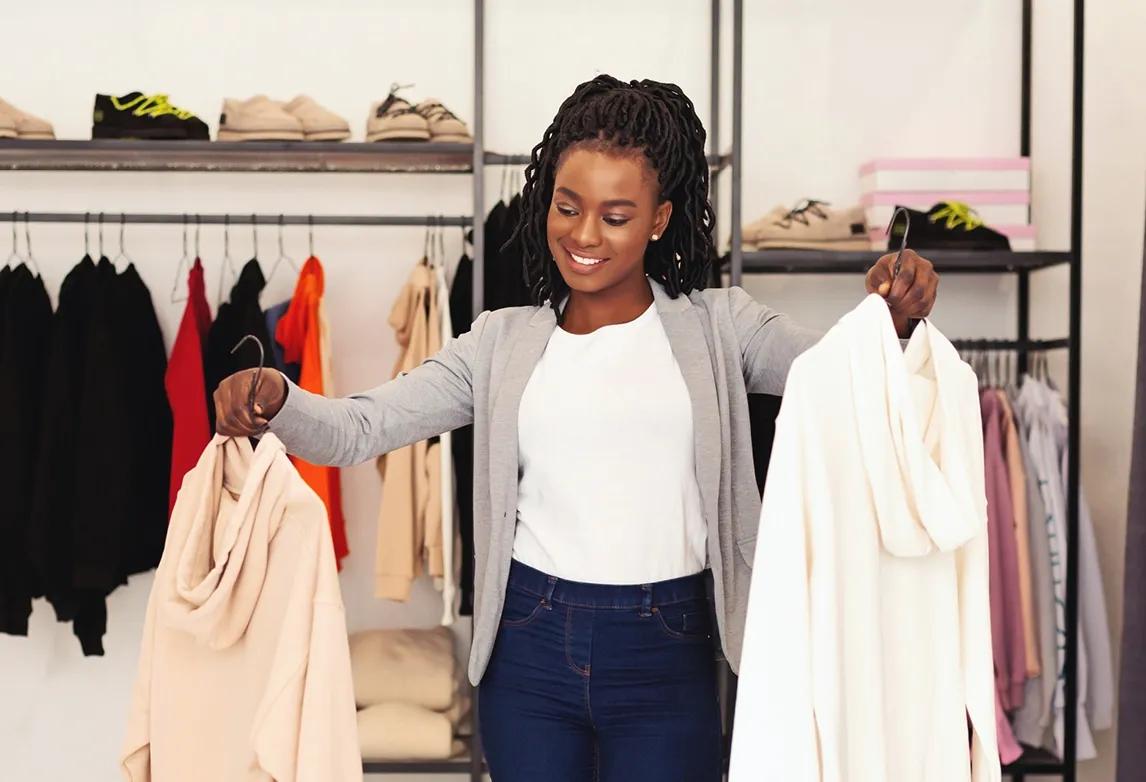
Example
A designer wore shorts and flip-flops in summer. The office manager sent him home to change, costing him half a day’s work.
Credit: www.ultimatemedical.edu
Cultural And Company Rules
Different companies and cultures have unique rules. For example, some offices allow jeans, others do not. Some cultures require modest clothing, while others are more open.
How To Avoid Mistakes
- Read the employee handbook
Most companies explain their dress code.
- Observe coworkers
Notice what successful people wear.
- Ask HR or your manager
If you’re unsure, ask for guidance.
Key Insight
Never assume “casual Friday” means anything goes. Even relaxed days have limits.
Technology And Remote Work
Working from home changed how people dress. But even for virtual meetings, you need to avoid certain mistakes.
Remote Work Attire
- Pajamas or sleepwear
You may feel comfortable, but it looks lazy on camera.
- Clothes with offensive prints
Video calls can pick up details others miss.
- Messy hair or unshaven look
Grooming still matters online.
Example
A remote worker wore a T-shirt with a rude joke on a video call. The client noticed and complained, hurting the company’s reputation.
Dressing For Interviews And First Days
First impressions last. Interviews and first days are critical moments. Dress too casual or too formal, and you may not get the job.
What Not To Wear
- Casual clothes (jeans, sneakers, T-shirts)
Even if the office is relaxed, dress up for interviews.
- Old-fashioned suits
Avoid styles that seem out of date.
- Distracting accessories
Keep it simple.
- Strong fragrances
Go light or skip perfume.
Example
A candidate wore jeans to a tech company interview. The manager saw this as a lack of effort and did not hire him.
Two Non-obvious Insights
Most guides repeat the basics. Here are two tips many beginners miss:
- Avoid clothing that matches your background too closely in video calls.
If your shirt is the same color as your wall, you may blend in or look strange on camera.
2. Don’t Forget The Bottom Half For Remote Meetings.
Some people dress up only the top. If you stand or move, coworkers may see your shorts or pajamas.
Credit: www.youtube.com
How To Fix Wardrobe Mistakes Quickly
Sometimes, you realize too late that your outfit is wrong. Here’s how to fix it fast:
- Keep a spare blazer or sweater at your desk
This can cover casual shirts or add professionalism.
- Have clean, neutral shoes in your office
Swap if your current shoes are not suitable.
- Store a basic grooming kit
Comb, lint roller, and deodorant help in emergencies.
The Cost Of Dressing Wrong
Wearing the wrong clothes can hurt your image and your wallet. According to a survey by LinkedIn, 25% of workers say they lost a promotion or raise due to poor clothing choices.
Hidden Costs
- Lost job opportunities
- Lower confidence
- Negative office relationships
- Fewer client referrals
What To Wear Instead
Knowing what not to wear is only half the story. You also need smart alternatives.
Safe Clothing Choices
- Plain, clean shirts or blouses
- Dark, well-fitting pants or skirts
- Closed-toe, clean shoes
- Simple accessories
- Light, fresh fragrances
- Neutral makeup
Example
A software engineer switched from graphic T-shirts to plain polos. He felt more confident and received better feedback from management.
Frequently Asked Questions
Is It Okay To Wear Jeans To Work?
It depends on your company’s dress code. In many offices, dark, clean jeans are acceptable. Avoid ripped or faded jeans. If you’re unsure, ask your manager or HR.
Can I Wear Sneakers At Work?
Some workplaces allow clean, simple sneakers. Dirty or flashy sneakers are usually not acceptable. Check your company policy and observe what your coworkers wear.
How Much Makeup Is Acceptable?
Natural makeup is always safe. Avoid bold colors or heavy glitter. If your office is creative, you may have more freedom, but keep it professional.
What Should I Do If I Make A Clothing Mistake?
If you realize your outfit is wrong, cover up with a sweater or blazer if possible. Apologize if needed and learn from the experience. Keep spare items at your desk for emergencies.
Are Accessories Like Hats Allowed At Work?
Most offices do not allow hats indoors unless for medical or religious reasons. Small accessories are fine, but avoid anything too bright or noisy.
When you choose your work outfits, remember that your clothes are part of your professional story. Avoiding common mistakes can help you build respect, confidence, and success. Dressing well doesn’t mean spending lots of money. It means knowing your company’s culture, understanding what works, and always being prepared. If you want to learn more about workplace dress codes, check out this Society for Human Resource Management guide for deeper insights.
Your clothes should support your goals, not distract from them. Make smart choices, stay aware, and let your skills—not your outfit—stand out.

Credit: www.youtube.com
