

What is the Origin of the Word Leggings? Unveiled History
Have you ever stopped to wonder where the word "leggings" actually comes from? You might think it’s just a modern term for a popular clothing item, but its history is surprisingly rich and interesting.
Understanding the origin of the word can change the way you see this everyday wardrobe staple. If you’re curious about the story behind your favorite leggings, keep reading – you’ll discover something that makes wearing them feel even more special.
Etymology Of Leggings
The word "leggings" has an interesting origin that traces back through history. Understanding its etymology reveals how this clothing item evolved over time. This section explores the roots and development of the term "leggings."
Leggings come from older words that described similar garments used for warmth and protection. The word’s journey through languages shows how fashion and function influenced its meaning.
Historical Roots Of The Word "leggings"
The term "leggings" is linked to the Old English word "legg," meaning leg. Early usage referred to coverings worn on the legs. These were often made of cloth or leather to protect from cold or rough terrain.
Evolution Through Languages
The word passed through Middle English and Old Norse languages. Old Norse had "leggjar," meaning leg wraps. These simple terms gradually formed the modern word "leggings."
Shift In Meaning Over Time
Leggings once described thick, protective coverings for soldiers and hunters. Today, the word usually means tight, stretchy pants for comfort or fashion. The change reflects shifts in clothing style and cultural needs.
Historical Use In Ancient Cultures
The use of leggings dates back many centuries. Ancient cultures used leg coverings for warmth, protection, and style. These early leggings were different from today’s stretchy fabric designs. They were often made from animal skins, woven cloth, or leather.
Leg coverings appeared in various forms across different regions. Each culture adapted leggings to fit their climate and needs. Let’s explore how some ancient civilizations used leggings in their daily lives.
Leggings In Ancient Europe
In Europe, men and women wore leggings for warmth. Early tribes wrapped their legs with strips of cloth or leather. The Romans used tight-fitting leg coverings called "femoralia" to protect soldiers' legs. These early leggings helped in cold weather and rough terrain.
Leggings In Native American Cultures
Native Americans made leggings from animal hides. They decorated them with beads and embroidery. These leggings protected the legs from brush and cold. They were practical and held cultural significance in many tribes.
Leggings In Ancient Asia
In parts of Asia, leggings were common for both men and women. Warriors wore leg wraps for protection during battles. Farmers used them to guard against dirt and insects. Materials varied based on local resources, such as silk or hemp.
Leggings In Ancient Egypt
Ancient Egyptians wore linen leg wraps in hot climates. These helped protect the skin from sun and insects. The style was simple but functional. It showed early use of leggings beyond cold weather protection.
Leggings In Medieval Europe
Leggings have a long history that reaches back to medieval Europe. During this time, people wore garments similar to what we now call leggings. These early leggings served practical purposes and reflected the fashion of the period.
Men and women both wore fitted leg coverings. They protected the legs from cold weather and rough terrain. These coverings were usually made from wool or linen, common materials of that era.
Early Use And Purpose
In medieval Europe, leggings were often worn under tunics or robes. They helped keep the legs warm during harsh winters. Travelers and soldiers found leggings useful for added comfort.
Soldiers wore tight leg coverings for protection and ease of movement. The snug fit helped prevent chafing during battles or long marches.
Materials And Construction
Leggings were made from natural fibers like wool and linen. Wool kept wearers warm, while linen offered breathability. Tailors stitched the fabric closely to fit the leg shape.
Sometimes leggings were made in two parts, one for each leg. These were tied or laced to hold them in place. Over time, leggings became a single garment covering both legs.
Social And Fashion Significance
Leggings showed social status in medieval times. Wealthy people wore leggings made from finer fabrics. Bright colors and decorations signaled higher rank.
Lower classes wore simpler leggings for practical use. The style and material often indicated the wearer’s role in society.
Evolution Through The Centuries
Leggings have a long history. Their design and use changed over time. They started as simple leg coverings. These coverings protected people from cold and rough surfaces.
From early times to today, leggings evolved in style and purpose. Different cultures shaped their look. The name itself tells a story of this change.
Medieval Origins And Practical Use
In the Middle Ages, leggings were worn by men. They were tight and made from wool or leather. These helped knights and soldiers move easily. They also kept legs warm during battles.
Renaissance Influence And Fashion Shift
During the Renaissance, leggings became more decorative. People added embroidery and bright colors. They showed social status and wealth. This period made leggings part of fashion, not just function.
Modern Adaptations And Popularity
In the 20th century, leggings changed again. They became stretchy and comfortable. Women wore them for exercise and dance. Today, leggings are a fashion staple for all ages.
Leggings In Modern Fashion
Leggings have become a key part of modern fashion. They offer comfort and style in one piece of clothing. People wear leggings for many occasions, from workouts to casual outings. The fabric stretches easily, fitting the body closely. This makes leggings popular among all age groups.
Designers now create leggings in many colors and patterns. They can be plain or decorated with prints. This variety allows people to express their style freely. Leggings also pair well with different tops, shoes, and accessories. This makes them a flexible choice for many wardrobes.
Leggings As Everyday Wear
Many wear leggings as part of their daily clothes. They replace traditional pants or jeans. Leggings feel soft and do not restrict movement. This makes them perfect for running errands or relaxing at home. Their popularity in everyday wear has grown steadily.
Leggings In Sports And Fitness
Leggings are common in sports and fitness activities. They provide support and flexibility during exercise. The breathable fabric helps keep the body cool. Many athletes prefer leggings for running, yoga, and gym workouts. Sports leggings often include pockets or extra features for convenience.
Leggings In Fashion Trends
Fashion trends often include leggings as a staple item. Designers mix leggings with oversized shirts, jackets, or dresses. This creates stylish and modern looks. Celebrities and influencers often showcase leggings in their outfits. This visibility helps keep leggings popular in fashion.

Credit: v3apparel.com
Cultural Significance Across Regions
Leggings have a rich cultural history that spans many regions. Their use and meaning vary widely across cultures. Understanding this diversity helps us see leggings beyond just fashion.
From practical wear to symbolic clothing, leggings play unique roles worldwide. Each culture adds its own story to the word's origin and use.
Leggings In Native American Traditions
Native American tribes wore leggings as part of their daily clothing. They made them from animal hides for protection and warmth. Leggings also held symbolic meaning, showing status and identity.
Leggings In European History
In Europe, leggings started as tight-fitting trousers for men. They were popular in the 15th and 16th centuries. These leggings were practical for horseback riding and combat.
Leggings In Asian Cultures
In Asia, leggings often appear in traditional costumes. They help dancers and performers move freely. These garments also protect the legs during harsh weather.
Modern Global Influence
Today, leggings are common worldwide. They cross cultural lines and serve fashion, comfort, and sport. The word "leggings" now reflects this global mix of meanings and uses.
Materials And Design Changes
The materials and design of leggings have changed a lot over time. These changes shaped how leggings look and feel today. Early leggings were simple and made from thick fabrics. Modern leggings use stretchy, light materials for comfort and fit.
Design improvements focus on flexibility and style. New fabrics allow leggings to move with the body. This helps during exercise or daily wear. Different patterns and colors make leggings popular for many occasions.
Early Materials Used In Leggings
Leggings were once made from wool or leather. These materials kept legs warm in cold weather. They were not stretchy and felt heavy. Wool leggings were common among soldiers and hunters.
Introduction Of Stretch Fabrics
Stretch fabrics changed leggings forever. Materials like spandex and Lycra made leggings more flexible. These materials fit the body tightly without restricting movement. They also dry quickly, making leggings perfect for sports.
Design Evolution Over Time
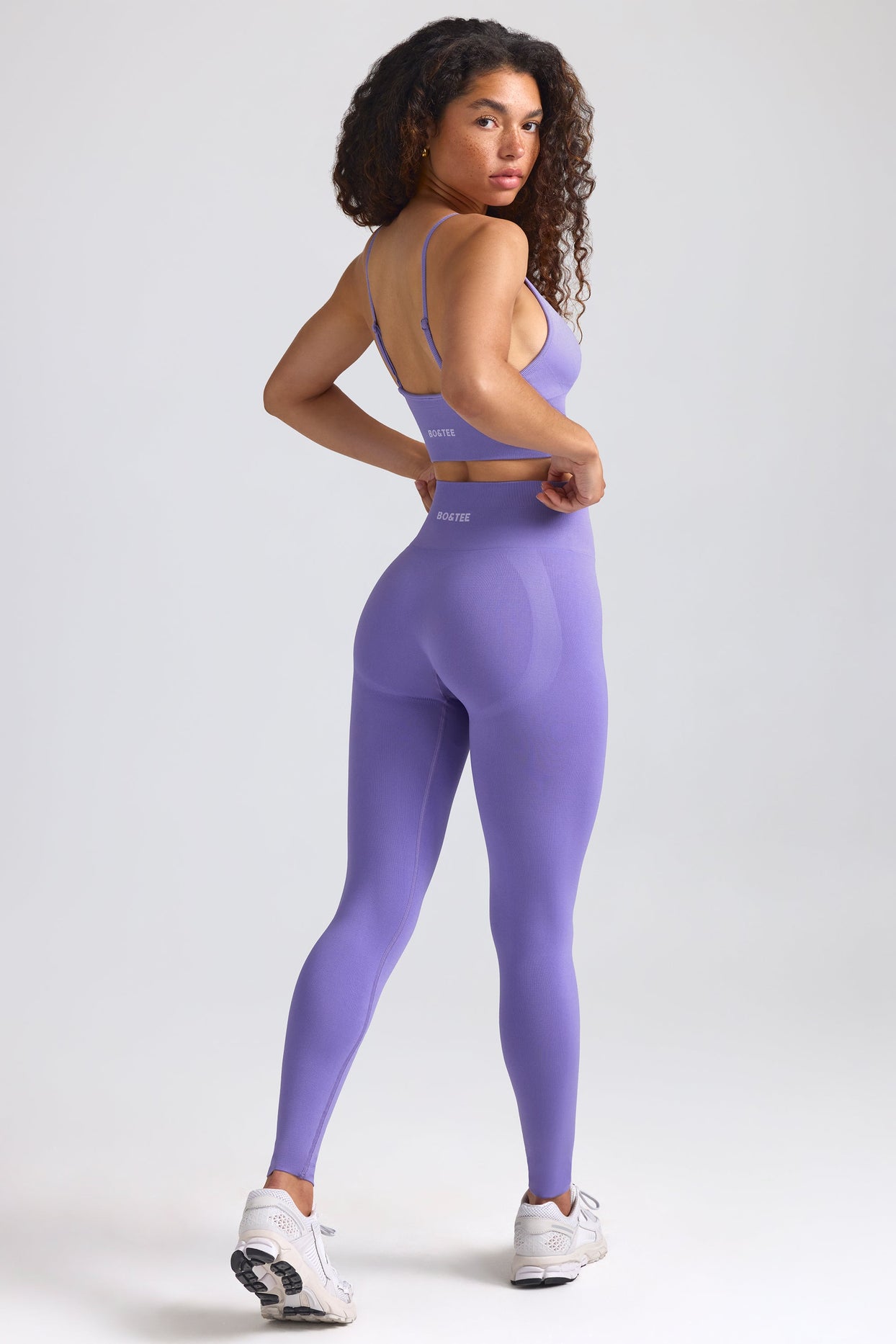
Leggings started as plain and simple garments. Designers added colors, prints, and textures later. High-waisted and ankle-length leggings became popular styles. Modern leggings balance comfort with fashion easily.
Impact Of Technology On Leggings
New technology improved fabric quality and durability. Breathable and moisture-wicking fabrics help keep skin dry. Seamless designs reduce irritation during long wear. These innovations make leggings suitable for various activities.

Credit: www.womensbest.com
Credit: compassbank.us
Frequently Asked Questions
What Is The Historical Origin Of The Word Leggings?
The word "leggings" originates from the 16th century, derived from "leg," referring to garments worn to cover the legs. Initially, leggings were protective leg coverings made of cloth or leather, used by soldiers and workers for warmth and protection.
How Did Leggings Evolve In Fashion History?
Leggings evolved from functional leg coverings to fashion items in the 20th century. They gained popularity in the 1960s and 1980s as stretchy, form-fitting pants, blending comfort with style for casual and athletic wear.
Why Are Leggings Called "leggings"?
Leggings are called so because they literally cover the legs. The term emphasizes their primary function as close-fitting leg coverings, differentiating them from other types of pants or tights.
When Did Leggings Become Popular In Modern Clothing?
Leggings became widely popular in the 1980s fitness craze. They were embraced for exercise and everyday wear due to their flexibility, comfort, and flattering fit on various body types.
Conclusion
The word "leggings" has a rich and interesting past. It started as clothing for men long ago. Over time, it changed and became popular for women too. Today, leggings are common and loved worldwide. Knowing where the word comes from makes wearing them more fun.
Words tell stories. They connect us to history. Keep exploring the origins of everyday words. It brings new meaning to what we wear and say.
