

What is the Meaning of Business Attire: Dress for Success
What Is The Meaning Of Business Attire
When you walk into an office, attend a meeting, or interview for a job, what you wear is often your first impression. Business attire is more than just clothes—it is a set of rules and expectations for how people dress in professional settings.
For many, understanding business attire can be confusing. What does it really mean? How is it different from casual wear? Why does it matter so much in the workplace? This article answers these questions in detail, explaining the meaning of business attire, its types, its importance, and how it changes across industries and cultures.
You’ll also see practical advice, real examples, and mistakes to avoid, so you can confidently dress for success.
Understanding Business Attire
Business attire is a style of clothing designed for professional environments. It signals respect, competence, and seriousness. The main goal is to look polished and ready for work, not to stand out or distract. Business attire is often required in offices, meetings, and formal events.
This style sets a clear boundary between work and personal life. When you wear business attire, you show that you are ready to focus, communicate, and represent your company. Clothes in this category are usually neat, modest, and well-fitted. They avoid loud colors, flashy accessories, or casual items like jeans or sneakers.
Why Business Attire Matters
Wearing the right clothes at work can affect how others see you. Studies show that appearance impacts perception: people tend to trust and respect those who look professional. For example, a survey by LinkedIn found that 75% of professionals believe dressing well helps them build credibility.
Business attire also helps set the tone for meetings, negotiations, and teamwork. It shows you understand company culture and rules. Employers often say that proper dress increases confidence and productivity.
The Roots Of Business Attire
Business attire has a long history. It evolved from formal dress codes in the past, when men wore suits and women wore tailored dresses. Over time, styles changed, but the idea stayed the same: dress to show professionalism.
Today, business attire includes several different styles, ranging from formal to more relaxed. The meaning can shift depending on the country, industry, or even the company.
Types Of Business Attire
Not all business attire is the same. There are different levels, each with its own rules. Understanding these types helps you choose the right clothes for every situation.
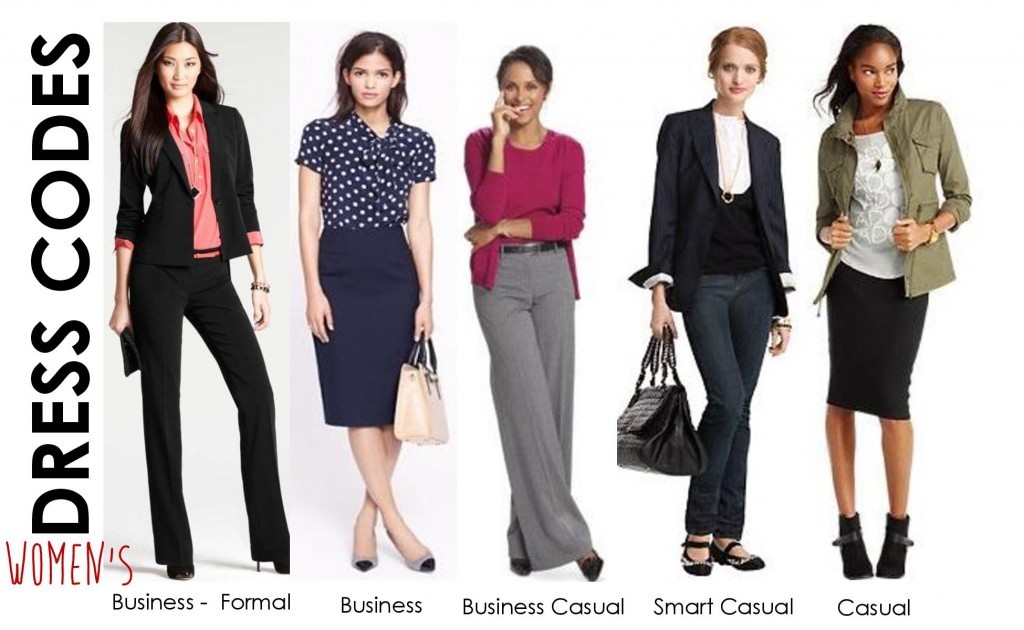
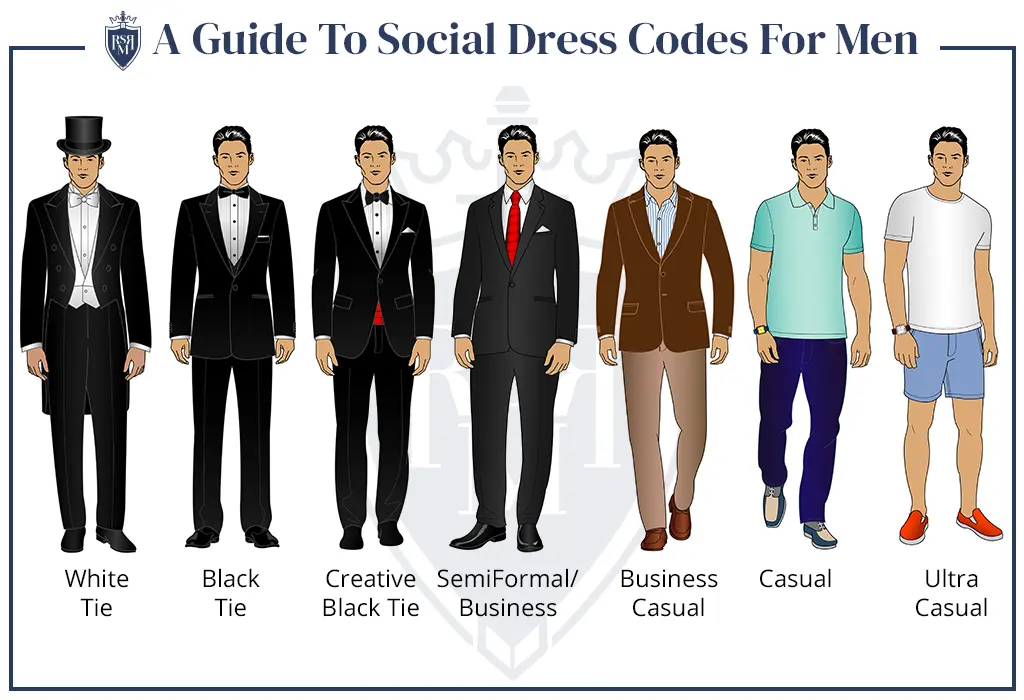
Formal Business Attire
This is the strictest form of business dress. You’ll find it in law offices, government jobs, or high-level meetings. The goal is to look very polished and traditional.
Men:
- Dark suit (navy, black, or gray)
- Dress shirt (white or light color)
- Tie
- Leather shoes
- Belt
- Minimal jewelry
Women:
- Tailored suit (pants or skirt)
- Blouse or conservative top
- Closed-toe shoes (heels or flats)
- Simple accessories
- Neutral makeup
Formal business attire avoids bright colors, patterns, or casual items. Every piece should be clean, pressed, and in good condition.
Business Professional
This style is common in offices, banking, consulting, and corporate settings. It is slightly less strict than formal, but still polished.
Men:
- Suit (may include lighter colors)
- Dress shirt (can include subtle patterns)
- Tie (optional in some companies)
- Dress shoes
Women:
- Suit or professional dress
- Blouse
- Conservative shoes
- Modest accessories
Business professional attire allows a bit more personality, but still expects neatness. For example, a blue suit or patterned blouse is acceptable, as long as it is not too bold.
Business Casual
Business casual is popular in tech companies, creative jobs, and modern offices. It balances comfort with professionalism.
Men:
- Dress pants or chinos
- Collared shirt (polo or button-down)
- Sweater or blazer (optional)
- Loafers or dress shoes
Women:
- Dress pants, skirt, or casual dress
- Blouse or sweater
- Flats, loafers, or low heels
- Light accessories
Business casual avoids jeans, t-shirts, sneakers, and shorts. It is more relaxed, but still avoids sloppy or overly casual clothing.
Smart Casual
Smart casual is even more relaxed, but still appropriate for some business settings. It combines stylish, comfortable clothes with a professional touch.
Men:
- Nice jeans or chinos
- Button-down shirt or polo
- Casual blazer (optional)
- Clean shoes
Women:
- Stylish pants or skirt
- Casual top
- Cardigan or blazer
- Simple shoes
Smart casual is often used for office parties, casual Fridays, or creative industry events. It lets you show some personality, but you must still look neat and put-together.
Comparison Table: Types Of Business Attire
Here’s a quick look at how these types compare:
| Type | Formality | Common Items | Typical Occasions |
|---|---|---|---|
| Formal Business | Very high | Dark suit, tie, dress shoes | Board meetings, court, high-level events |
| Business Professional | High | Suit, dress shirt, modest accessories | Corporate offices, interviews |
| Business Casual | Medium | Chinos, collared shirt, loafers | Modern workplaces, tech firms |
| Smart Casual | Low-medium | Jeans, stylish tops, clean shoes | Office parties, casual Fridays |
:max_bytes(150000):strip_icc()/what-is-business-casual-attire-2061168_final1-5b9ff978c9e77c0050d606aa.png)
Credit: igrs.itu.edu.tr
Elements Of Business Attire
Business attire is not just about the main clothes. Details matter. These elements help create a complete look:
Clothing Fit
Fit is crucial. Even expensive clothes look bad if they are too loose or tight. Good business attire is tailored to your body. Sleeves, pants, and jackets should not drag or bunch.
Color And Fabric
Business attire uses neutral colors like black, gray, navy, or beige. Fabrics are usually high quality, like cotton, wool, or blends. Avoid shiny, sheer, or cheap materials.
Accessories
Accessories are simple and elegant. Watches, belts, and jewelry should not distract. For women, scarves or modest earrings are fine. Men often wear cufflinks or a tie clip.
Shoes
Shoes should be clean and professional. Leather is common, but suede or canvas is not. Closed-toe shoes are preferred.
Grooming
Personal grooming is part of business attire. Hair should be tidy, nails clean, and makeup subtle. Perfume or cologne must be light.
Business Attire In Different Industries
What counts as business attire can change depending on where you work. The rules are not the same everywhere.
Corporate And Finance
In banking, law, and consulting, formal or business professional attire is the norm. Suits and ties are expected. Women wear tailored dresses or suits. Appearance is very important in these fields.
Technology And Startups
Tech companies often prefer business casual. Employees wear smart pants, sweaters, or polos. Ties and suits are rare. Comfort and creativity matter more than tradition.
Creative Industries
Advertising, design, and media jobs may allow smart casual. Unique styles and colors are accepted, as long as you look neat.
Healthcare
Doctors, nurses, and staff wear uniforms or business professional. Cleanliness and modesty are key. Lab coats, scrubs, and practical shoes are common.
Education
Teachers and professors wear business casual or professional. Comfort is important, but clothes must be tidy and respectful.
Comparison Table: Business Attire Across Industries
Let’s compare how industries approach business attire:
| Industry | Attire Style | Common Items | Special Notes |
|---|---|---|---|
| Finance | Formal/Professional | Suit, tie, dress shoes | Conservative colors, minimal accessories |
| Technology | Business Casual | Chinos, polos, loafers | Comfort and creativity valued |
| Creative | Smart Casual | Jeans, stylish tops, sneakers | Personality allowed, but neatness required |
| Healthcare | Professional/Uniform | Scrubs, lab coat, practical shoes | Cleanliness is essential |
| Education | Business Casual | Dress pants, blouses, flats | Comfort and respect for students |
Business Attire Vs. Other Dress Codes
Understanding business attire means knowing how it differs from other dress codes.
Business Attire Vs. Casual
Casual wear includes jeans, t-shirts, sneakers, or shorts. It is for weekends, home, or social events—not work. Business attire avoids these items.
Business Attire Vs. Semi-formal
Semi-formal is for weddings, dinners, or special events. It is dressy, but not strictly professional. Men may wear a suit without a tie. Women wear elegant dresses.
Business Attire Vs. Uniforms
Uniforms are specific to jobs (like police, nurses, or fast food workers). They show your role and are often required. Business attire is more flexible and shows professionalism.
Comparison Table: Business Attire And Other Dress Codes
Here’s a simple view of the differences:
| Dress Code | Purpose | Common Items | Formality |
|---|---|---|---|
| Business Attire | Professional work | Suit, dress pants, blouse | Medium to high |
| Casual | Social, home | Jeans, t-shirt, sneakers | Low |
| Semi-Formal | Events, parties | Dress, suit, elegant shoes | Medium |
| Uniform | Specific job | Defined by job | Varies |
Business Attire In Different Cultures
Culture changes how people dress for work. What is professional in one country may be too formal or too casual in another.
Western Countries
In the US and Europe, business attire is often formal or professional. Suits and ties are common. Women wear tailored dresses or pantsuits.
Asia
In Japan and China, business attire is very conservative. Dark suits, white shirts, and minimal accessories are expected. In India, traditional outfits (like sarees or salwar kameez) are sometimes accepted in business settings.
Middle East
Modesty is important. Men wear suits, but women may cover their hair and wear longer dresses. Bright colors are less common.
Africa
Traditional fabrics and patterns can be mixed with business attire. Modesty and neatness are important.
Adapting To Local Culture
If you work abroad or in a multicultural company, learn local dress codes. Ask colleagues or check company guidelines. Respecting cultural norms shows professionalism and respect.
Choosing The Right Business Attire
Picking the right business attire is about understanding your workplace and your role. Here are practical steps:
- Know the Dress Code: Ask HR or check the company handbook. Each company may have its own rules.
- Observe Colleagues: See what managers and staff wear. Follow their lead.
- Start Formal, Adjust Later: If you’re new, dress more formally. You can relax your style after you learn the culture.
- Check for Special Days: Some offices have casual Fridays or themed days. Adapt your clothes as needed.
- Keep Clothes Ready: Always have at least one complete business outfit in good condition.
Common Mistakes To Avoid
Many people make errors when dressing for work. Here’s what to watch out for:
- Wearing casual clothes when business attire is expected
- Choosing bright or flashy colors
- Ignoring grooming and cleanliness
- Wearing wrinkled or damaged clothes
- Over-accessorizing
- Wearing uncomfortable shoes
Non-obvious Insights
Most beginners miss two key points:
- Fit and tailoring matter more than brand. A cheap suit that fits well looks better than an expensive one that does not.
- Your environment changes fast. If the company changes its dress code, you must adapt quickly. Always keep up with trends and guidelines.
Business Attire For Interviews
Job interviews are your chance to impress. Always dress one step more formally than the company’s usual style.
- Research the company’s dress code before your interview.
- Choose neutral colors and avoid bold patterns.
- Make sure your clothes are clean, pressed, and fit well.
- Avoid heavy perfume or flashy accessories.
If you are unsure, a classic suit or a neat dress with a blazer is always safe.
Business Attire For Remote Work
Remote work has changed how people dress. Many meetings happen on video calls. Even at home, business attire can help set the right mood.
- Wear a professional top, even if you keep casual pants.
- Keep grooming standards high.
- Avoid distracting backgrounds or clothing.
- Dress as you would for an office meeting when attending virtual events.
Remote work gives more freedom, but showing respect through your dress is still important.
Business Attire For Special Events
Business attire is required for conferences, presentations, or networking events. Here are tips for special occasions:
- Dress more formally than usual.
- Choose comfortable shoes for standing or walking.
- Bring a spare shirt or blouse in case of spills.
- Keep a small kit with mints, comb, and lint roller.
Special events are a chance to meet new people. Proper business attire helps you make a strong impression.
Credit: gardner-webb.edu
The Psychology Of Business Attire
Clothes affect how you feel and perform. Wearing business attire can make you:
- Feel more confident
- Focus better
- Act more professionally
A study by Yale found that people who wore business clothes performed better in negotiations. The reason is simple: dressing well changes how you think and behave.
Sustainable And Ethical Business Attire
More companies now care about sustainability. You can choose business attire that respects the environment.
- Buy clothes made from organic or recycled fabrics.
- Choose brands with ethical labor practices.
- Take care of your clothes to make them last longer.
This not only helps the planet but also shows you care about values.
Credit: www.realmenrealstyle.com
Maintaining Business Attire
Good business attire lasts longer if you care for it. Here are practical tips:
- Hang suits and jackets after wearing.
- Wash shirts and blouses with care.
- Polish shoes regularly.
- Store accessories neatly.
- Repair small damages quickly.
Maintaining your clothes saves money and keeps you ready for any occasion.
Business Attire Trends
Business attire changes over time. Here are recent trends:
- More companies allow business casual or smart casual.
- Women’s business attire now includes pantsuits, jumpsuits, and comfortable shoes.
- Men skip ties in many offices.
- Bold colors and patterns are appearing in creative industries.
- Companies promote diversity in dress codes.
Always stay updated with your company’s policies and the industry’s trends.
Frequently Asked Questions
What Is Considered Business Attire?
Business attire means clothing that is neat, modest, and professional. It includes suits, dress pants, blouses, skirts, and conservative shoes. The exact style depends on the company and industry.
Can I Wear Business Attire In Casual Workplaces?
Yes, but it may look too formal. In casual workplaces, business casual or smart casual is better. If you are unsure, start with business attire and adjust as needed.
How Do I Know If My Business Attire Is Appropriate?
Check your company’s dress code or ask colleagues. Clothes should fit well, look clean, and not distract. Avoid bright colors or flashy accessories unless your industry allows them.
Is Business Attire Different For Men And Women?
Yes, but the main goal is the same: to look professional. Men usually wear suits, dress shirts, and ties. Women wear suits, dresses, blouses, and modest shoes. Both should avoid casual items.
How Can I Build A Business Attire Wardrobe On A Budget?
Start with basics: one suit, a few shirts or blouses, and simple shoes. Buy quality over quantity. Look for sales or secondhand stores. Make sure everything fits well.
Business attire is more than just clothing—it is a way to show respect, build confidence, and fit into your workplace. Understanding the meaning, types, and rules of business attire helps you succeed in any professional setting. With the right approach, you can dress for success every day. For more tips on professional dress codes, check out Wikipedia.
