

What is the Difference Between Activewear and Sportswear? Explained
What Is The Difference Between Activewear And Sportswear
Everywhere you look, people are wearing comfortable, stylish clothes that look like they belong in a gym or on a running track. But if you step into a clothing store or shop online, you will often see two terms: activewear and sportswear. They seem similar, but they are not the same. Many people, even fashion lovers and athletes, get confused by these words. Understanding the difference helps you buy the right clothes for your needs, stay comfortable, and look good, whether you are working out or going out for coffee.
Let’s explore the real meaning of activewear and sportswear, how they are used, the materials they use, and which one is right for different situations. You’ll also discover some unexpected insights about how the clothing industry uses these terms—and why you should care.
Defining Activewear And Sportswear
To really see the difference, it’s important to start with clear definitions.
What Is Activewear?
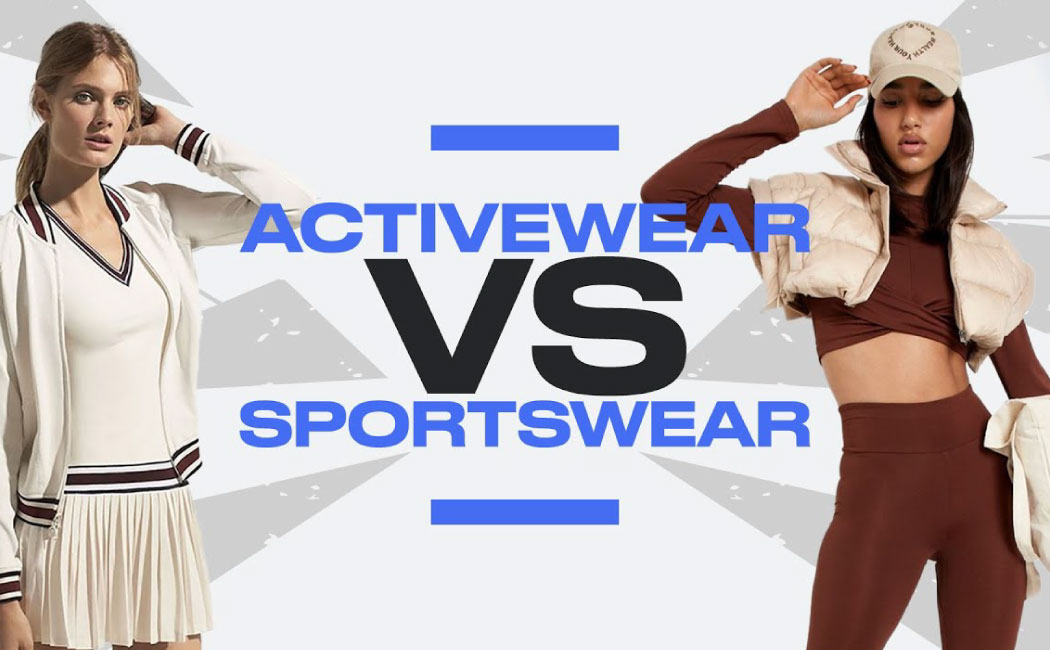
Activewear is clothing designed to be worn for both exercise and daily life. These clothes are made to be flexible, comfortable, and stylish. The idea is that you can wear them at the gym, but also when you go out for errands, meet friends, or relax at home.
A key feature of activewear is its versatility. For example, yoga pants, leggings, and hoodies are often considered activewear. You might wear them during a workout, but also pair them with other clothes for a casual look. Activewear focuses on blending function and fashion.
What Is Sportswear?
Sportswear is clothing designed specifically for sports or physical activity. The main goal is to help you perform better and stay safe during your chosen sport. This means sportswear is often tailored to the needs of a particular activity, such as running, soccer, basketball, or swimming.
For example, a soccer jersey, basketball shorts, or a swimsuit are all sportswear. These items are made for performance and usually follow rules or standards set by sports organizations. Sportswear is less about fashion and more about function, safety, and sport-specific design.
Key Differences Between Activewear And Sportswear
Even though the two terms are often used together, there are several important differences you should know.
| Feature | Activewear | Sportswear |
|---|---|---|
| Main Purpose | Exercise & daily wear | Specific sports or activities |
| Design Focus | Versatility, comfort, style | Performance, protection |
| Fashion Element | High | Low to moderate |
| Sport-Specific Features | Rare | Common (e.g., padding, moisture control) |
| Use Outside Exercise | Very common | Less common |
| Examples | Leggings, joggers, tank tops | Jerseys, shorts, swimsuits, cleats |

Credit: maezensports.com
Materials Used In Activewear And Sportswear
The choice of materials is a big clue to the difference between activewear and sportswear. Let’s look at what goes into making each type of clothing.
Common Materials In Activewear
Activewear focuses on comfort, stretch, and style. Popular materials include:
- Cotton blends: Soft and breathable, often mixed with spandex for stretch.
- Polyester: Lightweight, dries quickly, holds color well.
- Spandex/Lycra: Adds flexibility and a snug fit.
- Nylon: Smooth, durable, and resists moisture.
These fabrics are often combined to create clothes that move with your body and look good all day. Many activewear brands use new fabric technology to make clothes that resist odor and wick away sweat, but the main goal is all-day comfort and a fashionable look.
Common Materials In Sportswear
Sportswear uses high-performance materials chosen for specific sports. Some common examples:
- Moisture-wicking polyester: Pulls sweat away from the skin, keeps you dry.
- Mesh panels: Adds ventilation for cooling.
- Thicker nylon or polyester: For durability in contact sports.
- Elastane: For compression and support in sports like cycling or running.
- Special coatings: For water resistance or UV protection.
Sportswear materials are tested for performance and safety. For example, a soccer jersey is light and breathable, while a football uniform might have padding sewn in for protection.
The Overlap
Sometimes, the same material is used in both activewear and sportswear. For example, both might use polyester, but the finish, weight, and features are different. Sportswear usually has extra features to help with a specific sport, while activewear is designed to look good and feel comfortable in many situations.
Design And Style: More Than Just Looks
The way activewear and sportswear are designed shows a lot about their purpose.
Activewear: Style Meets Function
Activewear is made to be seen. Many people wear activewear as part of their everyday wardrobe. Here are some features:
- Trendy colors and prints
- Slim or relaxed fits
- Minimal logos
- Mix-and-match designs for layering
Activewear brands often follow current fashion trends. You’ll see items like cropped tops, patterned leggings, and stylish zip-up jackets. These clothes can easily be worn outside the gym, at the office, or when meeting friends.
Sportswear: Designed For Performance
Sportswear puts function first. The focus is on helping athletes perform better and stay comfortable during their chosen sport. Key design features include:
- Sport-specific fits (e.g., loose for basketball, tight for cycling)
- Team or club colors/logos
- Reinforced seams or padding
- Reflective elements for safety (e.g., for runners)
- Special pockets for gear or hydration
Fashion is less important in sportswear, but some sports brands have started adding more style elements. Still, the main goal is to support the athlete.
The Rise Of Athleisure
There’s a new trend where activewear and sportswear blend together, called athleisure. Athleisure is activewear that looks so good you can wear it almost anywhere. But remember, not all activewear is athleisure, and not all sportswear can be worn as casual clothes.
Functionality: When To Choose Each
Choosing between activewear and sportswear depends on your plans for the day.
When To Choose Activewear
- Light exercise: Yoga, pilates, walking, stretching.
- Travel and errands: Comfortable for long periods.
- Casual outings: Meeting friends, shopping, or lounging.
- Layering: Mix with regular clothes for a stylish look.
Activewear is best when you want comfort, flexibility, and style all day.
When To Choose Sportswear
- Specific sports: Running, swimming, soccer, tennis, basketball.
- Intense workouts: High-intensity training, competitive sports.
- Outdoor activities: Hiking, cycling, climbing.
- Safety needs: Contact sports, night running (reflective gear).
Sportswear is designed to improve performance, provide protection, and meet the rules of certain sports.
Surprising Mistakes Beginners Make
Many people buy activewear for tough sports, thinking it will perform just as well as sportswear. But activewear may lack features like moisture control, compression, or padding. This can lead to discomfort, lower performance, or even injury.
On the other side, wearing sportswear for everyday tasks can look out of place and feel uncomfortable. Sportswear is often tight, heavy, or made for short use during activity—not for sitting at a desk or socializing.
Examples: What Belongs Where?
Let’s look at some common clothing items and see where they fit.
| Item | Activewear? | Sportswear? | Notes |
|---|---|---|---|
| Yoga Pants | Yes | No | Great for exercise and daily wear |
| Soccer Jersey | No | Yes | Made for sport, not casual wear |
| Tank Top | Yes | Sometimes | Depends on material/design |
| Compression Shorts | No | Yes | Designed for support in sports |
| Joggers | Yes | No | Casual, comfortable |
| Running Shoes | Sometimes | Yes | Best used for exercise, but some designs are casual |
| Basketball Shorts | No | Yes | Made for basketball, not daily wear |
How Brands And Stores Use These Terms
If you have ever shopped for exercise clothes, you know that brands often mix up the terms activewear and sportswear. This can make shopping confusing. Here is what brands usually mean:
- Activewear: The latest styles, designed for fitness and daily life. Often marketed to people who want both comfort and fashion. You’ll see many colors, patterns, and options for layering.
- Sportswear: Gear for serious athletes or for people who play specific sports. Often found in the “performance” or “training” section of a store. Usually has more technical details and less focus on style.
Some brands blur the line on purpose, using the popularity of activewear to sell more products. This trend is part of the athleisure boom. But if you look closely at the tags, materials, and design, you can spot the difference.
Cultural And Social Impact
Activewear and sportswear are not just about exercise—they say something about lifestyle and culture.
Activewear As Fashion
Activewear has become a symbol of the healthy, modern lifestyle. People wear activewear everywhere, even if they are not going to exercise. This trend started in big cities but is now common worldwide.
For many, wearing activewear is about showing that they care about their health and comfort. Social media influencers and celebrities often wear stylish leggings or hoodies, making them even more popular.
Sportswear As Identity
Sportswear connects people to a sport, a team, or a club. Fans wear their team’s jersey to show support. Athletes wear sportswear to feel part of a group. Even the colors and designs can say something about identity and pride.
The Gender Angle
In the past, sportswear was often designed for men, and activewear for women. Now, brands make both types for everyone. Still, the fashion side of activewear is more popular with women, while sportswear keeps a focus on performance.
Practical Buying Guide: How To Choose What’s Right For You
With so many choices, how do you pick the right clothes for your needs? Here are some tips:
- Think about your main activity. If you mostly walk, do yoga, or want comfort, activewear is a smart choice. For running, team sports, or intense exercise, look for real sportswear.
- Check the fabric. For daily wear, pick something soft and stretchy. For sports, look for moisture control, compression, or protective features.
- Look at the design. For style, choose trendy colors and cuts. For sports, check for features like pockets, ventilation, or reflective stripes.
- Consider the fit. Activewear is usually more relaxed. Sportswear may be tighter or specially cut for certain moves.
- Don’t be fooled by price. Expensive does not always mean better for your needs. Some activewear brands focus on style, not performance.
- Try before you buy. Move around in the clothes. Stretch, bend, and see if they stay comfortable.
- Read reviews. Other buyers can tell you if the item is good for sports or just for style.
- Avoid mixing up uses. Don’t wear lightweight leggings for tough outdoor sports. Don’t wear padded shorts to the office.
Two Insights Beginners Usually Miss
- Seams and Stitching Matter: In sportswear, special seams (like flatlock) prevent chafing during intense movements. Many activewear items skip this, so they feel fine at first but can irritate skin during long workouts.
- Wash and Care Differences: Sportswear often needs special washing (cold water, no softener) to keep technical features working. Activewear is usually easier to care for, but check the label.
Environmental Impact: What’s Better For The Planet?
More people want eco-friendly clothes. Both activewear and sportswear use synthetic materials, but there are some differences.
- Activewear: Many brands use recycled polyester or organic cotton. Some new fabrics are made from bamboo or eucalyptus.
- Sportswear: Top sports brands are starting to use recycled materials, but performance needs can limit options. For example, waterproof or highly elastic fabrics are harder to make eco-friendly.
If you care about the environment, check for labels like “recycled” or “eco-friendly. ” Remember, buying fewer, better-made clothes is often the best choice.

Credit: megasportsapparel.com
Common Misunderstandings
Even experienced buyers sometimes get confused by these terms. Here are some myths:
- Myth: All stretchy clothes are activewear. Some sportswear, like compression gear, is also stretchy but made for a specific sport.
- Myth: Sportswear is always better for exercise. For light activities, sportswear can be overkill and less comfortable.
- Myth: Activewear lasts longer. Sportswear is usually tested for tough conditions, while activewear focuses on style. Durability depends on use.
The Future: Where Are These Trends Going?
The line between activewear and sportswear is getting thinner. Brands are making clothes that perform well and look good. New technology allows for smart fabrics that track your heart rate or change temperature. People want clothes that work for both exercise and daily life.
But the main difference stays the same: activewear is for lifestyle and comfort, while sportswear is for performance and sport-specific needs.
If you want to learn more about the science of sportswear materials and performance, you can visit this Wikipedia article on sportswear.
Credit: megasportsapparel.com
Frequently Asked Questions
What Is The Main Difference Between Activewear And Sportswear?
Activewear is made for both exercise and daily life, focusing on comfort and style. Sportswear is designed for specific sports or activities, with features to help performance and protect the athlete.
Can I Wear Activewear For Sports?
You can wear activewear for light activities like yoga or walking, but for serious sports or intense workouts, sportswear is a better choice because it offers features like moisture control, compression, or padding.
Is Sportswear Suitable For Everyday Wear?
Sportswear is usually made for performance, so it might not be comfortable or stylish for daily life. Some sportswear items, like simple T-shirts, can be used casually, but most are best kept for exercise.
How Do I Know If A Clothing Item Is Activewear Or Sportswear?
Look at the design, fabric, and purpose. If it’s trendy, comfortable, and for all-day wear, it’s likely activewear. If it has features for a specific sport (like padding, team colors, or technical fabrics), it’s sportswear.
Why Are Activewear And Sportswear Often Confused?
The two terms are used together in marketing, and many brands make clothes that blend both styles. Also, some clothes look similar at first glance but have different features inside, making it easy to mix them up.
Choosing the right clothing can make a big difference in your comfort, performance, and style. Now that you know the real difference between activewear and sportswear, you’ll be better prepared the next time you shop—or the next time you break a sweat.
