

What is the 80/20 Rule for Running? Boost Speed & Endurance Fast
Have you ever wondered why some runners seem to improve faster and avoid burnout? The secret often lies in how they train, not just how much.
The 80/20 rule for running is a simple but powerful approach that can transform your workouts and help you run smarter. By understanding and applying this rule, you can boost your endurance, speed up recovery, and enjoy running more than ever before.
Keep reading to discover exactly what the 80/20 rule is and how it can change the way you run for the better.

Credit: www.amazon.com
Basics Of The 80/20 Rule
The 80/20 Rule is a simple but powerful idea for runners. It helps balance training to get better results without too much effort. The rule says that 80% of your running should be easy and relaxed. The other 20% should be harder and more intense. This balance helps your body improve safely and stay strong.
This rule is easy to follow. It prevents burnout and injury. Many runners find it helps them run faster and longer over time. Understanding the basics of the 80/20 Rule makes training smarter and more effective.
Origins Of The 80/20 Principle
The 80/20 Principle started as a business idea. It showed that 80% of results come from 20% of efforts. Later, scientists studied it in sports. They found it works well for endurance athletes. The idea spread to running because it fits training needs. Coaches and runners began using it to plan workouts.
Applying 80/20 To Running
Applying this rule means running mostly at a slow pace. This is the 80% easy running. It feels comfortable and lets your body recover. The other 20% is faster running. This includes sprints, hills, or tempo runs. These hard sessions build speed and strength. Mixing these two types creates a strong training plan.
Why It Works
This method works because it balances stress and rest. Easy runs build endurance without tiring you out. Hard runs push your limits and improve fitness. Too much hard running can cause injuries. Too little slows progress. The 80/20 Rule finds the right mix for steady improvement.
Benefits For Runners
The 80/20 rule offers many benefits for runners. It balances easy runs with harder efforts. This balance improves overall running performance. It helps runners stay healthy and enjoy training more.
Following this rule can make a big difference in speed, endurance, and injury prevention. These benefits help runners improve steadily without feeling burned out.
Improved Speed
Running harder only 20% of the time lets you recover well. This recovery helps muscles grow stronger. Stronger muscles mean faster running over time. Sprinting or fast intervals become more effective. Your body adapts better to speed work.
Enhanced Endurance
Running easy 80% of the time builds a strong aerobic base. This base lets you run longer without getting tired. Easy runs increase stamina by improving how your body uses oxygen. You can run farther with less effort. Endurance grows steadily and safely.
Reduced Injury Risk
Most injuries happen from running too hard too often. Easy running reduces stress on joints and muscles. This lower stress helps your body heal and stay strong. The 80/20 rule cuts down overtraining risks. It keeps you running consistently without breaks from injury.
Implementing The 80/20 Rule
Implementing the 80/20 rule in running helps balance effort and recovery. It improves endurance and reduces injury risk. This method divides your training into mostly easy runs and fewer hard sessions. Here is how to apply it effectively.
Identifying Easy Vs. Hard Efforts
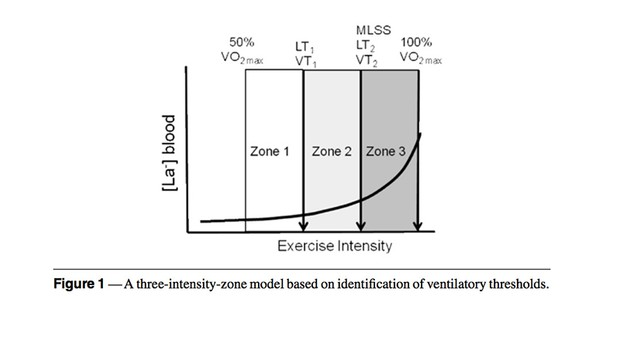
Easy efforts should feel comfortable and relaxed. You can talk without gasping for air. Hard efforts push your limits and feel challenging. These include sprints, intervals, or tough hill runs. Knowing this difference guides your training balance.
Structuring Weekly Workouts
Plan most runs at an easy pace. Around 80% of your weekly mileage goes here. The remaining 20% includes harder workouts. Spread hard sessions across the week to avoid burnout. This setup builds strength while allowing recovery.
Tracking Intensity Levels
Use a heart rate monitor or perceived effort scale. Track how hard your runs feel to stay in the right zones. Keeping records helps adjust your plan and maintain the 80/20 balance. Consistent tracking leads to better results over time.
Common Mistakes To Avoid
Many runners try the 80/20 rule but make common mistakes. These errors can reduce benefits or cause injury. Understanding what to avoid helps you train smarter and stay healthy.
Overtraining Hard Efforts
Some runners do too many hard workouts. This can lead to fatigue and injury. The 80/20 rule means 20% hard, 80% easy. Stick to this balance for better results.
Neglecting Recovery Runs
Easy runs are often skipped or done too fast. Recovery runs help muscles heal and build endurance. Keep these runs slow and relaxed. They are as important as hard efforts.
Ignoring Individual Differences
Every runner is different. What works for one may not work for another. Listen to your body and adjust the 80/20 rule. Personalize your training for best progress.
Advanced Tips For Experienced Runners
Experienced runners know the 80/20 rule helps balance easy and hard workouts. This rule means running 80% of your miles at an easy pace. The other 20% should be faster or more intense. Advanced runners can tweak this rule to reach new goals.
Small changes make big differences in training. Adjusting the ratio, mixing in cross-training, and planning your training in cycles can boost your running. These tips help you stay strong and avoid injury. They also keep your runs fresh and exciting.
Adjusting Ratios For Goals
The 80/20 rule is a guide, not a strict law. For speed or race goals, try shifting the ratio. Increase hard runs to 25% or 30% if building speed. Reduce easy runs but keep them to help recovery. For endurance goals, keep most runs easy, around 85% to 90%. This helps build stamina without burnout.
Integrating Cross-training
Cross-training supports running by working different muscles. Cycling, swimming, or strength training improve fitness and reduce injury risk. Replace one or two easy runs with cross-training weekly. Choose low-impact activities to give your joints a break. Cross-training also helps with mental freshness.
Periodizing Training Cycles
Periodizing means breaking training into phases. Each phase has a different focus, like building base, increasing speed, or tapering. Use the 80/20 rule in each phase but adjust intensity and volume. For example, increase easy runs in the base phase. Add more hard runs in the speed phase. This plan helps peak at the right time for races.

Credit: www.womensrunning.co.uk
Credit: lukehumphreyrunning.com
Frequently Asked Questions
What Is The 80/20 Rule In Running?
The 80/20 rule means running 80% of your miles at a low intensity. The remaining 20% is high-intensity training. This approach balances endurance and speed, reducing injury risk and improving overall performance.
How Does The 80/20 Rule Improve Running Performance?
It optimizes training by focusing on easy runs for recovery and hard runs for strength. This mix enhances aerobic capacity, speed, and endurance without overtraining or burnout.
Who Can Benefit From The 80/20 Running Method?
Beginners to elite runners can use it. It suits anyone wanting to improve endurance safely and effectively while minimizing injury risk.
Can The 80/20 Rule Reduce Running Injuries?
Yes, by limiting high-intensity training to 20%, it reduces strain and fatigue. Most training is easy-paced, which helps prevent overuse injuries.
Conclusion
The 80/20 rule helps runners train smart and avoid burnout. Running easy most of the time builds a strong base. Hard workouts improve speed and strength without risking injury. Balance between easy and hard runs leads to steady progress. Stick to this rule for better results and less stress.
Enjoy running more and stay motivated with simple, clear goals. The 80/20 rule makes training easier to follow and more fun. Give it a try, and watch your running improve naturally.
