

What is Smart Casual Clothes Men: Essential Style Guide
What Is Smart Casual Clothes Men
Finding the right balance between formal and relaxed is a challenge many men face, especially when dressing for events that call for smart casual clothes. This style is everywhere today—from office meetings and dinner dates to family gatherings and creative workplaces.
But what does “smart casual” actually mean for men? It’s more than just mixing jeans with a blazer. It’s about looking sharp, feeling comfortable, and showing you understand the occasion.
Smart casual can feel confusing because there isn’t a fixed rulebook. Some think it’s just “dressy jeans and a shirt. ” Others believe it’s “no tie, but still a jacket. ” The reality is, smart casual offers freedom, but you need to know the rules to get it right.
This guide explores what smart casual means for men, how to build a versatile wardrobe, and tips to look confident every time you step out. By the end, you’ll know exactly how to dress smart casual—and make it work for you.
Understanding Smart Casual For Men
Smart casual is a dress code that blends elegant style with relaxed comfort. It’s less stiff than business wear, but more polished than streetwear or athletic outfits. Imagine looking ready for a meeting, but still able to join friends at a café afterward.
The key to smart casual is balance. You want clothes that fit well and look clean, but aren’t too formal. Think of a sharp shirt with chinos, or a blazer over a simple T-shirt. Shoes matter too—trainers are risky, while loafers or clean sneakers can work.
Smart casual is popular because it’s flexible. You can adjust it for different occasions, weather, or even your mood. But, there are some basics every man should follow to avoid looking sloppy or out of place.
Core Elements Of Smart Casual For Men
Building a smart casual wardrobe starts with choosing the right pieces. Here are the essentials:
- Shirts: Button-down shirts (plain, checked, or striped), polo shirts, and high-quality T-shirts are all smart casual favorites. Avoid shirts with big logos or wild prints.
- Trousers: Chinos, dress pants, and dark jeans (without rips or fading) are ideal. Baggy or distressed jeans don’t fit the smart casual look.
- Jackets: A well-fitted blazer or sports jacket adds instant polish. Unstructured jackets or even a cardigan can also work.
- Shoes: Loafers, brogues, Chelsea boots, or clean minimalist sneakers are best. Avoid running shoes, flip-flops, or heavily worn footwear.
- Accessories: A classic leather belt, a simple watch, and neat socks complete the outfit. Pocket squares or scarves can add style, but keep them subtle.
Typical Smart Casual Outfits
Here are a few smart casual outfit ideas:
- Navy blazer, white button-down, khaki chinos, brown loafers
- Grey cardigan, blue oxford shirt, black jeans, white sneakers
- Polo shirt, olive chinos, suede Chelsea boots
Notice how each look mixes formal pieces with relaxed ones. This is the heart of smart casual.
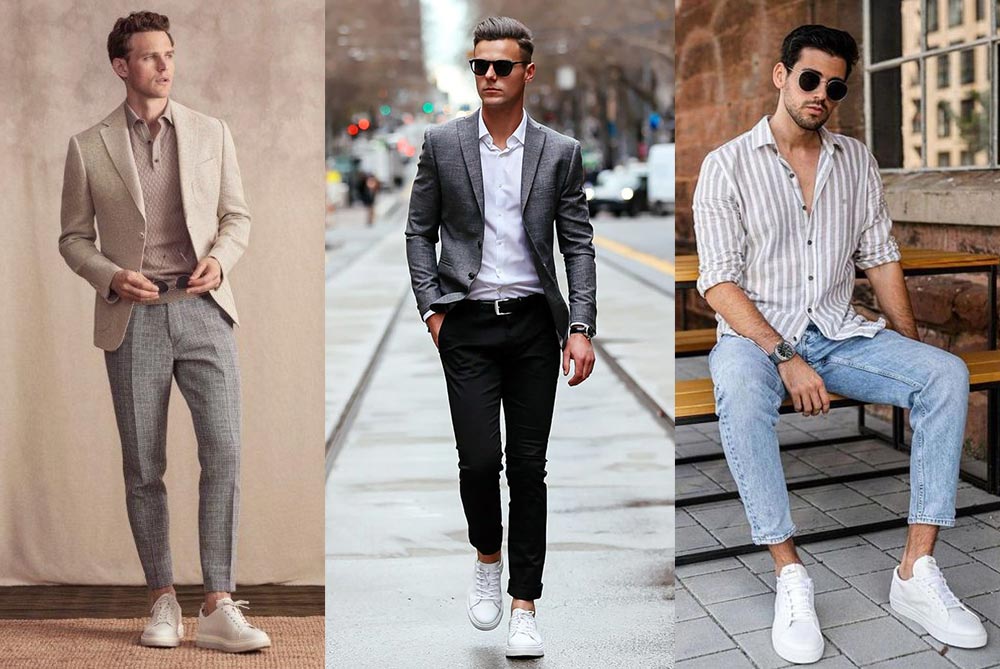
Credit: gmsservices.in
The Difference: Smart Casual Vs. Other Dress Codes
Understanding what smart casual is not will help you avoid mistakes. Here’s a side-by-side comparison:
| Dress Code | Key Features | What to Avoid |
|---|---|---|
| Smart Casual | Blazers, chinos, neat shirts, clean sneakers or loafers | Sportswear, ripped jeans, graphic tees |
| Business Casual | Dress pants, button-down shirt, often a blazer, leather shoes | T-shirts, jeans, sneakers |
| Casual | T-shirts, jeans, sneakers, casual shorts | Blazers, dress shoes |
| Formal | Suit, tie, dress shoes, pressed shirt | Jeans, polos, sneakers |
A common mistake is confusing smart casual with business casual. Business casual is usually more formal, often worn in traditional offices. Smart casual is more creative, allowing for personal touches and comfort.
How To Build A Smart Casual Wardrobe
Creating a smart casual wardrobe doesn’t mean you need dozens of new clothes. It’s about selecting versatile items that can be mixed in many ways.
Start With The Basics
- Neutral shirts: White, light blue, and soft pastels work well.
- Two or three pairs of chinos: Navy, beige, and olive are versatile.
- A navy or gray blazer: Works with most shirts and trousers.
- Dark jeans: Not too skinny or baggy.
- Brown or black leather shoes: Loafers or brogues are ideal.
- Minimalist sneakers: White or black, with no flashy logos.
Add Layering Options
Layering makes your wardrobe more useful. A cardigan, lightweight sweater, or bomber jacket gives you more combinations for different seasons.
Accessorize Wisely
Choose a simple leather belt, an understated watch, and perhaps a pocket square for special occasions. Don’t overdo accessories—one or two is enough.
Example: Capsule Smart Casual Wardrobe
Here’s how a small set of items can create many outfits:
| Item | Type | Color |
|---|---|---|
| Button-down shirt | Cotton | White |
| Polo shirt | Piqué | Navy |
| Chinos | Cotton | Beige |
| Jeans | Denim | Dark blue |
| Blazer | Unstructured | Gray |
| Loafers | Leather | Brown |
| Sneakers | Canvas | White |
With just these pieces, you can create outfits for both work and social events.
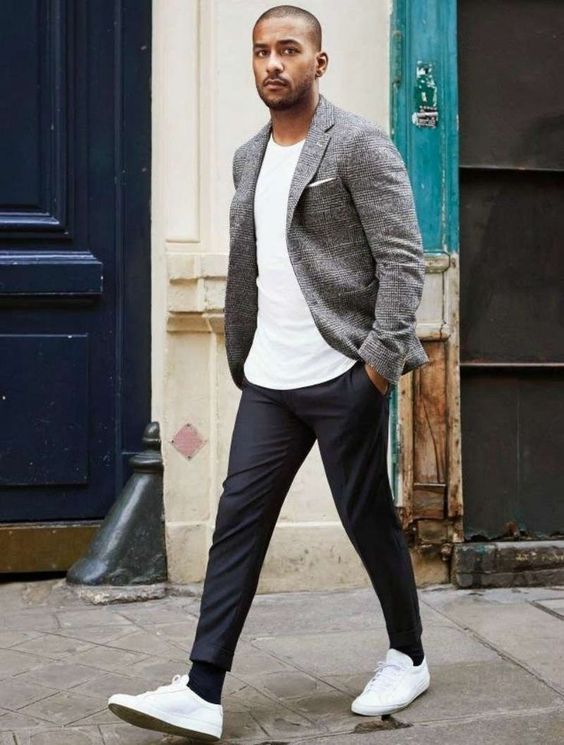
Credit: nilds.gov.ng
How To Wear Smart Casual For Different Occasions
Smart casual is versatile, but the right outfit depends on where you’re going. Here’s how to adapt your look:
Smart Casual At Work
Many modern offices prefer smart casual. Wear a button-down shirt with chinos and add a blazer for meetings. Clean sneakers are fine in creative industries, but stick to loafers or derbies in more traditional settings.
Dinner Dates Or Social Events
Here, you can relax a little. Try a crisp polo shirt with dark jeans and suede boots. A lightweight sweater can add style and keep you warm.
Weddings And Special Occasions
If the invitation says “smart casual,” play it safe with a blazer, dress shirt, and chinos. Add a pocket square or tie if you want to look extra sharp.
Travel And Leisure
Smart casual is perfect for travel. Comfortable trousers, a soft shirt, and a cardigan keep you looking good and feeling relaxed.
Common Mistakes Men Make With Smart Casual
Even with the best clothes, mistakes can ruin your look. Here are pitfalls to avoid:
- Wearing clothes that don’t fit: Baggy shirts or tight pants look sloppy, not smart. Tailoring makes a big difference.
- Mixing too many colors or patterns: Keep it simple. Choose one patterned piece and balance with neutrals.
- Choosing the wrong shoes: Old sneakers, sandals, or bulky boots don’t work. Stick to clean, polished options.
- Ignoring grooming: Wrinkled clothes, messy hair, or dirty shoes ruin any outfit.
- Over-accessorizing: Too many bracelets, rings, or loud belts distract from a smart look.
One non-obvious insight: many men forget to check the dress code for the venue or event. Always confirm before choosing your outfit—some “smart casual” events lean more formal, others more relaxed.
The Importance Of Fit And Fabric
Smart casual is not just about what you wear, but how it fits and feels. Well-fitted clothes make even simple outfits look expensive. Here’s what to watch for:
- Shirts: Should fit shoulders perfectly, sleeves end at your wrist bone, and no ballooning at the waist.
- Trousers: Waist should sit comfortably, with no sagging or tightness. Length should just touch your shoes.
- Jackets: Should hug your shoulders, not restrict movement, and end around your wrist bone.
Fabric also matters. Choose natural materials like cotton, linen, and wool for comfort and breathability. Avoid shiny or synthetic fabrics, which can look cheap or unprofessional.
A practical tip: if you’re unsure, try on clothes and move around. Sit, stand, and raise your arms. The right fit lets you move easily and still look sharp.
Smart Casual In Different Climates
Climate affects your smart casual choices. Hot weather calls for lighter fabrics, while cold weather means layering.
Warm Weather
- Lightweight shirts: Linen or cotton help you stay cool.
- Chinos or light jeans: Avoid heavy fabrics.
- Loafers or canvas sneakers: No socks, or invisible socks for comfort.
- Unstructured blazers: No lining, for breathability.
Cold Weather
- Layer: Start with a shirt, add a sweater or cardigan, and top with a wool blazer.
- Heavier trousers: Flannel or heavier cotton.
- Chelsea boots or brogues: Keep feet warm and stylish.
- Scarves and gloves: Choose classic colors.
Don’t forget about rain or snow—waterproof shoes and a stylish umbrella can protect your look.
How To Add Personality To Smart Casual
Smart casual doesn’t mean you have to dress boring. There are ways to show personality without breaking the rules:
- Try different textures: Mix smooth cotton shirts with a wool blazer or suede shoes.
- Play with color: Add a pop of color through socks, a pocket square, or a bright polo.
- Patterned shirts or trousers: Subtle stripes, checks, or houndstooth add interest, but don’t mix too many at once.
- Unique accessories: A special watch, leather bracelet, or tasteful lapel pin can stand out.
But remember, less is more. Add one interesting piece, not five, to keep the look smart.
Smart Casual For Different Body Types
Every man has a different body shape. The right smart casual clothes can help you look your best.
Slim Build
- Layering helps: Add bulk with sweaters or jackets.
- Avoid skinny jeans: Straight or slim-fit looks better.
- Patterns add size: Try checks or horizontal stripes.
Athletic Build
- Choose fitted shirts: Show your shape without being too tight.
- Mid-rise trousers: Balance broad shoulders with straight-leg pants.
- Avoid oversized jackets: They can make you look boxy.
Larger Build
- Dark colors are slimming: Navy, charcoal, and black work well.
- Vertical stripes: Make you look taller and slimmer.
- Avoid baggy clothes: Tailored pieces are more flattering.
A non-obvious tip: high-rise trousers can help balance your shape and keep shirts tucked in.

Credit: www.fashionbeans.com
How To Shop For Smart Casual Clothes
Shopping for smart casual can feel overwhelming. Here’s how to make it easier:
- Know your measurements: Shoulders, chest, waist, inseam, and shoe size.
- Try on before buying: Fit is more important than the brand.
- Buy versatile pieces: Choose clothes that work for both work and weekends.
- Invest in quality: It’s better to have a few good pieces than many cheap ones.
- Check care instructions: Some fabrics need dry cleaning, others can be washed at home.
A smart move is to shop during sales or off-season. You can find high-quality items at lower prices.
The Role Of Smart Casual In Modern Life
Smart casual is more than a dress code—it’s a way to show respect for yourself and others. It helps you feel confident at work, on dates, or at social events. Many companies now prefer smart casual over formal wear, making it a crucial style for modern men.
Data shows that people who dress well are seen as more competent and trustworthy. A survey by the Center for Talent Innovation found that 74% of professionals believe appearance affects how colleagues perceive competence. Smart casual lets you look your best without feeling overdressed or stiff.
Smart casual also adapts well to the changing world. As more people work from home or in flexible offices, the need for comfortable but stylish clothes grows. Learning to master smart casual now will help you in many areas of life.
Caring For Smart Casual Clothes
Good care keeps your smart casual wardrobe looking fresh and lasting longer.
- Wash carefully: Follow the label instructions. Over-washing can fade colors and damage fabrics.
- Iron or steam: Wrinkled shirts or trousers look messy. A quick iron or steamer makes a big difference.
- Store properly: Use hangers for shirts and jackets. Fold trousers to prevent creases.
- Polish shoes: Clean and polish leather shoes regularly. Wash sneakers to keep them bright.
- Repair quickly: Fix loose buttons or small tears before they get worse.
A little care saves money and keeps you looking sharp.
Real-world Examples: Smart Casual In Action
Seeing smart casual in real-life situations can help you understand how to apply it.
Example 1: Creative Office
Alex works at a tech company. He wears a navy blazer, white oxford shirt, dark jeans, and brown loafers. He skips the tie but adds a silver watch. His look is relaxed but professional—perfect for meetings and brainstorming sessions.
Example 2: Dinner With Friends
David goes to a trendy restaurant. He chooses a gray cardigan, slim-fit black jeans, a light blue shirt, and clean white sneakers. He adds a leather bracelet for personality. The outfit is comfortable for dining but stylish enough for drinks afterward.
Example 3: Weekend Event
Sam attends a casual wedding. He wears a beige sports jacket, pale green shirt, navy chinos, and suede Chelsea boots. A pocket square adds a touch of color. He looks dressed up but not overdressed, fitting the occasion perfectly.
These examples show how smart casual is flexible and easy to personalize for different settings.
Smart Casual: Cultural And Regional Differences
Smart casual can look different depending on where you are. In some countries, jeans are fine for smart casual. In others, they’re too informal. Southern Europe, for example, prefers lighter colors and more fitted clothes. In the US and UK, darker colors and layers are common.
Weather also matters. Hot countries favor linen shirts and loafers. Colder places lean toward sweaters, wool blazers, and boots.
If you travel or move often, pay attention to local styles. When in doubt, ask or observe what others are wearing. It’s better to be slightly overdressed than underdressed.
When To Choose Smart Casual
Smart casual is a good choice for:
- Office environments with no strict dress code
- Dinner dates or social gatherings
- Networking events or conferences
- Art galleries, theater, or cultural events
- Travel or business trips
It’s not right for:
- Black tie or formal weddings
- Sports events or gym
- Very relaxed beach or pool parties
If you’re ever unsure, ask the host or check the venue’s website. Many places offer dress code advice.
Combining Smart Casual With Your Personal Style
Smart casual is a starting point, not a strict rule. Once you know the basics, adapt them to your taste.
- Prefer sporty looks? Pair a blazer with stylish sneakers.
- Like vintage style? Try a tweed jacket or classic loafers.
- Enjoy bold colors? Add a bright shirt under a neutral jacket.
Confidence is key. Wear what makes you feel good, but always keep the setting in mind.
Frequently Asked Questions
What Are The Best Shoes For Smart Casual Men?
The best choices are loafers, brogues, Chelsea boots, and clean minimalist sneakers. Choose leather or suede for a polished look. Avoid running shoes or sandals—they’re too casual for smart casual outfits.
Can You Wear Jeans For Smart Casual?
Yes, but choose dark, slim or straight-fit jeans with no rips or heavy fading. Pair them with a crisp shirt and a blazer or smart sweater to keep the look elevated.
Is A Polo Shirt Smart Casual?
A polo shirt is a great smart casual option, especially in good condition and a solid color. Wear it with chinos or tailored trousers for an easy, stylish outfit.
Can You Wear T-shirts For Smart Casual?
You can wear a plain, high-quality T-shirt under a blazer or jacket. Avoid loud prints, logos, or baggy styles. T-shirts work best for creative or relaxed smart casual settings.
Where Can I Find More Tips On Smart Casual Style?
You can find more advice and examples from trusted sources like the GQ Style Guide for men.
Smart casual is the dress code that gives you confidence and comfort. With the right pieces and a few smart choices, you’ll always look ready for any occasion. Start with the basics, care for your clothes, and don’t be afraid to show your personality.
When you master smart casual, you’re prepared for almost anything modern life brings.
