

What is Smart Casual Attire Men: A Stylish Guide for Modern Guys
What Is Smart Casual Attire Men
Smart casual. These two words confuse many men. You may have seen them on invitations, in workplace dress codes, or at social events. But what does smart casual really mean for men? The answer is more than “wear a jacket and nice shoes.
” Smart casual is about balance. It combines the polish of formal wear with the comfort of casual clothes. It helps you look sharp without feeling stiff or overdressed.
Let’s break down smart casual attire for men. We’ll look at what it is, what it isn’t, how to build your wardrobe, and how to dress smart casual for different occasions. Whether you are a student, a young professional, or someone who wants to upgrade your style, this guide will help you master smart casual with confidence.
Understanding Smart Casual: The Basics
Smart casual is a mix of formal and informal styles. It’s a step above regular casual, but not as strict as business wear. The goal is to look tidy, stylish, and comfortable. You might see smart casual as a bridge between a suit and jeans.
Many men get confused because smart casual isn’t a fixed set of clothes. It changes based on where you are, who you’re with, and what the event is. For example, smart casual at a tech office may be different from smart casual at a wedding party.
Smart casual usually includes:
- Clean, well-fitted clothes
- Neutral or classic colors
- Simple patterns
- No sportswear or gym clothes
- Polished shoes
It’s not about wearing expensive brands. It’s about looking put-together. For most men, this means mixing dressier items (like a blazer or button-down shirt) with relaxed items (like chinos or dark jeans).
Smart casual is also practical. You can move comfortably, sit for long hours, or stand at a party without feeling restricted. The main idea is to look neat and modern, but not stiff or boring. For example, a navy blazer with a white shirt and beige chinos is smart casual.
But the same blazer with shorts or gym shoes is not.
Some beginners think smart casual is only for special events. But you can use it daily—for work, weekends, or travel. It gives you freedom to adapt your style. If you want to look ready for anything, smart casual is a good choice.
Common Misconceptions About Smart Casual
Many beginners make mistakes with smart casual. Let’s clear up some myths:
- “Smart casual means a suit without a tie.” Not true. A suit is more formal. Smart casual is more relaxed. You can wear a blazer, but not always a full suit.
- “Jeans are always allowed.” Not all jeans are smart casual. Only dark, clean, well-fitted jeans work. Avoid ripped, faded, or baggy styles.
- “Sneakers are fine.” Only some sneakers work. Most smart casual looks need leather shoes, loafers, or minimal sneakers.
- “You must wear a jacket.” Jackets help, but a good sweater or shirt can work too.
- “It’s the same everywhere.” Smart casual changes by culture, workplace, and event.
These mistakes happen because smart casual is flexible. The key is to understand your setting and dress to fit in, not stand out.
Another mistake is thinking smart casual is boring. Some men avoid it because they think it lacks personality. But you can add color, texture, and accessories to show your style. For example, a pocket square or patterned socks can make your outfit unique without breaking smart casual rules.
If you want to avoid confusion, ask yourself: “Does this outfit look neat, comfortable, and slightly polished?” If yes, you’re close to smart casual. If not, change one piece—add a blazer, switch to leather shoes, or use a button-down shirt.
Core Elements Of Smart Casual Attire For Men
Smart casual is not about one outfit. It’s about combining the right pieces. Here are the main elements:
Shirts
- Button-down shirts: Oxford or poplin fabrics are best. Plain or simple patterns.
- Polo shirts: Choose solid colors, no big logos.
- Sweaters: Fine knit, neutral colors. Can layer over a shirt.
- T-shirts: Only high-quality, plain t-shirts under a jacket or sweater.
A light blue or white button-down is very versatile. It works for most smart casual occasions. If you want more style, choose a shirt with a small pattern, like thin stripes or checks. But avoid bold prints.
Pants
- Chinos: Slim-fit, neutral colors like navy, beige, or gray.
- Dress trousers: Wool or cotton blends, not too formal.
- Dark jeans: No rips or distressing.
Chinos are the easiest choice. They look smart but feel comfortable. Dark jeans are good for evenings or casual Fridays at work.
Jackets
- Blazer: Unstructured or casual style. Avoid shiny fabrics.
- Cardigan: Lightweight, fitted.
- Casual jacket: Bomber or Harrington jacket, in neutral colors.
A navy blazer adds instant polish. Cardigans are good for layering in colder months. Bomber jackets are modern and stylish, but pick simple colors.
Shoes
- Loafers: Leather or suede.
- Derby shoes: Simple, not too shiny.
- Minimal sneakers: White or black, no logos.
- Chelsea boots: Good for fall and winter.
Loafers are classic for smart casual. Minimal sneakers work well for younger men or relaxed settings. Chelsea boots are stylish and comfortable for colder weather.
Accessories
- Belts: Leather, simple buckle.
- Watch: Classic style, not sporty.
- Pocket square: Optional for blazers.
You can also add a leather bracelet or a subtle ring if you like. Avoid flashy jewelry or big logos.
Not all items are needed at once. The idea is to mix and match for your setting.
If you want to upgrade your look, focus on quality accessories. A good watch or belt can make a simple outfit feel more expensive.
Smart Casual Vs. Other Dress Codes
To understand smart casual, let’s compare it with other popular dress codes. This helps you know what’s allowed and what isn’t.
| Dress Code | Formality Level | Typical Items | Allowed Shoes |
|---|---|---|---|
| Business Formal | High | Suit, tie, dress shirt | Oxfords, Derbys |
| Business Casual | Medium | Blazer, dress shirt, chinos | Loafers, brogues |
| Smart Casual | Medium-Low | Blazer, polo, dark jeans | Loafers, clean sneakers |
| Casual | Low | T-shirt, jeans, sneakers | Any sneakers |
Smart casual stands between business casual and everyday casual. It’s less strict than business casual, but more polished than just jeans and a t-shirt.
If you are unsure about the dress code, choose smart casual. It’s safe for most settings and lets you adjust easily. For example, you can add a blazer if you want to look more formal or remove it if you want to relax.
One insight: Smart casual lets you mix pieces from different dress codes. You can use a business shirt with casual jeans, or sneakers with tailored trousers. This flexibility helps you create outfits that fit your personality and needs.
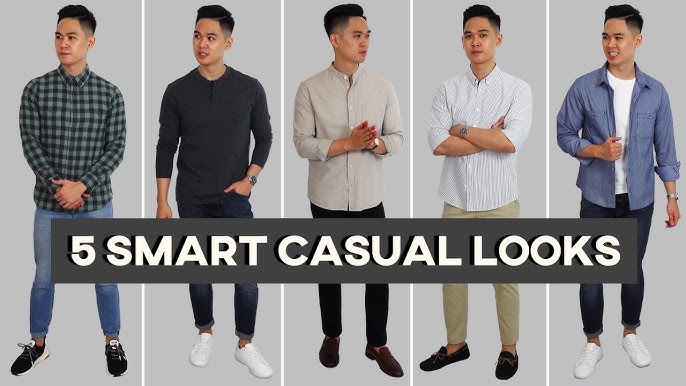
Credit: www.youtube.com
Building A Smart Casual Wardrobe
You don’t need to buy a whole new wardrobe. Start with basics and add key pieces. Here’s a simple plan:
- Buy quality, not quantity. Choose good fabrics and well-made items. They last longer and look better.
- Pick neutral colors. Navy, gray, black, white, beige. These mix easily.
- Get the right fit. Clothes should not be too tight or too loose.
- Invest in shoes. Good shoes can lift your whole outfit.
- Add layers. Jackets, sweaters, and shirts help you adjust for weather and style.
A common mistake is buying too many cheap items. Instead, buy fewer, better pieces. For example, one well-fitted blazer is worth more than three low-quality jackets.
Essential Pieces
- 2–3 button-down shirts (white, light blue, gray)
- 1–2 polos (navy, black)
- 1 crew-neck sweater (gray or navy)
- 2 pairs of chinos (beige, navy)
- 1 pair of dark jeans
- 1–2 blazers (navy or gray)
- 1 pair of loafers
- 1 pair of clean sneakers
This base covers most smart casual needs. Over time, you can add accessories, jackets, and more color.
If you want to save money, buy off-season. For example, buy sweaters in summer when prices are lower. Also, look for sales at department stores or online.
Another tip: Try secondhand shops or vintage stores. You can find quality blazers, shoes, or shirts for less money.
Tips For Smart Casual Success
Looking smart casual is more than wearing the right clothes. It’s about confidence and details. Here are tips to help you stand out:
- Keep clothes clean and pressed. Wrinkles and stains ruin the smart look.
- Check your shoes. Dirty or worn shoes make you look sloppy.
- Avoid loud logos or prints. Smart casual is about understated style.
- Layer wisely. Layering adds depth, but don’t overdo it.
- Match your belt and shoes. This small detail makes a big impact.
- Adapt to the event. If unsure, dress a bit smarter than you think.
- Check the weather. Choose fabrics that fit the season.
- Pay attention to grooming. Smart casual is head-to-toe.
- Skip sportswear. No hoodies, gym shorts, or athletic sneakers.
- Trust your intuition. If it feels too casual, upgrade one piece.
Two non-obvious tips many beginners miss:
- Fit matters more than brand. Even cheap clothes can look smart if tailored well.
- Don’t ignore socks. Visible socks should be dark, plain, and match your shoes.
Another insight: Smart casual is about balance. If you wear a relaxed piece (like jeans), add a smart piece (like a blazer). If you wear a simple shirt, add a stylish accessory. This balance keeps your outfit interesting.
Pay attention to posture and attitude. The way you wear your clothes matters. Stand tall, smile, and move confidently. This makes any outfit look better.
Smart Casual For Different Occasions
Smart casual changes based on where you are. Here’s how to approach common situations:
Workplace
Many modern offices use smart casual. What works:
- Button-down shirt, chinos, loafers
- Sweater over shirt in colder months
- Blazer for meetings or client visits
Avoid shorts, graphic tees, and sandals. If you’re new, observe what others wear.
If your office allows jeans, choose dark, well-fitted jeans. Pair with a sharp shirt and smart shoes. If you have a presentation, add a blazer to look professional.
Dinner Or Date
Smart casual is perfect for a restaurant or date. Try:
- Dark jeans, blazer, white shirt, Chelsea boots
- Polo shirt, chinos, loafers
Add a watch or belt for style. Dress one level above what you expect.
A tip: For dates, avoid outfits that look too formal. You want to be approachable. Use soft colors, relaxed fits, and comfortable shoes.
Party Or Social Event
For gatherings, you can be playful:
- Patterned shirt, navy chinos, clean sneakers
- Lightweight jacket, t-shirt, loafers
Check the invite. If unsure, lean toward smarter.
If the event is outdoors, choose comfortable fabrics like cotton or linen. For indoor events, add a blazer or cardigan.
Weddings And Formal Events
Some weddings use smart casual. You can wear:
- Blazer, dress trousers, button-down shirt, loafers
- No tie needed, but pocket square is stylish
Avoid jeans unless stated by the host.
If the wedding is in summer, try a linen shirt and lightweight trousers. For winter, use wool trousers and a heavier blazer.
Travel And Leisure
Smart casual works for travel, too. Choose:
- Polo, dark jeans, sneakers
- Lightweight jacket for layering
Comfort matters, but keep it neat.
If you travel often, buy wrinkle-resistant shirts and easy-care pants. This saves time and keeps you looking fresh.
Smart Casual By Age And Body Type
Smart casual works for all ages and shapes. Here’s how to adapt:
Young Men
Go for modern fits, simple colors. Avoid oversized clothes. Add minimal sneakers.
If you are a student, smart casual helps you look mature without feeling old. Try slim chinos, clean sneakers, and a plain polo.
Middle-aged Men
Choose classic shapes, neutral colors. Blazers and loafers add maturity.
If you want to look younger, use lighter colors and relaxed fits. Avoid clothes that look too tight or too loose.
Older Men
Comfort and fit are key. Soft fabrics, cardigans, and relaxed trousers work well.
Wool or cotton blends are good for colder months. Linen and light cotton for summer.
Body Type Tips
- Slim: Wear fitted clothes, add layers for shape.
- Athletic: Avoid tight shirts; choose regular fit.
- Larger build: Use darker colors, simple patterns, avoid clingy fabrics.
Tailoring is your best friend. Even small adjustments help you look smart.
If you gain or lose weight, adjust your clothes. Don’t wear clothes that are too small or too big.
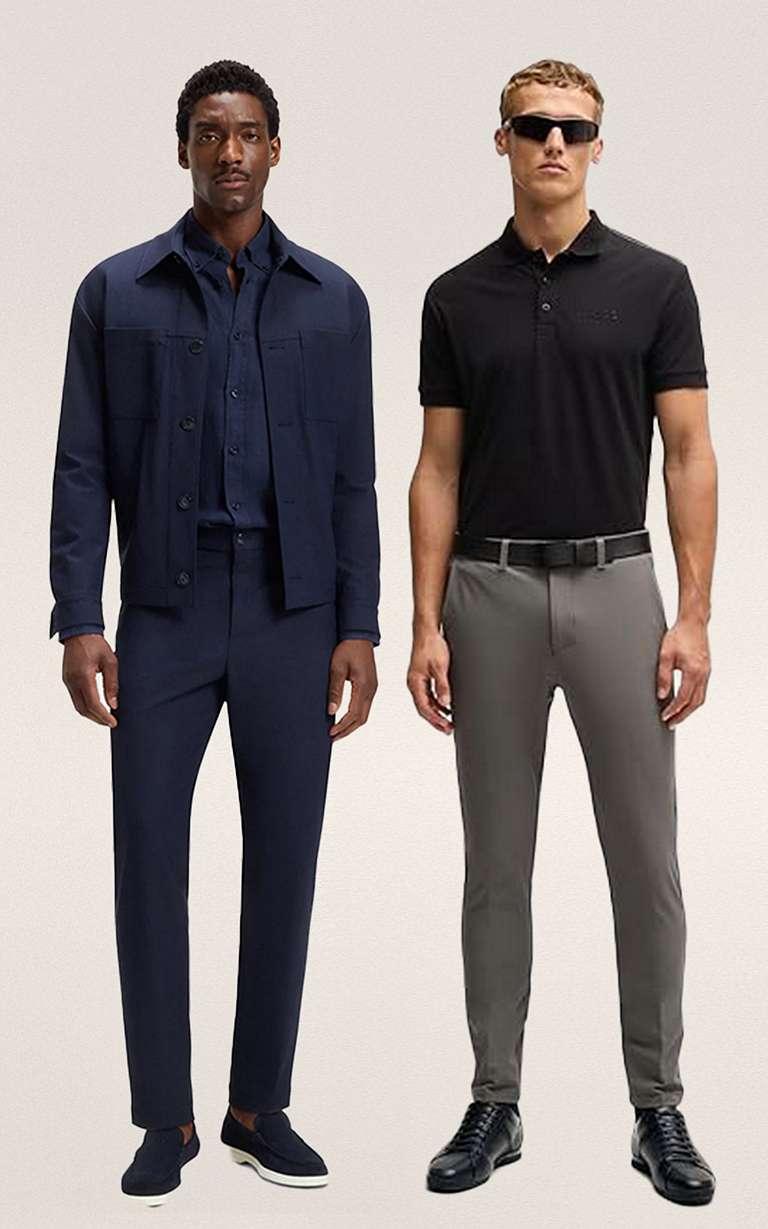
Credit: www.hugoboss.com
Smart Casual In Different Cultures
Smart casual changes by country and culture. In the US and Europe, blazers and chinos are common. In Asia, smart casual may include a dress shirt, no jacket. In warmer countries, linen shirts and lightweight pants are popular.
Always check local customs. Some cultures see jeans as too casual, while others accept them. For business, it’s safer to dress up a bit.
For example, in Italy, men often wear fitted trousers and stylish shoes. In Japan, smart casual is more conservative—plain shirts and neat pants. In Australia, relaxed shirts and loafers are common.
If you travel for work, learn local dress codes. This helps you avoid mistakes and fit in.
Common Mistakes In Smart Casual
Many men get smart casual wrong. Here are mistakes to avoid:
- Too casual: Hoodies, gym shoes, graphic tees.
- Too formal: Full suit, shiny shoes, tie.
- Bad fit: Baggy or tight clothes.
- Ignoring accessories: Belt, watch, socks.
- Wrong shoes: Dirty sneakers, sandals.
- Too much color: Stick to 2–3 colors.
- Over-layering: Don’t wear jacket, sweater, and shirt at once.
- Not checking dress code: Always read invites or ask.
Another mistake is forgetting grooming. Even the best outfit looks bad if your hair is messy or your beard is untrimmed. Smart casual is about the whole look.
Also, don’t mix sportswear with smart pieces. For example, a blazer with gym shorts looks awkward.
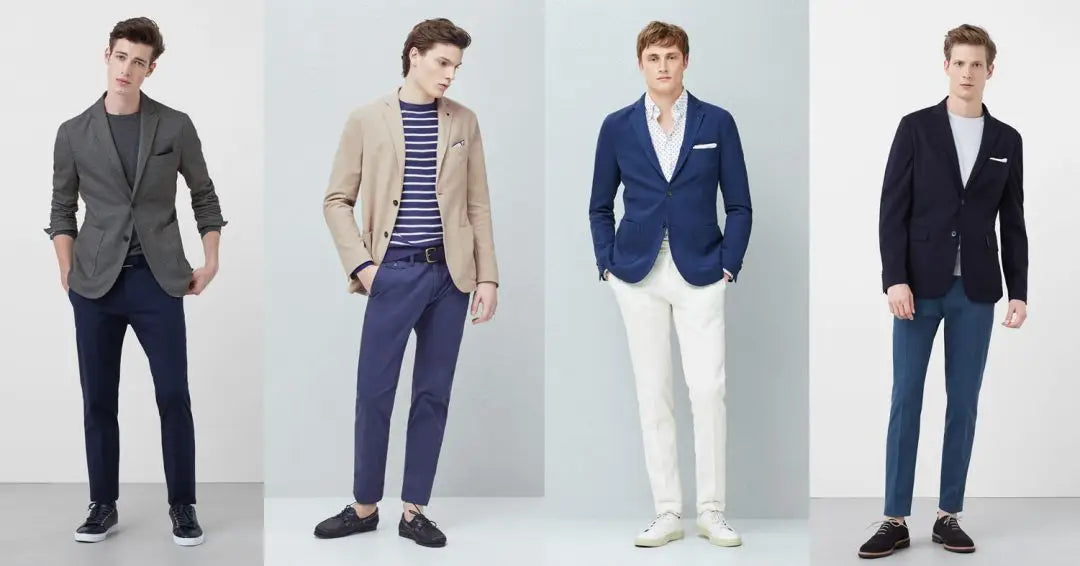
Credit: www.menswearr.com
Smart Casual In The Workplace: Data And Trends
Smart casual is growing in popularity. Studies show that:
- 60% of US offices have relaxed dress codes, favoring smart casual.
- Job seekers who wear smart casual to interviews are seen as more approachable and creative.
- Employees in smart casual settings report higher comfort and productivity.
Smart casual helps build trust and shows personality. It signals “I am professional, but not stiff. ” This is why tech, creative, and modern companies prefer it.
A trend: Many companies allow flexible dress codes. You can mix smart casual with business pieces for meetings and switch to relaxed styles for daily work.
Another insight: Smart casual helps companies attract younger talent. Young professionals want comfort and style, not strict suits.
Smart Casual For Special Events
Some events have unique requirements. Here are examples:
Networking Events
Wear a blazer, chinos, and loafers. Add a pocket square for style. Avoid jeans unless others wear them.
If you want to make a good impression, choose a sharp shirt and polished shoes. Avoid loud colors. Keep your outfit simple but stylish.
Graduation
Button-down shirt, dress trousers, clean shoes. Blazer optional. No t-shirts or sneakers.
If the event is outside, bring a lightweight jacket. For indoor graduations, add a tie or pocket square if you want to look more formal.
Family Gatherings
Polo or shirt, chinos, casual shoes. Comfort matters, but avoid shorts unless outdoors.
If the gathering is formal, add a blazer. If it’s relaxed, use a cardigan or sweater.
How To Upgrade Your Smart Casual Look
Once you master the basics, try these advanced tips:
- Add texture. Try tweed, corduroy, or knit fabrics for depth.
- Experiment with color. Once you feel confident, add burgundy, olive, or soft pastels.
- Try layering. Shirt under sweater, blazer over polo, cardigan with chinos.
- Personalize. Small accessories like a watch, bracelet, or scarf.
- Tailor your clothes. Adjust pants, sleeves, or jacket for perfect fit.
Two advanced insights:
- Layering is powerful. A shirt under a sweater, or a blazer over a t-shirt, can make you look more stylish with little effort.
- Small details matter. The right pocket square or quality socks can change your look from basic to sharp.
If you want to stand out, use unique textures or colors. For example, a burgundy sweater or a tweed blazer is stylish but still smart casual.
You can also add a scarf in winter or a lightweight hat in summer. These accessories are practical and stylish.
Smart Casual For Different Seasons
Smart casual adapts to weather. Here’s how:
Spring
Lightweight shirts, chinos, loafers. Add a light jacket.
If it rains often, use waterproof shoes or a stylish umbrella.
Summer
Linen shirts, cotton trousers, minimal sneakers. Avoid thick fabrics.
Short-sleeve shirts work for summer, but avoid tank tops or shorts unless allowed.
Fall
Sweaters, blazers, dark jeans, boots.
Layer with scarves or heavier jackets for cold days.
Winter
Wool trousers, heavier sweaters, Chelsea boots. Layer for warmth.
Add gloves, a wool hat, or a scarf for extra comfort.
Adjust fabrics and colors for each season.
If you live in a cold place, invest in a good coat. Choose simple colors like navy, gray, or black.
Smart Casual Outfit Examples
Here are real-life combinations for smart casual:
- Navy blazer, white shirt, beige chinos, brown loafers.
- Gray sweater, blue button-down, dark jeans, black Chelsea boots.
- Polo shirt, navy chinos, white sneakers.
- Cardigan, plain t-shirt, gray trousers, loafers.
- Patterned shirt, olive chinos, minimal sneakers.
These outfits work for most smart casual events.
If you want more inspiration, search for style blogs or follow fashion influencers. They share real outfits and tips.
Smart Casual Shopping Guide
When shopping, focus on:
- Fit: Try before you buy. Look for slim or regular cuts.
- Fabric: Choose cotton, wool, linen for comfort and breathability.
- Color: Start with neutrals, then add color.
- Brand: Not important. Quality matters more.
Recommended places: department stores, online shops, or local boutiques. For smart casual inspiration, check GQ Style.
Always check return policies when shopping online. Some brands offer free tailoring or alterations. Use these services to improve fit.
If you are unsure about size, ask staff for help. Well-fitted clothes look more expensive and stylish.
Smart Casual: What Really Matters
Smart casual is about looking polished, feeling comfortable, and fitting in. It’s not about expensive clothes or following trends. The best smart casual outfits are simple, well-fitted, and flexible. If you are unsure, start with a button-down shirt and chinos, then add layers.
Remember, smart casual is a skill. You get better with practice. Observe others, try new combinations, and ask for feedback. Small changes can make a big difference.
The most important lesson: You don’t need to copy others. Use smart casual as a base, then add your own touches. A simple watch, a unique belt, or a nice pair of shoes can set you apart.
Frequently Asked Questions
What Is The Difference Between Smart Casual And Business Casual?
Smart casual is less strict. Business casual often needs a blazer and dress pants, while smart casual allows jeans, polos, and clean sneakers. Smart casual is more flexible and creative.
Can I Wear Jeans For Smart Casual?
Yes, but only dark, clean, well-fitted jeans. Avoid ripped, faded, or baggy jeans. Pair with a blazer or nice shirt.
Are Sneakers Allowed In Smart Casual?
Only minimal, clean sneakers in neutral colors. No athletic or loud sneakers. Leather or suede sneakers are best.
Is A Tie Needed For Smart Casual?
No. Ties are not required. If you want to look sharper, try a pocket square or classic watch instead.
How Can I Make My Outfit More Smart Casual?
Add a blazer or sweater, choose clean shoes, and focus on fit. Avoid sportswear and loud prints. Use accessories like a belt or watch.
Smart casual is a modern, flexible dress code. It helps men look stylish, feel comfortable, and fit into most occasions. Once you master the basics, you can add your own personality. The most important part: wear your clothes with confidence. That’s the real secret to smart casual.
