

What is Not Appropriate for Business Casual: Dress Code Guide
What Is Not Appropriate For Business Casual
Business casual is a dress code that confuses many people. It sounds relaxed, but it still expects a neat and professional appearance. Choosing what to wear can feel tricky, especially when you want to fit in and make a good impression.
Many workplaces use business casual to encourage comfort, yet still demand that employees look ready for business.
If you’re new to business casual, you might wonder: What should you avoid? There is no single definition for business casual, and every company may have its own rules. But there are clear boundaries. Wearing the wrong clothes can hurt your reputation or make you stand out in a negative way. This article explains what is not appropriate for business casual, so you can dress confidently and avoid mistakes. You’ll find practical advice, real examples, and useful tables to help you understand this dress code fully.
Defining Business Casual: What Does It Mean?
Business casual is a mix between formal business attire and casual clothing. It’s less strict than a suit and tie, but more polished than jeans and a t-shirt. The goal is to look professional without being too stiff or uncomfortable.
Different companies may interpret business casual in their own way. For example, a tech startup might allow jeans, while a law firm expects dress pants. However, there are basic standards that apply almost everywhere.
Key elements of business casual:
- Clean and neat clothes
- Simple, professional styles
- Comfortable but not sloppy
- No flashy or distracting designs
Understanding what counts as business casual helps you decide what is not appropriate. If you’re unsure, it’s always better to dress a bit more formally than too casually.
Common Clothing Mistakes In Business Casual
Many people make errors when choosing business casual outfits. Let’s look at common mistakes, with clear examples, so you can avoid them.
Wearing Athletic Wear
Athletic wear includes sweatpants, gym shorts, hoodies, and workout tops. These are great for exercise or relaxing at home, but they are not suitable for business casual. Even if your clothes look clean, athletic wear signals that you are not ready for business tasks.
Why it’s not appropriate:
- Looks too relaxed
- Suggests you’re not taking work seriously
Choosing Ripped Or Distressed Clothing
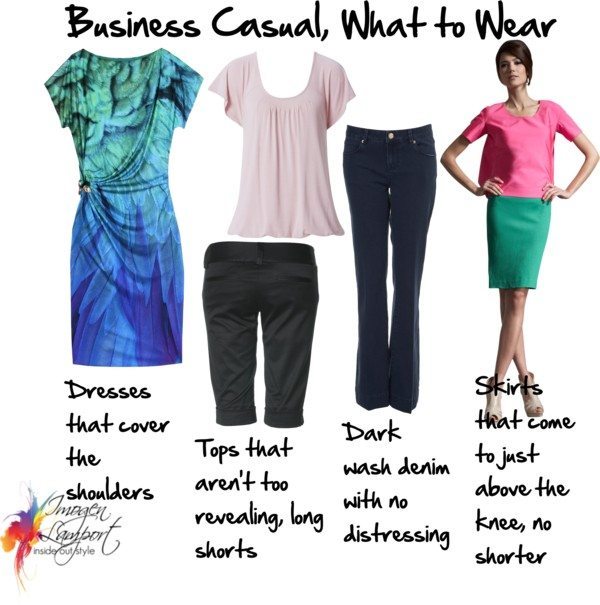
Ripped jeans, distressed jackets, or shirts with holes are popular in casual fashion. However, they do not fit in a professional setting. Even small tears or fraying can send the wrong message.
Why it’s not appropriate:
- Appears careless
- Can distract colleagues
Wearing Shorts
Shorts are comfortable, especially in warm weather. But in most offices, they are not business casual. Some companies allow tailored shorts, but this is rare.
Why it’s not appropriate:
- Too informal
- Shows too much skin
Graphic Tees And Bold Prints
T-shirts with large logos, slogans, or bold images are not suitable. Business casual means simple, solid colors or subtle patterns. Bold prints can distract or offend others.
Why it’s not appropriate:
- Unprofessional appearance
- May carry inappropriate messages
Flip-flops And Sandals
Open-toed shoes like flip-flops or beach sandals are not business casual. Even if you have a relaxed dress code, closed-toe shoes are safer and more professional.
Why it’s not appropriate:
- Too casual
- Exposes feet, which is not professional
Overly Casual Jeans
Jeans are sometimes allowed in business casual, but not all jeans are equal. Avoid jeans that are:
- Ripped
- Faded
- Baggy
- Decorated with studs or patches
Why it’s not appropriate:
- Looks messy
- Lacks professionalism
Tank Tops And Sleeveless Shirts
Tank tops or sleeveless shirts are too casual for most business settings. They expose shoulders and may look out of place.
Why it’s not appropriate:
- Too revealing
- Not professional
Clothing That Is Too Tight Or Too Loose
Fit matters in business casual. Clothes that are too tight may be uncomfortable and inappropriate. Clothes that are too loose look sloppy.
Why it’s not appropriate:
- Distracts from work
- Can make you look careless

Credit: www.theprofessionaldiva.com
Business Casual Vs. Other Dress Codes
To better understand what is not appropriate for business casual, compare it to other dress codes. Here is a table that shows differences:
| Dress Code | Allowed | Not Appropriate |
|---|---|---|
| Business Formal | Suits, dress shirts, ties, dress shoes | Jeans, sneakers, t-shirts |
| Business Casual | Dress pants, blouses, skirts, polos | Shorts, ripped jeans, flip-flops |
| Casual | Jeans, t-shirts, sneakers | Suits, ties |
This comparison helps you see where business casual fits. If you’re unsure, remember that business casual is always one step above everyday casual.
Items That Are Never Business Casual
Some clothing items are never acceptable in business casual, no matter how relaxed the office is. Here is a clear list:
- Sweatpants: Only for exercise or home.
- Graphic t-shirts: Large logos or images are distracting.
- Flip-flops: Only for the beach.
- Ripped jeans: Too casual and messy.
- Tank tops: Too revealing for work.
- Shorts: Not professional enough.
- Hoodies: Too informal.
- Mini skirts: Too short for business settings.
- Backless tops: Too revealing.
- Clothes with offensive slogans: Never acceptable.
If you own any of these items, keep them for weekends or after work. They do not belong in a business casual office.
Clothing Accessories: What To Avoid
Accessories can help express your personality, but some are not appropriate for business casual.
Large Or Flashy Jewelry
Big necklaces, large earrings, or multiple bracelets can distract others. Choose simple jewelry like small studs or a classic watch.
Hats And Caps
Baseball caps, beanies, or any hats are not business casual unless your company allows them for medical or religious reasons.
Visible Tattoos And Piercings
Many companies now accept tattoos and piercings. However, visible tattoos with offensive images or large facial piercings may not fit business casual. Cover tattoos if unsure.
Overly Casual Bags
Backpacks are practical, but some styles look too casual. Choose a simple tote or briefcase for a more professional look.
Grooming And Hygiene: Often Forgotten
Business casual is not just about clothes. Grooming and hygiene play a big part.
Messy Hair
Hair should be neat and clean. Avoid unbrushed hair, extreme styles, or bright unnatural colors unless your company is creative and allows this.
Strong Perfume Or Cologne
Heavy scents can distract or annoy others. Choose light fragrance or none at all.
Dirty Or Worn Shoes
Shoes should be clean and in good condition. Avoid shoes with holes, stains, or excessive wear.
Poor Personal Hygiene
Arriving at work with dirty nails, bad breath, or body odor is never appropriate. Basic hygiene is always expected.
Credit: insideoutstyleblog.com
Gender Differences In Business Casual Mistakes
Men and women face unique challenges with business casual. Here’s a comparison table to help:
| Gender | Common Mistakes | Better Choices |
|---|---|---|
| Men | Wearing sneakers, untucked shirts, shorts | Dress shoes, tucked shirts, dress pants |
| Women | Wearing leggings, low-cut tops, mini skirts | Dress slacks, blouses, knee-length skirts |
Some workplaces allow more freedom, but these guidelines help you avoid common errors. If you’re unsure, look around and see what others wear.
Seasonal Challenges: Warm And Cold Weather
Weather can affect your clothing choices. Don’t let extreme temperatures push you into inappropriate outfits.
Summer: Don’t Go Too Casual
- Avoid shorts, tank tops, flip-flops
- Choose light fabrics like cotton
- Wear short-sleeve shirts or blouses that cover shoulders
Winter: Stay Professional
- Avoid bulky hoodies, oversized sweaters
- Choose smart cardigans or tailored coats
- Wear dress boots instead of snow boots in the office
Tip: Layering helps you stay comfortable without breaking dress code rules.
Cultural Differences And Company Policies
Business casual standards can change depending on location and company culture. For example, a company in California may allow more relaxed styles, while one in New York expects more formality.
How To Adapt
- Check your company’s dress code policy
- Observe what managers and colleagues wear
- Ask HR if you’re unsure
Some companies provide guidelines or even photos of acceptable outfits. If your office is more creative, you may have more freedom. But always respect the basic rules.
Special Situations: Meetings, Interviews, Events
Sometimes, business casual is not enough. Special situations require extra care.
Job Interviews
Even if the company is business casual, it’s safer to dress more formally for interviews. Avoid anything from the “never appropriate” list.
Important Meetings
For meetings with clients or executives, choose your best business casual outfit. Avoid jeans, t-shirts, or anything too relaxed.
Office Events
Some events allow casual wear, but always check the invitation or ask. If unsure, dress slightly more formally.
Non-obvious Insights Most People Miss
Most people focus on clothes, but business casual involves more.
- The importance of fit: Even the right clothes can look wrong if they don’t fit well. Tailored clothing always looks more professional.
- Subtle patterns are safer: Avoid bold prints. Simple stripes or tiny dots work better.
- Shoes matter: Many forget that shoes are noticed first. Clean, classic styles are safest.
- Layering can help: Adding a cardigan or blazer can turn a casual outfit into business casual.
- Wrinkles and stains: Clothes must be clean and pressed. Even good clothes are inappropriate if they look dirty.
Business Casual Checklist: What To Avoid
Here’s a quick checklist for what is not appropriate:
- Athletic wear (sweatpants, gym shorts)
- Ripped or distressed clothing
- Shorts
- Graphic tees and bold prints
- Flip-flops and sandals
- Overly casual jeans
- Tank tops and sleeveless shirts
- Clothes that are too tight or too loose
- Large or flashy jewelry
- Hats and caps (unless required)
- Visible tattoos/piercings (if offensive)
- Messy hair or poor hygiene
- Dirty or worn shoes
If your outfit includes any item above, change before heading to work.
Real-world Examples: Mistakes In Business Casual
Let’s look at real situations where people made mistakes.
Example 1: An employee wore a hoodie and ripped jeans to a business casual office. He looked too relaxed, and his manager asked him to dress more professionally.
Example 2: A woman wore a mini skirt and tank top. She felt comfortable, but was told this was not suitable for meetings.
Example 3: Someone wore flip-flops and a graphic t-shirt. Even though it was summer, the company expected closed-toe shoes and plain shirts.
These stories show why it’s important to understand what is not appropriate. Even small mistakes can affect your reputation.
Statistics: Impact Of Dressing Inappropriately
Research shows that dressing wrongly can hurt your career.
- According to a survey by CareerBuilder, 41% of employers said they would promote someone who dresses more professionally.
- 50% of managers notice poor clothing choices and may judge employees negatively.
- Employees who dress appropriately feel more confident and perform better.
Dressing right is not just about following rules. It affects how others see you and how you feel about yourself.
Adapting Business Casual In Different Industries
Business casual looks different in various industries. Here’s a table comparing common business casual mistakes by industry:
| Industry | Common Mistakes | Recommendation |
|---|---|---|
| Tech | Wearing hoodies, sneakers, distressed jeans | Choose polos, clean jeans, simple shoes |
| Finance | Wearing bold prints, casual shoes, untucked shirts | Stick to dress shirts, formal pants, dress shoes |
| Creative | Wearing overly casual clothing, large accessories | Express personality, but keep it neat |
If you switch industries, check the dress code again. What works in one place may not fit in another.
How To Recover From A Business Casual Mistake
Everyone makes mistakes. If you wear something wrong, here’s what to do:
- Change quickly: If possible, go home or bring extra clothes to the office.
- Apologize: If someone comments, apologize and explain you misunderstood the dress code.
- Learn for next time: Observe others and check company guidelines.
- Stay prepared: Keep a spare blazer or dress shirt at work.
Mistakes are common, but you can recover easily if you handle them well.
Practical Tips To Always Look Appropriate
- Keep a few safe outfits ready for busy mornings.
- Choose neutral colors like black, navy, or gray.
- Invest in good shoes; they last longer and look better.
- Avoid buying trendy items for work; classic styles are safer.
- Ask HR or your manager if you’re unsure.
If you follow these tips, you’ll avoid common mistakes and always look business casual.
Frequently Asked Questions
What Is The Difference Between Business Casual And Smart Casual?
Business casual is more formal. It includes dress pants, blouses, and closed-toe shoes. Smart casual allows for more creativity, like stylish jeans or fashionable sneakers, but still expects neatness. If you’re unsure, choose business casual to be safe.
Can I Wear Jeans For Business Casual?
Yes, but only if they are dark, clean, and free of rips. Avoid baggy or distressed jeans. Pair them with a dress shirt or blouse. Some companies don’t allow jeans at all, so check your office rules.
Are Sneakers Appropriate For Business Casual?
Usually, sneakers are too casual. Some companies allow clean, simple sneakers, but it’s safer to wear dress shoes or loafers. Avoid athletic or flashy sneakers.
Is It Okay To Wear Bright Colors In Business Casual?
Bright colors can be risky. Stick to neutral or muted tones. If you wear bright colors, keep them subtle and balance with neutral pieces. Avoid neon or flashy patterns.
Where Can I Find More Business Casual Guidelines?
Many companies share dress code details in employee handbooks. For extra guidance, visit CareerBuilder for helpful tips and examples.
Dressing for business casual is easier when you know what to avoid. The right outfit helps you feel confident and respected. Follow these guidelines, and you’ll always make a strong impression at work.

Credit: workwearstyle.wordpress.com
