

What is Good Gym Clothes? Top Tips for Stylish Workout Wear
What Is Good Gym Clothes
Choosing the right gym clothes might seem simple at first, but it actually makes a big difference in your workout experience. If you have ever felt uncomfortable, sweaty, or distracted in the gym, your clothes could be the reason. Good gym clothes are not just about looking stylish—they help you move better, stay safe, and feel confident during exercise.
Whether you’re a beginner or a regular at the gym, understanding what makes gym clothes “good” will help you make smarter choices and enjoy your fitness routine.
The Role Of Gym Clothes In Performance
Many people underestimate how much their clothing impacts their workout. The wrong clothes can lead to poor performance, discomfort, or even injuries. For example, cotton shirts absorb sweat but don’t dry quickly. This makes you feel heavy and cold after exercise. On the other hand, good gym clothes are made with moisture-wicking fabrics that pull sweat away from your skin and dry fast.
Athletes often wear specialized clothes for a reason. Studies show that wearing proper gym attire can improve confidence, motivation, and overall performance. Functional clothes can reduce friction, prevent chafing, and support your body during different types of movements. In fact, the right gym clothes can even reduce your risk of skin infections by keeping you dry and comfortable.
Essential Features Of Good Gym Clothes
Not all gym clothes are created equal. Here are the most important features to look for:
- Moisture-wicking: This is the ability of the fabric to pull sweat away from your skin. It keeps you dry and prevents irritation.
- Breathability: Good gym clothes allow air to circulate, helping to regulate your body temperature.
- Stretch and flexibility: Clothes should move with your body, not against it. Look for fabrics like spandex or elastane.
- Comfortable fit: Tight clothes can restrict movement, while loose clothes can catch on equipment. Aim for a balance.
- Durability: Gym clothes face a lot of washing and stretching. High-quality materials last longer.
- Lightweight: Heavy clothes can slow you down and make you sweat more.
- Odor resistance: Some fabrics are treated to reduce odor caused by sweat.
- Support: For women, a good sports bra is essential. For men, supportive shorts are important.
Let’s compare the most common gym fabrics:
| Fabric Type | Moisture-wicking | Breathability | Stretch | Durability |
|---|---|---|---|---|
| Polyester | High | Good | Medium | High |
| Spandex | Medium | Good | Excellent | Medium |
| Cotton | Low | Excellent | Low | Low |
| Nylon | High | Excellent | High | High |
| Wool | Medium | Medium | Low | Medium |
Choosing Gym Clothes For Different Activities
Your workout type matters when picking gym clothes. Here’s how to choose for various activities:
Weightlifting
When lifting weights, you need clothes that are flexible but not too loose. Avoid baggy sleeves or pants that can snag on equipment. Look for compression shirts and shorts—they support your muscles and help blood flow. Shoes should have a flat, stable sole.
Cardio (running, Cycling, Hiit)
Cardio workouts make you sweat a lot. Choose moisture-wicking tops and bottoms. Shorts are better than long pants for most people, but leggings work well for cycling. Breathable fabrics are key. For running, lightweight shoes with good shock absorption protect your feet.
Yoga And Pilates
Here, flexibility is most important. Opt for stretchy leggings or shorts and a fitted top. Avoid clothes with zippers or thick seams that can dig into your skin during poses. Barefoot or grip socks are best.
Group Classes (zumba, Dance, Aerobics)
You’ll be moving fast and in different directions. Wear fitted clothes that stay in place. Avoid anything too loose. Look for anti-slip shoes with flexible soles.
Outdoor Workouts
Weather changes everything. For cold conditions, layer with breathable and moisture-wicking materials. For hot weather, pick light colors and mesh fabrics. Always check for UV protection if you exercise outdoors.
The Importance Of Proper Fit
Fit is often ignored, but it’s crucial. Ill-fitting clothes can distract you, limit movement, or cause injuries. Here are some fit tips:
- If the waistband digs into your skin, size up.
- If sleeves or pant legs bunch up, they’re too long.
- For tops, make sure you can raise your arms easily.
- For bottoms, squat and stretch to check flexibility.
- Sports bras should not pinch or restrict breathing.
Many beginners think tight equals “better,” but that’s not true for everyone. Try different fits and see what feels comfortable for your body shape.
Gym Clothes For Different Body Types
Everyone’s body is unique. Good gym clothes should make you feel comfortable and confident, no matter your size or shape.
Athletic Build
People with broad shoulders and muscular legs may find regular clothes tight in certain areas. Look for brands that offer “athletic fit” options, which have more room in the chest and thighs.
Plus Size
Many brands now offer plus size gym clothes with extra stretch and support. Avoid clothes with hard seams or tight elastic bands. Choose tops that cover your midsection if you want more comfort.
Petite
If you are short, regular pants may be too long. Choose “petite” options or cropped leggings. Fitted tops help avoid baggy looks.
Tall
Tall people need longer sleeves and pant legs. Some brands offer “tall” sizes. Avoid short tops that ride up during movement.
A practical tip: always check the size chart before buying. Don’t rely on standard sizing; measure yourself for the best fit.
Gender-specific Gym Clothes
Both men and women have unique needs when it comes to gym clothes.
Women
Women need sports bras with proper support. Choose bras based on your activity: high-impact for running, medium-impact for weightlifting, low-impact for yoga. Leggings should have a wide waistband and enough stretch. Many women prefer tops with built-in bras or tank tops.
Men
Men need shorts with a supportive liner for running and cardio. Compression shirts help muscle recovery. Sleeveless shirts allow freedom of movement for shoulders and arms.
Unisex Options
Some brands offer unisex gym clothes that suit most body types. These are great for group classes or casual workouts.
Gym Shoes: A Critical Component
Shoes are often overlooked, but they are one of the most important parts of your gym outfit. The right shoes prevent injuries and improve performance.
- For weightlifting: Flat soles for stability.
- For running: Cushioning for shock absorption.
- For cross-training: Flexible soles for quick movements.
- For cycling: Stiff soles for power transfer.
Never use regular sneakers for specialized workouts. Poor shoes can lead to knee, hip, or back problems. Always replace gym shoes every 6–12 months, depending on usage.
Here’s a comparison of shoe types for different workouts:
| Shoe Type | Main Feature | Best For | Common Mistake |
|---|---|---|---|
| Running Shoes | Cushioning | Running, Cardio | Using for weightlifting |
| Training Shoes | Flexibility | HIIT, Group Classes | Using for long-distance running |
| Weightlifting Shoes | Flat Sole | Squats, Deadlifts | Using for cardio |
| Cycling Shoes | Stiff Sole | Cycling | Using for walking/running |
Accessories That Complete Good Gym Clothes
Accessories might seem minor, but they add comfort and safety to your workouts. Here are some to consider:
- Headbands: Keep sweat out of your eyes.
- Workout gloves: Protect your hands during weightlifting.
- Compression socks: Improve blood flow and reduce swelling.
- Wrist wraps: Support your wrists during heavy lifts.
- Arm sleeves: Prevent chafing and sunburn for outdoor workouts.
Don’t forget water bottles, gym bags, and towels—they keep you organized and hygienic.
Material Science: Why Fabric Matters
Good gym clothes start with good materials. Modern fabrics use advanced technology to improve performance. For example, polyester blends are lightweight and durable. Spandex adds stretch. Nylon is strong and dries quickly.
Some gym clothes use antimicrobial treatments to fight odor and bacteria. Others use mesh panels for extra ventilation. One non-obvious insight: some premium brands add tiny silver threads to fight odor—these are especially useful for people who sweat a lot.
If you want to learn more about fabric technology, read this detailed breakdown from Healthline.
Style Vs. Function: Finding The Balance
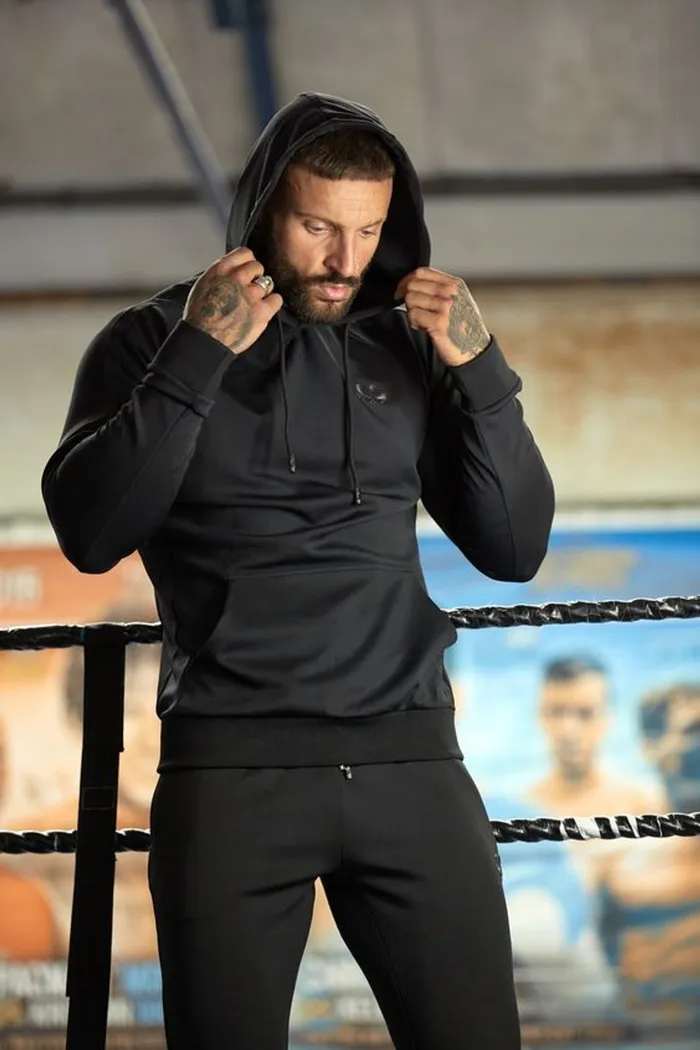
Looking good in the gym is important for many people. But style should never compromise function. Sometimes, trendy gym clothes are made from poor-quality materials. Don’t choose style over comfort.
Here are tips for balancing style and function:
- Pick colors you like, but check the fabric first.
- Avoid clothes with too many decorative zippers or buttons.
- Choose patterns that hide sweat marks.
- Try matching sets for a confidence boost, but make sure they fit well.
One insight beginners miss: dark colors hide sweat, but light colors reflect heat. Choose wisely based on your environment.
Credit: gq.co.za
Price Vs. Quality: Investing In Good Gym Clothes
You don’t need to spend a fortune for good gym clothes, but extremely cheap clothes often lack quality. High-quality gym clothes last longer, feel better, and perform well after many washes.
Here’s how to decide:
- Check the material composition (avoid 100% cotton for intense workouts).
- Look for double stitching.
- Read reviews from other buyers.
- Invest more in shoes and sports bras—they matter most.
A practical tip: mid-range brands often offer the best balance of price and quality. Avoid “fast fashion” brands that use poor materials.
Gym Clothes Care: Making Them Last
Good gym clothes need proper care. Washing and drying them correctly keeps them fresh and functional.
- Wash gym clothes separately from regular laundry.
- Use cold water to protect elastic fibers.
- Avoid fabric softener—it can block moisture-wicking properties.
- Air dry when possible.
- Turn clothes inside out before washing.
Another insight: rinse gym clothes right after use, even if you don’t wash them immediately. Sweat breaks down fibers, so rinsing helps them last longer.
Credit: fabricwholesaledirect.com
Common Mistakes When Choosing Gym Clothes
Many beginners make mistakes that reduce comfort and performance. Here are some to avoid:
- Wearing regular cotton t-shirts for intense workouts.
- Choosing baggy pants that catch on equipment.
- Ignoring shoe type for different activities.
- Not checking the size chart before buying.
- Skipping sports bras for high-impact workouts.
- Picking trendy styles over functional fabrics.
- Forgetting accessories like headbands or gloves.
- Using old, worn-out gym clothes.
By avoiding these mistakes, you’ll feel better and perform better.
Gym Clothes For Different Climates
Weather affects your gym clothes choice.
Hot Weather
- Pick lightweight, breathable fabrics.
- Avoid dark colors.
- Choose sleeveless tops and shorts.
- Look for mesh panels.
Cold Weather
- Layer with moisture-wicking base.
- Add a breathable, insulated jacket.
- Wear long sleeves and leggings.
- Consider gloves and hats for outdoor workouts.
Humid Climate
- Moisture-wicking is a must.
- Avoid thick fabrics.
- Choose quick-drying materials.
Dry Climate
- Use lotion to prevent dry skin.
- Wear lightweight long sleeves to protect from sun.
Gym Clothes For Different Age Groups
People of all ages need gym clothes that suit their bodies and activities.
Kids
- Choose flexible, comfortable clothes.
- Look for bright colors and fun patterns.
- Ensure shoes have proper support.
Teens
- Style matters more, but don’t skip function.
- Encourage proper fit and moisture-wicking fabrics.
Adults
- Prioritize durability and support.
- Choose clothes that match your workout routine.
Seniors
- Look for easy-to-wear clothes (no tight elastic).
- Shoes should have extra cushioning.
- Avoid clothes with complicated fasteners.
Sustainability In Gym Clothes
More people care about the environment, and gym clothes are no exception. Some brands use recycled materials or eco-friendly dyes. Look for sustainable gym clothes if you want to help the planet.
- Check for recycled polyester.
- Look for “bluesign” or “Oeko-Tex” certification.
- Avoid clothes with harmful chemicals.
- Donate old gym clothes instead of throwing away.
One insight: some eco-friendly fabrics last longer and resist odor better than regular ones.
Gym Clothes For Travel And On-the-go
If you travel often, pack gym clothes that are lightweight and easy to wash.
- Choose wrinkle-resistant fabrics.
- Pack two sets for longer trips.
- Look for foldable shoes.
- Use a compact gym bag.
Many travelers pick clothes with zip pockets for security.
How To Shop For Good Gym Clothes
Shopping for gym clothes can be confusing. Here are tips:
- Try clothes on if possible.
- Move around to check flexibility.
- Ask staff for advice if unsure.
- Read online reviews for sizing and comfort.
- Start with basics: One pair of shorts, leggings, two tops, one sports bra or supportive shorts, and shoes.
If shopping online, check return policies. Many brands allow free returns for wrong sizes.
Popular Gym Clothes Brands
Some brands are known for quality gym clothes. Here are examples:
- Nike: Offers a wide range for all activities.
- Adidas: Known for durable, stylish options.
- Under Armour: Focuses on moisture-wicking and performance.
- Lululemon: Popular for yoga and high-quality leggings.
- Reebok: Great for cross-training and group classes.
- Gymshark: Trendy, functional, and affordable.
- Puma: Offers affordable basics.
- New Balance: Excellent shoes for running and walking.
Each brand has strengths, so try different ones to find your favorite.
How Gym Clothes Affect Motivation
Wearing good gym clothes can boost your motivation. Studies show that people who wear comfortable, stylish workout clothes are more likely to exercise regularly. This is called enclothed cognition—what you wear affects your mindset.
One insight: if you feel confident in your gym clothes, you’ll push yourself harder and enjoy your workouts more.
Gym Clothes For Home Workouts
Home workouts are popular. You still need good gym clothes, even if no one sees you.
- Wear moisture-wicking tops and bottoms.
- Choose shoes based on your workout (barefoot for yoga, shoes for HIIT).
- Use accessories like mats or gloves.
Don’t wear pajamas or regular clothes—they don’t support your movements.
Gym Clothes And Hygiene
Clean gym clothes are important for health. Sweat and bacteria build up quickly. Always wash gym clothes after each use. Use antibacterial soap if needed.
One insight: avoid re-wearing gym clothes, even if they look clean. Bacteria can cause skin irritation and infections.

Credit: www.afvt.org
Technology In Gym Clothes
Modern gym clothes use technology to improve performance. Some examples:
- Smart fabrics: Monitor heart rate or sweat levels.
- UV protection: Shields skin from the sun.
- Compression technology: Supports muscles.
Technology is evolving, so expect even more features in the future.
Frequently Asked Questions
What Fabric Is Best For Gym Clothes?
Polyester blends and nylon are best for most gym activities. They wick moisture, dry fast, and feel comfortable. Avoid 100% cotton for intense workouts because it stays wet and heavy.
How Often Should I Replace Gym Clothes?
Replace gym clothes when they lose stretch, fade, or start to smell even after washing. Shoes should be replaced every 6–12 months, and sports bras every 6–8 months if used regularly.
Can I Wear Regular Clothes For Working Out?
You can, but it’s not ideal. Regular clothes don’t support movement, wick sweat, or prevent chafing. Specialized gym clothes make workouts safer and more enjoyable.
What’s The Difference Between Compression And Regular Gym Clothes?
Compression clothes fit tightly and support muscles. They improve blood flow and help recovery. Regular gym clothes are looser and focus on comfort. Choose based on your activity.
How Do I Know If Gym Clothes Fit Properly?
Gym clothes should allow free movement, not pinch or sag. Try stretching, squatting, and raising your arms. If anything feels tight or loose, try another size or style.
Good gym clothes are more than just outfits—they’re tools for better health, comfort, and confidence. The right choices help you move freely, stay safe, and feel motivated. Whether you’re buying your first gym shirt or upgrading your workout wardrobe, focus on quality, fit, and function.
Remember, your gym clothes are an investment in yourself. Choose wisely, and you’ll enjoy every workout a little more.
