

What is Business Casual Woman Winter: Essential Style Guide
Business Casual Woman Winter: A Complete Guide to Modern Office Style
Finding the right balance between professional and comfortable can be a challenge, especially in winter. When the weather turns cold, dressing for the office isn’t just about looking polished—it’s also about staying warm. The idea of business casual for women in winter brings new questions: Which fabrics work best? What layers are acceptable? How do you add personality without looking unprofessional?
This guide breaks down everything you need to know about business casual woman winter style. You’ll discover smart outfit ideas, layering tips, what to avoid, and how to express your personal style while following workplace expectations. Whether you’re new to the office or simply want to update your wardrobe, you’ll find practical advice and real examples to help you look and feel your best all season long.
What Does Business Casual Mean For Women In Winter?
Business casual is a dress code that sits between formal business attire and casual wear. It asks for a neat, professional look, but skips the strict rules of suits and ties. For women, it allows more variety—think blouses, sweaters, tailored pants, and skirts.
In winter, business casual shifts. The goal is the same—look professional—but now you must consider warmth, layering, and winter-appropriate materials. Instead of light fabrics and open shoes, you’ll need to add coats, boots, and thicker layers. But each piece still needs to fit the work environment.
Some key features of winter business casual for women:
- Layered outfits: Combining warmth and style
- Heavier fabrics: Wool, tweed, cashmere, and thicker blends
- Winter footwear: Closed-toe shoes and boots
- Accessories: Scarves, gloves, and hats that look professional
Dress codes can vary depending on your industry, city, and even your specific office. Always note the culture around you. If in doubt, choose more classic pieces and adjust as you observe others.
Essential Pieces For A Winter Business Casual Wardrobe
Building a winter-ready business casual wardrobe doesn’t mean buying a whole new closet. Focus on key staples that can be mixed and matched:
1. Tailored Wool Pants
Wool trousers are a winter favorite. They’re warm, stylish, and pair well with most tops. Choose neutral colors like gray, navy, or black. Well-fitted pants make any outfit look more polished.
2. Knit Sweaters And Cardigans
A classic knit sweater is both comfortable and professional. Turtlenecks, crewnecks, and v-necks all work. Cardigans can add warmth and are easy to take off when indoors.
3. Blazers And Structured Jackets
A tailored blazer instantly upgrades an outfit. In winter, try heavier fabrics like wool-blend or tweed. Blazers can be worn over sweaters or blouses for added warmth.
4. Long-sleeve Blouses And Tops
Blouses with interesting details—pleats, ties, or subtle prints—add a feminine touch. Go for breathable but thicker materials, like cotton blends or silk.
5. Knee-length Skirts And Dresses
Skirts and dresses are still appropriate in winter. Choose heavier fabrics and pair them with opaque tights or leggings. A-line and pencil skirts are classic options.
6. Warm Tights And Leggings
Opaque tights or thermal leggings keep you warm under skirts and dresses. Black, navy, and charcoal are versatile choices.
7. Professional Winter Coats
Your coat is often the first thing people see. A wool overcoat, trench, or a tailored puffer with a clean design can complete your look.
8. Closed-toe Shoes And Boots
Choose leather or suede boots with a modest heel. Ankle boots, loafers, and classic pumps all work. Avoid shoes that look too casual or are not weather-appropriate.
9. Simple Scarves And Accessories
Scarves in neutral or soft colors can add style and extra warmth. Opt for materials like wool or cashmere.
10. Gloves And Hats
Choose elegant, simple gloves and hats in materials like leather or wool. Avoid overly casual or sporty styles.
A smart wardrobe lets you create many outfits from a small number of pieces. Quality and fit are more important than having lots of options.
How To Layer Smartly For Warmth And Style
Layering is the secret to staying warm without looking bulky. It also lets you adjust your outfit for changing temperatures—cold outside, warm inside.
The Right Way To Layer
Start with a base layer that is fitted and moisture-wicking. This could be a thin thermal top or a long-sleeve cotton tee. The next layer adds warmth—a sweater or cardigan. On top, use a blazer or a structured jacket for a professional look.
For example:
- Thin turtleneck + wool sweater + tailored blazer
- Fitted blouse + cardigan + wool overcoat
Layering Mistakes To Avoid
- Too many bulky layers: Makes you look larger and less polished.
- Visible base layers: Keep thermals hidden under your top layer.
- Mismatched colors: Stick to a cohesive color palette.
Advanced Layering Tips
- Try a belted cardigan or blazer to define your waist and prevent a boxy shape.
- Use a scarf as both a style piece and a functional layer.
- Invest in thermal tights under skirts for extra warmth.
Layering is not just about adding more clothes. It’s about combining items in a way that looks intentional and stylish.
Choosing Winter Fabrics For Business Casual
The right fabrics make a big difference in winter comfort and style. Some materials are not only warmer, but also look more professional. Here’s a quick look at the best fabrics for business casual in winter:
| Fabric | Warmth | Professional Look | Care Tips |
|---|---|---|---|
| Wool | Excellent | Very High | Dry clean or gentle hand wash |
| Cashmere | Excellent | Very High | Hand wash, lay flat to dry |
| Tweed | High | High | Spot clean, dry clean |
| Cotton Blend | Moderate | Medium | Machine wash cold |
| Polyester Blend | Moderate | Medium | Machine washable |
Natural fibers like wool and cashmere are best for warmth and a polished look. Synthetic blends can be easier to care for and more affordable, but may not feel as luxurious.
Avoid fabrics like thin linen, sheer polyester, or anything that looks too summery. These don’t provide enough warmth and can look out of place in a winter office.

Credit: www.youtube.com
Colors And Patterns For Winter Business Casual
Winter is the time for deeper, richer colors. While business casual doesn’t have strict color rules, certain shades and patterns work especially well in cold weather.
Best Colors For Winter
- Navy: Professional and easy to match.
- Charcoal gray: Timeless and less harsh than black.
- Burgundy: Adds warmth and interest.
- Forest green: Subtle, sophisticated, and unique.
- Camel and beige: Soft, neutral, and elegant.
- Black: Always classic, but try to add color for variety.
Patterns To Try
- Plaid: Especially in scarves or skirts.
- Houndstooth and checks: Classic patterns that look sharp on coats or blazers.
- Subtle stripes: Good for blouses or pants.
Avoid loud, neon colors or bold, summery prints. These can feel out of place in winter and may not match the professional vibe.
Outfit Ideas: Combining Style And Warmth
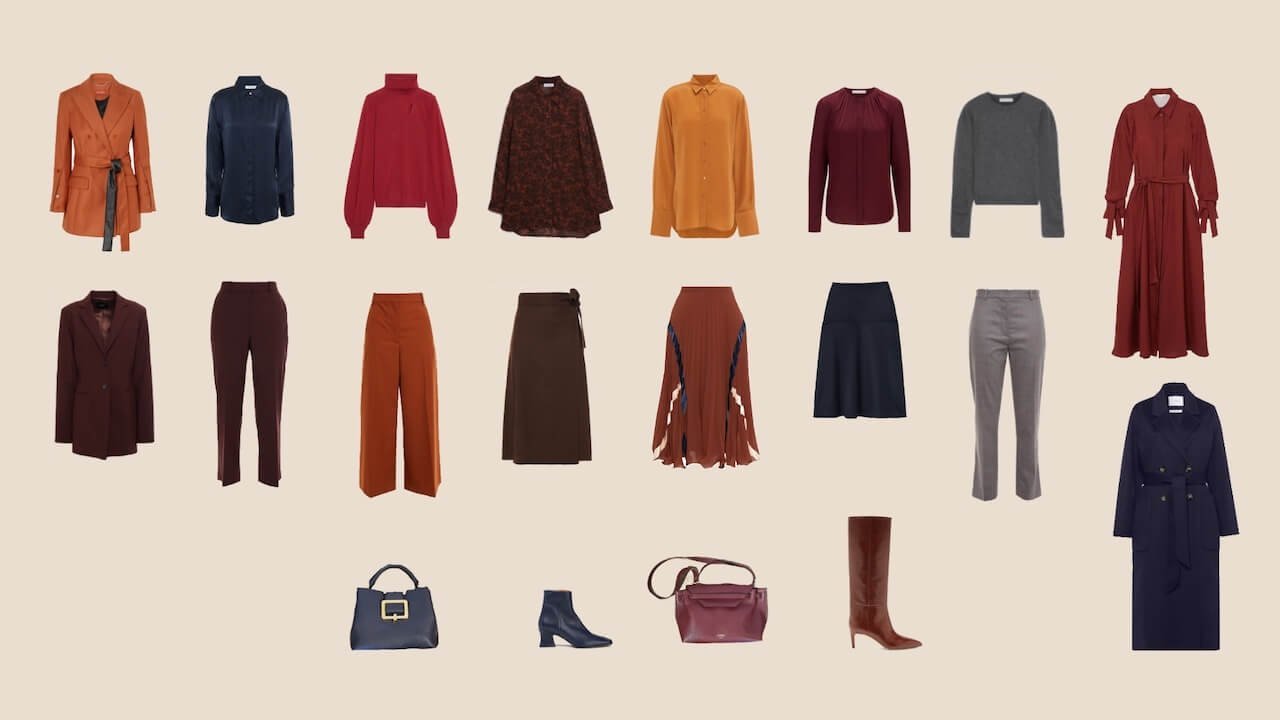
Sometimes it’s hard to imagine how all the pieces fit together. Here are a few business casual winter outfits for women that balance warmth, professionalism, and style:
- Wool trousers + turtleneck sweater + fitted blazer + ankle boots
- Knee-length pencil skirt + opaque tights + silk blouse + cardigan + loafers
- A-line dress + thermal leggings + belted wool coat + heeled boots
- Tailored pants + v-neck sweater layered over collared shirt + trench coat + simple scarf
- Plaid skirt + solid-color turtleneck + textured cardigan + knee-high boots
You can mix and match these pieces based on your wardrobe. Adding a statement necklace or a colorful scarf can make a simple outfit stand out.
Footwear Choices: Staying Professional And Weather-proof
Shoes often create the biggest challenge in winter. You want to avoid cold, wet feet but still look office-ready. Here’s what works well:
| Shoe Type | Warmth | Professional Look | Weather Suitability |
|---|---|---|---|
| Ankle Boots | High | High | Great for rain and snow |
| Knee-High Boots | Very High | Medium-High | Best for very cold days |
| Loafers | Moderate | Very High | Dry, mild days |
| Pumps | Low | Very High | Indoor or dry weather only |
For snow or heavy rain, bring a pair of weatherproof boots for your commute, and switch to loafers or pumps at the office. This helps keep your shoes clean and your feet comfortable.
Accessories: The Finishing Touch
Accessories do more than add style—they can help keep you warm. Choose pieces that are both practical and professional.
- Scarves: Wool or cashmere in classic prints or solid colors.
- Belts: Define your waist over sweaters or blazers.
- Jewelry: Keep it simple—stud earrings, a watch, or a delicate necklace.
- Bags: Structured tote bags carry everything and look polished.
- Gloves: Leather or knit, in colors that match your coat.
Avoid overly flashy pieces or anything that looks like sportswear.
Credit: wonder-wardrobe.com
Business Casual Do’s And Don’ts For Winter
To help you avoid common mistakes, here are some clear do’s and don’ts for winter business casual:
Do:
- Choose layered looks for flexibility and warmth.
- Stick with neutral or deep colors for a timeless look.
- Invest in quality fabrics that last several seasons.
- Keep shoes and accessories weather-appropriate.
Don’t:
- Wear bulky outerwear indoors.
- Use lightweight or summery fabrics.
- Forget to check your company’s dress code for special rules.
- Let your commute shoes look too casual for the office.
Small details matter in business casual. Wrinkled clothes, scuffed shoes, or overly bright patterns can weaken your professional appearance.
Navigating Office Dress Codes And Expectations
Every workplace is a little different. Some companies are strict, while others are more relaxed. If you’re unsure about what’s acceptable, here’s how to figure it out:
- Observe how your colleagues and managers dress, especially those who are respected in the office.
- If your company has a dress code policy, read it carefully. Some may not allow jeans, even if they look polished.
- When in doubt, dress slightly more formally until you know what’s expected.
- Ask HR or a supervisor if you have questions—they’ll appreciate your attention to detail.
One non-obvious insight: local climate plays a role. Offices in cold cities may allow heavier boots or thicker layers, while those in milder areas expect lighter outfits, even in winter.
Mistakes Beginners Make With Business Casual Winter Outfits
Many people new to the office make similar mistakes. Here are two not-so-obvious things to watch for:
- Wearing outdoor-only boots all day: Snow boots or rain boots are great for commuting, but they often look too casual for the office. Bring a pair of indoor shoes to change into.
- Ignoring the power of tailoring: Even the best outfit looks sloppy if it doesn’t fit well. Hem pants to the right length, tailor jackets, and make sure skirts don’t ride up.
Another common error is overusing black. While black is classic, mixing in color and texture keeps your outfits from feeling dull during the long winter months.
Adapting Business Casual For Different Body Types
Every woman’s body is unique, and winter clothes can sometimes add unwanted bulk. Here’s how to flatter your shape while staying warm:
- Petite figures: Choose fitted layers and avoid oversized coats. Vertical lines, like long scarves or pinstripes, add height.
- Curvy bodies: Belted coats and blazers define your waist. Look for sweaters that skim the body without clinging.
- Tall women: Midi skirts and long coats work well. Play with proportions—try cropped sweaters or jackets.
- Athletic shapes: Add shape with peplum tops or wrap dresses. Scarves and statement necklaces create visual interest.
Try things on and see how they feel. Clothes that fit well not only look better, but also feel more comfortable all day.

Credit: nilds.gov.ng
Budget-friendly Tips For Building A Winter Business Casual Wardrobe
You don’t need to spend a fortune to look great at work in winter. Here are some smart strategies:
- Buy versatile basics: Focus on pants, skirts, and sweaters in neutral colors.
- Shop end-of-season sales: Many stores offer discounts as new collections come in.
- Invest in one or two quality coats: Outerwear gets seen every day, so it’s worth spending a bit more.
- Mix high and low: Pair a designer blazer with budget-friendly pants.
- Take care of your clothes: Follow washing instructions and store wool items properly to extend their life.
You can also swap or borrow pieces with friends, or use consignment shops for affordable quality finds.
How To Add Your Personal Style
Business casual doesn’t have to mean boring. You can express your style in subtle ways:
- Choose a signature color for your scarf, bag, or jewelry.
- Try a patterned blouse under a neutral sweater.
- Use a belt or unique buttons to update a classic coat.
- Pick shoes with a bit of personality—like a textured leather or a fun heel shape.
The key is to keep the overall look polished and avoid anything too bold or distracting. Over time, you’ll find a personal style that fits both you and your workplace.
Dressing For Special Office Events In Winter
Sometimes work events call for a little extra effort. Here’s how to adapt your business casual wardrobe:
- Office holiday party: Add a bit of sparkle with a statement necklace or a shimmery blouse under a jacket.
- Client meetings: Choose a full suit or dress with a blazer for a more formal impression.
- Team lunches or after-work gatherings: Layer a nice sweater over a dress or blouse, and add a fun scarf or earrings.
Always check if there’s a specific dress code for the event. When in doubt, it’s better to be slightly overdressed than underdressed.
Sustainability And Ethical Choices In Winter Workwear
Many women today are thinking about the environment when choosing their clothes. Here’s how to make your winter work wardrobe more sustainable:
- Choose natural fibers like wool or organic cotton, which last longer.
- Buy fewer, better-quality pieces that you can wear often.
- Support ethical brands that use fair labor and eco-friendly materials.
- Avoid fast fashion items that won’t survive more than one season.
Taking care of your clothes—proper washing, storing, and repairing—also extends their life and reduces waste.
For more about sustainable fashion, visit the Fashion Revolution website.
Frequently Asked Questions
What Is Considered Business Casual For Women In Winter?
Business casual in winter means professional but comfortable outfits. This includes tailored pants, sweaters, blazers, knee-length skirts, dresses with tights, and closed-toe shoes or boots. The focus is on warmth, layering, and classic styles, using winter fabrics like wool and tweed.
Can Women Wear Boots As Part Of Business Casual?
Yes, boots are perfect for winter business casual. Choose ankle or knee-high boots in leather or suede, with a low to medium heel. Make sure they look polished, not too casual, and avoid heavy snow boots inside the office.
Are Jeans Ever Acceptable In Business Casual Winter Outfits?
This depends on your workplace. In many offices, dark-wash, well-fitted jeans are allowed as part of business casual, especially on Fridays. Avoid ripped, faded, or overly casual styles. Always check your company’s dress code first.
How Do I Look Stylish But Stay Warm In The Office?
Layer smartly: start with a fitted thermal top, add a sweater, and finish with a blazer or jacket. Use scarves, tights, and boots for extra warmth. Choose rich colors and mix textures for a stylish look.
What Should I Avoid Wearing For Winter Business Casual?
Avoid anything too casual, like hoodies, sneakers, or outdoor-only boots. Skip lightweight or summery fabrics, mini skirts, and flashy patterns. Make sure your clothes are clean, wrinkle-free, and fit well for a professional appearance.
Finding your style for winter business casual doesn’t have to be hard. With the right pieces and a few smart tips, you can stay warm and look professional every day—no matter what the weather brings.
