

What is Business Casual Outfit Men: Essential Style Guide
What Is Business Casual Outfit Men
Business casual is a common dress code in workplaces across the world. Many men feel confused about what business casual really means. Is it a suit without a tie? Is it jeans with a dress shirt? Should you wear sneakers or leather shoes?
This article explains business casual for men in detail, so you can look sharp and feel confident at work.
You will learn what makes an outfit business casual, which pieces are essential, how to mix and match, and what mistakes to avoid. We’ll cover differences between business casual and other dress codes, regional variations, and practical tips for building your wardrobe.
Whether you are new to office life or want to upgrade your style, this guide will help you master business casual without stress.
Understanding Business Casual: Definition And Core Principles
The term business casual combines two ideas: professionalism and comfort. It means dressing smartly, but not as formal as a full suit and tie. Business casual is about looking neat, approachable, and ready for work, but not stiff or overdressed.
Key Elements Of Business Casual
Business casual includes:
- Collared shirts (like button-downs or polos)
- Dress pants (not jeans)
- Closed-toe shoes (often leather)
- Optional layers (such as sweaters or blazers)
The goal is to look polished. Your clothes should be clean, well-fitted, and free from wrinkles. Avoid flashy prints, ripped fabrics, or bright colors. Stick to simple patterns and neutral tones.
Why Business Casual Matters
Employers choose business casual to create a comfortable yet professional atmosphere. It helps employees feel relaxed, but still shows respect for the workplace. Studies show that dress codes can affect productivity and teamwork. When men dress business casual, they often feel more confident and focused.
Business Casual Vs. Other Dress Codes
Men often mix up business casual with other styles. Let’s compare it to formal, smart casual, and casual dress codes.
| Dress Code | Typical Items | Level of Formality |
|---|---|---|
| Formal | Suit, tie, dress shoes | Very High |
| Business Casual | Collared shirt, dress pants, leather shoes | Medium |
| Smart Casual | Polo, chinos, loafers | Low-Medium |
| Casual | T-shirt, jeans, sneakers | Low |
Business casual sits between formal and smart casual. It is less strict than formal wear, but more polished than smart casual or casual.
Business Casual Vs. Smart Casual
Smart casual allows for more creativity. You may wear dark jeans, stylish sneakers, or bold colors. Business casual is safer: stick to classic pieces and understated shades.
Business Casual Vs. Formal
Formal means a suit and tie, usually for meetings, presentations, or events. Business casual drops the tie and sometimes the jacket. You look sharp but not stiff.
Essential Pieces For Business Casual Men
Building a business casual wardrobe starts with key items. These are the foundation of your style.
Shirts
- Button-down shirts: White, light blue, pale pink, or subtle stripes
- Polo shirts: Solid colors, not too bright
- Sweaters: Crewneck or V-neck, worn over a shirt
Avoid T-shirts or shirts with loud logos.
Pants
- Dress pants: Wool or cotton, in navy, gray, black, or tan
- Chinos: Slim fit, in neutral colors
Never wear shorts, ripped jeans, or sweatpants.
Shoes
- Leather shoes: Oxfords, derbies, loafers
- Dress boots: Simple styles
Sneakers are rarely business casual, except in creative offices.
Outerwear
- Blazers: Unstructured, not as formal as suit jackets
- Cardigans: Fine knit, neutral tones
Avoid hoodies, flashy jackets, or denim.
Accessories
- Belts: Leather, matching your shoes
- Watches: Simple, not oversized
- Socks: Solid colors, not too bold
Skip hats, bracelets, or bright ties.
Mixing And Matching: How To Create Business Casual Looks
Business casual gives you flexibility. You can mix different pieces to suit your workplace and personal style. Here’s how to build outfits that work for most offices.
Classic Business Casual Outfit
Start with a light blue button-down shirt and charcoal dress pants. Add brown leather shoes and a matching belt. Layer a navy blazer if you need extra polish.
Modern Business Casual Look
Try a gray crewneck sweater over a white shirt. Pair with tan chinos and black loafers. This is comfortable and stylish.
Summer Business Casual
Wear a pale pink polo with stone-colored chinos. Choose brown loafers or dress boots. Skip the jacket for a lighter feel.
Winter Business Casual
Go for a white button-down under a navy cardigan. Match with dark wool pants and black leather shoes. Add a scarf for warmth.
Practical Tips For Combining Pieces
- Stick to 2-3 colors per outfit.
- Avoid mixing patterns; one pattern per outfit is enough.
- Make sure your clothes fit well—too tight or too loose looks sloppy.
- Choose simple accessories.
Non-obvious insight: Many men forget the importance of fabric quality. Cheap fabrics wrinkle easily and lose shape. Investing in better materials helps you look polished all day.
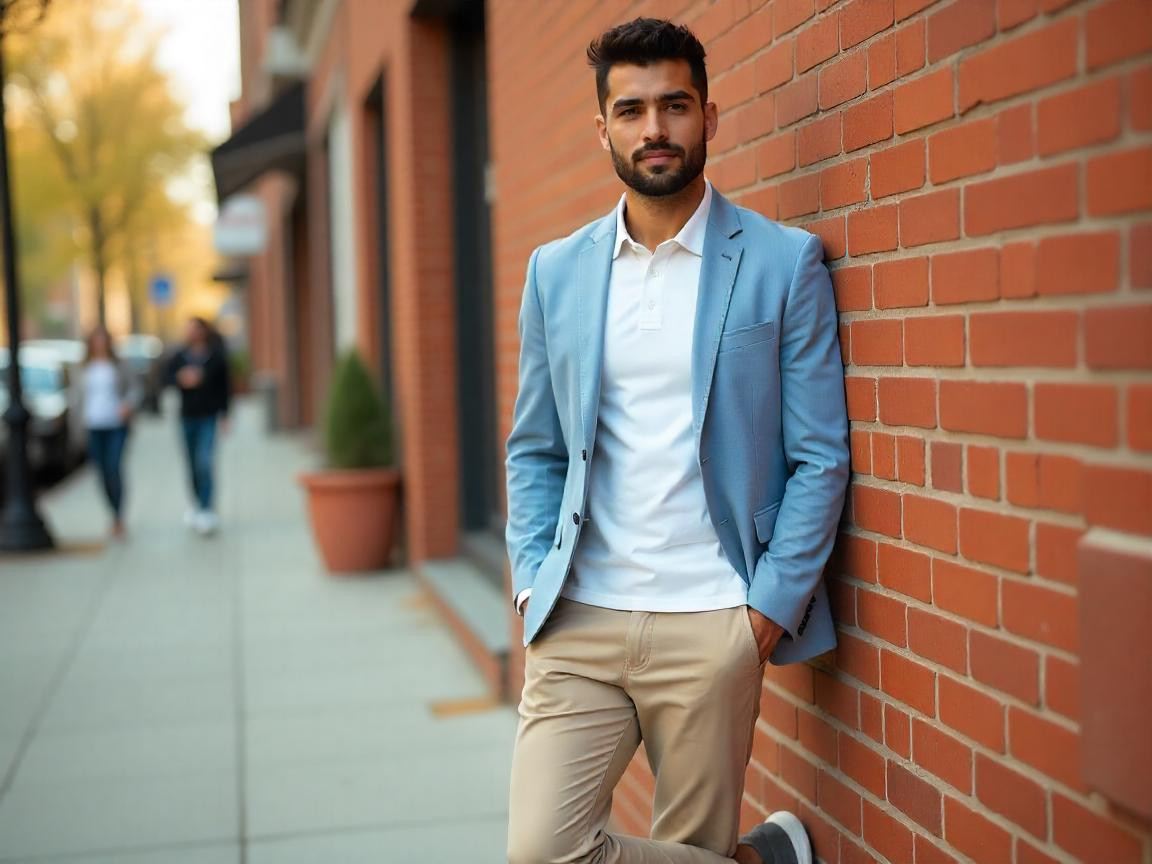
Credit: hangrr.com
Business Casual Do’s And Don’ts
Knowing what to wear is just one part. Understanding mistakes and best practices makes a big difference.
Do’s
- Keep clothes clean and pressed.
- Choose neutral colors like navy, gray, or beige.
- Invest in good shoes.
- Wear a belt that matches your shoes.
- Have at least 3 shirts and 2 pairs of pants to rotate.
Don’ts
- Avoid sneakers unless your office allows them.
- Don’t wear T-shirts or graphic shirts.
- Skip shorts and sweatpants.
- Avoid bright colors or wild patterns.
- Don’t wear wrinkled or stained clothes.
Non-obvious insight: Men often forget to check the fit of their shirts and pants after washing. Clothes can shrink or lose shape, so try them on regularly.
Business Casual For Different Body Types
Every man’s body is different. Choosing the right fit makes you look better and feel more comfortable.
Slim Body Type
- Pick slim-fit shirts and pants.
- Avoid baggy clothing; it can make you look smaller.
Athletic Body Type
- Choose tailored shirts with room in the shoulders.
- Chinos or dress pants with a tapered leg fit best.
Larger Body Type
- Select shirts with a relaxed fit, but not oversized.
- Dark colors help create a slimmer look.
- Avoid shiny fabrics.
Average Body Type
- Most classic fits work well.
- Try different brands to find the best shape for you.
Non-obvious insight: Many men buy clothes based only on size. Focus on fit and proportion, not just the tag. Even two shirts labeled “medium” can fit very differently.

Credit: stylegirlfriend.com
Business Casual Around The World
Business casual is not the same everywhere. Let’s look at how it changes in different countries and regions.
United States
Business casual often means button-down shirts, chinos, and leather shoes. Some offices allow polos or sweaters.
United Kingdom
Men wear collared shirts and wool trousers. Blazers are common, but ties are optional.
Europe
Styles are more tailored. Slim-fit pants and shirts are popular. Colors are often muted.
Asia
Business casual is more formal. Dark dress pants and crisp shirts are standard. Sneakers are rare.
Australia
Lightweight fabrics are popular due to the climate. Chinos, polos, and loafers are common.
Non-obvious insight: Some international offices use business casual as a way to encourage creativity. They may allow jeans or stylish sneakers—but always ask your HR for rules.
Building A Business Casual Wardrobe: Practical Guide
You don’t need to buy everything at once. Start with basics, then add layers.
Step 1: Buy Core Pieces
- 3–5 collared shirts
- 2 pairs of dress pants
- 1–2 pairs of chinos
- 2 pairs of leather shoes
Step 2: Add Layers
- 1–2 sweaters or cardigans
- 1 blazer
Step 3: Accessories
- 2–3 belts (black and brown)
- 2–3 pairs of socks
Step 4: Seasonal Items
- Lightweight shirts for summer
- Wool pants and scarves for winter
Step 5: Maintenance
- Use a steamer or iron to keep clothes wrinkle-free.
- Store shoes with shoe trees to keep their shape.
- Rotate outfits to avoid wear and tear.
Comparing Business Casual Brands For Men
Choosing the right brands helps you look stylish and feel comfortable. Here’s a comparison of popular options.
| Brand | Style Focus | Price Range | Quality |
|---|---|---|---|
| Brooks Brothers | Classic | Medium-High | High |
| Banana Republic | Modern | Medium | Medium-High |
| Uniqlo | Minimalist | Low-Medium | Medium |
| J.Crew | Casual-Classic | Medium | Medium |
Brooks Brothers is known for traditional shirts and pants. Banana Republic offers modern fits and colors. Uniqlo is affordable and minimalist. J. Crew is good for casual classic pieces.
Business Casual For Special Occasions
Sometimes you need to dress business casual for events outside the office. Here’s how to adapt your look.
Networking Events
Wear a button-down shirt and chinos. Add a blazer if the event is formal. Choose leather shoes.
Job Interviews
Stick to classic business casual: collared shirt, dress pants, and leather shoes. Avoid bold colors.
Company Parties
You can add a sweater or polo. Chinos work well. Don’t overdress—leave the tie at home.
Presentations
Layer a blazer over your shirt. Choose dark pants and simple shoes. Look confident but comfortable.
Non-obvious insight: For interviews, always check the company dress code. If unsure, dress slightly more formal than business casual.
Common Mistakes Men Make With Business Casual
Many men misunderstand business casual. Avoid these mistakes:
- Wearing jeans that are too casual.
- Using sneakers in formal offices.
- Choosing shirts with loud prints.
- Forgetting to match belt and shoes.
- Wearing wrinkled or stained clothes.
- Ignoring fit and buying clothes too loose or tight.
- Over-accessorizing with watches, bracelets, or hats.
Non-obvious insight: Men often skip regular updates to their wardrobe. Styles change and clothes wear out. Refresh your business casual pieces every 2–3 years for best results.
Business Casual In Remote And Hybrid Workplaces
With remote work, business casual has changed. Many men work from home and wonder what to wear for video calls.
Video Calls
Wear a collared shirt or sweater. Avoid T-shirts or hoodies. Choose neutral colors—bright shades can look strange on camera.
Hybrid Offices
Mix business casual with smart casual. You may wear chinos and a polo in the office, but switch to a sweater at home.
Non-obvious insight: For video calls, focus on upper body clothing. Pants matter less, but don’t wear shorts—unexpected camera movement can be embarrassing.
How To Stay Comfortable In Business Casual
Comfort is important. Here’s how to feel good all day in business casual.
- Choose fabrics like cotton, wool, or linen for breathability.
- Avoid tight collars and heavy sweaters.
- Layer smartly—add or remove a blazer or sweater as needed.
- Wear shoes with soft insoles.
Non-obvious insight: Many men don’t realize that fabric blends help with comfort. For example, cotton-poly blends wrinkle less and stretch more.
Caring For Business Casual Clothes
Proper care makes your clothes last longer.
- Wash shirts in cold water to prevent shrinking.
- Hang pants and shirts to dry.
- Use shoe trees for leather shoes.
- Iron or steam clothes for a crisp look.
- Store sweaters folded, not hung, to avoid stretching.
Non-obvious insight: Rotate shoes and pants. Wearing the same pair every day wears them out quickly.

Credit: www.hockerty.com
Business Casual For Different Seasons
Weather affects your choices. Adjust your outfits for comfort and style.
| Season | Recommended Clothing | Colors | Tips |
|---|---|---|---|
| Spring | Light shirts, chinos, loafers | Pastels, beige | Layer with a thin sweater |
| Summer | Polo, linen shirts, dress shorts (if allowed) | Light colors | Choose breathable fabrics |
| Fall | Button-downs, wool pants, boots | Earth tones | Add a blazer or cardigan |
| Winter | Heavy sweaters, dark pants, scarves | Dark colors | Layer for warmth |
Non-obvious insight: Many men forget to change their shoe style for different seasons. Dress boots are best for winter, loafers for spring and summer.
Business Casual For Beginners: Step-by-step
If you are new to business casual, start simple.
- Buy two pairs of dress pants (navy and gray).
- Get three button-down shirts (white, blue, and pale pink).
- Purchase brown and black leather shoes.
- Add one blazer and one sweater.
- Buy two belts (brown and black).
Try different combinations. Once you feel comfortable, add chinos, polos, and extra layers.
Non-obvious insight: Many beginners focus only on shirts and pants. Don’t forget shoes and belts—they complete your look.
Where To Shop For Business Casual
Good stores make shopping easy. Choose shops that offer reliable fit and quality.
- Brooks Brothers: Classic office wear
- Banana Republic: Modern business casual
- Uniqlo: Affordable basics
- J.Crew: Casual classics
Online shopping is popular. Check size charts and reviews. If possible, visit a store to try clothes on.
For more detailed guidance, visit Wikipedia.
Frequently Asked Questions
What Is The Best Shirt For Business Casual?
A button-down shirt in a solid color is best. Choose white, light blue, or pale pink. Make sure it is clean, pressed, and fits well.
Can I Wear Jeans In Business Casual?
Jeans are not usually business casual. Some creative offices allow dark, clean jeans with a collared shirt. Always check your workplace rules before wearing jeans.
Are Sneakers Allowed In Business Casual?
Sneakers are rarely business casual. Only some tech or creative offices accept stylish sneakers. Leather shoes are safer for most workplaces.
How Many Business Casual Outfits Do I Need?
You should have at least three shirts and two pairs of pants. This gives you enough options to rotate and keep your clothes fresh.
Is A Tie Required For Business Casual?
A tie is not required in business casual. You can add one for extra polish, but most offices prefer no tie. Focus on neat, well-fitted clothes instead.
Business casual is a smart, flexible style that helps men feel confident and comfortable at work. By understanding its principles, choosing the right pieces, and avoiding common mistakes, you can build a wardrobe that fits your office and your personality.
It’s not about expensive clothes or strict rules—it’s about looking your best every day.
