

What Gym Clothes You Need for Maximum Comfort and Performance
What Gym Clothes: The Complete Guide to Choosing the Right Workout Wear
Walking into a gym for the first time can be intimidating. There’s the sound of clanging weights, the smell of sweat, and, for many, the big question: What gym clothes should I wear? This is not just about looking good—choosing the right workout gear can make a huge difference in how comfortable, confident, and effective your training is. The right clothes protect your skin, support your body, and help you move freely. But with so many options, technical terms, and fitness trends, it’s easy to get confused.
This guide will help you understand every aspect of gym clothing. We’ll cover what to wear for different workouts, how to choose the best materials, tips for men and women, and common mistakes to avoid. We’ll also look at how gym clothes impact performance and confidence, and answer the questions people often ask.
By the end, you’ll know exactly how to pick gym wear that works for your goals, body, and comfort.
Why Gym Clothes Matter
The clothes you wear to the gym do much more than cover your body. Proper gym attire can:
- Prevent injuries by supporting your muscles and joints.
- Wick away sweat to keep you dry.
- Allow you to move naturally, without restriction.
- Protect your skin from equipment and friction.
- Boost your motivation and confidence.
A study from the Journal of Strength and Conditioning Research found that compression clothing can help improve blood flow and muscle recovery. People who feel good in their gym clothes are also more likely to exercise regularly and push themselves further.
Essential Types Of Gym Clothes
Let’s break down the main pieces of clothing you’ll need for most workout routines, whether you’re lifting weights, running, or joining a group class.
1. Tops
T-shirts, tank tops, and long-sleeve shirts are the go-to choices. Look for moisture-wicking fabrics like polyester or blends with spandex for stretch. Cotton can feel comfortable at first but holds sweat, which can get heavy and uncomfortable.
For high-intensity workouts, opt for sleeveless or lightweight tops. For yoga or stretching, a snug but soft long-sleeve can keep you warm during slow movements. Breathable mesh panels help with airflow.
2. Bottoms
Your options include shorts, leggings, joggers, or track pants. Men often prefer shorts for weightlifting or cardio. Women might choose leggings for comfort and coverage during squats or yoga.
Make sure your bottoms aren’t too loose (to avoid catching on equipment) or too tight (which can restrict movement). For running, look for shorts with built-in liners for support. For lifting, flexible waistbands prevent digging in when you bend or sit.
3. Sports Bras
A good sports bra is essential for women. It reduces movement, prevents discomfort, and supports breast health. High-impact sports bras are best for running or HIIT, while lighter support works for yoga or Pilates.
Sports bras come with adjustable straps, padding, and different closure types. Try on several to find what feels right—no pinching or digging. Replace your sports bra if it loses shape or elasticity.
4. Underwear
Choose seamless, moisture-wicking underwear. Cotton underwear can get soggy, cause chafing, and trap odors. There are special athletic underwear options for both men and women, designed to stay in place and breathe well.
5. Socks
Good socks prevent blisters and keep your feet dry. Look for socks with arch support, cushioned soles, and sweat-wicking materials. For intense activities, avoid cotton. Some people prefer compression socks for improved circulation.
6. Shoes
Shoes are one of the most important pieces of gym clothing. The right workout shoes protect your feet, support your arches, and help you move safely.
- Running shoes: Best for treadmill and cardio.
- Cross-trainers: Good for a mix of activities.
- Lifting shoes: Have a flat sole for stability.
- Minimalist shoes: Some prefer these for deadlifts or squats.
Replace your gym shoes when they lose grip or feel less supportive.
7. Outerwear
If you’re training outdoors or going to the gym in cold weather, add layers like hoodies, windbreakers, or light jackets. Choose materials that keep you warm but breathe well. Zippers and pockets are a plus for carrying small items.
8. Accessories
Items like headbands, wristbands, gloves, and hats can be useful. Headbands keep sweat out of your eyes. Gloves help prevent calluses during weightlifting. Always choose accessories made for athletic use.
How To Choose The Right Fabric
The material of your gym clothes impacts comfort, hygiene, and performance. Here’s what you need to know about different fabrics:
| Fabric | Key Features | Best For |
|---|---|---|
| Polyester | Durable, moisture-wicking, quick-dry | Most workouts |
| Nylon | Soft, stretchy, dries quickly | Yoga, running, HIIT |
| Spandex (Lycra) | Super stretchy, keeps shape | Leggings, fitted tops |
| Merino wool | Natural, odor-resistant, regulates temp | Outdoor training, winter workouts |
| Cotton blends | Soft, breathable, holds sweat | Low-sweat activities, light stretching |
Synthetic fabrics like polyester and nylon are best for sweat-heavy workouts. They wick moisture away from your skin. Merino wool is a smart choice if you train outside—warm in the cold, cool in the heat, and resists odors.
Avoid 100% cotton for high-intensity exercise. It stays wet and can cause chafing. For people with sensitive skin, bamboo or modal fabrics can be gentle and breathable.
Gym Clothes For Different Types Of Workouts
Every workout has unique needs. Here’s how to dress for common types of exercise.
Weightlifting
Wear fitted clothes that don’t get caught on equipment. Shorts or leggings with a stretchy waistband and a close-fitting top work well. Shoes should have a flat, stable sole. Gloves can protect your hands.
Cardio (running, Cycling, Hiit)
Pick lightweight, sweat-wicking tops and bottoms. Shorts or capri tights allow your legs to move freely. Supportive sports bras are a must for women. Running shoes with good cushioning help absorb impact.
Yoga And Pilates
Choose flexible, soft clothing that moves with your body. High-waisted leggings and a snug tank top keep you covered during stretches and inversions. Avoid zippers or buttons that can dig into your skin.
Group Classes (zumba, Dance, Aerobics)
Look for fun, breathable clothes. Tank tops, shorts, or leggings paired with cross-trainers are best. You may want sweatbands or a headband to keep hair and sweat out of your face.
Outdoor Training
Layer with weather-resistant jackets or vests. If you exercise at dawn or dusk, wear bright or reflective gym clothes for safety. Gloves and hats help in cold weather.
How To Get The Right Fit
Even high-quality gym wear won’t work if it doesn’t fit your body. Here’s how to get it right:
- Tops: Should be long enough to cover your midsection when you reach up. Not too baggy or tight.
- Bottoms: Waistbands should stay up without digging in. Test by squatting or jumping.
- Sports bras: Should stay in place when you move. Try jumping or running in place to check support.
- Shoes: Have enough toe room but don’t slip at the heel.
When trying on gym clothes, move around. If anything pinches, rides up, or restricts you, try another size or style.
What Men Should Wear To The Gym
Men’s gym wear is all about function, support, and freedom of movement. Here’s what works best:
- Tops: Moisture-wicking T-shirts or sleeveless shirts.
- Bottoms: Athletic shorts for most workouts, joggers or tights for running or stretching.
- Underwear: Look for compression or athletic boxer briefs to prevent chafing.
- Socks: Cushioned, sweat-wicking crew or ankle socks.
- Shoes: Choose based on your main activity—running, lifting, or cross-training.
- Accessories: Some men use wrist wraps for heavy lifting or headbands for sweat control.
Don’t fall into the trap of wearing old, worn-out clothes. Modern gym wear can help you perform better and feel more confident.
What Women Should Wear To The Gym
Women’s gym clothes have become both functional and stylish. The right choices depend on your body, preferences, and workout type:
- Tops: Fitted tank tops, crop tops, or T-shirts in moisture-wicking fabric.
- Bottoms: High-waisted leggings, capris, or shorts. Look for squat-proof designs that don’t become see-through.
- Sports bras: Always choose based on the intensity of your workout.
- Underwear: Seamless, breathable options to avoid lines and discomfort.
- Socks: Low-cut, ankle, or no-show socks with arch support.
- Shoes: Tailor to your main workout—running, cross-training, or lifting.
- Accessories: Hair ties, headbands, and gloves (for heavy lifting) can improve comfort.
Try on clothes in-store when possible or order from brands with good return policies. The right gym wear should make you want to move, not adjust your outfit every few minutes.
Mistakes To Avoid When Choosing Gym Clothes
Many people make simple mistakes when picking their workout clothes. Here’s what to avoid:
- Wearing old cotton T-shirts: They trap sweat and can cause rashes.
- Choosing clothes that are too tight: This can reduce movement and cause discomfort.
- Ignoring shoe support: The wrong shoes can cause pain and injury.
- Forgetting about underwear: Non-athletic underwear leads to chafing.
- Wearing see-through leggings: Always check with a squat test in good lighting.
- Skipping sports bras: Regular bras do not offer enough support for active women.
- Ignoring weather: Dress for the temperature and humidity, especially outdoors.
- Not washing gym clothes properly: Sweat and bacteria can build up, causing odor and skin issues.
- Wearing jewelry: Rings and bracelets can catch on equipment or scratch your skin.
- Overlooking fit: If you’re constantly adjusting your clothes, they’re not right.
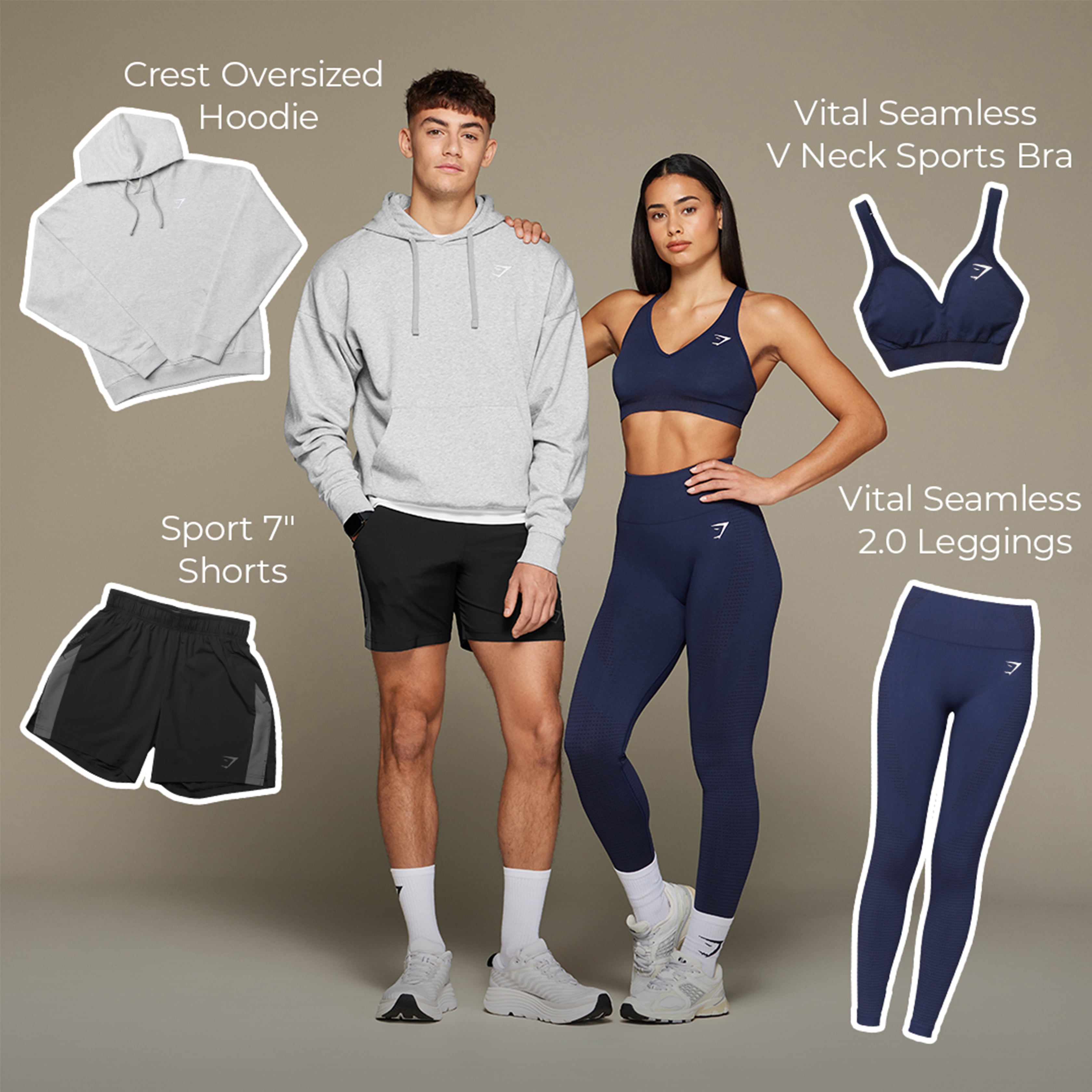
Credit: row.gymshark.com
Comparing Price Vs. Performance In Gym Clothes
You don’t need to spend a fortune, but quality matters. Here’s a side-by-side look at how price can affect performance:
| Price Range | Features | Best For |
|---|---|---|
| Low (Budget) | Basic fabrics, less durable, simple design | Beginners, light activity |
| Mid-Range | Better fit, moisture-wicking, more styles | Regular gym-goers |
| High-End | Advanced materials, compression, long-lasting | Serious athletes, heavy use |
Some brands are expensive but offer unique features like anti-odor technology, seamless design, or eco-friendly materials. Consider your budget, but invest in at least one or two quality pieces for comfort and durability.
How To Care For Gym Clothes
Proper care helps your gym wear last longer and stay fresh:
- Wash after each use, especially if sweaty.
- Use cold water and gentle detergent to protect fabrics.
- Avoid fabric softeners—they can block moisture-wicking properties.
- Air dry when possible to keep elasticity.
- Wash inside out to protect prints and seams.
Don’t leave sweaty clothes in your bag for hours—they’ll smell and bacteria will grow. If you notice persistent odors, soak in vinegar before washing.
Special Considerations: Plus Size, Petite, And Tall Gym Wear
People come in all shapes and sizes, and so should gym clothes. Many brands now offer:
- Plus-size gym wear: With wider waistbands, stronger seams, and stretchy materials.
- Petite options: Shorter inseams, smaller armholes, and cropped tops.
- Tall sizes: Longer legs, sleeves, and overall length.
If you’re in between sizes, look for adjustable waistbands or built-in drawstrings. The key is to feel supported, not squeezed.
Gym Clothes For Special Needs
Some people need gym clothes with special features:
- Maternity workout wear: Extra stretch in the belly, soft seams.
- Adaptive clothing: For people with disabilities or mobility issues—magnetic closures, easy access.
- Sensitive skin: Look for hypoallergenic fabrics, flat seams, and no tags.
If you have a specific medical need, ask your doctor or physical therapist for recommendations.

Credit: interprofitness.com
How Gym Clothes Affect Motivation And Performance
Wearing the right gym clothes is not just about function. It can change how you feel and perform. Studies show that enclothed cognition—the idea that clothing affects your mindset—can increase confidence and effort.
For example, putting on a bright tank top or your favorite leggings might make you excited to work out. If you feel uncomfortable or self-conscious, you’re less likely to push yourself. Investing in gym wear that fits well and looks good can become part of your routine and motivation.
Sustainable And Eco-friendly Gym Wear
Many people now care about how their clothes are made. Sustainable gym wear uses:
- Recycled polyester from plastic bottles.
- Organic cotton grown without harmful chemicals.
- Bamboo and other renewable materials.
Some brands also use low-impact dyes or biodegradable packaging. While eco-friendly options can cost more, they’re better for the planet and often more skin-friendly.
For more on sustainable gym wear and the science behind fabrics, you can read about it at the Wikipedia entry on sportswear.
Real-world Tips For Choosing And Using Gym Clothes
- Always test new clothes before a big workout.
- Bring a change of clothes for after your session.
- Buy multiple pairs of socks and underwear—you’ll need them.
- Store gym clothes in a breathable bag to prevent odors.
- Watch for sales or outlet stores to get quality gear for less.
Some gyms have dress codes (for safety or hygiene), so check the rules before buying expensive or revealing outfits.
Frequently Asked Questions
What Should I Wear To The Gym For The First Time?
Start with basics: a moisture-wicking T-shirt, athletic shorts or leggings, supportive underwear, and proper workout shoes. Avoid cotton and very loose clothing. Comfort and freedom of movement matter most.
How Often Should I Replace Gym Clothes?
Replace gym shoes every 300-500 miles of use or when they lose support. Sports bras should be replaced when they stretch out or after 6-12 months of heavy use. Tops and bottoms can last longer but should be replaced if they become see-through, lose shape, or develop odor that doesn’t wash out.
Can I Wear Regular Clothes To The Gym?
Regular clothes, like denim or non-athletic shorts, are not designed for movement or sweat. They can cause discomfort or even injury. Always choose workout-specific clothing for better performance and hygiene.
What If My Gym Clothes Smell Even After Washing?
Persistent odor means bacteria are trapped in the fabric. Soak gym clothes in a mix of vinegar and water before washing. Use sports detergents and always air dry. Avoid leaving wet clothes in bags for long periods.
Are Expensive Gym Clothes Worth It?
Not always. Mid-range brands often offer good value. Expensive gym wear may last longer or have special features, but comfort and fit matter more. Try different brands and find what works for your needs and budget.
Making the right choices for your gym clothes can transform your workout experience. Whether you’re a beginner or a seasoned athlete, the right gear helps you stay comfortable, safe, and motivated. Listen to your body, invest in quality where it counts, and never underestimate the power of feeling good in what you wear.
When you step into the gym ready and dressed for success, you’re already halfway to your goals.
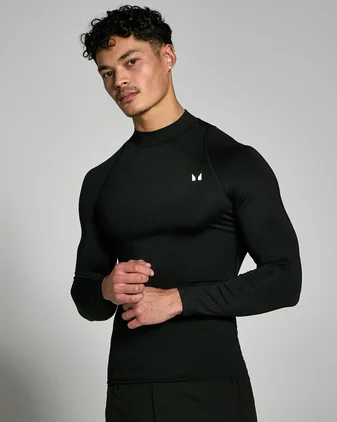
Credit: www.mp.com
