

What Gym Clothes You Need for Every Workout Routine
What Gym Clothes: The Complete Guide to Choosing and Using Workout Apparel
Walking into a gym for the first time can be exciting—and sometimes a little confusing. One common question people ask is, “What gym clothes should I wear? ” The answer is not as simple as grabbing any T-shirt and shorts from your closet.
The right gym clothes can help you stay comfortable, avoid injury, and even boost your confidence and performance. But with so many options, fabrics, and styles, it’s easy to feel overwhelmed.
This guide will take you through everything you need to know about gym clothes. You’ll learn which pieces are essential, what materials work best, how to choose for different workouts, and even how to care for your gear. If you want to make the most of your workout and feel good doing it, read on.
Why Gym Clothes Matter
Many people think any comfortable clothes are fine for the gym. While comfort is important, specialized gym clothes offer real benefits:
- Moisture control: Gym clothes wick sweat away from your body, keeping you dry.
- Improved movement: The right fit and fabric stretch with your body, letting you move freely.
- Safety: Good gym wear can prevent chafing and reduce the risk of accidents.
- Confidence: Well-chosen clothes can boost how you feel about your workout.
A study by the International Journal of Sports Science & Coaching found that wearing performance apparel improved focus and motivation during exercise. The right gear isn’t just about looks—it can help you train better.
Essential Gym Clothes For Every Workout
Not all gym clothes are created equal. Here’s a breakdown of what you really need, whether you’re new to the gym or a regular visitor.
1. Athletic Tops
A good top is your workout foundation. Choose breathable T-shirts or tank tops made from moisture-wicking fabrics like polyester blends or nylon. Avoid 100% cotton for intense workouts; it holds sweat and can become heavy.
- For men, fitted or loose athletic T-shirts work well.
- For women, tank tops and sports bras are popular for keeping cool.
Look for tops with mesh panels for extra ventilation if you sweat a lot.
2. Sports Bras
A sports bra is essential for women. It provides support, reduces movement, and helps prevent pain or injury. The right sports bra can make a huge difference in comfort, especially for high-impact activities like running or HIIT classes.
Choose a sports bra based on your activity:
- Low impact (yoga, walking): Light support bras.
- Medium impact (cycling, dance): Moderate support.
- High impact (running, aerobics): Maximum support, wider straps.
Test the fit by jumping up and down. If there’s too much movement, try a firmer style.
3. Workout Bottoms
Your choice of shorts, leggings, or pants depends on your activity and comfort.
- Shorts are great for high-intensity workouts and hot weather.
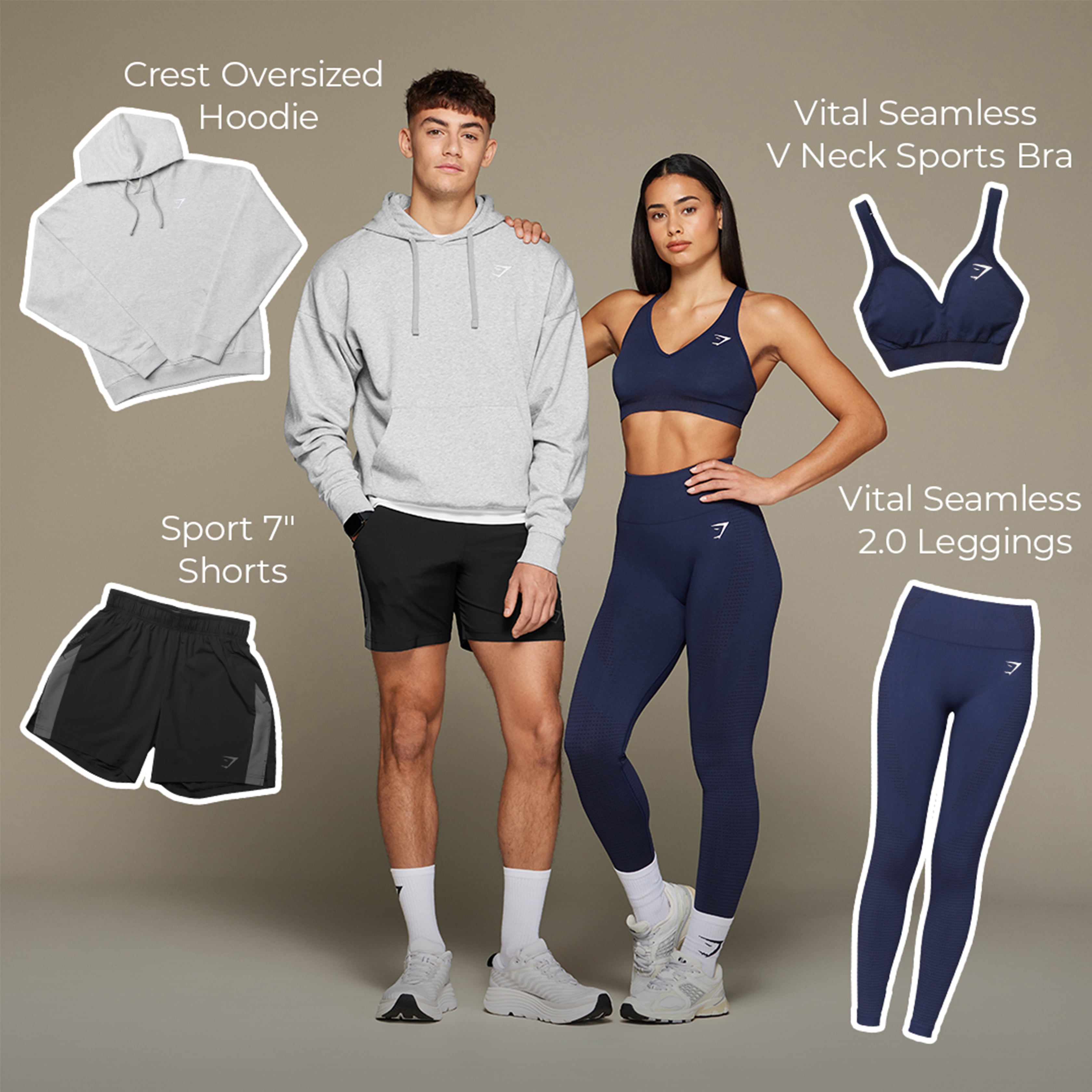
- Leggings offer coverage and support, ideal for yoga, strength training, and running.
- Track pants or joggers keep you warm for outdoor workouts or warm-ups.
Look for a secure waistband and a fit that doesn’t ride up or slip down during exercise.
4. Athletic Shoes
Footwear is one of the most important pieces of gym gear. The right athletic shoes support your feet, reduce injury risk, and improve performance.
Choose shoes based on your main activity:
- Running shoes: Cushioned for forward movement.
- Training shoes: Flat, stable base for lifting and multi-directional movement.
- Cross-trainers: Versatile for mixed routines.
Replace shoes every 500–800 kilometers or if you feel pain or see worn soles.
5. Socks
Don’t overlook gym socks. They keep your feet dry, prevent blisters, and add comfort. Look for socks labeled “moisture-wicking” and with a snug fit around the arch.
Avoid cotton socks for long workouts—they absorb sweat and can cause blisters.
6. Outerwear And Layers
If you work out in a cold gym or outdoors, you’ll need layers like a lightweight jacket, hoodie, or long-sleeve shirt. Look for zip-up styles you can remove easily as you warm up.
Choose windproof or water-resistant outerwear for outdoor running or cycling.
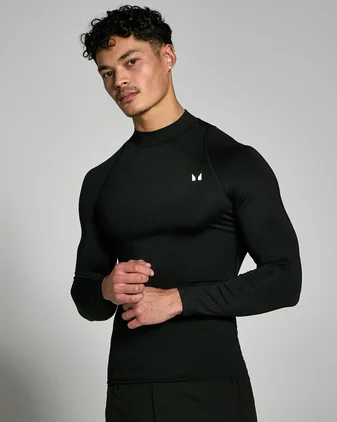
7. Compression Gear
Compression leggings, shorts, or tops are made from stretchy fabrics that fit tightly. They can improve circulation, reduce muscle fatigue, and speed up recovery.
Some studies suggest compression gear can help with muscle soreness, though results vary. Many athletes find them comfortable for long training sessions.
8. Headbands, Hats, And Sweatbands
Accessories like headbands and sweatbands keep sweat out of your eyes. A lightweight hat or cap can protect you from sun or cold if you exercise outdoors.
Look for washable, quick-dry materials for these items.
9. Gloves And Grips
If you lift weights, gym gloves or lifting grips can protect your hands from blisters and calluses. They also improve grip on bars and dumbbells.
Choose gloves that fit snugly and allow your fingers to move freely.
10. Gym Bags
A gym bag keeps your gear organized. Look for one with separate compartments for shoes, wet clothes, and valuables.
Water-resistant materials help keep your items dry in case of spills or rain.
Credit: www.mp.com
Choosing The Right Fabrics
Not all materials perform the same in the gym. Here’s a closer look at the most common gym clothing fabrics and how they compare.
| Fabric | Best For | Key Features | Common Drawbacks |
|---|---|---|---|
| Polyester | All workouts | Wicks moisture, durable, quick-dry | May retain odors |
| Nylon | High-intensity, outdoor | Stretchy, cool, abrasion-resistant | Can pill over time |
| Spandex (Lycra) | Yoga, compression gear | Super stretchy, flexible | May lose shape if overused |
| Merino wool | Outdoor, cold weather | Warm, resists odor, wicks sweat | Expensive, delicate |
| Cotton | Low-sweat activities | Soft, affordable, breathable | Holds moisture, heavy when wet |
Polyester and nylon are the most popular for gym wear. They balance comfort, durability, and moisture control. Avoid 100% cotton for high-sweat sessions—it gets heavy and dries slowly.
Quick Tip
If you have sensitive skin, try merino wool or bamboo-based fabrics. They are soft and naturally resist bacteria and odors.
What To Wear For Different Workouts
Every type of workout has unique clothing needs. Here’s how to choose for common gym activities.
Strength Training
- Fitted T-shirt or tank top
- Stretchy leggings or shorts
- Flat, stable training shoes
- Optional: Weightlifting gloves
Choose clothes that don’t restrict movement but also aren’t too loose, as baggy clothing can get caught in equipment.
Cardio (running, Cycling, Hiit)
- Moisture-wicking top
- Lightweight shorts or leggings
- Supportive running or cross-training shoes
- Absorbent socks
If you sweat heavily, bring a spare shirt or towel.
Yoga And Pilates
- Stretchy, fitted tank or crop top
- High-waisted leggings or capris
- Barefoot or grip socks
- Optional: Light sweater for cool-down
Avoid zippers or buttons—they can dig into your skin during floor work.
Group Classes (zumba, Aerobics, Dance)
- Bright, comfortable tank or tee
- Flexible leggings or shorts
- Supportive sports bra
- Lightweight sneakers
Choose fun colors or prints if you want to stand out and feel energized.
Outdoor Workouts
- Layered tops (base layer + jacket)
- Thermal leggings or track pants
- Weather-appropriate shoes
- Hat or gloves for warmth
Use reflective details if you exercise early in the morning or at night.
Swimming
- Performance swimsuit or swim trunks
- Swim cap (optional)
- Goggles
Rinse your swim gear after each session to prevent chlorine damage.
How To Choose The Right Fit
A common mistake is buying gym clothes based only on style or brand, not fit. The right fit keeps you comfortable and safe.
Tips For Finding The Perfect Fit
- Check the stretch: Move your arms and legs in the dressing room. Clothes should flex with your movement.
- Test the waistband: For leggings or shorts, squat or jump. The waistband should stay in place.
- Look for coverage: Bend and move to make sure nothing becomes see-through or rides up.
- Avoid too tight or too loose: Tight clothes can restrict blood flow; loose clothes can snag on machines.
A good rule: If you forget about your clothes during your workout, you chose well.
Caring For Your Gym Clothes
Activewear can be an investment, so taking care of it keeps it performing longer.
Washing Tips
- Wash gym clothes separately from regular laundry.
- Use cold water and mild detergent.
- Avoid fabric softener—it can block the fabric’s moisture-wicking ability.
- Hang dry if possible; high heat can damage stretch fibers.
Dealing With Odors
Workout clothes can develop persistent odors. To remove them:
- Soak in a mix of vinegar and water before washing.
- Use a sports detergent designed for synthetic fabrics.
- Dry in direct sunlight when possible.
Storage
Let clothes dry completely before putting them in your gym bag to prevent mildew. Turn clothes inside out when washing to help preserve color and performance.
Gym Clothes For Different Body Types
Everyone’s body is unique, and the right gym clothes can help you feel confident and supported.
For Curvier Bodies
- Choose high-waisted leggings for extra support.
- Look for tops with wider straps and built-in bras.
- Avoid thin, see-through fabrics.
For Tall Or Petite Frames
- Many brands offer “tall” and “petite” lengths for leggings and pants.
- Crop tops or longline bras can help with fit issues.
For Larger Busts
- Seek out high-support sports bras with adjustable straps and wide bands.
- Layer with a fitted tank for extra coverage.
Try different brands—fits can vary, so don’t settle for clothes that don’t feel right.
Sustainable And Ethical Gym Clothes
Many brands now focus on eco-friendly and ethical production. Choosing these options can reduce your environmental impact.
- Look for recycled polyester or organic cotton.
- Check if the brand uses fair labor practices.
- Some companies offer take-back programs for old gear.
While sustainable options can be pricier, they often last longer and use fewer chemicals.
Credit: row.gymshark.com
Common Mistakes When Choosing Gym Clothes
Even seasoned gym-goers make mistakes with their workout wear. Here are some to watch out for:
- Wearing old cotton T-shirts: They soak up sweat and feel heavy.
- Buying clothes too tight: Restricts movement and comfort.
- Ignoring shoe type: Wrong shoes can lead to pain or injury.
- Skipping a sports bra: Essential for women, even with low-impact workouts.
- Not checking for see-through fabrics: Test leggings and tops in natural light.
- Forgetting about socks: Good socks are as important as shoes for comfort.
Paying attention to these details can make your workouts much more enjoyable.
Gym Clothes For Different Budgets
You don’t have to spend a fortune on gym clothes. Here’s how options compare at different price points:
| Price Range | What to Expect | Pros | Cons |
|---|---|---|---|
| Budget | Basic tees, shorts, generic brands | Affordable, easy to replace | May wear out faster, less tech features |
| Mid-range | Popular activewear brands, better fabrics | Good performance, wide selection | More expensive, fashion-focused |
| Premium | Top brands, compression gear, eco-friendly | Best fit, durability, advanced features | High cost, not always necessary for beginners |
Start with a few essentials, then invest in higher-quality pieces as you figure out your needs.
Non-obvious Insights Most Beginners Miss
- Don’t skip a warm-up jacket or layer. Even if you feel warm at home, your body needs to stay warm at the start of your workout. A light jacket helps prevent muscle strains.
- Bring a spare shirt. Changing into a dry shirt after your workout helps prevent skin irritation and body acne—especially if you head straight to work or errands.
- Choose dark colors for high-sweat workouts. Sweat shows less on dark fabrics, which helps you feel less self-conscious during intense sessions.
- Try before you buy, if possible. Even with correct sizing, some brands fit differently. Try on clothes and move around to check comfort.
Gym Clothes For Special Needs
If you have allergies, sensitive skin, or other special needs, pay extra attention to:
- Fabric: Merino wool and bamboo are hypoallergenic.
- Tags and seams: Look for seamless or flat-seam designs to reduce irritation.
- Adaptive gym wear: Some brands offer easy-on options for people with limited mobility.
How To Build A Gym Wardrobe
You don’t need dozens of outfits to get started. Here’s a simple approach:
- Two to three moisture-wicking tops
- Two pairs of shorts or leggings
- One or two sports bras (for women)
- Two pairs of good socks
- One pair of quality athletic shoes
- One lightweight jacket or hoodie
Rotate items and wash regularly. As you discover your favorite activities, add specialized pieces like compression wear or swimming gear.
Gym Clothes And Gym Etiquette
Wearing the right clothes is also about respecting the gym and those around you.
- Avoid overly revealing or distracting outfits.
- Use a towel to wipe equipment after use.
- Keep shoes and clothes clean—strong odors can bother others.
- Don’t leave sweaty clothes in shared spaces.
Following these simple rules helps keep the gym a comfortable place for everyone.
Trends In Gym Fashion
Activewear is now a major part of everyday fashion. Some trends include:
- Bold prints and colors: More brands offer unique, bright patterns.
- Sustainable fabrics: Eco-friendly materials are popular.
- Athleisure: Gym clothes designed to look good outside the gym.
Just remember: comfort and function always come first.
Where To Buy Gym Clothes
You can find gym clothes at sports stores, department stores, and online. Popular brands include Nike, Adidas, Lululemon, Under Armour, and Gymshark. For eco-friendly options, look for Patagonia or Girlfriend Collective.
Try reading reviews and checking return policies before buying online. For sizing help, look for detailed brand size guides.
For more on gym clothing innovations, you can visit the Sportswear (activewear) Wikipedia page.

Credit: interprofitness.com
Frequently Asked Questions
What Are The Best Fabrics For Gym Clothes?
The best fabrics are polyester, nylon, and spandex because they wick moisture, stretch, and dry quickly. Avoid 100% cotton for sweaty workouts as it holds water and can cause chafing.
How Often Should I Wash My Gym Clothes?
Wash your gym clothes after every workout, especially if you sweat a lot. Leaving sweat in the fabric can cause odors and bacteria growth. Hang to dry after washing for best results.
Can I Wear Regular Clothes To The Gym?
You can wear regular clothes, but specialized gym clothes offer better comfort, moisture control, and safety. Regular clothes may not stretch or breathe well, making workouts less enjoyable.
How Do I Choose The Right Sports Bra?
Choose a sports bra based on your activity’s impact level (low, medium, high). Check for a snug but comfortable fit, wide straps for support, and moisture-wicking fabric to stay dry.
Are Expensive Gym Clothes Worth It?
Expensive gym clothes often use better materials and last longer, but budget options can work well for beginners. Focus on fit, comfort, and moisture control before investing in high-priced gear.
Choosing the right gym clothes doesn’t have to be complicated. With the tips in this guide, you can build a wardrobe that helps you perform your best and enjoy every workout. Remember, the goal is to feel comfortable, supported, and confident as you reach for your fitness goals.
