

What Gym Clothes to Wear for Maximum Comfort and Performance
What Gym Clothes: The Complete Guide to Choosing, Wearing, and Caring for Workout Apparel
Finding the right gym clothes can make a big difference in your exercise routine. Whether you’re going to the gym for the first time, or you’re looking to upgrade your workout wardrobe, the clothes you wear play a key role in your comfort, performance, and even motivation. Many people start with any old T-shirt and shorts, but after a few sweaty workouts, they realize that not all gym clothes are equal. Some fabrics trap sweat, some chafe the skin, and some just don’t fit right. Others make you feel confident and ready to move.
In this guide, you’ll learn everything you need to know about gym clothes: what to look for, how to choose the best options for your body and activity, how to avoid common mistakes, and how to care for your gear so it lasts. You’ll also find practical tips and details that most beginners miss, so you can feel prepared and comfortable every time you exercise.
Why Gym Clothes Matter
Many people wonder if special gym clothes are really necessary. The answer is yes, for several reasons:
- Comfort: Good gym clothes are designed to move with your body, stretch in the right places, and stay put during active motions.
- Performance: The right materials can wick away sweat, keep you cool, and help regulate your body temperature.
- Safety: Proper shoes and supportive clothing can reduce the risk of injuries and protect your skin from irritation.
- Confidence: When you feel good in your outfit, you’re more likely to stick with your routine and push yourself harder.
Wearing old cotton shirts or baggy shorts might seem fine at first, but they can get heavy with sweat, cause chafing, or even distract you from your workout. Investing a little in the right gym clothes can help you stay motivated and make exercise more enjoyable.
Essential Types Of Gym Clothes
Every workout wardrobe should cover the basics. Let’s look at the main pieces you’ll need, and what to consider for each one.
Workout Tops
Tops are the first thing people notice and the first layer to absorb sweat. The main options are:
- T-shirts: Look for moisture-wicking materials such as polyester or blends, not 100% cotton. Cotton holds sweat and gets heavy.
- Tank tops: Great for hot environments or those who want extra ventilation. Avoid very loose tanks in group classes, as they can shift during movement.
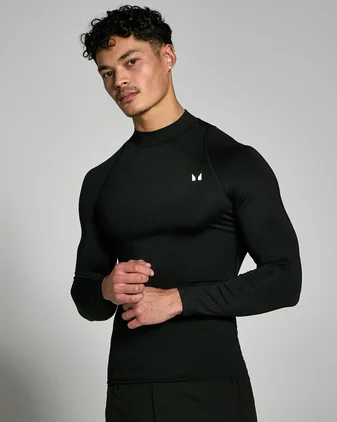
- Long-sleeve shirts: Useful for outdoor workouts or cooler gyms. Choose breathable, quick-drying fabrics.
What To Look For
- Fit: Not too tight, not too loose. You should be able to move freely.
- Seams: Flat seams reduce rubbing and irritation.
- Odor control: Some fabrics have antimicrobial properties that keep clothes fresher longer.
Example
A basic polyester T-shirt designed for training can dry up to 50% faster than a standard cotton shirt, keeping you comfortable during long sessions.
Sports Bras (for Women)
A sports bra is essential for any woman doing physical activity. Regular bras do not offer enough support and can cause pain or discomfort.
Choosing The Right Support
- Low-impact: For yoga, stretching, or walking. Light support, often without underwire.
- Medium-impact: For cycling, weight training, or elliptical machines.
- High-impact: For running, aerobics, or HIIT. Maximum support, often with wider straps and more coverage.
Key Features
- Moisture-wicking: Keeps skin dry and prevents chafing.
- Adjustable straps: Helps achieve the perfect fit.
- No sharp underwires: These can dig into the skin during movement.
Non-obvious insight: The lifespan of a sports bra is typically 6-12 months of regular use. If you notice stretched straps or less support, it’s time to replace it.
Workout Bottoms
The best bottoms depend on your activity and personal preference.
- Shorts: Best for running, cycling, or hot gyms. Look for a length that does not ride up.
- Leggings/tights: Popular for yoga, Pilates, and weightlifting. They offer support and stay in place.
- Joggers: Slightly looser than leggings. Good for warm-ups, cool-downs, or outdoor workouts.
- Capris: Cropped leggings for those who want less coverage than full-length pants.
What To Consider
- Waistband: High-rise waistbands often stay put better and provide support.
- Stretch: At least 10% spandex or elastane helps the fabric move with your body.
- Opacity: Do a squat test to check if leggings become see-through when stretched.
Practical tip: Avoid bottoms with lots of zippers or buttons, which can dig into your skin during floor exercises.
Underwear For Workouts
Many people ignore underwear when buying gym clothes, but the wrong type can cause discomfort or even infections.
For Women
- Choose seamless, moisture-wicking underwear to reduce chafing.
- Cotton is not recommended as it holds moisture.
For Men
- Boxer briefs or trunks made from technical fabrics offer the best support and prevent chafing.
- Avoid loose boxers which can bunch up during movement.
Non-obvious insight: Some gym-goers prefer “commando” (no underwear) under leggings, but make sure leggings have a cotton gusset and are washed after each use.
Gym Shoes
The right shoes can prevent injuries and improve performance. Different activities need different types of shoes.
Types Of Gym Shoes
- Running shoes: Cushioned, flexible, designed for forward motion.
- Cross-trainers: Stable, with a flat base for lifting and side-to-side movement.
- Weightlifting shoes: Very stable, sometimes with a raised heel for squats.
- Minimalist shoes: Light, with little padding. Good for certain types of training, but not for everyone.
Fit And Features
- Leave a thumbnail’s width at the toe.
- The shoe should not slip at the heel.
- Replace gym shoes every 500-800 kilometers of use or if the sole is worn.
Common mistake: Using old running shoes for all workouts. Running shoes lose their shock absorption over time.
Socks
The right socks prevent blisters and help manage sweat.
- Synthetic blends: Dry faster and reduce friction.
- Compression socks: Improve circulation for long sessions or recovery.
- No-show or crew: Choose what feels best, but avoid thick cotton socks.
Tip: Try to have at least three pairs of dedicated gym socks and rotate them for longevity.
Accessories
A few accessories can make your workout more comfortable:
- Headbands: Keep sweat out of your eyes.
- Gloves: Protect hands during weightlifting.
- Arm bands: Hold your phone or music player.
- Gym bag: Store clothes, shoes, and toiletries.
How To Choose The Best Gym Clothes
Choosing the right gym clothes can feel overwhelming with so many options. Here are the key factors to keep in mind.
1. Material Matters
Moisture-wicking fabrics like polyester, nylon, or blends pull sweat away from your skin, keeping you dry. Avoid 100% cotton for most workouts because it soaks up sweat and dries slowly.
Some modern fabrics have added benefits:
- Antimicrobial treatments: Reduce odor.
- Four-way stretch: Moves in all directions.
- UV protection: Good for outdoor workouts.
2. Fit And Comfort
Your gym clothes should:
- Allow a full range of motion.
- Not pinch, bind, or slide down.
- Stay in place during jumping, bending, or stretching.
Non-obvious insight: Try squatting, raising your arms, or jogging in place in the changing room to test the fit before buying.
3. Activity-specific Choices
Different activities require different features:
- Yoga/Pilates: Soft, stretchy leggings, fitted tops that don’t ride up.
- Running: Lightweight tops, shorts or tights, high-performance socks.
- Weightlifting: Supportive shoes, compression gear, gloves for grip.
- Cycling: Padded shorts, fitted jerseys, sweat-wicking socks.
4. Weather And Environment
- For outdoor workouts, consider layers: A breathable base, a warming mid-layer, and a wind- or water-resistant outer layer.
- For hot gyms, stick to minimal, breathable pieces.
5. Style And Color
There’s nothing wrong with wanting to look good while you work out. Bright colors can boost motivation, while darker shades often hide sweat stains better.
Tip: Choose versatile colors so you can mix and match outfits.
Comparing Popular Gym Clothing Materials
To help you choose, here’s a comparison of common materials found in gym clothes:
| Material | Moisture Management | Stretch | Odor Control | Best For |
|---|---|---|---|---|
| Polyester | Excellent | Good | Fair | All activities |
| Nylon | Very Good | Excellent | Good | Yoga, running |
| Cotton | Poor | Low | Poor | Warm-ups, casual |
| Spandex/Elastane | Good | Excellent | Good | Compression gear |
| Wool blends | Very Good | Fair | Excellent | Outdoor/cold weather |

Credit: interprofitness.com
Gym Clothes For Special Needs
Some people need gym clothes that solve specific problems:
Plus Size Gym Clothes
Many brands now offer inclusive sizing. Look for:
- Wide waistbands that do not roll.
- Fabrics with strong recovery so they don’t become baggy.
- Tops with extra length for coverage.
Modest Gym Wear
If you prefer more coverage, look for:
- Long-sleeve tops and full-length pants in breathable fabrics.
- Sports hijabs or head coverings made for exercise.
Sensitive Skin
People with sensitive skin should:
- Choose seamless, tagless garments.
- Avoid synthetic fragrances or harsh chemical treatments.
- Wash new clothes before first use.
Non-obvious insight: Some detergents are made for athletic wear and leave less residue, reducing irritation.
Caring For Your Gym Clothes
Proper care can extend the life of your gym clothes and keep them smelling fresh.
Washing Tips
- Turn clothes inside out to protect the fabric surface.
- Use cold water and a gentle cycle.
- Avoid fabric softeners; they coat fibers and reduce moisture-wicking ability.
- Use a mild detergent, preferably one designed for athletic clothes.
- Hang dry when possible. High heat can break down elastic fibers.
Stain And Odor Removal
- Add a half cup of white vinegar to the rinse cycle for odor control.
- For tough stains, soak clothes in a mixture of water and baking soda before washing.
Storage
- Do not leave sweaty clothes in a gym bag for long. Air them out as soon as you can.
- Store in a dry, ventilated area.
Practical tip: Rotate between at least two sets of gym clothes so each set gets time to fully dry and recover between workouts.
Common Mistakes When Choosing Gym Clothes
Even experienced gym-goers sometimes make mistakes with their workout gear. Here are some to avoid:
- Choosing style over function: Trendy pieces are fun, but they must also perform well.
- Wearing old, worn-out clothes: These can lose support and cause discomfort.
- Ignoring the activity: Running in weightlifting shoes or vice versa can lead to injury.
- Neglecting proper fit: Clothes that are too tight or too loose can distract you or cause chafing.
- Not replacing gear regularly: Sports bras, socks, and shoes all wear out faster than street clothes.
Gym Clothes And Hygiene
Good hygiene is essential for your health and for keeping your gym clothes in good shape.
- Always change out of sweaty clothes as soon as possible to prevent skin issues.
- Wash towels and gym bags regularly.
- Use flip-flops in communal showers and locker rooms.
Non-obvious insight: Bacteria can live in damp gym clothes for hours, so don’t keep them in a closed gym bag for long.
Credit: www.mp.com
Gym Clothes For Men Vs. Women
While many gym clothes are unisex, there are important differences.
For Men
- Shorts with built-in liners for support.
- Compression shorts under loose shorts for running or HIIT.
- Tops with wider shoulders for better fit.
For Women
- A wider range of sports bras for different impact levels.
- Leggings with higher waists for comfort and coverage.
- Tops with built-in bras or shelf support.
Tip: Both men and women should prioritize fit and comfort over trends.
Gym Clothes For Different Budgets
You don’t have to spend a fortune to get quality gym clothes. Here’s how options compare:
| Budget Level | What to Expect | Pros | Cons |
|---|---|---|---|
| Low (Discount/Store Brands) | Basic materials, simple design | Affordable, easy to replace | May wear out faster, limited features |
| Mid (Activewear Brands) | Better fabrics, more features | Good value, more choices | Still some compromises in durability |
| High (Premium/Designer) | Technical fabrics, advanced design | Best performance, long-lasting | Expensive, not necessary for all |
Tip: Start with a few basics. Upgrade or add more pieces as you discover what you like.
How To Build A Simple Gym Wardrobe
You don’t need a huge collection to start. Here’s a basic setup for most people:
- 2-3 moisture-wicking T-shirts or tops
- 2 pairs of workout shorts or leggings
- 2 sports bras (for women)
- 3 pairs of athletic socks
- 1 pair of gym shoes
- 1 hoodie or jacket for cooler days
As you try different activities, add specialty pieces as needed.
The Psychology Of Gym Clothes
What you wear can affect your mindset and performance. Studies show that people who wear purpose-built gym clothes are more likely to feel motivated and work out longer. This is known as “enclothed cognition”—when your clothing influences your behavior.
Wearing clothes that fit well and look good can also help reduce gym anxiety, especially for beginners. When you feel comfortable, you’re more likely to focus on your workout, not your outfit.

Credit: www.menshealth.com
Where To Buy Gym Clothes
You can find gym clothes at:
- Sporting goods stores
- Major department stores
- Online retailers (with easy returns)
- Specialty activewear brands
Non-obvious insight: Try different brands and fits. Sizing can vary a lot, and some brands fit taller, shorter, wider, or narrower bodies better.
For more on the science of sportswear materials, see this Sportswear overview.
Frequently Asked Questions
What Is The Best Material For Gym Clothes?
The best material is usually polyester or nylon blends with some spandex for stretch. These fabrics wick sweat, dry quickly, and move with your body. Cotton is not recommended for most workouts because it holds moisture.
How Often Should I Wash My Gym Clothes?
Wash your gym clothes after every use. Sweat and bacteria build up quickly in workout fabrics. Always let clothes dry completely before wearing again to prevent odors and skin irritation.
Can I Wear Regular Clothes To The Gym?
You can, but it’s not ideal. Regular clothes often do not stretch, wick sweat, or fit as well during active movement. Gym clothes are designed for exercise and will keep you more comfortable and dry.
How Should Gym Clothes Fit?
Gym clothes should be snug but not tight, allowing you to move freely. Try bending, squatting, and stretching in the changing room to check fit. The clothes should not ride up, pinch, or restrict movement.
How Do I Stop My Gym Clothes From Smelling?
Always wash promptly and avoid leaving clothes in a gym bag. Use a sports-specific detergent and hang-dry when possible. For stubborn odors, try adding white vinegar to the rinse cycle.
Finding the right gym clothes is a journey. Start with a few well-chosen basics, pay attention to how different fabrics and fits feel, and upgrade as you discover what helps you perform and feel your best. The right outfit can boost your confidence, help you avoid injuries, and make every workout more enjoyable.
