

What Gym Clothes Do I Need for the Ultimate Workout Success?
What Gym Clothes Do I Need
Stepping into a gym for the first time can feel exciting but also a bit confusing. You might ask yourself, “Do I need special clothes to work out? ” or “What should I wear for comfort and safety? ” The right gym clothes do more than make you look good—they help your body move freely, keep you dry, and prevent injuries.
Choosing the right gear can even boost your confidence and motivation. But with so many options in stores and online, it’s not always clear what you really need and what you can skip.
This guide will help you understand exactly what gym clothes are essential for most workouts. You’ll learn about the different types of gym wear, how each piece helps you, and what to consider before buying. Whether you’re just starting or looking to improve your gym routine, you’ll find clear advice, practical tips, and some insights beginners often miss.
By the end, you’ll know what to wear for comfort, performance, and style—without wasting money on things you don’t need.
Why Gym Clothes Matter
Some people think any T-shirt and shorts are enough for the gym. While you can start with basic clothes, there are big benefits to choosing the right gym wear:
- Better comfort: Gym clothes use special fabrics that stretch and breathe. This keeps you cool and lets you move easily.
- Improved safety: Proper shoes and fitted clothes reduce the risk of slipping or tripping.
- Hygiene: Athletic fabrics wick away sweat and dry quickly, which keeps bacteria and odor under control.
- Confidence boost: Wearing the right clothes can make you feel more serious about your workout and less self-conscious.
- Performance: Some gym clothes are designed to support your muscles, improving your movement and even your results.
Many people only learn about these advantages after struggling with chafing, overheating, or injuries. Investing in the right gear from the start can help you enjoy your workout and stay consistent.
Essential Gym Clothes For Everyone
No matter your gender or fitness level, a few basic items are must-haves for nearly every workout routine. Let’s break down the essentials and their uses.
1. Moisture-wicking T-shirts Or Tops
A moisture-wicking T-shirt pulls sweat away from your body and helps it evaporate quickly. This keeps you dry, even during intense sessions. Look for synthetic fabrics like polyester or blends. Avoid 100% cotton, as it absorbs sweat but dries slowly, leading to discomfort and chills.
Tip: Try on different fits—some people prefer loose shirts for air flow, while others like fitted tops for less fabric movement.
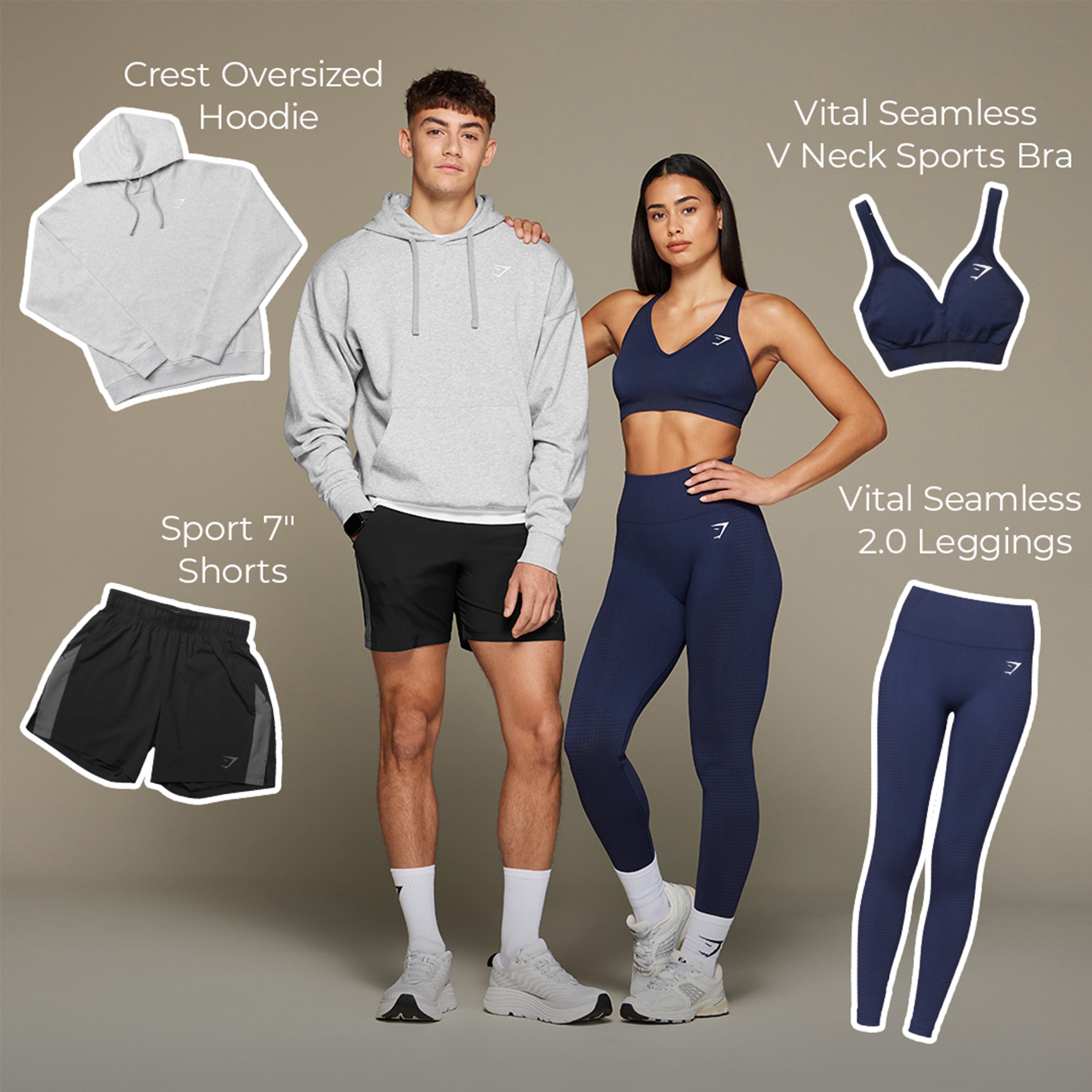
2. Athletic Shorts Or Leggings
Your choice depends on your comfort and the type of workout:
- Shorts are great for cardio, HIIT, or warm climates. Choose a pair with a comfortable waistband and enough length to prevent chafing.
- Leggings (for all genders) are excellent for flexibility and support, especially in activities like yoga or weightlifting. Go for non-see-through, stretchy fabric.
Non-obvious insight: Many gym beginners don’t realize that some shorts ride up or twist during exercise. Test a few moves at home to check the fit before buying.
3. Supportive Sports Bra (for Women)
A sports bra is critical for comfort and health. It reduces breast movement, prevents pain, and avoids long-term sagging. Choose one based on your activity level:
- Low impact: Yoga, stretching
- Medium impact: Strength training
- High impact: Running, jumping
Look for wide straps, strong bands, and moisture-wicking material.
4. Athletic Shoes
The right athletic shoes protect your feet, absorb shock, and keep you stable. Don’t just wear old sneakers—shoes designed for sports have better grip and support. Your shoe choice may vary based on your activities:
- Running shoes: Great for treadmill, cardio, and classes
- Cross-trainers: Good for a mix of weights and cardio
- Flat-soled shoes: Best for heavy lifting (like deadlifts)
Important: Always try shoes with your workout socks and walk around the store. Some people need extra arch support or a wider toe box.
5. Socks
Athletic socks are often overlooked but play a big role in comfort. Look for socks that:
- Are made from synthetic blends (not thick cotton)
- Offer arch support
- Have a snug fit to prevent blisters
Some socks are designed for specific sports, but most people do well with basic moisture-wicking athletic socks.
6. Gym Underwear
Wearing the wrong underwear can lead to chafing, discomfort, and even infections. Choose breathable, seamless underwear made for sports. They should fit snugly but not dig into your skin.
Non-obvious tip: Seamless designs reduce friction, which is a common cause of irritation during longer workouts.
7. Lightweight Jacket Or Hoodie
A light jacket or hoodie is useful for warming up or cooling down. Choose one with a zipper for easy removal. Breathable fabrics are best.
This layer is especially important if you walk or bike to the gym, or if the gym is air-conditioned.
8. Gym Bag
While not “clothing,” a gym bag helps keep your gear organized and separates clean clothes from sweaty ones. Look for:
- Multiple pockets
- Waterproof lining for wet clothes or shoes
- Comfortable straps
Credit: www.gymshark.com
Optional But Useful Gym Clothes
After you cover the basics, you might want to add extra pieces depending on your workouts or personal needs.
1. Compression Gear
Compression tops, shorts, or sleeves apply gentle pressure to muscles. They may help with blood flow, reduce soreness, and give extra support. Some people also feel more stable during lifts or runs.
Compression gear isn’t required, but many athletes and regular gym-goers prefer it for comfort and recovery.
2. Headbands Or Sweatbands
If you sweat a lot, headbands or wrist sweatbands keep sweat out of your eyes and off your hands. This is especially useful for cardio, group classes, or sports like basketball.
3. Workout Gloves
Workout gloves can improve your grip and protect your hands from calluses or blisters. They’re helpful for weightlifting, rowing, or using pull-up bars.
Experience-based tip: Some gloves add wrist support, which can help prevent strain during heavy lifts.
4. Base Layer (for Cold Weather)
If you exercise outdoors or in a cold gym, a base layer (thin, tight shirt and leggings) traps warmth close to your body. Choose moisture-wicking material to stay dry.
Layering lets you adjust your clothing as you warm up or cool down.
5. Training Vests Or Tanks
Vests and tank tops give you more ventilation and freedom for arm movements. They’re popular in hot gyms or during high-intensity sessions.
6. Hat Or Cap
A hat or cap is helpful if you run or train outdoors. It protects your face from sun, rain, or wind.
7. Long-sleeve Tops
A long-sleeve workout shirt gives you extra coverage for warmth or sun protection. Some have thumb holes to keep sleeves in place during movement.
8. Ankle Or Knee Support
People with joint problems or past injuries may benefit from ankle or knee sleeves. These give extra compression and warmth, which can reduce pain and support your joints.
How To Choose Gym Clothes: Key Factors
It’s easy to get lost in all the options. Here’s what matters most when picking gym clothes:
Fabric
- Moisture-wicking: Synthetic blends (like polyester, nylon, or spandex) pull sweat away and dry fast.
- Breathable: Mesh panels or light fabrics let air flow.
- Stretchy: Look for some spandex for easy movement.
- Durable: Gym clothes take a lot of wear—choose strong materials.
Surprising fact: Some natural fabrics like bamboo blends also wick moisture, but pure cotton is usually a poor choice for intense workouts.
Fit
- Clothes should move with you but not be baggy enough to catch on equipment.
- Test squats and stretches in the dressing room to check for see-through or ride-up issues.
- Compression gear should feel snug but not restrict your breathing.
Activity Type
Your workouts affect what you need:
- Cardio: Lightweight, sweat-wicking clothes
- Strength training: Fitted clothes that don’t catch on weights
- Yoga/Pilates: Stretchy, soft fabrics, often leggings and fitted tops
- Outdoor workouts: Layers for changing weather, sun protection
Personal Preferences
Some people prefer colorful, stylish gear for motivation. Others stick to neutrals for easier matching. Choose what makes you feel good—confidence helps you stick to your routine.
Budget
It’s tempting to buy top brands, but quality gym clothes are available at many price points. Spend more on shoes and sports bras, as these affect comfort and health most.
Common Mistakes When Buying Gym Clothes
Beginners often make the same errors. Watch out for these:
- Choosing fashion over function: Some clothes look great but are not practical (e.g., all-cotton, no support, see-through).
- Ignoring the return policy: Try things on and move around. Make sure you can return items that don’t fit or perform.
- Wearing old shoes: Old, worn-out shoes lose support and can cause injuries.
- Buying too many items: Start with basics and add as you discover what you like.
- Forgetting about socks and underwear: These can make a bigger difference to comfort than you expect.
What To Wear For Different Workouts
Not all exercises need the same gear. Here’s how to match your gym clothes to your routine.
Cardio Workouts
Cardio makes you sweat. Choose:
- Moisture-wicking top
- Lightweight shorts or leggings
- Supportive sports bra
- Running or cross-training shoes
- Headband if you sweat a lot
Strength Training
You need stability and range of motion. Wear:
- Fitted, stretchy shirt or tank
- Shorts or leggings that don’t slip
- Flat or cross-training shoes for grip
- Optional: Lifting gloves for heavy weights
Yoga And Pilates
Here, flexibility and comfort matter most:
- Stretchy, fitted top (to stay in place)
- High-waisted leggings for coverage
- Bare feet or grip socks
- Light jacket for cool-down
Group Classes (e.g., Hiit, Dance)
- Moisture-wicking clothes
- Shoes with good lateral support for side movement
- Headband or wristband
Outdoor Running Or Training
- Layered tops (base layer, light jacket)
- Hat or cap for sun/rain
- Sunglasses
- Running shoes
Male Vs. Female Gym Clothes: What’s Different?
Most gym essentials are similar for all genders, but there are a few differences to note.
For Women
- Sports bra is essential
- Many choose leggings or capris for coverage and flexibility
- Some prefer longer tops for extra coverage
For Men
- May prefer shorts with built-in liners for support
- Tank tops and sleeveless shirts are popular for upper body movement
Both men and women can wear compression gear, fitted T-shirts, hoodies, and most other items. The main thing is comfort and fit.
How Many Gym Outfits Do You Need?
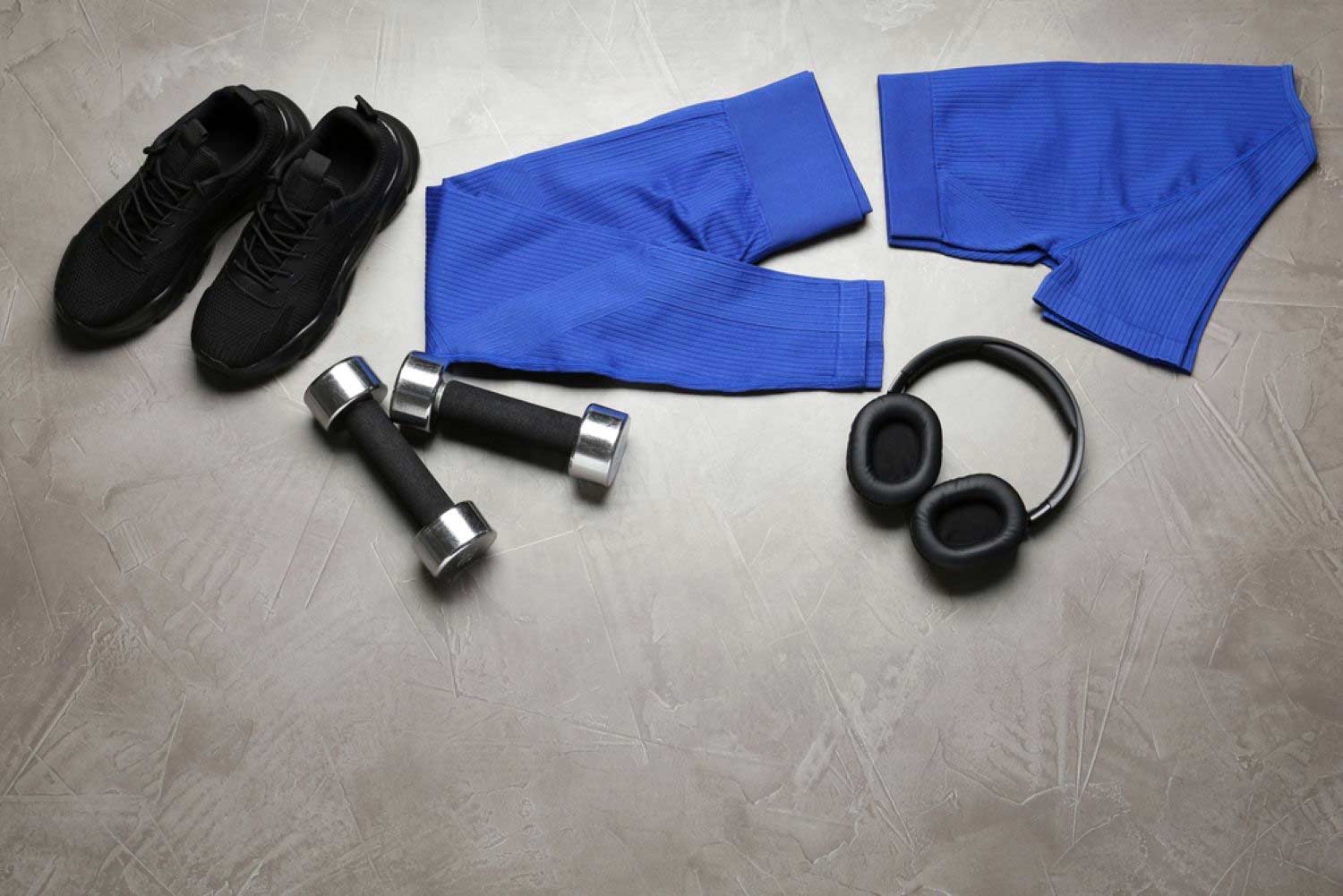
If you go to the gym 2-3 times a week, you’ll need at least:
- 2–3 tops
- 2–3 shorts/leggings
- 1–2 sports bras (if needed)
- 2–3 pairs of socks and underwear
- 1 pair of shoes
If you work out more often or sweat a lot, you might want extra sets. This way, you don’t have to wash clothes daily.
Pro tip: Check if your gym has a dress code. Some places don’t allow open-toe shoes, crop tops, or jeans.
Credit: inphormnyc.com
Caring For Your Gym Clothes
Quality gym gear lasts longer with proper care. Here’s how to keep your clothes fresh and functional:
- Wash after every use to prevent bacteria and odor.
- Avoid fabric softener; it blocks moisture-wicking fibers.
- Turn clothes inside out to protect colors and stretch.
- Air dry when possible to keep fabric strong.
- Clean your gym bag regularly—sweat can build up inside.
Gym Clothes And Body Positivity
It’s normal to feel self-conscious in workout clothes, especially when starting out. Remember:
- Most people are focused on their own workouts, not what you’re wearing.
- Choose clothes that make you feel comfortable, not what others expect.
- Confidence grows with routine—don’t let clothing worries stop you.
Comparing Popular Gym Fabrics
Below is a comparison of common gym clothing fabrics to help you choose what suits your needs.
| Fabric | Moisture-Wicking | Stretch | Durability | Comfort |
|---|---|---|---|---|
| Polyester | Excellent | Good | High | Good |
| Cotton | Poor | Low | Medium | Very Good |
| Spandex/Elastane | Good | Excellent | Medium | Good |
| Bamboo Blend | Good | Good | Medium | Very Good |
Quick Comparison: What To Wear For Common Workouts
Use this table to match the best gym clothes to your workout type:
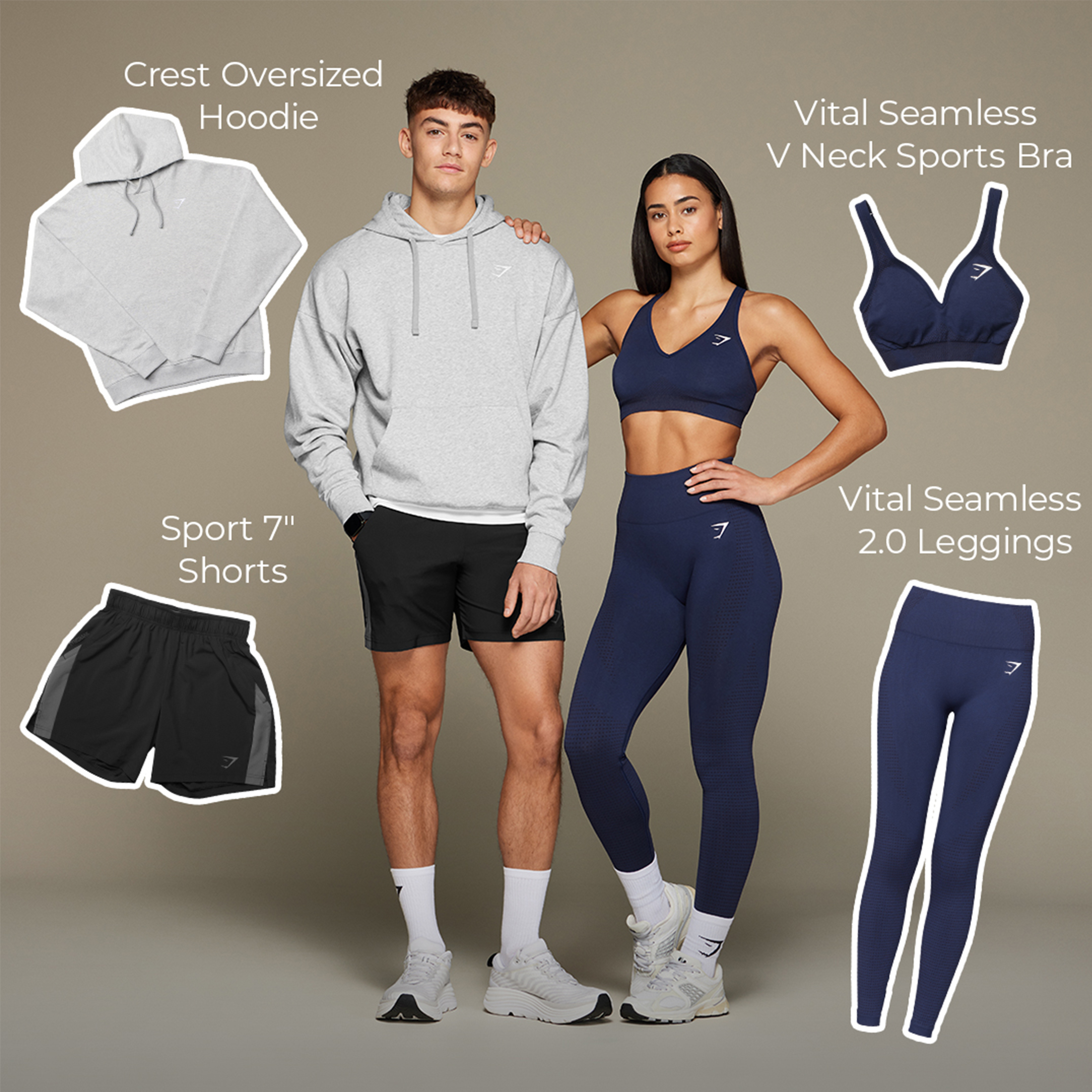
| Workout Type | Top | Bottom | Shoes | Extras |
|---|---|---|---|---|
| Cardio | Moisture-wicking T-shirt | Shorts/Leggings | Running/Cross-trainer | Headband |
| Strength | Fitted Tank/Top | Shorts/Leggings | Flat/Cross-trainer | Gloves |
| Yoga | Fitted Stretch Top | Leggings | Grip Socks/Barefoot | Light Jacket |
| Outdoor Run | Layered Tops | Shorts/Leggings | Running Shoes | Cap/Sunglasses |
Credit: www.gymshark.com
Practical Tips For Buying Gym Clothes
- Test the fit: Do some squats and arm raises in the dressing room.
- Check seams and stitching: Well-stitched clothes last longer and don’t rub.
- Look for hidden pockets: Handy for keys or cards during workouts.
- Try before you buy: Even top brands vary in fit.
- Buy one set first: Wear and wash it before investing in more.
Where To Shop For Gym Clothes
You can find gym clothes in sports stores, department stores, and online. Some people like to try clothes in person; others find better deals online. Trusted brands offer size guides and return policies. Don’t be afraid to mix and match brands for the best fit.
Helpful resource: For more about choosing gym wear, see this Verywell Fit guide.
Frequently Asked Questions
What Should I Avoid Wearing To The Gym?
Avoid jeans, dress shirts, sandals, or clothes with lots of buttons and zippers. These can restrict movement or be unsafe on equipment. Also, skip heavy cotton clothes if you sweat a lot—they stay wet and get uncomfortable.
How Often Should I Wash My Gym Clothes?
Wash your gym clothes after every workout. Sweat and bacteria build up quickly. Letting them air dry after each session also helps prevent odor and fabric breakdown.
Is It Okay To Wear Leggings Or Compression Shorts In Any Gym?
Most gyms allow leggings or compression shorts, but always check your gym’s dress code. Some places have rules about length or require shorts over leggings.
How Do I Know If My Sports Bra Fits Correctly?
A good sports bra should fit snugly but not dig in. The band should be level and not ride up when you move. Cups should hold everything in place without spillage. Try jumping or running in place to check support.
Can I Use The Same Shoes For Running And Strength Training?
Some cross-training shoes work well for both, but running shoes are best for cardio only. If you do a lot of lifting, consider flat-soled shoes for better stability.
Choosing the right gym clothes can change your workout experience. With a few smart choices, you’ll feel more comfortable, confident, and ready to tackle any fitness challenge. Take your time to find what works for you—your body and your workouts will thank you.
