

What Gym Clothes Do I Need for Maximum Comfort and Performance
What Gym Clothes Do I Need
Getting ready for the gym is more than just tying your shoes and grabbing a water bottle. If you want to feel comfortable, perform better, and stay motivated, choosing the right gym clothes really matters. But walking into a sports store or scrolling online can feel overwhelming. There are so many choices—different fabrics, fits, and styles. You might wonder: Which gym clothes are truly necessary? What is worth investing in? And does your choice of workout wear really affect your results?
This guide will help you understand exactly what you need to get started, what you might want to add later, and how to pick the best options for your goals and comfort. Whether you’re new to exercise or looking to upgrade your gear, you’ll learn what makes a difference—and what beginners often overlook.
By the end, you’ll know how to build a gym wardrobe that works for you, supports your workouts, and helps you feel confident in any fitness setting.
Why Gym Clothes Matter
You might think that any old T-shirt and shorts will do. For some light activities, that’s okay. But if you want to get the most from your gym time, the right clothes do much more than just cover your body. Proper gym clothes can:
- Prevent chafing and irritation
- Wick away sweat to keep you dry
- Support your muscles and joints
- Boost your confidence and focus
- Reduce risk of injury
Studies show that people who wear proper fitness clothes not only feel better during workouts, but also are more likely to stick with exercise routines over time. The way you dress affects your mindset, comfort, and even your safety.
Essential Gym Clothes: The Basic Checklist
Let’s break down the core gym clothes that everyone should have. These items suit almost every type of workout—from cardio to weight training to group classes.
1. Moisture-wicking T-shirts Or Tops
A good gym top is more than just a shirt. Moisture-wicking fabrics like polyester, nylon, or blends pull sweat away from your skin. This helps you stay dry, cool, and less likely to get chills after a workout.
Cotton feels soft, but it holds onto sweat, which can leave you feeling heavy and uncomfortable. For intense sessions or hot gyms, a high-quality performance top is a game changer.
What To Look For
- Fit: Not too tight, but not baggy—look for tops that allow free movement.
- Seams: Flat seams prevent rubbing and chafing.
- Style: Short sleeve, long sleeve, or sleeveless—all work, but choose based on your comfort and activity.
Example
For high-sweat workouts like spinning or HIIT, a sleeveless or mesh-panel top helps with airflow. For weightlifting, a fitted tee prevents fabric from getting in your way.
2. Sports Bra (for Women)
A sports bra isn’t just for looks—it’s crucial for comfort and support. Without the right bra, jumping, running, or even basic movements can cause discomfort and strain.
What To Look For
- Support Level: High impact for running or HIIT; medium or low impact for yoga and weight training.
- Fit: Should feel snug, but not restrictive. No digging straps or bands.
- Moisture Control: Look for quick-drying materials.
Practical Insight
Many women buy sports bras that are too loose or too tight. Try moving around in the fitting room—jump, stretch, and twist to test support. Replace bras when the elastic starts to wear out.
3. Workout Shorts Or Leggings
Bottoms are a personal choice—some prefer shorts, others like leggings or capris. The right pair should allow a full range of motion and keep you comfortable.
What To Look For
- Fabric: Moisture-wicking, with some stretch (look for spandex or elastane blends).
- Waistband: Wide waistbands don’t roll down and offer more comfort.
- Length: Shorts for hot climates or cardio, leggings for cooler weather or added coverage.
Example
If you’re doing squats or lunges, test your shorts or leggings for “squat-proof” coverage—opaque fabric that doesn’t become see-through when stretched.
4. Athletic Socks
Never underestimate a pair of good socks. Basic cotton socks get soggy, bunch up, and cause blisters. Instead, go for athletic socks made for workouts.
What To Look For
- Material: Synthetic blends (like polyester or nylon) wick moisture.
- Cushioning: Helps prevent blisters and adds comfort.
- Height: Low-cut for running shoes; crew or higher for boots or more coverage.
Non-obvious Tip
Try socks with a “left” and “right” foot shape for a better fit. Some brands offer arch support built in, which can help during long sessions.
5. Supportive Athletic Shoes
The most important part of your gym outfit is your shoes. The wrong pair can cause pain, poor performance, or even injury. Choose shoes based on your main activity.
What To Look For
- Cushioning: Enough to absorb shock, but not so much that you lose stability.
- Support: Good arch and ankle support, especially if you run or jump.
- Grip: Non-slip soles for safety on gym floors.
Example
For weightlifting, flat-soled or minimal-cushion shoes help you stay stable. For treadmill or classes, a cross-trainer or running shoe is better.
6. Lightweight Jacket Or Hoodie
A layering piece like a jacket or hoodie is useful for warming up, cooling down, or getting to and from the gym. Look for something easy to take off once you’re warmed up.
What To Look For
- Material: Breathable but warm—think polyester fleece or lightweight tech fabrics.
- Zippered Pockets: Handy for keys or cards.
- Fit: Not too bulky so you can move easily.
Non-obvious Tip
Choose a jacket with reflective details if you walk or bike to the gym, especially in low light.
7. Gym Bag
While not worn, a gym bag is essential for carrying your clothes, shoes, towel, and other gear. It helps keep your items organized and separate from your everyday belongings.
What To Look For
- Size: Big enough for all your gear, but not so large it’s hard to carry.
- Compartments: Wet/dry sections for sweaty clothes or shoes.
- Material: Easy to clean and durable.
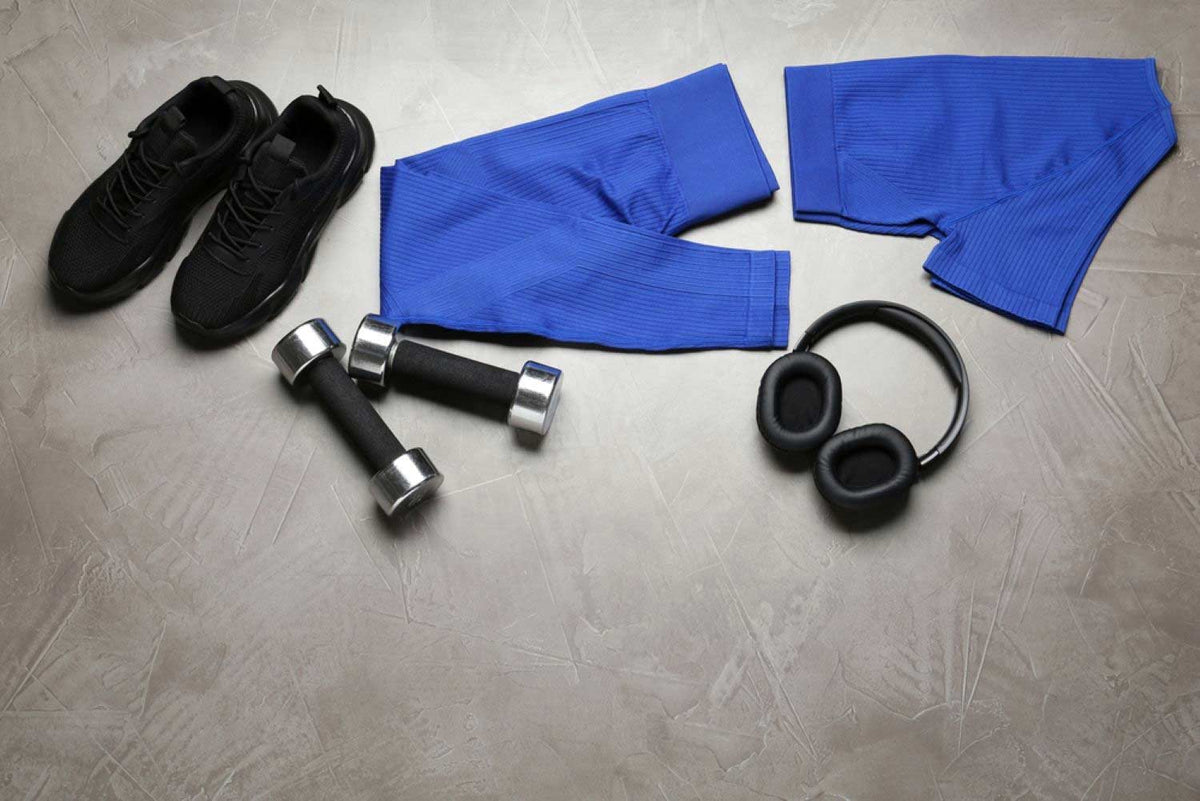
Credit: inphormnyc.com
Optional Gym Clothes For Specific Needs
Once you have the basics, you might need extra gear based on your chosen activities or personal preferences. Here’s what to consider:
1. Compression Gear
Compression shirts, shorts, or sleeves are designed to support muscles, improve blood flow, and reduce soreness. While studies show mixed results, many athletes feel less muscle fatigue when using them.
- Great for: Runners, weightlifters, or anyone who wants extra muscle support.
- Tip: Try compression socks for long workouts or recovery days.
2. Headbands, Hats, And Sweatbands
Keeping sweat out of your eyes can make a big difference, especially during cardio or outdoor workouts.
- Headbands: Hold hair back and absorb sweat.
- Hats: Offer sun protection if you train outside.
- Wristbands: Wipe sweat from your face without using your shirt.
3. Gloves And Grips
Weightlifting gloves or grip pads protect your hands from calluses and offer better hold on bars or dumbbells.
- Best for: Weight training, rowing, or using heavy gym equipment.
- Tip: Make sure gloves fit snugly and don’t slip.
4. Base Layers And Thermals
If you train outdoors or in cold gyms, thermal base layers add warmth without bulk. These are made from wool or special synthetic fabrics that trap heat but wick away sweat.
5. Training Vests Or Tanks
For hot climates or intense cardio, a sleeveless vest or tank top improves airflow and keeps you cool.
- Look for: Breathable mesh panels and quick-dry fabric.
6. Specialized Footwear
Some workouts, like cycling or boxing, need specific shoes for best performance and safety.
- Cycling shoes: Clip into pedals for efficiency.
- Boxing shoes: Offer ankle support and grip.
7. Swimwear
If your gym has a pool, you’ll need a proper swimsuit and possibly a swim cap and goggles.
- Choose: Suits designed for training, not fashion. They last longer and stay in place.
Choosing The Right Fabric: What Works And What To Avoid
The material of your gym clothes affects comfort, durability, and even hygiene. Here’s a quick comparison of common fabric types:
| Fabric | Pros | Cons |
|---|---|---|
| Polyester | Lightweight, dries fast, strong, affordable | Can retain odor if not washed well |
| Nylon | Soft, wicks moisture, stretchy, durable | Costs more than polyester |
| Spandex (Lycra, Elastane) | Excellent stretch, shape retention | Not usually used alone, often blended |
| Cotton | Soft, affordable, breathable | Absorbs sweat, stays wet, heavy |
| Wool (Merino) | Warm, odor resistant, wicks moisture | Expensive, less common for gym wear |
For most people, blends of polyester, nylon, and spandex work best. They combine stretch, comfort, and sweat management. Avoid 100% cotton for high-sweat workouts, as it absorbs moisture and can cause chafing.
How To Choose The Right Fit
Fit is just as important as fabric. The right fit gives you freedom to move, stays in place, and flatters your body shape. Here’s what to consider:
- Tops: Should not ride up or restrict your arms. If you’re self-conscious, a slightly loose fit offers coverage without bulk.
- Bottoms: Leggings and shorts should hug your body but not pinch. Check the waistband—should sit comfortably without rolling.
- Shoes: Always try on gym shoes with the socks you plan to wear. There should be a thumb’s width between your longest toe and the shoe’s tip.
- Sports bras: The band should be level and firm. Straps should not dig in.
Sizing Tips
Sizes vary by brand. Always check size charts and read reviews. If you’re between sizes, choose comfort over tightness—too-tight clothes can limit movement and cause discomfort.
Gym Clothes For Different Types Of Workouts
Your gym outfit can change depending on your main activities. Here’s a guide to what works best for different workouts:
Cardio (running, Hiit, Spinning)
- Tops: Lightweight, moisture-wicking
- Bottoms: Shorts or capris for airflow
- Shoes: Running or cross-training shoes
- Extras: Headbands, wristbands
Strength Training (weights, Bodyweight)
- Tops: Fitted or sleeveless to avoid getting caught
- Bottoms: Full-length leggings or shorts
- Shoes: Flat-soled or minimal-cushion shoes for stability
- Extras: Gloves or grips, compression sleeves
Yoga And Pilates
- Tops: Fitted but stretchy, allows movement
- Bottoms: High-waisted leggings or yoga pants
- Shoes: Barefoot or yoga socks
- Extras: Light cover-up for cool-down
Group Classes (zumba, Dance, Aerobics)
- Tops: Breathable, quick-dry
- Bottoms: Flexible, not too loose
- Shoes: Supportive trainers or dance sneakers
- Extras: Fun colors or patterns can boost energy
Outdoor Training
- Tops: Layerable, UV-protective
- Bottoms: Weather-appropriate (shorts in summer, leggings in winter)
- Shoes: Suitable for surface (trail vs. pavement)
- Extras: Hat, sunglasses, sunscreen
How Many Gym Outfits Do You Really Need?
Many beginners over-buy, thinking they need a new outfit for every workout. In reality, you can start small and build as you go. Here’s a simple starting point:
- 2-3 tops: Enough to rotate while others are in the wash
- 2-3 bottoms: Mix of shorts and leggings/capris
- 2 sports bras (for women): One to wear, one to wash
- 3-4 pairs of socks: More if you sweat a lot
- 1 pair of shoes: Start with one, get specialty shoes if needed
- 1 jacket/hoodie: For layering
This gives you a week’s worth of workouts without constant laundry. As you develop a routine, you can add more pieces that fit your style and needs.
Washing And Caring For Gym Clothes
Proper care will make your gym clothes last longer and keep them fresh. Here’s how to do it right:
- Wash after each use: Sweat and bacteria build up fast.
- Use cold water: Hot water can damage elastic fibers.
- Skip fabric softener: It coats fibers and reduces moisture-wicking ability.
- Air dry: High heat from dryers breaks down stretch and fit.
- Turn inside out: Protects colors and helps clean sweaty areas.
Non-obvious tip: If your clothes still smell after washing, soak them in a mix of vinegar and water for 30 minutes before washing again. This helps remove stubborn odors.

Credit: www.gymclothes.com
Common Mistakes When Buying Gym Clothes
Many people spend too much or too little, or choose the wrong features. Here are mistakes to avoid:
- Choosing fashion over function: Trendy clothes look good, but might not perform well.
- Buying too tight: Restrictive clothes limit movement and cause discomfort.
- Ignoring fabric type: Cotton may feel soft, but it’s not great for heavy sweat.
- Overlooking seams and tags: Rough seams and big tags cause chafing.
- Forgetting about shoes: Old or cheap shoes can lead to injury.
- Not testing in motion: Try squatting, stretching, or jogging in place when trying on.
- Skipping sun protection: For outdoor workouts, UV-protective fabrics help prevent burns.
Gym Clothes: Budget Vs. Premium Brands
You don’t need to spend a fortune to get high-quality gym wear. Many affordable brands use the same materials as expensive ones. Here’s a comparison to help you decide:
| Factor | Budget Brand | Premium Brand |
|---|---|---|
| Price | Low to moderate | High |
| Material Quality | Good, sometimes thinner | Excellent, often thicker |
| Fit & Design | Basic styles | Innovative, trend-driven |
| Durability | Good if washed carefully | Long-lasting, holds shape |
| Warranty/Return Policy | Varies | Usually strong |
For most people, a mix of budget and a few premium items (like shoes or sports bras) offers the best balance of comfort and cost.
Sustainability And Ethical Choices In Gym Clothes
Many people now look for eco-friendly gym clothes. You’ll find options made from recycled plastics, organic cotton, or bamboo. Some brands use fair labor practices and reduce packaging.
If sustainability matters to you, check for:
- Certifications like Fair Trade or Global Recycled Standard
- Minimal packaging and shipping materials
- Brand transparency about labor and sourcing
For more on sustainable practices in clothing, the Fashion Revolution movement is a good resource.
Gym Clothes For Different Body Types
Everyone’s body is different. Gym clothes should help you feel confident, not self-conscious. Here are some tips for different body shapes:
- Curvier figures: High-waist leggings and longer tops offer coverage and support.
- Tall: Look for brands with “tall” sizes—longer inseams and sleeves.
- Petite: Cropped leggings and fitted tanks avoid bunching.
- Broad shoulders: Raglan or sleeveless tops allow freedom of movement.
The key is to try different brands and styles until you find what fits your body best.
Should You Wear Underwear With Gym Clothes?
This is a common question. For most people, wearing moisture-wicking, seamless underwear under gym clothes is most comfortable. Some leggings or shorts have built-in liners, making extra underwear unnecessary.
Men should look for supportive, snug boxer briefs made for sports. Women can choose performance underwear or go without, especially if leggings have a gusset (a diamond-shaped panel).
Gym Clothes And Confidence
What you wear can change how you feel about exercise. Studies show that people who like their gym clothes are more likely to enjoy workouts and stick with fitness routines. If a certain color or style boosts your mood, go for it—even if it’s just a bright pair of socks.
Frequently Asked Questions
What If I’m Just Starting Out And Don’t Want To Spend Much?
You don’t need a huge wardrobe to begin. Start with a couple of moisture-wicking tops, two pairs of bottoms, a sports bra (if needed), and a good pair of shoes. Choose affordable brands and upgrade as you get more committed to your routine.
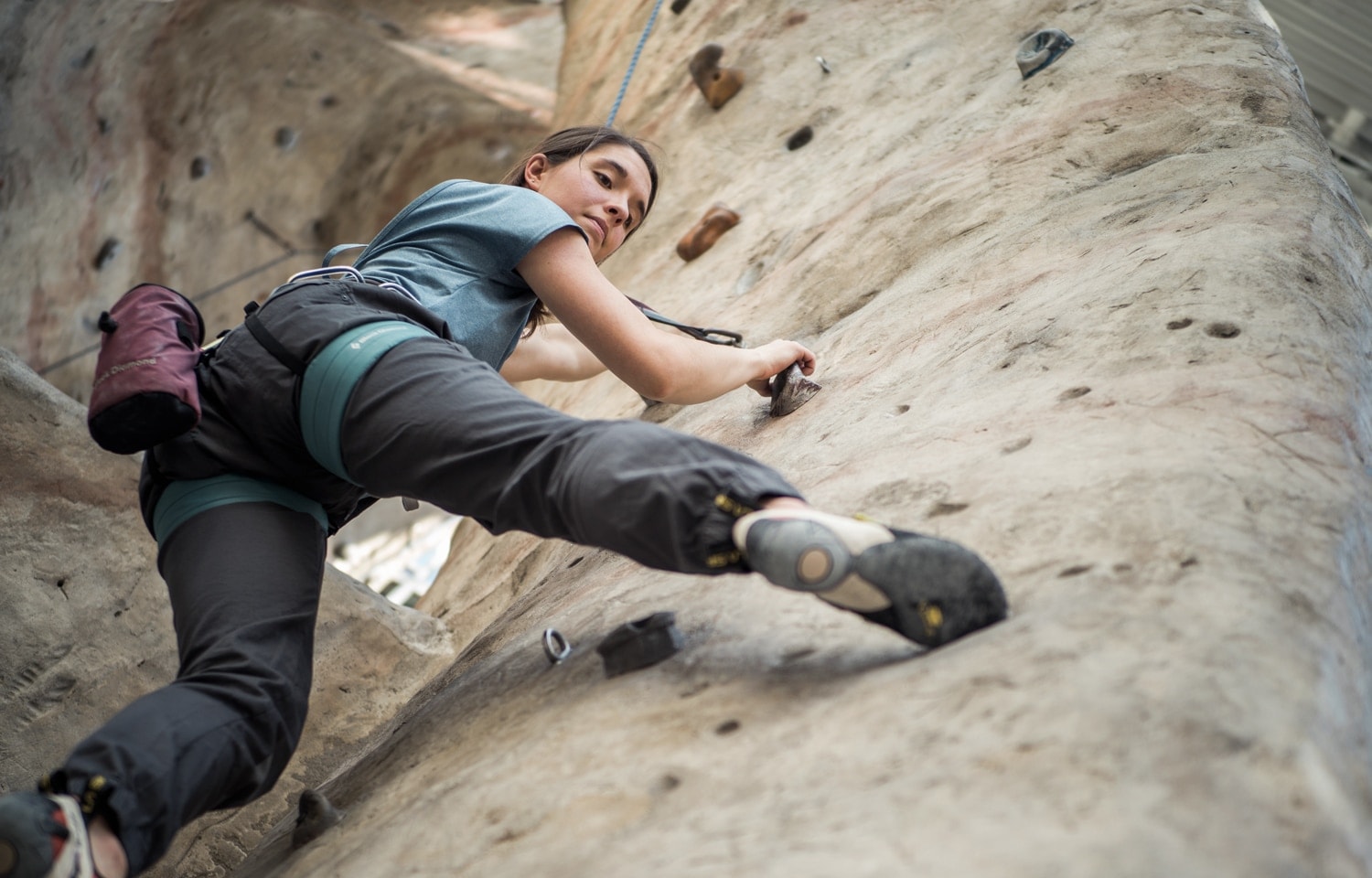
Credit: www.rei.com
Can I Wear Regular Clothes To The Gym?
You can, but regular clothes like cotton T-shirts and shorts are not ideal. They hold sweat, cause chafing, and don’t support your body during movement. Proper gym clothes are designed for comfort and performance.
How Often Should I Replace Gym Clothes?
Replace gym clothes when they lose shape, become see-through, or start to smell even after washing. Sports bras and shoes may need replacing more often—usually every few months for bras, and after several hundred miles or heavy use for shoes.
What’s The Best Way To Stop Gym Clothes From Smelling?
Wash as soon as possible after use, use cold water, and avoid fabric softeners. For stubborn odors, soak in a mix of vinegar and water before washing again. Always air dry if possible.
Are There Special Gym Clothes For People With Sensitive Skin?
Yes. Look for seamless designs, soft materials like bamboo, and avoid clothes with harsh dyes or chemicals. Some brands make clothing especially for sensitive or allergy-prone skin.
Choosing the right gym clothes doesn’t have to be confusing. Start with the essentials, focus on comfort and support, and add extra pieces as you discover what works for you. The right outfit will help you move better, feel better, and reach your fitness goals with more confidence.
