

What Fabric is Used for Activewear: Top Materials Explained
What Fabric Is Used For Activewear
Staying comfortable and dry during exercise is not just about the workout itself—it's also about what you wear. The right activewear fabric can make a huge difference in your performance, comfort, and confidence. Whether you jog in the park, practice yoga, or train intensely at the gym, understanding which fabrics are used for activewear helps you pick the right gear for your needs. But with so many options—synthetic, natural, blends, and new innovations—choosing can feel confusing. This guide explains the most common and advanced fabrics used for activewear, their benefits, drawbacks, and what you should know before buying.
Why Fabric Matters In Activewear
The choice of fabric in activewear is not just about looks. It affects:
- Moisture management: Some fabrics pull sweat away from your skin, keeping you dry.
- Breathability: Good fabrics let air move, which cools your body.
- Stretch and flexibility: Certain fabrics move with you, important for sports and yoga.
- Durability: Quality materials last longer and keep their shape after many washes.
- Comfort: The right feel prevents chafing and irritation.
For anyone active, picking the right fabric means better workouts and fewer distractions.
Common Synthetic Fabrics In Activewear
Synthetic fabrics are popular in activewear for good reasons. They offer sweat-wicking, quick drying, and stretch. Let’s look at the most used synthetic materials.
Polyester
Polyester is the king of activewear fabrics. It is lightweight, strong, and resists shrinking and wrinkling. Most gym shirts, leggings, and shorts have polyester or a polyester blend.
Benefits:
- Excellent at wicking moisture away from the skin
- Dries quickly
- Holds color well (less fading over time)
- Resistant to mildew and stretching
Drawbacks:
- Can trap odor if not treated with special finishes
- Sometimes feels less soft compared to natural fibers
A non-obvious insight: Many high-performance brands use recycled polyester (often made from plastic bottles) to reduce environmental impact, but the performance is almost the same as regular polyester.
Nylon
Nylon is another top synthetic fabric in the world of activewear. It is known for its smooth, silky feel and great stretch.
Benefits:
- Very durable and abrasion-resistant (great for tough workouts)
- Feels soft and smooth
- Good stretch and recovery
Drawbacks:
- Tends to hold static electricity
- Can pill (form small balls) after many washes
Not all nylon is the same—some types, like Supplex nylon, feel closer to cotton while still giving performance benefits.
Spandex (lycra/elastane)
Spandex (also called Lycra or Elastane) is famous for stretch. It is rarely used alone but is blended with other fibers to give that "snappy" stretch.
Benefits:
- Extreme stretch and recovery (returns to shape well)
- Essential for yoga pants, cycling shorts, and fitted tops
Drawbacks:
- Overstretching or too much heat (like from a hot dryer) can damage fibers
- Not very breathable on its own
You will often see spandex listed as 5-20% of a fabric blend, giving just enough stretch without sacrificing other qualities.
Polypropylene
Polypropylene is less common but is used for specific performance needs. It is completely water-resistant, meaning it does not absorb moisture.
Benefits:
- Never gets soaked with sweat
- Good insulation properties
Drawbacks:
- Can feel less soft
- Does not hold dye as well as polyester or nylon
Polypropylene is often found in base layers for cold climates, as it keeps you dry even when sweating.
Acrylic
Acrylic is sometimes used for warm-weather activewear, like running hats or gloves.
Benefits:
- Lightweight
- Warm and soft, similar to wool
Drawbacks:
- Not very durable
- Can pill or lose shape over time
Acrylic is best for accessories rather than main workout clothing.

Credit: midwestworld.com
Natural Fabrics In Activewear
While synthetic fabrics dominate, some natural fibers are also used for activewear, either alone or in blends. They offer unique benefits, especially in comfort and feel.
Cotton
Cotton is loved for its soft feel and breathability. For years, people wore all-cotton shirts for workouts.
Benefits:
- Very soft and comfortable
- Breathable
- Hypoallergenic (good for sensitive skin)
Drawbacks:
- Absorbs sweat and stays wet, which can feel heavy
- Takes a long time to dry
- Can lose shape after many washes
Modern activewear rarely uses 100% cotton, but you may find cotton blends that add softness to synthetic performance.
Merino Wool
Merino wool is a natural fiber from Merino sheep. It is used in high-quality base layers and socks.
Benefits:
- Excellent at wicking moisture
- Regulates temperature well (keeps you warm or cool)
- Naturally resists odors
- Soft and not itchy
Drawbacks:
- More expensive than synthetic fabrics
- Needs gentle washing to last
A key insight: Merino wool can be worn in hot climates too, not just cold, because it breathes and controls moisture better than regular wool.
Bamboo Viscose
Bamboo viscose is a fabric made from the pulp of bamboo plants. It is growing in popularity for eco-friendly activewear.
Benefits:
- Very soft and silky
- Naturally antibacterial (less odor)
- Breathable and moisture-wicking
Drawbacks:
- The process of making bamboo viscose can involve chemicals
- Not as stretchy as synthetics unless blended
Not all bamboo fabrics are created equal—look for brands that use more eco-friendly production methods.
Fabric Blends And Why They Matter
Most modern activewear uses blended fabrics—combinations of two or more fibers. Blends aim to mix strengths and reduce weaknesses.
Common Activewear Blends
- Polyester/Spandex: Offers quick-dry performance with stretch. Used in leggings, sports bras, and compression wear.
- Nylon/Spandex: Feels smoother, stretches more, and is often used in yoga pants and fitted tops.
- Cotton/Polyester: Combines comfort and breathability of cotton with the durability and quick-dry benefits of polyester.
- Merino Wool/Nylon: Mixes the softness and odor resistance of wool with the strength of nylon, good for performance socks and base layers.
Blends are not always obvious, but checking the tag reveals what you’re really getting.
How Blends Affect Performance
Blending fabrics lets brands customize for specific sports. For example, a runner’s shirt may use more polyester for moisture management, while a yoga top uses more spandex for stretch.
A beginner often misses that the feel of a fabric can change a lot depending on the blend ratio—even 5% spandex makes a big difference in flexibility.
Innovative And Eco-friendly Fabrics
New technology is changing the world of activewear. Brands now use advanced materials for better comfort and sustainability.
Recycled Fabrics
Many brands are moving toward recycled polyester or recycled nylon. These often come from plastic bottles or other post-consumer waste.
- They perform much like regular synthetics.
- Reduce environmental impact by reusing plastic.
One common myth is that recycled fabrics are lower quality, but in reality, high-end recycled polyester can match or surpass virgin polyester.
Tencel (lyocell)
TENCEL is a branded lyocell fabric made from wood pulp (often eucalyptus trees). It is used in some activewear for its softness and eco-friendly profile.
Benefits:
- Silky, smooth feel
- Excellent moisture management
- Biodegradable
Drawbacks:
- Not as stretchy as spandex blends
- Can be more expensive
TENCEL is often used in yoga and athleisure clothes, where comfort is a priority.
Modal
Modal is another wood-based fiber, softer and more absorbent than cotton. It is sometimes blended with spandex for activewear.
Benefits:
- Smooth, cool feel
- Good at wicking sweat
Drawbacks:
- Can shrink if not washed carefully
Modal is often found in lightweight workout shirts and underwear.
Biodegradable Synthetics
Some companies are researching biodegradable synthetic fibers—these act like polyester or nylon but break down faster when thrown away. This reduces long-term waste, a big issue with regular synthetics.
Graphene-infused Fabrics
Graphene is a super-thin form of carbon. When added to fabrics, it can boost strength, temperature regulation, and even antibacterial properties.
These fabrics are still mostly in premium or experimental activewear, but they show where the market is heading.
Performance Features: What To Look For
When shopping for activewear, focus on the features that matter most for your activity. The fabric is key, but so are the treatments and construction.
Moisture-wicking
Moisture-wicking fabrics pull sweat from your skin to the outer layer, where it can evaporate. This keeps you dry, cool, and comfortable. Most synthetic blends offer this, but not all are equal—some shirts wick much better than others.
Breathability
Good breathability lets heat and moisture escape, which is vital in hot weather or high-intensity workouts. Open-weave polyester, lightweight nylon, and merino wool score high here.
Four-way Stretch
For activities like yoga or weightlifting, four-way stretch is important. This means the fabric stretches both across and up-and-down, moving with your body.
Odor Resistance
Some fabrics, like merino wool and bamboo viscose, naturally resist bacteria, meaning less odor. Synthetics often need special treatments to fight sweat smells.
Uv Protection
Some activewear uses fabric with built-in UV protection. This is good for outdoor sports, protecting your skin from the sun.
Durability
Look for tightly woven fabrics and reinforced stitching, especially if your sport is tough on clothes (like CrossFit or obstacle races).
Comparing Popular Activewear Fabrics
It’s easier to see the differences when you compare side by side. Here is a look at the main fabrics and how they perform across key features.
| Fabric | Moisture-Wicking | Stretch | Softness | Odor Resistance | Durability |
|---|---|---|---|---|---|
| Polyester | Excellent | Good (when blended) | Moderate | Poor (unless treated) | High |
| Nylon | Good | Excellent | High | Poor | Very High |
| Spandex | Moderate | Excellent | Moderate | Poor | Moderate |
| Cotton | Poor | Low | Excellent | High | Low |
| Merino Wool | Excellent | Good | High | Excellent | Moderate |
| Bamboo Viscose | Good | Moderate | Very High | High | Moderate |
Fabric Choice For Different Activities
Not all sports need the same fabric. Here’s what works best for common workouts:
Running
- Polyester blends: For moisture-wicking and quick-dry.
- Nylon/spandex: For stretch and comfort.
- Merino wool: For cooler weather runs.
Yoga And Pilates
- Nylon/spandex: For maximum stretch and a soft feel.
- Cotton blends: For gentle practice, but less sweat-wicking.
Gym/strength Training
- Polyester or nylon blends: For durability and sweat management.
- Spandex: In tights or fitted tops for movement.
Outdoor Sports
- Merino wool: For temperature regulation.
- Polypropylene: In base layers for wet/cold conditions.
- UV-protective polyester: For sun safety.
Swimming
- Chlorine-resistant nylon or polyester blends: Designed to last in water.
How To Read An Activewear Label
Most activewear has a small tag inside with fabric details. Here’s what to look for:
- Main fiber content: See if it’s polyester, nylon, cotton, etc.
- Blends: The percentage of spandex/lycra will tell you how stretchy it is.
- Special features: “Moisture-wicking,” “anti-odor,” or “UV protection” are often listed.
- Country of origin: Sometimes, fabric quality depends on where it was made.
Tip: If a label says “exclusive of decoration,” it means only the main fabric is listed, not things like mesh or logos.
Caring For Activewear Fabrics
Proper care keeps your gear working well and lasting longer.
Washing Tips
- Wash after every workout—sweat can break down fibers if left too long.
- Use cold water, which is gentler on spandex and synthetics.
- Avoid fabric softeners—they can block sweat-wicking finishes.
- Use gentle detergent. Some detergents are made for athletic fabrics.
Drying Tips
- Air dry when possible. High heat can break down spandex and damage fabric finishes.
- If you must use a dryer, use the lowest heat setting.
Removing Odors
- Turn clothes inside out to wash.
- Add a little white vinegar to the rinse to cut odors.
- Dry thoroughly—never leave activewear damp.
A hidden mistake: Many people use too much detergent, which leaves residue and can make clothes smell worse.

Credit: www.sportcasuals.com
Sustainability And Ethics In Activewear Fabrics
The rise in activewear means more synthetic fabrics, which can create waste and pollution. Here’s what’s changing:
- Recycled fibers: As mentioned, more brands use recycled polyester and nylon.
- Eco-certifications: Look for labels like Bluesign or OEKO-TEX, showing responsible production.
- Natural fibers: Organic cotton, bamboo, and wool are better for the planet but may cost more.
Some brands use closed-loop systems, recycling old gear into new fabric, reducing waste.
Real-world Examples: How Fabric Choice Impacts Performance
Imagine two runners on a hot day. One wears a 100% cotton t-shirt, the other a polyester blend. The cotton shirt quickly gets soaked, feels heavy, and rubs uncomfortably. The polyester shirt stays light and dries fast, letting the runner focus on speed, not sweat.
Or consider a yoga class. A nylon/spandex blend lets you move freely without clothes bunching up, while a stiff fabric can limit your flow.
Even socks matter: merino wool socks keep feet dry and blister-free on long hikes, while cotton socks stay damp and can cause blisters.
Comparing Synthetic And Natural Fabrics: A Closer Look
To really understand, let’s compare synthetic and natural fabrics on several factors.
| Feature | Synthetic (Polyester/Nylon) | Natural (Cotton/Wool) |
|---|---|---|
| Moisture Control | Excellent (wicks sweat, dries fast) | Poor-Excellent (cotton holds sweat, wool wicks) |
| Odor Control | Poor-Moderate (unless treated) | Good-Excellent (wool resists odor) |
| Comfort | Moderate-High (can feel less soft) | High (soft, gentle feel) |
| Durability | High | Moderate |
| Sustainability | Low-Moderate (recycled options better) | High (especially organic) |
The Future Of Activewear Fabrics
Activewear fabrics are getting smarter. Look out for:
- Smart textiles: Fabrics that monitor heart rate or body temperature.
- Antibacterial finishes: Longer-lasting odor control.
- Plant-based synthetics: Like bio-polyester, made from renewable crops.
- Waterless dyeing: Reduces pollution from making colorful gear.
Brands are pushing for better performance and less harm to the planet.
For those interested in the latest research and developments, check out resources like the Textile World for up-to-date information.
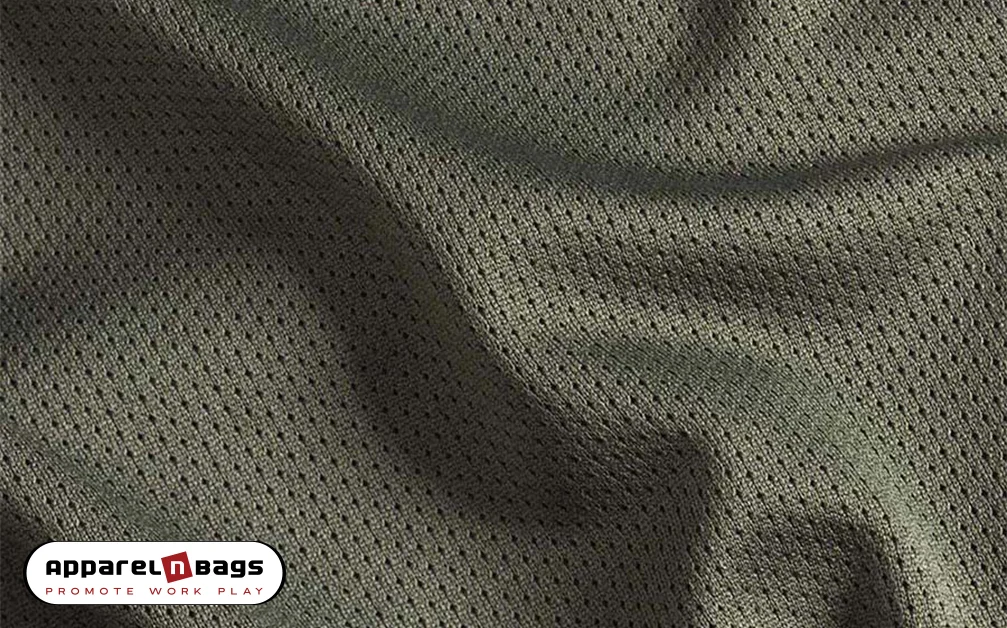
Credit: www.apparelnbags.com
Frequently Asked Questions
What Is The Best Fabric For Sweating During Workouts?
Fabrics like polyester blends and merino wool are best for sweat. They wick moisture away from your skin and dry quickly, keeping you comfortable.
Is Cotton Good For Activewear?
Cotton is soft and breathable but absorbs sweat and dries slowly. It’s comfortable for low-intensity activities but not the best for heavy sweating or long workouts.
How Do I Know If A Fabric Is Moisture-wicking?
Look for labels that say “moisture-wicking,” “Dri-FIT,” or similar. Fabrics like polyester, nylon, and merino wool usually have this feature, especially when blended or treated.
Are Recycled Fabrics As Good As Regular Ones?
Yes, recycled polyester and nylon can match or even surpass the quality of regular versions. They are better for the environment, too.
How Should I Wash My Activewear?
Wash in cold water, avoid fabric softeners, and air dry when possible. This helps keep the fabric’s performance features working longer.
Activewear fabrics are more than just materials—they shape your workout experience. Choosing the right one means considering your sport, how much you sweat, and your comfort. With new innovations and eco-friendly choices, it’s now easier than ever to find gear that fits your needs and values.
When in doubt, try different options and see what feels and performs best for you.
