

What Does Gym Clothes Look Like? Essential Styles Explained
What Does Gym Clothes Look Like
For anyone starting to work out, knowing what gym clothes look like can feel confusing. Walk into a gym and you’ll see people in all sorts of outfits—some simple, some high-tech, some colorful, some plain. With so many options, it’s easy to feel lost.
The truth is, there’s more to gym clothes than just T-shirts and shorts. Modern gym wear is designed to help you move better, stay comfortable, and even boost your confidence. The right outfit can make a big difference, even if you’re just a beginner.
This guide will show you exactly what gym clothes look like, how each piece functions, and why certain features matter. We’ll cover everything: tops, bottoms, shoes, accessories, and even how gym clothes differ for men and women. Along the way, you’ll get practical advice, real examples, and a look at the details many people miss. By the end, you’ll be able to recognize good gym clothes, choose what’s right for you, and understand why people wear what they do.
Understanding Gym Clothes: The Basics
Gym clothes are designed for exercise. They are made from fabrics and materials that help your body move, sweat, and recover. Most gym clothes focus on three things: comfort, function, and style. Unlike regular clothes, gym wear must handle sweat, stretching, and lots of movement.
Here are some basic features you’ll see in most gym clothes:
- Lightweight fabrics: Help with movement and keep you cool.
- Moisture-wicking: Pulls sweat away from your body.
- Stretchy material: Allows for bending and stretching.
- Breathable design: Keeps air moving to prevent overheating.
- Supportive fit: Hugs the body in the right places, but not too tight.
Modern gym clothes also use technology like anti-odor treatments, compression features, and UV protection. These extras help improve performance and comfort, especially for people who exercise often.
Gym Tops: What They Look Like And Why
Gym tops are more than just shirts. They come in many styles, each designed for a specific purpose or activity.
T-shirts
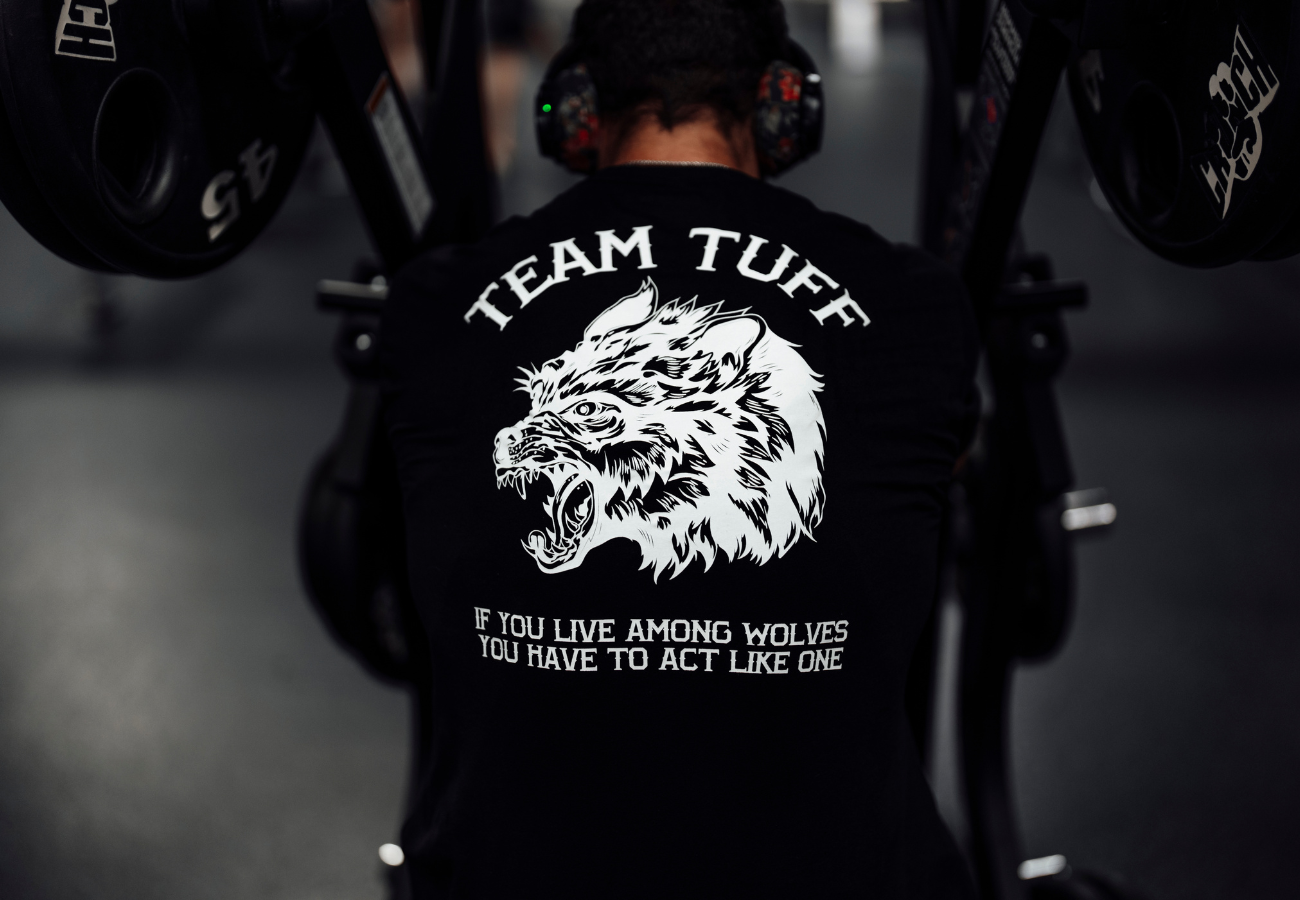
The classic gym T-shirt is everywhere. It’s usually made from synthetic blends like polyester or nylon, sometimes mixed with cotton. These shirts are cut for movement, with sleeves that don’t restrict your arms. The fit can be loose or fitted, depending on personal taste.
A typical gym T-shirt features:
- Moisture-wicking fabric to keep sweat away
- Flat seams to prevent skin irritation
- Stretchy panels under the arms or sides
- Minimal or no logos for a clean look
Some brands use mesh panels for extra ventilation in sweaty areas, like the back or underarms.
Tank Tops
Tank tops are sleeveless and let your arms move freely. They’re popular for lifting weights and high-intensity training. Tank tops often have:
- Wide armholes for better movement
- Racerback design (straps meet in the back) for shoulder mobility
- Lightweight, quick-dry fabric
Some tanks are loose, while others are fitted to show muscle definition. You’ll notice tank tops in bright colors, patterns, or with motivational slogans.
Long-sleeve Shirts
Long sleeves aren’t just for cold weather. In the gym, they help wick sweat and can protect your skin from equipment. Good long-sleeve gym shirts look like:
- Slim fit but not tight
- Thumb holes for keeping sleeves in place
- Breathable mesh panels
- UV protection for outdoor workouts
Many have a subtle, athletic look with neutral colors like black, gray, or navy.
Sports Bras
For women, the sports bra is a key part of gym wear. It provides support and comfort during movement. Sports bras come in different shapes:
- Compression bras: Hold the chest close to the body, best for low impact.
- Encapsulation bras: Separate each breast, better for high impact.
- Racerback or cross-back straps for stability
Most sports bras use thick, stretchy bands and breathable material. Some have removable pads or adjustable straps for a custom fit.
Crop Tops
A crop top is a short, fitted shirt that ends above the waist. It’s trendy, especially for women’s gym fashion. Crop tops often pair with high-waisted leggings. They are:
- Tight or loose
- Short sleeves or sleeveless
- Made from stretchy, quick-dry fabrics
Crop tops are popular for showing off core strength and adding style to a workout outfit.
Credit: www.tuffwraps.com
Gym Bottoms: Shorts, Leggings, And More
Just like tops, gym bottoms come in many forms. Your choice depends on comfort, the type of workout, and personal preference.
Shorts
Gym shorts are a staple for men and women. They look different from regular shorts:
- Elastic waistband with a drawstring for a secure fit
- Above-the-knee length for free movement
- Moisture-wicking material
- Often have built-in liners for support
Some shorts have zippered pockets for small items like keys or cards. Running shorts may have slits on the side for extra movement, while basketball shorts are longer and looser.
Leggings
Leggings are most popular among women but are also worn by men, especially for running or yoga. Gym leggings are different from regular fashion leggings:
- High waist for coverage and support
- Compression fit to support muscles
- Seamless design to avoid chafing
- Opaque fabric so they’re not see-through
You’ll find leggings with mesh panels, pockets, or even reflective strips for visibility. They come in solid colors, prints, and even metallic finishes.
Joggers
Joggers are slim sweatpants made for workouts. They blend comfort with a sporty look. Gym joggers usually have:
- Tapered legs that fit closer at the ankle
- Stretch fabric for easy movement
- Cuffed ankles to keep pants in place
- Zip pockets for security
Joggers are great for warm-ups, cool-downs, or lighter activities. They often look more stylish than regular sweatpants.
Sweatpants
While not as common as shorts or leggings, sweatpants are still worn in the gym, especially in colder weather or for weightlifting. Gym sweatpants look like:
- Loose fit with stretchy waistband
- Soft, thick fabric like fleece or French terry
- Drawstring for adjustment
- Minimal logos or simple designs
They focus on comfort and warmth, not speed or agility.
Skorts And Skirts
Some women prefer skorts—a skirt with built-in shorts—or athletic skirts. These are popular in tennis, running, or group fitness classes. They provide:
- Feminine style with the function of shorts
- Stretch fabric
- Hidden pockets
The look is sporty and playful, and they’re made to stay in place during activity.
Gym Shoes: From Trainers To Lifting Shoes
Footwear is a big part of gym wear. The wrong shoes can cause discomfort or injury. Gym shoes are designed for different types of movement.
Training Shoes
Training shoes (also called cross-trainers) are the most common gym shoes. They’re made for a mix of activities:
- Flat, stable soles for balance during lifting
- Flexible forefoot for running or jumping
- Breathable mesh upper
- Cushioned heel
You’ll notice they often have a simple, athletic look—neutral colors with a few accent details.
Running Shoes
Some people use running shoes for gym workouts, especially for treadmill or cardio. They look like:
- Thicker, cushioned soles
- More heel drop (higher heel than toe)
- Lightweight mesh upper
- Bright colors or reflective details
Running shoes are best for cardio, not for heavy lifting.
Lifting Shoes
Weightlifting shoes have a unique look:
- Raised, hard heel for better squat form
- Strap or laces for a tight fit
- Stiff sole (no bend)
- Low profile
They look more like dress shoes than sneakers. These are only for serious lifters.
Minimalist Shoes
Some athletes use minimalist shoes or even go barefoot. These shoes are:
- Very thin soles
- Flexible
- Individual toe pockets (sometimes)
They look unusual, but some people believe they help with balance.
Slip-on Or Indoor Shoes
In yoga, Pilates, or group classes, you might see slip-on shoes, yoga socks, or bare feet. These are:
- Soft, flexible
- No heel
- Rubber grip on the bottom
They look more like slippers than sneakers.

Credit: wiskiiactive.com
Accessories: Completing The Gym Look
Accessories are small items that add function or style to your gym outfit. They are not required, but many people use them for a better workout.
Gym Gloves
Gym gloves protect your hands from calluses and blisters during weightlifting. They look like:
- Fingerless design for grip
- Padding on the palm
- Velcro straps for a secure fit
They usually come in black or gray and are made from leather or synthetic material.
Headbands And Sweatbands
Headbands and sweatbands keep hair and sweat out of your face. They are:
- Elastic bands that fit around your head or wrist
- Absorbent material like terry cloth
- Bright colors or simple styles
You’ll see headbands more often in cardio or group classes.
Compression Sleeves
Compression sleeves fit tightly around arms or legs. They support muscles and can help with blood flow. These look like:
- Tube-shaped fabric
- Bright or neutral colors
- Logos near the cuff
They are popular among runners and lifters.
Socks
Gym socks are different from regular socks. They are:
- Moisture-wicking
- Cushioned at the heel and toe
- Low-cut, crew, or knee-high
Some have compression features or extra arch support.
Weightlifting Belts
A weightlifting belt is used for heavy lifts. It looks like:
- Wide, thick leather or nylon band
- Buckle or Velcro closure
- Plain black or brown
Only advanced lifters use these, but you’ll see them in most gyms.
Other Accessories
Other items you might see:
- Arm bands to hold a phone
- Fitness trackers or smartwatches
- Water bottles with grips or handles
- Gym bags (often with shoe pockets)
How Gym Clothes Differ For Men And Women
Men’s and women’s gym clothes are designed for different body shapes and needs. Here’s how they usually differ:
Men’s Gym Clothes
Men’s gym wear focuses on comfort, support, and coverage. You’ll notice:
- Loose T-shirts or tanks
- Shorts that reach mid-thigh or knee
- Compression shorts under regular shorts
- Simple colors (black, gray, navy)
Men often choose shorts or joggers. Some wear compression tops for muscle support.
Women’s Gym Clothes
Women’s gym wear combines function and style. Common features:
- Fitted tops, tanks, or crop tops
- High-waisted leggings or shorts
- Sports bras
- Bright colors, prints, or mesh panels
Women’s gym clothes are often more varied in style. Many pieces focus on highlighting body shape while still offering support.
Unisex Options
Some gym items, like hoodies, hats, or basic T-shirts, are unisex. They’re made for anyone, with a relaxed fit.
Popular Gym Clothes Styles And Trends
Gym fashion changes over time. Here are some styles you’ll see:
- Monochrome outfits: All-black, all-gray, or all-white looks.
- Bright, bold colors: Neon or pastel leggings, shoes, or tops.
- Matching sets: Top and bottom in the same color or pattern.
- Retro designs: Old-school logos, stripes, or color-blocking.
- Minimalist looks: Simple, logo-free designs.
Trendy gym clothes often mix style with function. For example, leggings with hidden phone pockets or T-shirts with reflective strips for outdoor workouts.
What Makes Gym Clothes Different From Regular Clothes?
At first glance, some gym clothes look like everyday wear. But there are important differences.
Fabric Technology
Gym clothes use advanced fabrics. These help you stay dry, cool, and comfortable.
- Moisture-wicking: Pulls sweat away from skin.
- Quick-drying: Dries faster than cotton.
- Stretchy: Often includes spandex or elastane.
- Anti-odor: Treated to resist smells.
Regular clothes, like jeans or cotton shirts, soak up sweat and don’t stretch well.
Construction
Gym clothes are designed to move with your body.
- Flat seams or seamless construction to avoid rubbing.
- Gussets (extra fabric in the crotch or armpit) for stretch.
- Reinforced stitching at stress points.
These features help clothes last longer and feel better during exercise.
Function
Each piece is made for a type of activity.
- Running shorts are split for speed.
- Yoga pants are high-waisted for coverage in bending.
- Lifting shirts are tight for muscle support.
Regular clothes can’t handle these special needs.

Credit: themomedit.com
Details That Beginners Often Miss
When choosing gym clothes, many beginners focus on looks or price. But some important details are easy to miss:
- Opacity in Leggings: Many cheap leggings become see-through when you bend or squat. Always check by doing a squat test in front of a mirror.
- Seam Placement: Seams in the wrong places can cause painful rubbing. Look for leggings and shirts with flat or hidden seams.
- Liner in Shorts: Some gym shorts have a built-in liner for support—others don’t. If you plan to do high-impact work, liners can prevent discomfort.
- Breathability Zones: Good gym clothes often have mesh panels in sweaty areas. These are not just for style—they help with cooling.
- Label Tag: Scratchy labels can be annoying during movement. Many quality brands use printed labels or tear-away tags.
- Length and Fit: Gym clothes should stay in place. Crop tops should not ride up, shorts should not bunch, and leggings should not slide down.
- Reflective Details: If you exercise outdoors, small reflective strips help with safety in low light.
Comparing Gym Clothes: Examples And Differences
To better understand the differences between types of gym clothes, see this example:
| Item | Regular Version | Gym Version |
|---|---|---|
| T-Shirt | Cotton, loose, absorbs sweat | Polyester blend, moisture-wicking, stretches |
| Shorts | Cotton, may be long or baggy | Above knee, lightweight, liner, zip pockets |
| Leggings | Thin, fashion-focused, may be see-through | Opaque, high-waisted, compression fit, seamless |
This table shows why gym clothes perform better for exercise.
Choosing The Right Gym Clothes: What Really Matters
With so many options, how do you choose? Focus on these key factors:
- Comfort: If it’s not comfortable, you won’t wear it.
- Fit: Clothes should fit close but not restrict movement.
- Fabric: Pick moisture-wicking, stretchy materials.
- Function: Match your outfit to your activity (e.g., running, lifting, yoga).
- Durability: Look for reinforced seams and quality stitching.
- Style: Choose colors and designs you like—you’ll feel more confident.
Try on different brands and styles. Move around, squat, stretch—make sure nothing pinches or slips.
| Feature | Why It Matters |
|---|---|
| Moisture-wicking | Keeps sweat away, prevents chafing |
| Stretch | Allows bending and full range of motion |
| Compression | Supports muscles, may reduce soreness |
| Breathable panels | Helps cool key areas during exercise |
| Flat seams | Stops rubbing and skin irritation |
Common Mistakes When Picking Gym Clothes
Avoid these mistakes to get the most out of your workout wardrobe:
- Choosing 100% cotton: It traps sweat and gets heavy.
- Ignoring fit: Loose clothes can get caught; too tight restricts movement.
- Skipping the squat test: Always check leggings for see-through spots.
- Forgetting about pockets: If you need to carry keys or cards, look for zippered pockets.
- Overlooking shoe type: Running shoes aren’t for lifting; lifting shoes aren’t for cardio.
- Not replacing old gear: Worn-out shoes or stretched-out leggings lose their support.
Gym Clothes For Different Workouts
Not all gym clothes work for every activity. Here’s how outfits change based on your workout:
Cardio And Hiit
- Lightweight tops and shorts
- Running shoes
- Moisture-wicking socks
- Headbands to keep sweat away
Strength Training
- Fitted T-shirts or tanks
- Shorts or compression leggings
- Weightlifting shoes or flat trainers
- Gloves or wrist wraps (optional)
Yoga And Pilates
- High-waisted leggings or yoga pants
- Fitted tanks or crop tops
- Slip-on shoes or barefoot
- Sports bra with light support
Group Classes
- Bright, fun outfits
- Supportive sports bra
- Flexible shoes
- Sweatbands or headbands
Outdoor Training
- Layers (hoodie, jacket)
- Leggings or joggers
- Reflective details
- Hat or visor
Caring For Gym Clothes
Proper care keeps your gym clothes looking and performing their best.
- Wash soon after use: Sweat can damage fabrics.
- Use cold water: Hot water can break down stretchy fibers.
- Avoid fabric softener: It blocks moisture-wicking ability.
- Air dry: High heat can shrink or weaken material.
- Turn inside out: Reduces fading and protects logos.
Many brands include wash instructions. Following them helps your clothes last longer.
Gym Clothes In Popular Culture
Gym wear is now part of everyday fashion. People wear leggings, joggers, and sneakers outside the gym too. This trend is called athleisure. It blends athletic and casual style.
Famous athletes and influencers often shape gym fashion. Brands create “collabs” with sports stars, leading to new trends. For example, a celebrity’s favorite leggings or shoes can sell out fast.
Gym clothes are also seen in music videos, movies, and social media. This helps make gym wear more popular for everyone—not just athletes.
Where To Buy Gym Clothes
You can find gym clothes at:
- Sports stores: Offer a wide range of brands and styles.
- Brand shops: Nike, Adidas, Under Armour, and others sell both in-store and online.
- Department stores: Have budget and premium options.
- Online retailers: Amazon, ASOS, Gymshark, etc.
When shopping, read reviews and check return policies. Sizing can vary by brand.
For more on athletic wear trends and technology, see Wikipedia.
Frequently Asked Questions
What Is The Difference Between Gym Clothes And Regular Clothes?
Gym clothes are made from special fabrics that handle sweat, stretch, and movement better than regular clothes. They have features like moisture-wicking, flat seams, and compression. Regular clothes, like jeans or cotton T-shirts, don’t offer these benefits.
Can I Wear Gym Clothes Outside The Gym?
Yes, many people wear gym clothes as casual wear. This style is called athleisure. Items like leggings, joggers, and hoodies are comfortable for everyday activities, not just workouts.
How Should Gym Clothes Fit?
Gym clothes should fit close to your body but not restrict movement. Tops and leggings often have a snug fit for support, while shorts and joggers may be looser. Always try moving in the clothes before buying.
How Often Should I Replace Gym Clothes?
Replace gym clothes when they lose their shape, stretch out, or develop holes. Shoes should be replaced every 300–500 miles of running, or when the cushion feels flat. Worn-out clothes offer less support and can be uncomfortable.
What Should I Look For In Good Gym Clothes?
Look for moisture-wicking fabric, comfortable fit, flat seams, and the right style for your workout. Check for features like pockets, mesh panels, and reflective details if you need them. Quality gym clothes may cost more, but they last longer and perform better.
Gym clothes are more than just what you wear—they help you perform your best, stay comfortable, and feel confident. Now you know exactly what gym clothes look like and why the details matter. With this knowledge, you can choose outfits that make every workout better.
