

What Does Edit Mean in Fashion: Unlocking Style Secrets
What Does Edit Mean In Fashion
Fashion is full of words that confuse many people. “Edit” is one of them. You may hear it in showrooms, magazines, and stores. But what does “edit” really mean in fashion? It is not about changing photos or fixing mistakes.
Instead, it is about choosing, curating, and shaping style. Understanding this term is important for anyone interested in fashion, from beginners to experts.
Let’s explore what “edit” means in fashion, how it influences the industry, and why it matters for designers, buyers, stylists, and everyday shoppers. You will see practical examples, common mistakes, and real strategies used by professionals. With clear explanations, this article will help you see fashion editing as more than just picking clothes—it is about creating a story, defining identity, and making smart style decisions.
The Meaning Of Edit In Fashion
The word edit in fashion means selecting and organizing clothing, accessories, or looks to create a clear style or message. It is about making choices, not just randomly adding or removing items. Think of it as a filter that helps you show your best self or highlight a brand’s identity.
In a fashion context, editing is about:
- Picking the best pieces from a collection
- Removing items that do not fit the style or story
- Arranging items in a way that makes sense and looks attractive
Editing can happen at different stages: before a fashion show, when planning a photoshoot, while styling a celebrity, or even when organizing your own closet. The goal is always to create a focused, meaningful selection.
Why Editing Matters In Fashion
Fashion is about choices. Editing helps those choices become clear and powerful. Without editing, collections and wardrobes would be messy and confusing. Here are a few reasons why editing is so important:
- Clarity of Vision: Editing helps designers, stylists, and brands communicate a clear message.
- Quality Over Quantity: It ensures only the best items are showcased.
- Cohesion: Editing brings together pieces that work well as a group.
- Efficiency: It saves time for buyers, shoppers, and stylists.
- Storytelling: Editing creates a narrative in fashion, whether for a magazine spread or a runway show.

Credit: www.thomasschmukiphotography.com
How Editing Works In Different Parts Of Fashion
Editing is not the same everywhere. It happens in design studios, stores, magazines, and even personal wardrobes. Let’s look at how editing works in these areas.
In Fashion Design
Designers often start with many ideas. Editing helps them focus on the strongest ones. For example, a designer may sketch 50 outfits but only show 15 at a runway event. They edit to highlight their vision and avoid distracting details.
In Retail Stores
Stores need to choose which items to sell. Buyers edit collections to fit their customers. This means selecting pieces that match the store’s style, price range, and season. If a store wants to offer modern basics, it will edit out flashy or classic items.
In Magazines
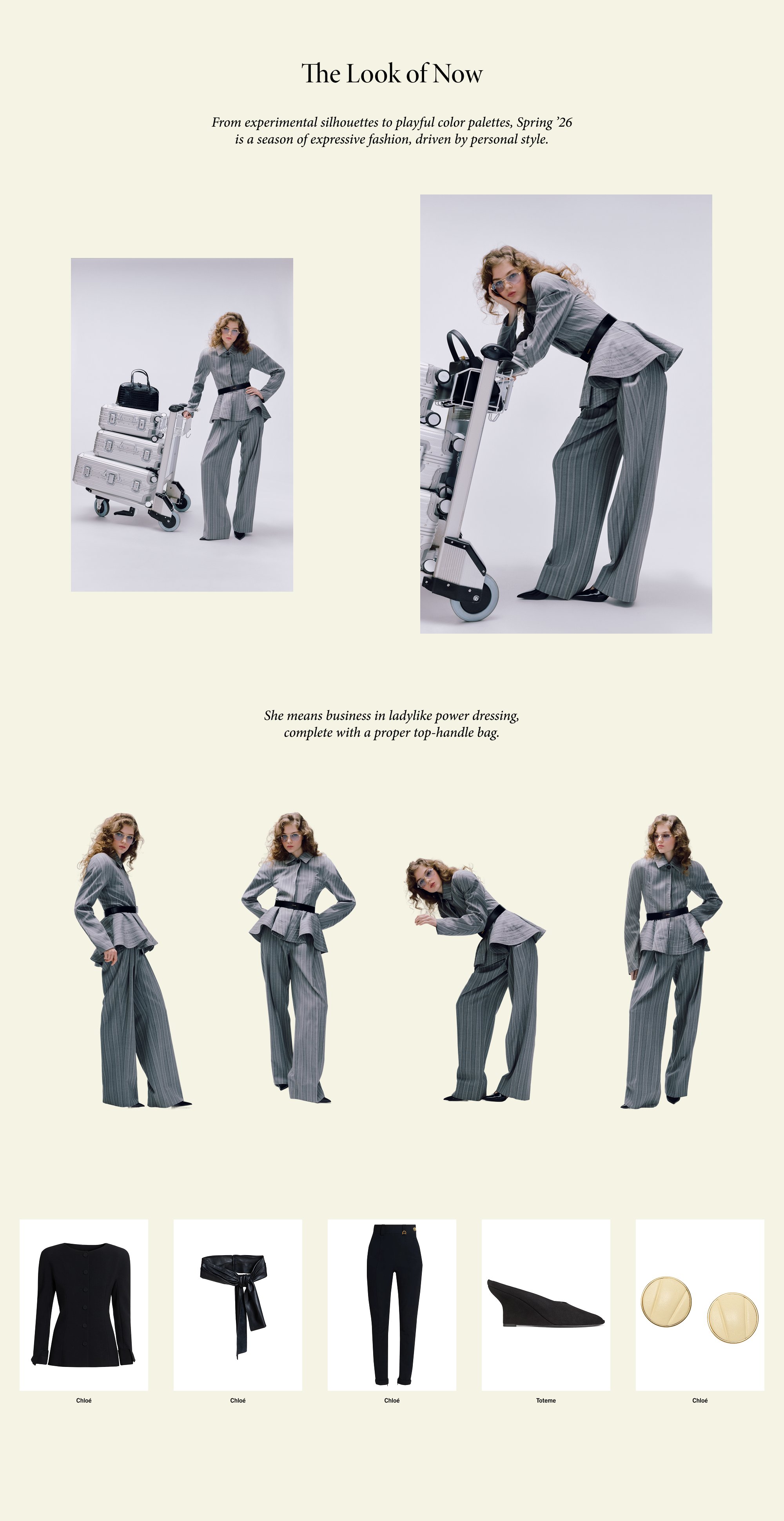
Fashion editors pick clothes, accessories, and looks for photo shoots and articles. Their edit shapes the magazine’s style and message. For instance, an editor may select only neutral colors for a “minimalist” feature, cutting out anything too bold.
In Personal Styling
Stylists edit wardrobes for clients. They remove items that do not fit the person’s lifestyle or body shape. Editing helps people dress better, save money, and feel confident.
In E-commerce
Online stores use editing to curate what appears on their homepage, in email newsletters, or on social media. A strong edit makes shopping easier and more enjoyable.
The Process Of Editing In Fashion
Fashion editing is more than just picking and removing. It is a step-by-step process. Let’s break it down:
- Set the Goal: What is the story or style you want to show?
- Review All Options: Look at every piece, idea, or outfit.
- Select Strong Choices: Pick items that fit the goal.
- Remove Weak Links: Take out anything that distracts or does not match.
- Arrange for Impact: Organize the selected items for best effect.
This process repeats at every level, from designers to stylists to store buyers.
Examples Of Fashion Editing
Examples help make the idea of editing clear. Here are real-world situations:
- Runway Show: A designer creates 40 outfits but edits the collection to 20 for the show. The edited group tells a story and looks cohesive.
- Magazine Spread: An editor picks only black-and-white pieces for a feature on “modern monochrome.” The edit creates a strong visual impact.
- Retail Edit: A department store selects 100 items from a brand’s collection for their floor, focusing on bestsellers and seasonal trends.
- Wardrobe Edit: A personal stylist removes old, worn, or ill-fitting clothes from a client’s closet, keeping only what flatters and fits.
Types Of Edits In Fashion
Editing happens in many ways. Here are the most common types:
Trend Edits
Trend edits focus on what is popular. Buyers and editors select pieces that match current trends, like bold prints or pastel colors.
Seasonal Edits
Seasonal edits help stores and stylists show items for the right time of year. Winter edits may feature coats and boots; summer edits focus on dresses and sandals.
Brand Edits
Brand edits highlight a brand’s identity. Editors select pieces that fit the brand’s style, such as sporty, elegant, or eco-friendly.
Capsule Edits
Capsule edits are about creating a small, versatile wardrobe. Only essential, mix-and-match items are included.
Occasion Edits
Occasion edits target special events—weddings, parties, work. Editors select pieces that suit the occasion, removing items that are too casual or too formal.
Common Editing Mistakes In Fashion
Even professionals make mistakes when editing. Here are some common errors:
- Over-editing: Removing too much can leave a collection feeling empty.
- Under-editing: Keeping too many items can make the selection confusing.
- Ignoring the Audience: Not considering the target buyer leads to poor sales.
- Losing Cohesion: Mixing styles that do not fit together weakens the story.
- Missing Key Pieces: Cutting out essentials makes the selection less practical.
Avoiding these mistakes helps create strong, successful edits.
Non-obvious Insights About Fashion Editing
Most beginners think editing is only about removing items. But there are deeper insights:
- Editing is about balance: It is finding the right mix, not just cutting.
- Editing creates emotion: The right edit can make people feel inspired, excited, or confident.
- Editing shapes identity: Brands, stores, and people use editing to define who they are. The edit becomes their signature.
Another insight: Sometimes, the strongest edit is about what you leave out. The absence of certain pieces can make the presence of others more powerful.
Editing Vs. Curation: What’s The Difference?
Many people confuse editing with curation. Both involve selection, but they are not the same.
Editing is about shaping a group for a specific goal—often with a strong point of view. Curation is about collecting items, sometimes from many sources, to create a diverse but coherent collection.
For example, a museum curator gathers pieces from different artists. A fashion editor picks pieces to tell a story or fit a theme.
Here is a comparison:
| Editing | Curation |
|---|---|
| Focused selection for a goal | Collecting diverse items |
| Removes items that do not fit | Adds items from multiple sources |
| Creates a strong story | Shows a broad view |
The Role Of Editing In Fashion Marketing
Editing is key in marketing fashion brands. A strong edit makes products stand out and draws attention. Here’s how editing helps marketing:
- Highlighting Bestsellers: Focusing on popular items increases sales.
- Creating Visual Impact: Editing brings style to window displays, lookbooks, and ads.
- Communicating Brand Values: Editors select items that reflect eco-friendliness, luxury, or innovation.
For example, a brand focused on sustainability will edit its marketing to show recycled fabrics and ethical production.
Credit: www.saksfifthavenue.com
Editing For Different Fashion Audiences
Editing changes depending on the audience. The fashion industry has many groups to consider:
- Luxury Buyers: Editing highlights exclusive, high-quality pieces.
- Budget Shoppers: Editors select affordable, practical items.
- Young Consumers: Trendy, bold edits appeal to younger buyers.
- Professionals: Edits focus on business attire and smart looks.
Each audience needs a different approach. Understanding your target is key to a good edit.
How Editing Influences Fashion Trends
Editing can shape trends. When editors pick certain styles, colors, or fabrics, they influence what people buy and wear. For example, magazine editors may highlight pink, making it a hot color for the season.
Editing also helps trends spread quickly. Store buyers choose items that match what is popular, and stylists put new trends in magazines and on celebrities. The edit is the filter that controls what trends reach the public.
The Business Impact Of Editing
Editing is not just about style—it affects business. Well-edited collections sell better. Poor edits lead to wasted money and unsold inventory.
Here is a simple comparison of two stores:
| Store A (Strong Edit) | Store B (Weak Edit) |
|---|---|
| Clear style, easy to shop | Messy, confusing selection |
| High sales, loyal customers | Low sales, unhappy shoppers |
| Less leftover stock | More unsold items |
A strong edit helps stores succeed and brands grow.
Editing In Fashion Shows
Fashion shows are famous for editing. Designers spend months creating many looks, then edit them for the runway. Editing makes the show exciting and memorable.
A good runway edit focuses on:
- Key themes: Showing the main idea of the collection
- Pacing: Mixing strong looks with softer ones for balance
- Impact: Ending with a show-stopping piece
Without editing, fashion shows would be long and boring. The edit keeps things sharp and stylish.
Editing In Fashion Photography
Fashion photographers rely on editing, too. They select the best photos, angles, and poses. Editors choose which images appear in magazines or ads.
Editing in photography is about:
- Selecting strong visuals
- Removing distracting backgrounds
- Highlighting the clothes and model
A good edit tells a story and draws attention to the brand or designer.
Editing In Wardrobe Organization
Editing is useful in everyday life. Organizing your wardrobe is a form of editing. It means removing clothes you never wear, keeping favorites, and arranging for easy access.
Here’s a simple wardrobe editing process:
- Take everything out
- Sort by type (tops, bottoms, shoes)
- Remove items that do not fit, are damaged, or rarely worn
- Keep pieces that match your lifestyle and style
- Arrange items for easy use
Editing your wardrobe makes dressing faster and helps you look your best.
Digital Editing In Fashion
Digital editing is another layer. Websites and apps use editing to show products, create collections, and suggest outfits. Algorithms help edit what customers see based on their preferences.
For example, online shops display only items in your size or style. This digital edit saves time and makes shopping easier.
How To Improve Your Fashion Edit
Anyone can become better at editing in fashion. Here are practical tips:
- Know your goal: Decide the story or style you want.
- Review everything: Look at all options before choosing.
- Stay objective: Remove personal feelings from the edit.
- Get feedback: Ask others for their opinion.
- Practice: The more you edit, the better you get.
Beginners often miss the importance of reviewing everything. It is easy to skip items, but a full review leads to a stronger edit.
Another insight: Editing is not just about removal. Sometimes, adding one key item makes the edit complete.
Credit: merchjungle.com
Key Skills For Fashion Editing
To become good at editing in fashion, develop these skills:
- Observation: Notice details in clothes and style
- Decision-making: Make choices quickly and confidently
- Organization: Arrange items for best effect
- Creativity: Find new ways to combine pieces
- Communication: Explain your edit to others
Many professionals train these skills through experience, but anyone can learn with practice.
Editing In Sustainable Fashion
Editing is important for sustainability. Eco-friendly brands use editing to reduce waste. They select items that are durable, versatile, and ethically made.
Sustainable edits often focus on:
- Quality materials
- Timeless styles
- Minimal waste
A good sustainable edit helps customers buy less but better.
Editing In Fashion Buying
Fashion buyers are key editors. They decide which items stores sell. Their edit shapes what shoppers see.
Buyers must consider:
- Sales data
- Customer preferences
- Seasonal needs
- Brand identity
Here is a comparison of buyer priorities:
| Buyer Priority | Impact |
|---|---|
| Sales Data | Ensures bestsellers are included |
| Customer Preferences | Keeps shoppers happy |
| Seasonal Needs | Matches weather and events |
| Brand Identity | Supports store image |
Editing for buying is both art and science.
Editing For Digital Platforms
Social media and e-commerce rely on editing. Brands use edits to keep feeds fresh and appealing. Editors select images, captions, and products for maximum impact.
Digital edits are fast and flexible. Brands can change their edit to match trends or events. This keeps followers engaged and drives sales.
Editing In Fashion Journalism
Fashion journalists edit stories and images for publications. Their edit shapes the magazine’s or website’s voice. Editors pick topics, quotes, and photos to create compelling articles.
The edit is the filter that turns raw content into polished stories. Good editing makes journalism powerful and trustworthy.
The Future Of Fashion Editing
Editing is evolving. Technology brings new tools, like AI and data analytics, to help editors make smarter choices. But human skill and taste remain important.
The future of fashion editing will mix digital speed with personal touch. Brands, stylists, and shoppers will use editing to stay clear, creative, and connected.
Frequently Asked Questions
What Is A Fashion Edit?
A fashion edit is a selection of clothing, accessories, or looks chosen to fit a style, story, or brand. It involves picking the best items and arranging them for impact.
How Is Editing Different From Curation In Fashion?
Editing is about shaping a group for a specific goal, often with a strong point of view. Curation collects diverse items to show a broad perspective.
Why Is Editing Important For Designers?
Editing helps designers focus their ideas, create clear collections, and communicate their vision. It makes their work stronger and more appealing.
Can I Edit My Own Wardrobe?
Yes. Editing your wardrobe means removing items you do not wear, keeping favorites, and organizing for easy access. It helps you dress better and saves time.
What Skills Are Needed For Fashion Editing?
Key skills include observation, decision-making, organization, creativity, and communication. These help editors make strong choices and explain their vision.
Fashion editing is more than just picking clothes. It is a powerful tool for shaping style, expressing identity, and making fashion clear and exciting. From designers to shoppers, everyone benefits from a strong edit. As you learn to edit, you will discover new ways to tell your story and enjoy fashion with confidence. For more on the role of editing in creative industries, see Fashion Editor.
