

What Does Business Casual Mean for Men? A Modern Style Guide
What Does Business Casual Mean For Men
Business casual is one of the most common dress codes in modern workplaces, but it’s also one of the most confusing. Many men ask, “What does business casual mean for me?”—especially when starting a new job or preparing for an important meeting. The answer isn’t as simple as it sounds. Business casual can look different from one company to another, and even shift depending on the region or industry. Yet, mastering this style is crucial: it impacts first impressions, confidence, and even career progress.
If you ever felt unsure about whether your outfit is business casual, you’re not alone. This guide clears up the confusion and helps you build a wardrobe that feels right, looks sharp, and fits the business casual standard. You’ll learn what business casual really means, which clothes work best, how to avoid common mistakes, and how to adapt your style to different situations.
We’ll also compare business casual to other dress codes, show you real-life examples, and answer the most frequent questions men have about this topic.
Understanding Business Casual: The Basics
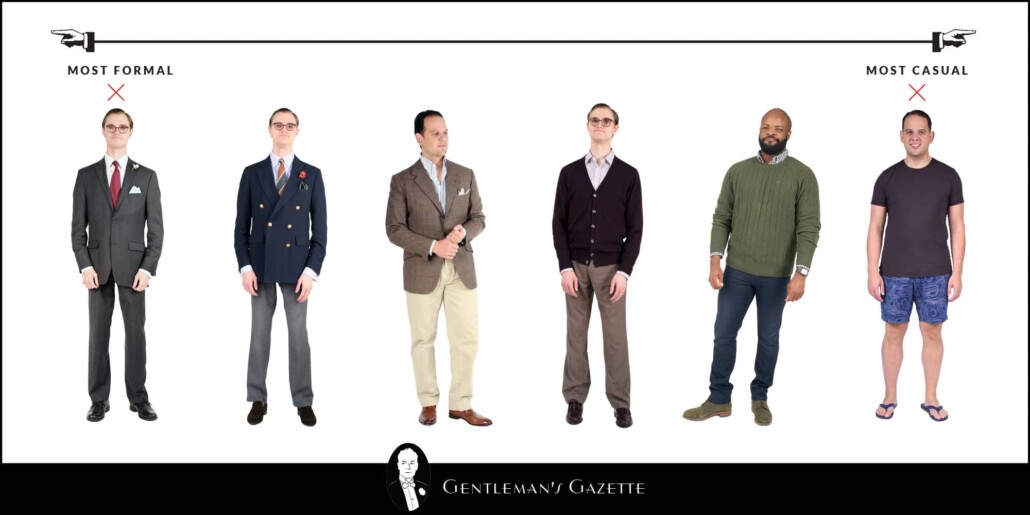
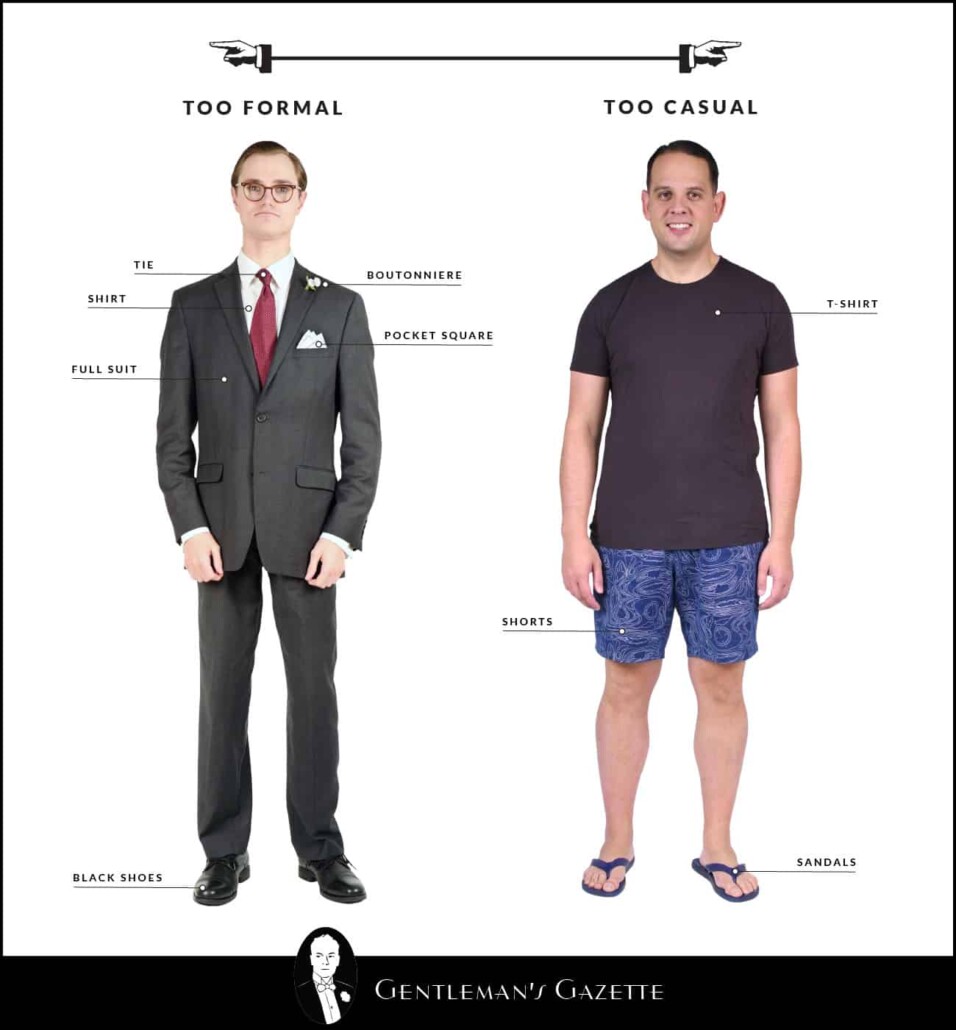
Business casual is a style that balances professionalism with comfort. It sits between formal business attire (like suits and ties) and casual wear (like jeans and T-shirts). The goal is to look polished and appropriate without being too stiff or too relaxed.
What Does “business Casual” Actually Mean?
The term business casual means you don’t need a full suit, but you shouldn’t look like you’re heading to the beach or a bar. Typical business casual outfits for men include:
- Collared shirts (like button-downs or polos)
- Dress pants or chinos
- Leather shoes (not sneakers or sandals)
- Optional: Sweaters, blazers, or sport coats
You can skip the tie, but your clothes should be neat, clean, and fit well. In most cases, jeans, shorts, and graphic T-shirts are not allowed.
Why Is Business Casual So Popular?
Business casual became popular as workplaces tried to be more comfortable and friendly. Many companies found that strict dress codes made people feel stressed and less creative. Business casual lets employees show personality while still looking professional. Today, it’s common in offices, meetings, networking events, and even job interviews in certain fields.
Key Elements Of Business Casual For Men
To master business casual, you need to know which pieces are safe, which are risky, and how to combine them. Let’s break down the core parts of a business casual outfit.
Shirts
Most men start with collared shirts. Button-downs are the safest choice. You can wear solid colors, subtle patterns, or thin stripes. Light blue, white, and pastel shades work well. Polo shirts are also acceptable, but only if they’re plain and in good condition.
Avoid shirts with bold prints, flashy logos, or loud colors. Shirts should be clean, wrinkle-free, and tucked in.
Pants
Dress pants (sometimes called slacks) and chinos are the backbone of business casual. Chinos are cotton pants that look sharp but feel comfortable. Stick to neutral colors like navy, gray, beige, or black. Pants should fit well—not too tight or baggy.
Jeans are risky. Some modern offices allow dark, well-fitted jeans, but many still see them as too casual. Shorts are almost never business casual.
Shoes
Leather shoes are the gold standard. Oxfords, loafers, and brogues are all safe choices. Shoes should be clean and polished. Avoid athletic shoes, sneakers, sandals, or flip-flops.
Dark brown and black are the most common colors. Lighter shades (like tan) can work if matched well with your outfit.
Jackets And Sweaters
Blazers and sport coats add style and warmth. They’re optional, but they make any outfit look more professional. Choose classic colors like navy or gray. Sweaters (pullovers, v-necks, or cardigans) are good for cooler days. Just make sure the sweater isn’t too baggy or casual.
Accessories
Keep accessories simple. A leather belt, a classic watch, and maybe a pocket square are enough. Avoid flashy jewelry, big logos, or hats.
Comparison Table: Business Casual Vs. Formal Vs. Casual
Here’s a quick comparison to help you see the differences:
| Dress Code | Shirt | Pants | Shoes | Jacket | Tie |
|---|---|---|---|---|---|
| Formal | Dress Shirt | Suit Pants | Leather Oxfords | Suit Jacket | Required |
| Business Casual | Button-Down/Polo | Chinos/Dress Pants | Leather Loafers/Brogues | Optional | Optional |
| Casual | T-shirt/Polo | Jeans/Shorts | Sneakers/Sandals | No | No |

Credit: www.nimble-made.com
How To Build A Business Casual Wardrobe
Building a business casual wardrobe doesn’t mean buying expensive clothes. It means picking smart, versatile pieces that work together.
Step 1: Choose Core Items
Start with basics that can mix and match:
- 3–5 collared shirts (button-down or polo)
- 2–3 pairs of chinos or dress pants
- 2 pairs of leather shoes
- 1 blazer or sport coat
- 1–2 sweaters (for colder days)
Make sure each piece fits you well and feels comfortable.
Step 2: Stick To Neutral Colors
Neutral colors are easy to match and look professional. Navy, gray, beige, and white are safe bets. Once you have basics, you can add a few pieces in subtle colors (like pastel blue or soft green).
Step 3: Focus On Fit
Fit is more important than brand. Clothes should not be too tight or too loose. Your shirt should stay tucked in and your pants should rest comfortably at your waist.
Step 4: Quality Over Quantity
It’s better to have a few high-quality items than many cheap ones. Well-made clothes last longer and look better. Check stitching, fabric quality, and comfort before buying.
Step 5: Add Accessories Carefully
Keep belts, watches, and bags simple. Avoid anything too flashy or distracting.
Data Table: Average Cost Of Business Casual Wardrobe Items
Here’s an idea of what you might spend on each item:
| Item | Average Cost (USD) | Recommended Quantity | Total Cost Estimate |
|---|---|---|---|
| Collared Shirt | $40 | 4 | $160 |
| Chinos/Dress Pants | $60 | 3 | $180 |
| Leather Shoes | $90 | 2 | $180 |
| Blazer/Sport Coat | $120 | 1 | $120 |
| Sweater | $50 | 2 | $100 |
| Belt/Accessories | $35 | 2 | $70 |
Total cost: around $810. Prices can vary, but this gives you a starting point.
Common Business Casual Mistakes Men Make
Even experienced professionals make mistakes with business casual. Avoiding these errors is key to looking sharp and feeling confident.
Wearing Clothes That Don’t Fit
Many men wear shirts or pants that are too loose or too tight. Bad fit makes you look sloppy. Get your clothes tailored if needed.
Choosing Flashy Colors Or Patterns
Business casual is not the time for neon colors, big logos, or wild prints. Stick to subtle, classic styles.
Ignoring Shoe Quality
Dirty or worn-out shoes ruin your look. Polish your shoes and replace them if they’re damaged.
Forgetting Grooming
Business casual is more than clothes. Hair, nails, and facial hair should be neat. You don’t need a fresh haircut every week, but avoid messy or unkempt styles.
Wearing Wrinkled Or Stained Clothes
Always check your outfit before leaving home. Wrinkles and stains are easy to spot and leave a bad impression.
Bringing Casual Accessories
Backpacks, baseball caps, and sports watches are too casual for business settings. Use a leather briefcase or simple bag instead.
Not Checking Company Culture
Some workplaces accept jeans or sneakers; others don’t. Always check your company’s dress code before wearing something new.
Business Casual In Different Industries
Business casual isn’t the same everywhere. It changes by industry, company, and even country. Here’s how it looks in some common fields.
Tech Companies
Tech firms are usually relaxed. Men can wear polos, dark jeans, and simple shoes. Hoodies and sneakers may be fine for engineers, but not for managers.
Finance And Law
Banks and law firms often have stricter rules. Business casual means dress shirts, slacks, and leather shoes. Blazers are common, and jeans are not allowed.
Creative Fields
Advertising, design, and media companies allow more personality. You can wear patterned shirts or colorful sweaters, but avoid anything too wild.
Education
Teachers, professors, and staff can dress in comfortable business casual—button-downs, chinos, and smart shoes.
Healthcare And Science
Doctors, researchers, and lab workers often wear scrubs or lab coats, but business casual is expected at meetings or conferences.
Data Table: Business Casual Acceptance By Industry
This table shows how different industries rate business casual:
| Industry | Business Casual Allowed? | Jeans Accepted? | Blazer Needed? |
|---|---|---|---|
| Tech | Yes | Sometimes | No |
| Finance | Yes | No | Yes |
| Creative | Yes | Sometimes | Optional |
| Education | Yes | No | Optional |
| Healthcare | Yes (at meetings) | No | Optional |
How To Adapt Business Casual For Different Occasions
Business casual isn’t just for the office. You may need to dress this way for interviews, networking, or travel. Here’s how to adjust your style.
Job Interviews
Always dress slightly more formal than the day-to-day office style. If the company is business casual, wear a blazer and avoid jeans.
Meetings And Presentations
If you’re leading a meeting or presenting, add a blazer or a smart sweater. This shows confidence and respect.
Company Events
For after-work gatherings or parties, you can relax a bit. Swap your dress shirt for a polo or unbutton the collar. Still, avoid sneakers or shorts.
Travel
When traveling for work, comfort matters. Chinos, polos, and loafers are easy to pack and wear. Keep one blazer handy for important events.
Credit: www.gentlemansgazette.com
Practical Tips For Business Casual Success
Mastering business casual means more than following rules. Here are practical tips to help you stand out and avoid mistakes.
Invest In Good Basics
Spend more on items you wear often—like shirts, pants, and shoes. Cheap clothes wear out fast and look less professional.
Use Layers Wisely
Blazers, sweaters, and vests help you adapt to changing temperatures and add style. Layers also make your outfit look more interesting.
Pay Attention To Details
Small things matter. Check for loose threads, missing buttons, and stains. These details show you care about your appearance.
Change With The Season
Swap fabrics and colors as seasons change. In summer, wear lighter cotton and linen. In winter, choose wool or thicker sweaters.
Listen To Feedback
Ask coworkers or managers if you’re unsure. They can tell you what’s normal in your office.
Don’t Overthink It
Business casual is about balance. If you look neat, feel comfortable, and fit in with your colleagues, you’re doing it right.
Real-life Examples Of Business Casual Outfits
Sometimes it helps to picture what business casual looks like. Here are sample outfits for different occasions.
Office Day
- Light blue button-down shirt
- Navy chinos
- Brown leather loafers
- Simple leather belt
Client Meeting
- White dress shirt
- Gray dress pants
- Navy blazer
- Black leather oxfords
- Classic watch
Casual Friday
- Dark polo shirt
- Beige chinos
- Tan loafers
- No jacket
Networking Event
- Patterned button-down shirt (subtle design)
- Black chinos
- Gray cardigan
- Brown brogues
Travel Day
- White polo shirt
- Navy chinos
- Slip-on loafers
- Lightweight sweater
Non-obvious Insights For Business Casual
Many guides cover the basics, but there are subtle points most beginners miss.
The Power Of Texture
Textures (like twill, herringbone, or wool blends) add depth to outfits. A textured blazer or pants can make simple colors look more interesting, without being flashy.
Socks Matter
Most men ignore socks. But bright or patterned socks can ruin a business casual look. Stick to dark, plain socks that match your pants or shoes.
Fit Can Change With Activity
If your job involves moving, bending, or standing, choose clothes that stretch or move with you. Some modern fabrics (like stretch cotton) keep you comfortable all day.
Quiet Patterns Are Safer
Small checks, thin stripes, or subtle dots look professional. Loud prints or big designs do not. When in doubt, choose plain or quietly patterned shirts.
Watch Out For Office Air Conditioning
If your workplace is cold, bring a sweater or keep a blazer handy. Many men forget this and end up uncomfortable.
Business Casual Around The World
Business casual means different things in different countries. In the US, it’s common to skip the tie and wear chinos. In Europe, business casual often means a dress shirt with a blazer, sometimes with a tie. In Asia, some offices expect a more formal look—even for business casual.
If you travel or work with international teams, check local customs before choosing your outfit.
Credit: www.gentlemansgazette.com
Business Casual Vs. Smart Casual
Some people confuse business casual with smart casual. Smart casual is slightly more relaxed. You can wear nice jeans, stylish sneakers, and even turtlenecks. Business casual is stricter—no jeans or sneakers in most workplaces.
Smart casual is common at parties, dinners, or creative jobs, but business casual is the standard for most offices.
The Impact Of Business Casual On Career
How you dress affects how others see you. Studies show that well-dressed employees are seen as more confident, trustworthy, and successful. Business casual lets you show personality, but also tells people you take your work seriously.
According to a survey by OfficeTeam, 50% of managers said clothing choices affect employees’ chances of getting promoted. Dressing well can open doors, help you build relationships, and make you feel ready for new challenges.
Frequently Asked Questions
What Should I Avoid In Business Casual For Men?
Men should avoid jeans, shorts, graphic T-shirts, sneakers, sandals, and flashy accessories. It’s also best to skip hats and sports gear. Always check your company’s dress code before wearing something uncertain.
Can I Wear Jeans In Business Casual?
In some modern workplaces, dark, well-fitted jeans are acceptable. However, most traditional offices do not allow jeans for business casual. When in doubt, choose chinos or dress pants.
Are Ties Required In Business Casual?
Ties are optional for business casual. You can wear one if you want to look more formal, but most business casual outfits skip the tie. If you are unsure, bring a tie and decide based on your office environment.
What Colors Are Best For Business Casual?
The best colors are neutral shades like navy, gray, beige, and white. Soft pastels and gentle patterns are also safe. Avoid neon, bright colors, and bold prints.
How Do I Know If My Outfit Is Business Casual?
Ask yourself if your clothes look neat, professional, and comfortable. If you’re wearing a collared shirt, dress pants, and leather shoes, you’re likely business casual. When in doubt, check your company’s dress code or ask a manager.
Final Thoughts
Business casual doesn’t have to be confusing or stressful. With the right knowledge, you can create outfits that look sharp, feel comfortable, and fit your workplace culture. Choose clothes that fit well, stick to classic styles, and pay attention to small details.
Avoid common mistakes and adapt your style for different occasions. Remember, business casual is about balance—professional but relaxed, stylish but not flashy.
As the workplace evolves, business casual continues to be the most popular dress code. Mastering it helps you make a strong impression and build confidence in any business setting. For more tips and deeper insights, you can check resources like Business Insider. Whether you’re new to the office or looking to refresh your wardrobe, business casual is your ticket to looking and feeling your best every day.
