

What Do Gymnastics People Wear: Essential Outfits Explained
What Do Gymnastics People Wear
Gymnastics is a sport where clothing matters more than many realize. The right outfit can boost performance, prevent injuries, and help gymnasts feel confident. But for people new to gymnastics, the choices can be confusing. Why do gymnasts wear such tight clothes?
What do coaches and judges expect? How do outfits differ for men, women, and kids? If you want clear answers, you’re in the right place. This article will guide you through everything about gymnastics clothing, from basics to advanced details, with examples and practical advice.
Whether you’re a parent, athlete, or simply curious, you’ll find useful information to help you understand what gymnastics people wear.
Why Clothing Matters In Gymnastics
Gymnastics is about movement, flexibility, and safety. Clothing plays a big role. It’s not just about looking good—gymnastics outfits help athletes perform their routines without distraction. Here’s why:
- Freedom of movement: Gymnastics clothing is designed to stretch. It allows gymnasts to jump, flip, and twist without restriction.
- Safety: Loose clothing can get caught or cause falls. Tight outfits prevent accidents.
- Judging: Judges must see the gymnast’s body lines and form. Outfits help judges assess performance.
- Team identity: Clubs and teams often wear matching colors or designs for competitions.
Non-obvious insight: Many beginners think any sportswear is fine for gymnastics. But regular shorts or T-shirts can be dangerous. Specialized gymnastics clothing is designed for the unique demands of the sport.
Main Types Of Gymnastics Clothing
Gymnastics has several disciplines: artistic, rhythmic, trampoline, acrobatic, and others. Each type has its own clothing rules and traditions. Let’s break down the main types:
| Discipline | Men’s Clothing | Women’s Clothing | Special Features |
|---|---|---|---|
| Artistic | Leotard, shorts, pants | Leotard | Body-hugging, often shiny |
| Rhythmic | N/A | Leotard, skirt, tights | Decorative, sometimes with mesh |
| Trampoline | Leotard, shorts | Leotard | Simpler, less decoration |
| Acrobatic | Leotard, unitard | Leotard, unitard | Bold patterns, often matching partners |
Artistic Gymnastics
This is the most popular type. The leotard is the standard for women. For men, it’s usually a leotard with shorts or long pants.
- Women’s leotards are sleeveless or have long sleeves.
- Men’s leotards are worn with shorts for floor and vault, pants for pommel horse and rings.
Rhythmic Gymnastics
Only women compete at high levels. The outfit is a decorated leotard, often with attached skirt or mesh.
- Skirts are short and light.
- Leotards may have sequins, crystals, or bold colors.
Trampoline Gymnastics
Both men and women wear simple leotards, with minimal decoration. Men often add shorts.
Acrobatic Gymnastics
Teams perform together. Outfits are usually matching, with bold designs to show unity.
- Leotards or unitards for both genders.
- Patterns often match across team members.
The Leotard: The Heart Of Gymnastics Clothing
The leotard is the most famous gymnastics outfit. It’s tight, stretchy, and covers the torso. But not all leotards are the same.
What Makes A Good Leotard?
A leotard must:
- Fit snugly but not squeeze too hard.
- Stretch in all directions.
- Stay in place during flips and jumps.
- Not restrict movement.
Most are made from spandex, nylon, or polyester blends. Some have special coatings for shine.
Styles Of Leotards
There are three main styles:
- Sleeveless leotards: Most common for training and some competitions.
- Long-sleeve leotards: Used in big competitions, especially for women.
- Tank leotards: Sleeveless with wider straps, popular for boys and younger gymnasts.
Decoration And Design
Competition leotards are often decorated with:
- Rhinestones for sparkle under lights.
- Bold colors or team logos.
- Mesh panels for style and ventilation.
Practice leotards are usually simpler.
Leotard Care Tips
A common mistake is washing leotards in hot water or drying them with heat. This damages the fabric and decorations. Wash in cold water, air dry, and avoid harsh detergents.
Men’s Gymnastics Clothing
Men’s gymnastics outfits look different from women’s. Here’s what men wear:
Leotard (singlet)
Men wear a leotard, sometimes called a singlet. It’s similar to the women’s version but cut differently.
- Worn under shorts or pants.
- Sleeveless, allows shoulder movement.
Shorts And Pants
- Shorts: Used for floor and vault routines. Made from stretchy fabric.
- Pants: Worn for pommel horse, rings, parallel bars, and high bar. Pants are tight at the ankle for safety.
Socks And Shoes
Most men compete barefoot. Some wear special socks with grips for certain apparatus.
Non-obvious insight: Men’s pants must be tight enough not to catch on equipment but loose enough for comfort. This balance is tricky, and many beginners buy pants that are too baggy.
Women’s Gymnastics Clothing
Women’s outfits are more varied and often more decorative. Let’s look at the main items:
Leotard
- Most important piece.
- Can be sleeveless or long-sleeved.
- Styles change with age and competition level.
Undergarments
- Gymnasts wear sports bras or special underwear that doesn’t show.
- Visible straps or lines can lead to point deductions in competitions.
Hair Accessories
- Scrunchies or ribbons matching the leotard.
- Hair must be tied back, usually in a bun or ponytail.
Tights
In rhythmic gymnastics, tights are worn under leotards for style and warmth.
Footwear
- Most gymnasts compete barefoot.
- Rhythmic gymnasts may wear toe shoes or half-shoes for grip.
Makeup And Jewelry
- Light makeup is allowed in some competitions.
- Jewelry is not recommended for safety reasons.
Non-obvious insight: For competitions, the fit and style must match strict rules. Even a visible bra strap can lead to lost points. It’s wise to practice routines in the exact outfit planned for the event.
Kids’ Gymnastics Clothing
Children’s gymnastics clothing must be comfortable, safe, and fun.
Leotards For Kids
- Bright colors and cartoon designs are popular.
- Fabrics are softer, sometimes cotton blends for sensitive skin.
Shorts And Leggings
- Some kids wear shorts or leggings over leotards for modesty.
- Coaches usually prefer leotards alone for safety.
Hair And Accessories
- Hair must be tied back.
- Accessories should not have hard or sharp parts.
Common Mistakes
Parents often buy leotards too large, hoping kids will “grow into them. ” Loose leotards can cause accidents. Always choose the right size.
Gymnastics Clothing For Coaches
Coaches need to move easily and stay comfortable. Their outfits are different from athletes.
Typical Coach Outfits
- Track pants or athletic shorts
- T-shirts or polo shirts
- Sneakers with good grip
Coaches may wear team colors or logos.
Why Coaches’ Clothing Matters
Coaches often spot gymnasts, meaning they help during difficult moves. Their clothing must not have loose parts that could catch on athletes. A coach with dangling zippers or jewelry can cause accidents.
Judging And Competition Rules For Gymnastics Clothing
Clothing in competitions is strictly controlled. Each discipline has rules set by organizations like the International Gymnastics Federation (FIG).
Key Rules
- Outfits must not have advertising (except approved logos).
- No loose clothing or jewelry.
- Hair must be neat and tied back.
- Undergarments must not be visible.
- Teams often wear matching outfits.
Penalties
If a gymnast’s clothing breaks the rules, judges can deduct points or disqualify the athlete.
Adaptations For Religious Or Cultural Needs
Some gymnasts wear long sleeves or leggings for modesty. Most organizations allow this if it’s safe and does not affect performance.
Materials And Fabric Technology
Gymnastics clothing uses advanced fabrics. Here’s what you need to know:
Common Materials
- Spandex (Lycra): Super stretchy, hugs the body.
- Nylon: Durable, dries fast.
- Polyester: Shiny, strong, holds color.
Why These Materials?
These fabrics:
- Stretch in every direction.
- Breathe well.
- Resist sweat and odor.
- Stay light even when wet.
New Innovations
Some brands use moisture-wicking technology to keep gymnasts dry. Others add UV protection for outdoor training.
Non-obvious insight: Cheap leotards often use low-quality fabrics. These lose shape fast and can tear during intense moves. Investing in good material makes a big difference.
Comparison: Gymnastics Vs Other Sports Clothing
Many people think gymnastics clothing is similar to other sportswear. But it’s unique.
| Feature | Gymnastics | Dance | Swimming | Track & Field |
|---|---|---|---|---|
| Fit | Very tight | Tight or loose | Snug | Tight or loose |
| Material | Spandex blends | Cotton, spandex | Polyester, lycra | Polyester, spandex |
| Decoration | Rhinestones, mesh | Sequins, lace | Minimal | Minimal |
| Safety | High priority | Medium | Medium | Medium |
| Purpose | Show form | Style, movement | Reduce drag | Comfort, performance |
:max_bytes(150000):strip_icc():focal(999x0:1001x2)/fred-richards-gymnastics-uniform-022125-3-bfb96c6431e546d3a22daf1bd2825fa5.jpg)
Credit: people.com
How To Choose Gymnastics Clothing
If you’re buying for yourself or your child, here’s what matters:
Comfort
- Try the outfit before buying.
- Move your arms and legs—does it stretch?
Fit
- The clothing should hug the body.
- No wrinkles or loose parts.
Durability
- Check seams and fabric quality.
- Look for reinforced stitching.
Style
- Choose colors or patterns you like.
- For competitions, match team colors.
Price
- Good leotards cost more but last longer.
- Avoid very cheap options—they wear out fast.
Brand
- Trusted brands like GK Elite, Ainsliewear, and Sasha are popular.
- Local brands may offer good deals for beginners.
Mistakes To Avoid
- Buying a leotard too big or too small.
- Ignoring fabric quality.
- Forgetting about competition rules.
Gymnastics Accessories
Clothing isn’t the only thing gymnasts wear. Accessories can help with performance and safety.
Grips
Used for bars (uneven bars, high bar). Grips protect hands and improve hold.
Wristbands
Worn under grips to prevent chafing.
Scrunchies
Used to tie hair back. Often match leotard color.
Knee Pads
Some gymnasts wear thin knee pads for floor routines.
Toe Shoes
Worn by rhythmic gymnasts for grip and protection.
Gymnastics Clothing For Different Body Types
Gymnasts come in all shapes and sizes. Clothing must fit properly, whatever your body type.
Tall Gymnasts
- Look for brands with “long torso” sizes.
- Custom leotards may be needed.
Short Gymnasts
- Regular sizes often fit, but check straps and leg openings.
Plus Size Gymnasts
- Many brands now offer plus sizes.
- Choose styles with extra stretch and reinforced seams.
Adaptive Clothing
Some gymnasts have disabilities or special needs. Adaptive leotards have features like easy-open snaps or extra padding.
Non-obvious insight: It’s better to invest in a custom fit than settle for uncomfortable clothes. Gymnasts often perform better when they feel confident in their outfit.
Care And Maintenance Of Gymnastics Clothing
Taking care of gymnastics clothes keeps them looking good and lasting longer.
Washing Tips
- Wash leotards in cold water.
- Use mild detergent.
- Turn inside out before washing.
Drying Tips
- Air dry—never use a hot dryer.
- Hang leotards, don’t fold them.
Storage Tips
- Keep leotards flat or hanging.
- Avoid sunlight to prevent fading.
Removing Stains
- Use gentle stain removers.
- Never scrub rhinestones or decorations.
Common Mistakes
- Washing with regular clothes—can snag fabric.
- Using bleach—damages colors and elasticity.
Credit: www.thecut.com
Gymnastics Clothing Trends
Gymnastics fashion changes over time. Here are some current trends:
Bold Colors
- Neon, metallic, and bright shades are popular.
Unique Patterns
- Animal prints, galaxy patterns, and floral designs.
Sustainable Fabrics
- Eco-friendly materials are growing in popularity.
Custom Designs
- Teams and athletes order personalized leotards.
Technology
- Fabrics with moisture control, UV protection, and anti-odor features.
Gymnastics Clothing Around The World
Different countries have unique styles and traditions.
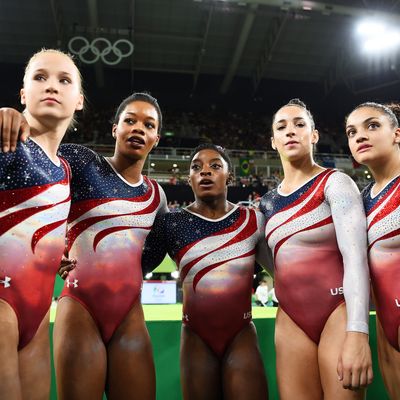
Usa
- Focus on bold, shiny designs.
- Heavy use of rhinestones and team logos.
Russia
- Elegant, often with subtle colors.
- High attention to detail.
China
- Clean lines, minimal decoration.
- Emphasis on fit and movement.
Western Europe
- Mix of tradition and innovation.
- Use of eco-friendly fabrics.
Non-obvious insight: Some countries use local fabrics and techniques, making their outfits unique. Watching international competitions can inspire new ideas.
Gymnastics Clothing For Special Events
Some events need special outfits:
Gala Performances
- More dramatic, theatrical designs.
- Sometimes costumes, not just leotards.
Team Competitions
- Matching colors and patterns.
- Custom outfits to show unity.
Exhibition Shows
- Outfits may include skirts, capes, or extra decorations.
Buying Gymnastics Clothing Online
Many gymnasts buy outfits online. Here’s how to shop smart:
Size Charts
- Always check the brand’s size chart.
- Measure chest, waist, hips, and torso length.
Reviews
- Read feedback from other buyers.
- Look for comments on fit and durability.
Return Policy
- Make sure you can return or exchange if needed.
Shipping
- Check delivery times, especially for competitions.
Trusted Sources
- Buy from official brand sites or big sports retailers.
- Avoid unknown sellers with no reviews.
For more detailed information, you can check Wikipedia’s leotard page.

Credit: gymnasticshq.com
Frequently Asked Questions
What Is The Difference Between Practice And Competition Leotards?
Practice leotards are simpler, made for comfort and durability. They usually have fewer decorations and cost less. Competition leotards use shiny fabrics, rhinestones, and bold colors to stand out. They also follow strict rules for fit and style.
Can Boys Wear Leotards In Gymnastics?
Yes, boys wear leotards, called singlets, with shorts or pants. The leotard helps show body lines and keeps clothing safe during routines. Boys’ leotards are cut differently, and often less decorated than girls’.
How Do I Know If A Leotard Fits Correctly?
A good leotard fits snugly without pinching. It should stretch with movement but not ride up or slip down. Try lifting your arms and legs—if the leotard stays in place, it’s a good fit.
Are There Rules About Gymnastics Clothing In Competitions?
Yes, competitions have strict rules. Outfits must be tight, safe, and neat. No visible underwear, loose clothing, or jewelry. Teams often need matching designs. Breaking rules can mean lost points or disqualification.
What Should I Do If My Child Feels Uncomfortable In Their Gymnastics Clothing?
Try different fabrics or styles. Some kids prefer cotton blends, others like spandex. Avoid outfits that are too tight or loose. Let your child move and jump in the outfit before buying. If needed, look for adaptive or custom options.
Gymnastics clothing is more than just fashion—it’s a tool for performance, safety, and confidence. The right outfit helps gymnasts shine, whether in practice or on stage. If you understand what gymnastics people wear and why, you can make smart choices, avoid common mistakes, and enjoy the sport to its fullest.
