

What Do Gym People Wear: Top Workout Outfits for Every Body
What Do Gym People Wear
Walking into a gym for the first time can feel a bit like entering a new world. You see people moving confidently from machine to machine, lifting weights, running on treadmills, or stretching on mats. One thing stands out: what everyone is wearing. Gym clothing is more than just a fashion statement. It is about comfort, safety, performance, and sometimes, a sense of community. If you are new to working out, you might wonder: what do gym people wear and why does it matter? The answer is more interesting and practical than you might think.
This guide will help you understand the different types of gym clothing, what is best for each activity, how to choose what works for you, and some of the things beginners often overlook. Whether you are going to a casual fitness class or training for a competition, the right outfit can make a big difference.
Why Gym Clothing Matters
Many beginners think that any old t-shirt and shorts will do the job. While you can exercise in almost anything, gym wear is designed with special materials and features that improve your experience. The right clothing can prevent injuries, help regulate body temperature, and even boost your confidence. Here is why gym attire is not just about looks:
- Comfort: You move a lot in the gym. Clothes that are too tight, too loose, or made from the wrong fabric can cause discomfort or even skin irritation.
- Performance: Breathable, sweat-wicking materials keep you cool and dry, so you can train longer and harder.
- Safety: Supportive shoes and the right gear can protect your joints and muscles.
- Hygiene: Gym clothing helps manage sweat and reduces odor, keeping you and those around you more comfortable.
Understanding these benefits helps you see that what you wear in the gym is as important as the exercise itself.
Essential Gym Clothing For Men
When it comes to gym wear for men, there are a few staples that you will see again and again. Let’s look at each one in detail.
T-shirts And Tank Tops
T-shirts are the most common choice. Most gym-goers prefer shirts made from synthetic blends, like polyester or nylon, because they wick away sweat better than cotton. Tank tops are also popular, especially for weightlifters who want more freedom of movement in the shoulders.
- Tip: Avoid heavy cotton shirts. They get heavy when wet and can cause chafing.
- Common Mistake: Wearing shirts that are too loose can get caught in equipment.
Shorts
Gym shorts are usually made from lightweight, breathable material. Some have built-in liners for extra support. The length can vary, but most men choose shorts that end above the knee for better mobility.
- Practical Insight: Shorts with pockets are convenient but can be distracting if you keep your phone or keys inside while working out.
Compression Gear
Compression shirts and shorts fit tightly and support your muscles. These help with blood flow, reduce muscle soreness, and keep you feeling secure. Some men wear compression gear under their regular gym clothes.
- Non-Obvious Tip: Compression wear can also reduce friction, preventing inner thigh chafing during running or cycling.
Pants And Joggers
Joggers and track pants are best for cooler weather or warm-up sessions. Look for styles with tapered legs to avoid fabric getting caught in machines.
Footwear
Shoes are one of the most important pieces of gym gear. The best shoe depends on your workout.
- Running shoes: For treadmill and cardio work.
- Cross-trainers: For weightlifting and mixed workouts.
- Flat shoes: For heavy lifting, such as deadlifts and squats.
| Shoe Type | Best For | Main Feature |
|---|---|---|
| Running Shoes | Cardio, treadmill | Cushioning, flexibility |
| Cross-Trainers | Mixed workouts | Stability, grip |
| Flat Shoes | Weightlifting | Firm sole, minimal heel |
Socks
Athletic socks are designed to wick moisture and prevent blisters. Look for seamless designs and avoid cotton for long sessions.
Underwear
Men often overlook the importance of supportive underwear. Athletic briefs or boxer briefs made from moisture-wicking materials are best.
- Beginner’s Miss: Wearing regular cotton underwear can cause discomfort and even skin problems during intense workouts.
Essential Gym Clothing For Women
Women’s gym attire has many similarities to men’s, but there are some unique needs to consider.
Sports Bras
A sports bra is a must for almost all women. It provides support, reduces discomfort, and prevents long-term damage to breast tissue. There are different types for low, medium, or high impact activities.
- Pro Tip: Make sure to get fitted for a sports bra, just like you would for regular bras. The wrong size can lead to pain or even injury.
Tops
Women often wear tank tops, t-shirts, or crop tops. The best tops are made from stretchy, sweat-wicking fabric that allows free movement. Some tops have built-in bras for extra support.
Leggings And Yoga Pants
Leggings are the most popular choice for women. They offer comfort, flexibility, and coverage. Look for high-waisted styles for added support and to prevent slipping during exercises like squats.
- Non-Obvious Insight: Not all leggings are squat-proof. Thinner fabrics can become see-through when stretched.
Shorts
Workout shorts are great for cardio or hot weather. Some women prefer shorts with built-in liners, while others like loose running shorts for freedom of movement.
Footwear
Women’s gym shoes are designed much like men’s, but with a fit that matches women’s foot shape. Choose shoes based on your main activity.
Socks And Underwear
Moisture-wicking socks and seamless underwear help prevent irritation and keep you dry. Thong-style underwear is common, but the most important thing is comfort and fit.
Accessories
Women may also use headbands to keep hair out of the way and weightlifting gloves for extra grip.
Specialty Gym Wear For Different Workouts
Not every workout is the same, and neither is the clothing. What you wear depends a lot on your activity.
Weightlifting
- Compression gear: Provides muscle support and reduces fatigue.
- Flat shoes or lifting shoes: Improve stability and safety.
- Wrist wraps or gloves: Support wrists and improve grip.
- Loose-fitting shorts or joggers: Allow for deep squats and lunges.
Cardio (running, Cycling, Hiit)
- Breathable t-shirts or tanks: Keep you cool.
- Running shorts or leggings: Allow for movement and reduce friction.
- Padded socks: Prevent blisters during long sessions.
- Running shoes: With good cushioning and shock absorption.
Yoga And Pilates
- Stretchy, form-fitting leggings or shorts: For unrestricted movement.
- Fitted tank tops or crop tops: Stay in place during poses.
- Barefoot or grip socks: For better connection to the mat.
Group Classes (zumba, Dance, Aerobics)
- Bright, stretchy tops and bottoms: For fun and flexibility.
- Supportive sports bras: For jumping and movement.
- Flexible sneakers: For dance moves and pivots.
Crossfit And Functional Training
- Moisture-wicking shirts and shorts: For high-intensity workouts.
- Cross-trainers: For mixed activity support.
- Knee sleeves or supports: For joint protection.
Swimming Or Aquatic Fitness
- Swimsuits or swim trunks: Designed for movement in water.
- Swim caps and goggles: For hygiene and eye protection.
- Water shoes: If required by your gym or for extra grip.
Materials And Fabrics Explained
The material of your gym clothing affects your comfort and performance. Here are the most common fabrics and their benefits:
| Fabric | Key Feature | Best For |
|---|---|---|
| Polyester | Lightweight, dries fast | All gym activities |
| Nylon | Strong, smooth, stretchy | Leggings, tops |
| Spandex (Lycra) | High stretch | Compression gear, leggings |
| Cotton blends | Soft, breathable | Light workouts, yoga |
| Merino wool | Odor-resistant, warm | Cold weather training |
- Tip: Avoid 100% cotton for high-sweat activities, as it traps moisture.
- Hidden Insight: Some fabrics have built-in antimicrobial treatments to reduce odor, which is useful for long gym sessions.
Choosing The Right Gym Clothes For Your Body Type
Everyone’s body is unique. The right gym clothes will make you feel confident and comfortable.
- Tall and slim: Fitted tops and shorts that hit above the knee work well.
- Curvy or muscular: High-waisted leggings and supportive tops offer coverage and support.
- Plus size: Many brands offer plus-size gym wear with reinforced seams and extra stretch.
Don’t be afraid to try different brands or styles until you find what feels best. Feeling good in your clothes often means you will train harder and more often.

Credit: www.tuffwraps.com
Accessories And Extras
Many gym-goers use accessories to make their workout easier or more enjoyable.
Gym Bags
A gym bag keeps your gear organized. Look for one with separate compartments for shoes and wet clothes.
Water Bottles
Staying hydrated is key. Many people bring a reusable water bottle to avoid plastic waste and save money.
Headphones
Music can motivate you. Wireless headphones or earbuds are best for movement.
Fitness Trackers
Devices like watches or fitness bands help you track your progress. Many connect to your phone and measure heart rate, steps, and calories burned.
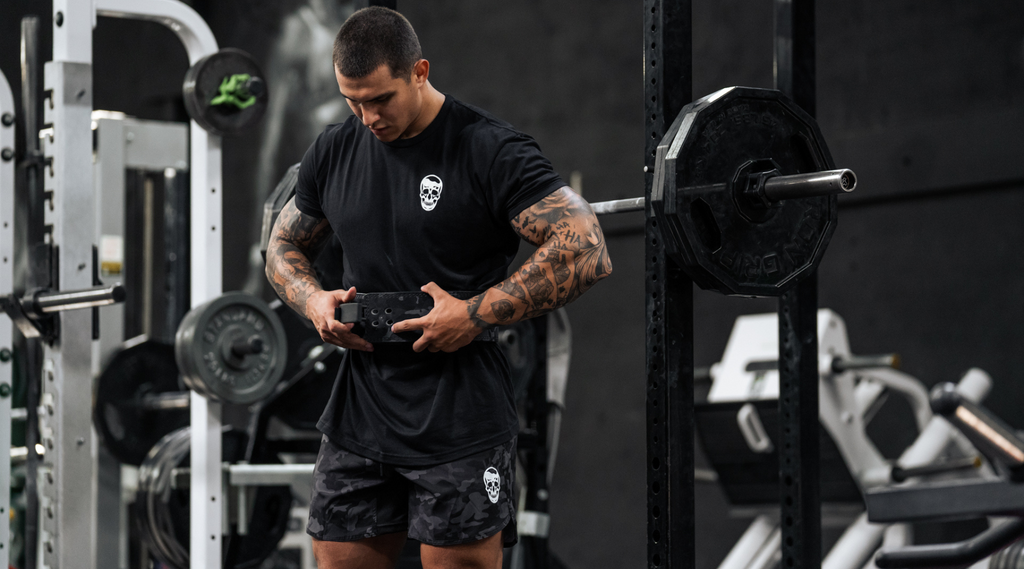
Lifting Belts And Gloves
These are used by serious lifters for extra support and grip. Gloves also prevent blisters and calluses.
Face Masks
In some gyms, especially after global health events, face masks are required. Look for breathable, washable masks.
Towel
A small gym towel is useful for wiping sweat and cleaning equipment after use.
What Not To Wear At The Gym
Knowing what to avoid is just as important as knowing what to wear.
- Jeans: Restrict movement and are uncomfortable when wet.
- Street shoes: Bring dirt into the gym and may not provide enough support.
- Baggy clothing: Can get caught in equipment and hides your form from trainers.
- Jewelry: Rings, necklaces, and bracelets can cause injury or get damaged.
- Clothes with offensive slogans: Most gyms have a code of conduct.
- Old, worn-out shoes: Lose their support and can lead to injuries.
Ignoring these tips can make your workout harder, less safe, or even get you asked to leave the gym.

Credit: www.converse.com.au
Hygiene And Care Tips For Gym Clothing
Your gym clothes work hard, so you need to take care of them.
- Wash after every use: Sweat and bacteria build up quickly.
- Use gentle detergent: Harsh chemicals can break down synthetic fabrics.
- Air dry: Heat from dryers can shrink or damage elastic fibers.
- Don’t leave clothes in your bag: This causes odors and stains.
A less obvious tip: If your gym clothes still smell after washing, try soaking them in a vinegar solution before washing again.
Trends And Fashion In Gym Wear
Gym fashion has become a big industry. Many people now wear athleisure—gym-inspired clothes—as everyday outfits. Patterns, colors, and branded items are common.
- Matching sets: Tops and bottoms in the same color or pattern.
- Logo-heavy designs: Popular with younger gym-goers.
- Sustainable fabrics: More brands use recycled materials.
- Minimalist looks: Simple, solid colors with clean lines.
It’s okay to want to look good at the gym, but comfort and function should always come first.
Two Mistakes Beginners Often Make
- Buying too much, too soon: New gym-goers sometimes buy a full wardrobe before they know what they like. Start with basics and add as you learn what works for your activities.
- Ignoring fit and support: Many people focus on style over function. Always test for fit, support, and comfort before buying.
Comparison: Gym Wear Vs. Regular Clothes
It may seem like a t-shirt and shorts from your closet are just as good as gym gear. Here is a quick comparison:
| Feature | Gym Wear | Regular Clothes |
|---|---|---|
| Moisture Control | Excellent | Poor |
| Stretch & Mobility | High | Low–Medium |
| Durability (Sweat/Movement) | High | Low |
| Support & Safety | Designed for activity | Not designed for exercise |
This table shows why people who work out regularly invest in specialized gym wear.
How To Build Your Own Gym Wardrobe
You don’t need to spend a fortune to start. Here’s a simple checklist for most people:
- 2–3 moisture-wicking shirts or tanks
- 2 pairs of gym shorts or leggings
- 1–2 sports bras (for women)
- 1 pair of cross-trainers or running shoes
- 2–3 pairs of athletic socks
- 1 gym bag
- 1 reusable water bottle
As you develop your routine, you can add more specialized items.
Where To Buy Gym Clothing
There are many places to buy gym wear, from big brands to local shops. Some people prefer to try on clothes in-store, while others shop online. Look for stores with good return policies, as fit is important. For more information on gym clothing technology and materials, you can check Wikipedia’s guide to activewear.
Credit: www.gymreapers.com
Frequently Asked Questions
What Is The Best Fabric For Gym Clothes?
The best gym fabrics are polyester, nylon, and spandex blends. These materials dry quickly, stretch well, and are durable. Avoid 100% cotton for high-intensity workouts because it holds sweat and can cause chafing.
Do I Need Different Shoes For Different Gym Activities?
Yes, different activities require different shoes. Running shoes are best for cardio, while cross-trainers support mixed workouts. Flat shoes or specialized lifting shoes are ideal for weightlifting. The right shoe will protect your feet and joints.
Should I Wear Underwear With Gym Leggings Or Shorts?
Most people do wear moisture-wicking underwear with leggings or shorts. Some leggings have built-in liners, so extra underwear is not needed. The key is comfort and avoiding fabrics that trap sweat.
How Often Should I Wash My Gym Clothes?
It’s best to wash gym clothes after every use. Sweat, bacteria, and dead skin cells build up quickly, leading to odors and possible skin irritation. Use a gentle detergent and air dry when possible.
Can I Wear Jewelry To The Gym?
It’s best to avoid wearing jewelry during workouts. Rings, necklaces, and bracelets can get caught in equipment or cause injury. If you must wear jewelry, stick to simple, snug items like small stud earrings.
Stepping into the gym with the right clothing can boost your confidence, improve your performance, and keep you safe. Take the time to choose gear that fits well, suits your workout style, and feels good to wear. With these tips, you’ll be ready for almost any exercise—and you might even inspire others with your smart gym style.
