

What Do Gym People Wear: Best Outfits for Every Workout
What Do Gym People Wear
Stepping into a gym for the first time can feel exciting, but also a bit confusing. You notice some people in tight leggings, others in baggy shorts, and many wearing unique shoes or accessories. What you wear to the gym actually matters more than most beginners realize.
The right clothes can help you move better, feel more comfortable, and even avoid injuries. This guide will show you exactly what gym people wear, why they choose these items, and how to pick the best workout clothes for your own goals.
Why Gym Clothing Matters
Gym clothes are not just about style. They have a big effect on your performance and comfort. For example, wearing a cotton t-shirt will soak up sweat and become heavy, while a technical fabric shirt stays light and dry. Proper gym clothing can:
- Support your body during movement
- Prevent chafing and rashes
- Reduce risk of injury
- Help regulate body temperature
- Boost confidence and motivation
Many people new to fitness think any clothes will do. But small choices—like the type of socks or the fit of your top—can make your gym session easier or harder. People who exercise regularly learn to choose their clothes with care.
Essential Gym Clothing Items
Let’s look at the main items gym people wear, why they’re important, and what features matter most.
1. Workout Tops
The first layer most people choose is a workout top. These come in many forms:
- T-shirts
- Tank tops
- Long-sleeve shirts
Fabric is key. The best workout tops use moisture-wicking materials like polyester or nylon blends. These fabrics pull sweat away from your skin and dry quickly. Cotton is soft but holds sweat and can cause irritation, especially in longer sessions.
Fit also matters. Some prefer a loose fit for airflow, while others like a snug fit for support. Many tops have mesh panels in key areas, like under the arms or on the back, for extra breathability.
Example: If you do high-intensity interval training (HIIT), you’ll sweat a lot. A fitted, synthetic top helps you stay dry and avoid skin problems.
2. Sports Bras
For people with breasts, a sports bra is one of the most important pieces of gym clothing. Sports bras offer more support than regular bras, reducing movement and discomfort during exercise.
There are different types of sports bras:
- Compression bras: Press the breasts against the chest. Good for low to medium impact.
- Encapsulation bras: Use individual cups for each breast. Better for high-impact activities.
A good sports bra should feel snug but not restrictive. Look for adjustable straps, wide bands, and moisture-wicking fabric. If you experience shoulder or back pain, you might need a bra with better support.
Non-obvious tip: Even if you have a small chest, a sports bra can reduce bounce and prevent long-term tissue damage.
3. Workout Shorts
Many gym-goers wear workout shorts, especially for cardio or warm climates. The best gym shorts have:
- Stretchy fabric for freedom of movement
- Elastic waistbands for a secure fit
- Inner liners to reduce friction (especially for men)
Some shorts have pockets, but for gym workouts, pockets are less important unless you need to carry keys or a phone. Running shorts are usually shorter, while basketball-style shorts are longer and looser.
Example: For squats and lunges, choose shorts that do not ride up or restrict your legs.
4. Leggings And Tights
Leggings (for women) and tights (for both men and women) are popular for weightlifting, yoga, and group classes. Benefits include:
- Full coverage, so you don’t worry about exposure
- Compression, which may support muscles
- No loose fabric to get caught in equipment
The best gym leggings are squat-proof (not see-through when you bend), have a high waistband for security, and use technical fabrics. Some leggings have pockets for convenience.
Non-obvious insight: Many people wear leggings under shorts for extra warmth or modesty.
5. Sweatpants And Joggers
For cooler weather or a relaxed fit, sweatpants and joggers are common choices. The difference is in the cut:
- Sweatpants: Usually loose all over, made from thicker material.
- Joggers: Tapered at the ankle, often lighter weight.
They’re perfect for warming up, cooling down, or for people who prefer not to show their legs. Modern joggers use stretchy, breathable fabrics that work for both gym and casual wear.
Caution: Baggy sweatpants can get caught in machines, so they’re not ideal for all workouts.
6. Sports Underwear
This is a part many beginners ignore, but sports underwear makes a real difference. Regular cotton underwear can hold sweat, cause chafing, and bunch up during exercise.
Look for:
- Moisture-wicking, stretchy materials
- Seamless designs to prevent irritation
- Good fit—neither too tight nor too loose
Both men and women benefit from athletic underwear, especially during intense or long workouts.
7. Socks
Gym socks are often overlooked, but the wrong pair can cause blisters or discomfort. The best socks for the gym are:
- Made from synthetic blends or merino wool
- Have arch support and cushioning
- Offer moisture management
Some people prefer no-show socks for style, while others like crew or calf-length socks for protection.
Non-obvious tip: Change socks after every workout—even quality socks lose their benefits if they’re damp.
8. Gym Shoes
Shoes are probably the most important item for safety and performance. The “right” shoe depends on your activity:
- Running shoes: Designed for forward motion, cushioning
- Training shoes: Flatter soles for stability in weightlifting
- Minimalist shoes: For those who want a barefoot feel (not for everyone)
The wrong shoes can lead to injuries, from shin splints to twisted ankles. It’s smart to try shoes on with your usual gym socks and walk around before buying.
Data: A study from the American College of Sports Medicine found that people wearing improper footwear were twice as likely to report foot pain during exercise.
9. Headbands And Caps
Sweat running into your eyes or hair getting in your face can distract you. Headbands absorb sweat and hold hair back. Caps are less common indoors but useful outdoors.
Choose sweat-wicking materials for both. For long hair, headbands with silicone grips stay in place better.
10. Gym Gloves
Many people who lift weights use gym gloves. These protect your hands from calluses, improve grip, and reduce slipping due to sweat.
Gloves can be:
- Full-fingered (for maximum protection)
- Fingerless (for better touch and cooling)
Some people prefer grip pads or lifting straps instead. Gloves are a personal choice, but they’re useful if you get sore palms or blisters.
11. Compression Gear
Compression shorts, shirts, and sleeves are designed to fit tightly and support muscles. Some studies suggest compression can reduce muscle soreness and speed recovery, but results vary.
Compression clothing is popular for high-impact sports, running, and even as a base layer under regular gym clothes.
Non-obvious insight: If you train in a cold gym, compression sleeves can keep your joints warm without overheating your body.
12. Outer Layers
When arriving or leaving the gym, or for outdoor training, people add outer layers like:
- Lightweight jackets
- Hoodies
- Windbreakers
Look for pieces that are easy to remove, have zippered pockets, and are made from breathable fabric. Outer layers should not be worn during heavy exercise, as they can trap heat and sweat.
13. Fitness Accessories
Besides clothing, many gym-goers carry small accessories:
- Wristbands: Absorb sweat
- Arm bands: Hold phones or music players
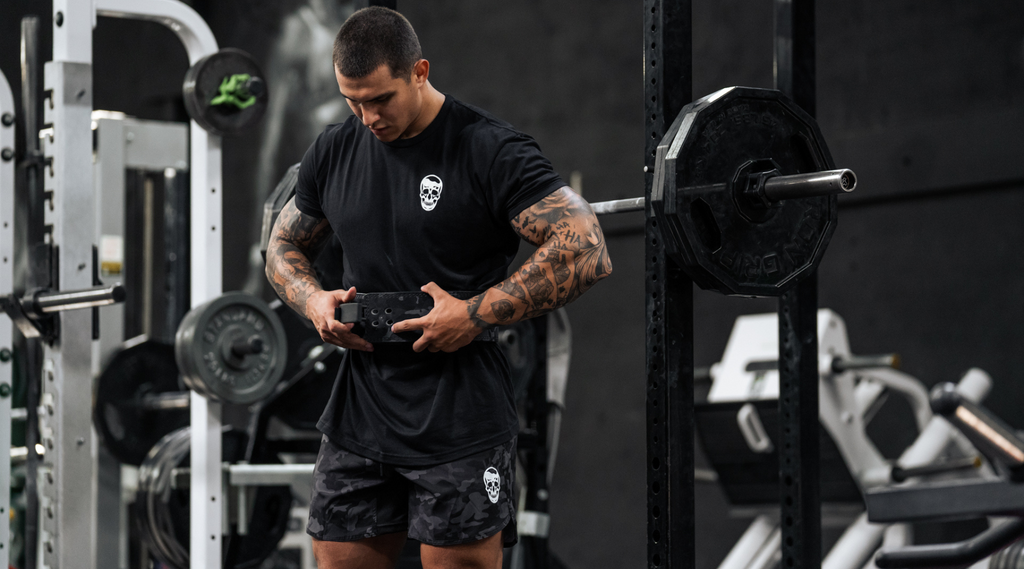
- Training belts: Support lower back during heavy lifts
While not required, these items can make your gym session more comfortable or convenient.

Credit: www.converse.com.au
Gym Outfits For Different Activities
What you wear can depend on your workout. Here’s how clothing changes by activity.
Weightlifting
- Fitted, stretchy tops and bottoms for freedom of movement
- Flat-soled shoes for stability
- Optional: Gloves, lifting belt, compression gear
Cardio (treadmill, Bike, Classes)
- Lightweight, moisture-wicking tops
- Shorts or leggings that do not ride up
- Running or cross-training shoes
Yoga And Pilates
- Flexible, close-fitting tops (so they don’t slide during poses)
- Leggings or yoga pants
- Bare feet or special yoga socks
High-intensity Interval Training (hiit)
- Sweat-wicking tops and shorts or leggings
- Supportive sports bra
- Cross-training shoes
Outdoor Running
- Weather-appropriate layers
- Reflective details for visibility
- Cap or headband, sunglasses
Non-obvious tip: For group classes, choose clothes you feel confident in—feeling good about your outfit can make you more likely to attend regularly.
How To Choose Gym Clothes
With so many options, it can be hard to know what to buy. Here are some tips for choosing the best gym clothes.
Prioritize Comfort And Fit
Your clothes should allow you to move freely and not distract you. If a shirt rides up or pants slide down, you’ll spend your workout adjusting instead of focusing.
Try clothes on and move around—do a squat or a few stretches—to check fit.
Fabric Matters
- Synthetic blends: Best for moisture-wicking and stretch
- Cotton: Good for low-sweat activities, but not intense workouts
- Merino wool: Great for socks, as it resists odor and manages moisture
Think About Durability
Gym clothes get washed a lot. Cheap items may lose shape, fade, or pill quickly. Check stitching, fabric weight, and reviews before buying.
Match Clothes To Your Activity
The same outfit won’t work for powerlifting and for hot yoga. Identify your main workouts and choose gear that suits them.
Consider Brand And Price
You don’t need expensive brands, but some well-known athletic companies use better materials and construction. Look for end-of-season sales or outlet stores for deals.
Don’t Forget Hygiene
Have enough gym clothes to wear a fresh set each workout. Reusing sweaty clothes can lead to skin irritation or infections.
Credit: www.gymreapers.com
Common Mistakes Beginners Make
New gym members often choose clothes based on looks or price rather than function. Here are mistakes to avoid:
- Wearing cotton for all workouts (gets heavy and uncomfortable)
- Choosing clothes that are too tight (restricts movement and may cause self-consciousness)
- Skipping proper shoes (using casual or old shoes increases injury risk)
- Ignoring support (for example, not wearing a sports bra)
- Not washing clothes promptly (leads to odor and bacteria growth)
Trends In Gym Fashion
Gym clothing trends change, but some themes stay popular:
- Matching sets: Coordinated tops and bottoms
- Bold colors and prints: Stand out in the gym
- Seamless designs: Reduce irritation and improve fit
- Sustainable materials: Eco-friendly fabrics are gaining popularity
Some people prefer simple, classic looks, while others use the gym as a place for self-expression.
Gender Differences In Gym Clothing
While many gym clothes are unisex, there are some differences:
- Women’s clothes: More options in leggings, sports bras, tank tops, and colors. Often more fitted and stretchy.
- Men’s clothes: More shorts, loose t-shirts, and tank tops. Compression shorts are common under gym shorts.
However, most modern athletic brands design for all body types and preferences. Wear what makes you comfortable.
How To Care For Gym Clothes
Quality gym clothes last longer with proper care.
- Wash after every use to prevent odor and bacteria
- Use cold water and mild detergent to protect fabric
- Air dry when possible; high heat can damage elastic fibers
- Avoid fabric softeners, which can block moisture-wicking properties
Storing sweaty clothes in a gym bag can cause lasting smells. Let them air out as soon as you get home.
Gym Clothing For Different Body Types
People of all shapes and sizes go to the gym. The best gym clothes are the ones that fit your body comfortably and make you feel confident.
- Petite: Cropped leggings, fitted tops, avoid baggy clothes
- Tall: Look for brands that offer tall sizes or longer inseams
- Plus-size: Many brands now offer plus-size gym wear with high waistbands and supportive fabrics
Non-obvious tip: Don’t hide under oversized clothes—well-fitting gym wear boosts body confidence and comfort.
Gym Clothing For Special Needs
Some people need specific features in their gym wear:
- Maternity activewear: Stretchy waistbands, extra support for the belly
- Adaptive clothing: Easy closures, flat seams for sensitive skin
- Modest activewear: Long sleeves, high necks, and looser fits for those who prefer more coverage
There are now many brands that serve these needs, making it easier for everyone to feel welcome at the gym.
Real-world Examples: What Gym-goers Actually Wear
Let’s compare how three typical gym-goers might dress:
| Person | Outfit | Main Activities |
|---|---|---|
| Beginner | Loose t-shirt, basic shorts, old running shoes | Cardio machines, light weights |
| Regular | Moisture-wicking top, compression leggings, training shoes | HIIT, weight training |
| Advanced | Seamless tank, high-performance shorts, lifting shoes, wrist wraps | Heavy lifting, advanced cardio |
As you get more experienced, you’ll likely upgrade your gym wardrobe for better performance and comfort.
How Much Should You Spend On Gym Clothes?
This is a common question, especially for beginners. Here’s a quick look at the typical price range for gym clothing:
| Item | Budget ($) | Mid-Range ($) | Premium ($) |
|---|---|---|---|
| Top | 5-15 | 20-35 | 40+ |
| Shorts/Leggings | 10-20 | 25-50 | 60+ |
| Shoes | 30-50 | 60-100 | 120+ |
| Sports Bra | 10-20 | 25-45 | 50+ |
You don’t need to buy the most expensive gear, but avoid the cheapest options, as they often lack durability or comfort.

Credit: www.tuffwraps.com
Sustainability And Eco-friendly Gym Wear
Many people now look for eco-friendly gym clothes. These are made from recycled plastics, organic cotton, or bamboo. Some brands also use water-saving dyes and ethical labor.
Non-obvious tip: Eco-friendly gym wear can be more expensive, but it often lasts longer and feels softer against the skin.
For more details on sustainable athletic wear, you can visit this Wikipedia page on sportswear.
Frequently Asked Questions
What Is The Best Fabric For Gym Clothes?
Synthetic fabrics like polyester and nylon blends are best for most workouts. They wick sweat, dry quickly, and stretch with your movements. For socks, merino wool is a good choice.
How Often Should I Wash My Gym Clothes?
Wash your gym clothes after every use to prevent bacteria, odor, and skin irritation. Air them out before putting them in the laundry basket if you can’t wash right away.
Can I Wear Regular Clothes To The Gym?
You can, but it’s not recommended for most workouts. Regular clothes may restrict movement, hold sweat, and increase the risk of chafing or injury.
What Shoes Should I Wear For Weightlifting?
Flat-soled training shoes or special lifting shoes are best for weightlifting. They provide stability and help you maintain proper form during lifts.
How Do I Stop Gym Clothes From Smelling?
Wash them promptly, use cold water, and avoid fabric softeners. Air-drying helps. For stubborn odors, soak clothes in a mix of water and white vinegar before washing.
Stepping into the gym with the right clothes is more than looking good—it’s about feeling ready, staying safe, and making exercise more enjoyable. Choose pieces that support your goals, fit your body, and match your activities. Over time, you’ll discover what works best for you, making every gym visit more comfortable and productive.
