

What Do Actual Runners Wear to Run? Essential Gear Revealed
What do actual runners wear to run? If you’ve ever wondered whether you need fancy gear or just a simple outfit to hit the road, you’re not alone.
Your running clothes can make a big difference in how comfortable and motivated you feel. Imagine slipping into the right gear that moves with your body, keeps you cool, and even boosts your confidence. Ready to discover the must-have items real runners swear by?
Keep reading, and you’ll learn exactly what to wear to make every run easier and more enjoyable.

Credit: www.cnn.com
Running Shoes
Running shoes are the most important gear for any runner. They protect your feet and support your movement. The right shoes can make running easier and prevent injuries. Understanding different types and how to pick the best fit helps every runner.
Types Of Running Shoes
There are several types of running shoes for different needs. Cushion shoes help absorb shock on hard surfaces. Stability shoes support runners who need extra control. Trail shoes have rough soles for better grip on dirt paths. Minimalist shoes feel lighter and closer to natural running.
Choosing The Right Fit
Good fit means comfort and safety. Shoes should have enough space for toes to move. The heel should fit snugly without slipping. Try shoes later in the day when feet are swollen. Test by walking or jogging a few steps to check comfort.
Shoe Maintenance Tips
Keep shoes clean and dry to last longer. Remove dirt after each run with a soft brush. Air shoes in a well-ventilated area, not near heat. Replace running shoes every 300 to 500 miles for best support. Rotate between two pairs to extend shoe life.
Apparel Essentials
Choosing the right running apparel matters a lot. Good clothes help runners stay comfortable and perform better. The right gear manages sweat, protects from weather, and allows easy movement. Here are key apparel essentials actual runners wear to run well.
Moisture-wicking Clothing
Runners prefer moisture-wicking fabrics over cotton. These materials pull sweat away from the skin. Staying dry helps avoid chafing and discomfort. Clothes dry faster, keeping runners cool and fresh. Look for shirts and shorts made of polyester or nylon blends.
Layering For Weather
Layering helps runners handle changing temperatures. A base layer keeps sweat off the skin. A middle layer provides warmth when it is cold. An outer layer protects against wind and rain. Layers let runners adjust clothes during a run. This prevents overheating or getting too cold.
Comfort And Flexibility
Comfort is key for all runners. Clothes should fit well but not be tight. Stretchy fabrics allow easy movement. Seams must not irritate the skin. Lightweight gear reduces extra weight and distraction. Comfortable apparel helps runners focus on their pace and route.
Accessories Runners Use
Runners use several accessories to improve comfort and performance. These small items make a big difference during runs. They help protect the body and keep runners focused on their goals. Accessories also prevent injuries and make running more enjoyable.
Running Socks
Running socks are not like regular socks. They are made from materials that wick away sweat. This keeps feet dry and reduces blisters. Many running socks have extra padding in key areas. This helps protect the feet from impact. Some socks also have compression features to support blood flow. Good socks improve comfort on short and long runs.
Hats And Headbands
Hats and headbands shield runners from sun and sweat. A hat with a brim blocks harmful sunlight from the face. It also helps keep sweat out of the eyes. Headbands absorb sweat to stop it from dripping down. Both accessories keep runners cool and focused. They come in lightweight, breathable materials for hot days.
Sunglasses And Uv Protection
Sunglasses protect the eyes from bright sunlight and UV rays. Running sunglasses are designed to stay in place during movement. They reduce glare and improve visibility outdoors. UV protection helps prevent eye damage over time. Many runners choose sunglasses with wraparound frames. This offers extra coverage and comfort during runs.
Tech Gear For Runners
Runners today use more than just shoes and clothes. Tech gear helps track progress, stay motivated, and improve performance. Many runners rely on gadgets and apps during their training.
Tech gear makes running smarter and more fun. It provides real-time data and helps set goals. This gear fits easily into a runner’s routine.
Gps Watches And Fitness Trackers
GPS watches show distance, pace, and route on a map. They help runners keep track of every run. Fitness trackers monitor heart rate, steps, and calories burned. These devices give clear data to improve workouts. Many models sync with phones for easy access.
Music And Audio Devices
Music keeps runners motivated and focused. Wireless earbuds or headphones offer freedom of movement. Some devices have sweat resistance and long battery life. Audio devices can also provide voice coaching or updates. They make training sessions more enjoyable.
Apps To Enhance Training
Running apps offer training plans for all levels. They track runs, set goals, and share progress. Some apps have virtual coaches and challenges. Others connect runners with communities for support. Apps make training organized and fun.
Safety And Visibility
Running outside can be risky, especially in low light or bad weather. Safety and visibility help runners avoid accidents and stay seen by others. Proper gear makes a big difference in protecting runners on the road or trail. Runners choose items that increase their visibility and keep them safe.
Reflective Gear
Reflective clothing shines brightly when light hits it. Jackets, vests, and shoes often have reflective strips or patches. These make runners visible from far away. Reflective wristbands and headbands add extra safety. This gear works well during dawn, dusk, and night runs.
Lights And Visibility Tools
Small lights attach to shoes, hats, or clothes. Flashing or steady lights catch drivers’ attention. Some runners use clip-on LED lights or headlamps. These tools help runners see the path and be seen by others. Lights improve safety in dark or foggy conditions.
Personal Identification
Runners carry ID tags or bracelets with their name and contact info. Some wear smart ID bands that show medical details. This helps in emergencies if they get hurt. Personal ID is a smart choice for every runner, adding one more layer of safety.
Hydration And Nutrition
Hydration and nutrition are key parts of a runner’s gear. They help keep energy levels steady and prevent fatigue. Proper intake supports endurance and recovery. Without enough water and fuel, performance drops quickly.
Runners choose tools that fit their style and distance. Some carry water in hand, others use packs. Food comes in easy-to-eat forms. Timing intake is a skill runners develop over time.
Water Bottles And Hydration Packs
Many runners carry water bottles during runs. Handheld bottles are light and easy to grab. Waist belts with bottles keep hands free. Hydration packs hold more water for long runs. These packs rest on the back. They allow sipping without stopping. Choosing the right option depends on distance and comfort.
Energy Gels And Snacks
Energy gels are popular for quick fuel. They come in small packets and are easy to carry. Runners swallow gels fast for a quick boost. Some prefer solid snacks like energy bars. Chewing snacks takes more effort but feels natural. Both options provide carbs to maintain energy.
Timing Intake During Runs
Runners plan when to drink and eat. Drinking small amounts often prevents dehydration. Eating every 30 to 45 minutes helps keep energy steady. Overeating or drinking too much can cause cramps. Practice helps runners find the best timing for their body.
Weather-specific Gear
Choosing the right gear for running depends a lot on the weather. Runners wear different clothes and accessories to stay safe and comfortable. Weather-specific gear helps protect the body from cold, rain, wind, or heat. It also improves performance and keeps the run enjoyable.
Cold Weather Gear
In cold weather, runners wear layers. A base layer keeps sweat away from the skin. A middle layer adds warmth. The outer layer blocks wind and cold air. Gloves and hats protect hands and head. Warm socks keep feet cozy. Breathable fabric helps avoid overheating.
Rain And Wind Protection
Rain and wind can make running tough. Runners choose lightweight, water-resistant jackets. These jackets stop rain but let sweat escape. Some wear caps with brims to keep rain out of their eyes. Windproof clothes reduce chilling from strong gusts. Tight cuffs and hems keep wind from entering.
Hot Weather Essentials
Running in heat needs light, breathable clothes. Sleeveless shirts and shorts allow air to flow. Light colors reflect sunlight and keep runners cool. A hat or visor shields the face from the sun. Sunglasses protect eyes from bright light. Staying hydrated is key to avoid heat issues.
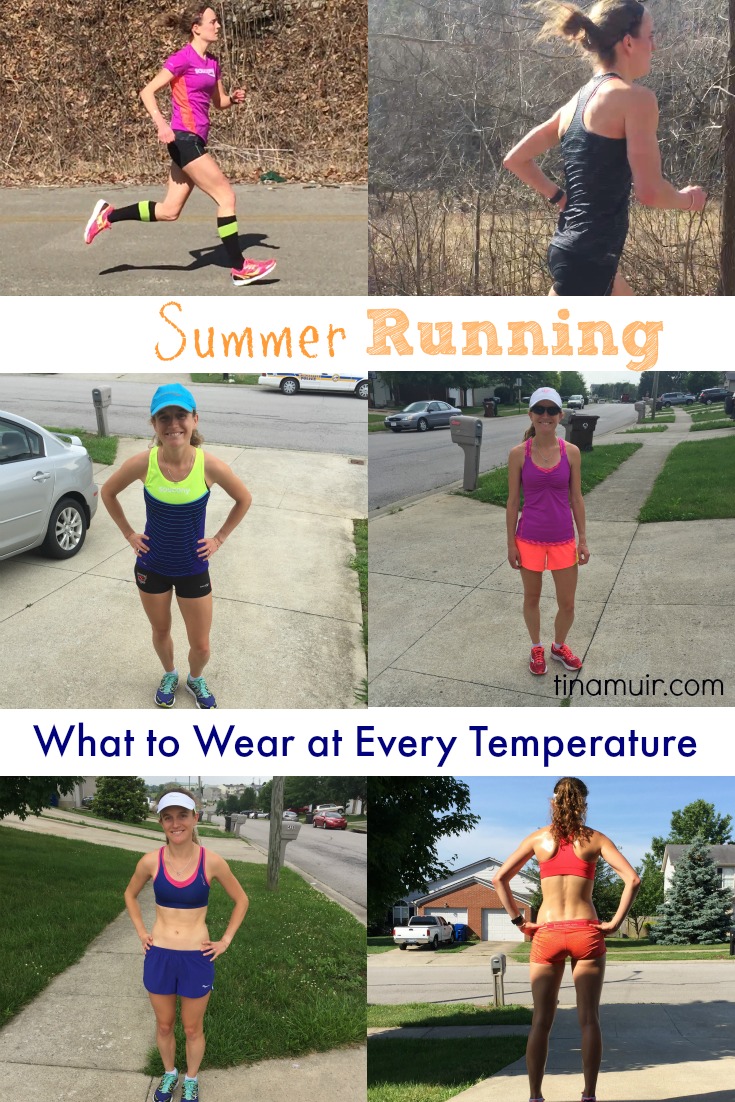
Credit: tinamuir.com
Additional Comfort Items
Runners often add extra items for better comfort during their runs. These items help carry essentials, improve blood flow, and reduce injury risks. Small additions can make a big difference in a runner’s experience.
Running Belts And Packs
Running belts and packs hold keys, phones, and snacks securely. They fit snugly around the waist or chest. This keeps hands free and prevents bouncing. Lightweight materials ensure runners stay comfortable. Some have water bottle holders for hydration on the go.
Compression Gear
Compression gear includes socks, sleeves, and tights. It helps improve blood flow and reduce muscle fatigue. Many runners wear compression socks to support their calves. Compression tights keep muscles warm and steady. This gear can speed up recovery after long runs.
Injury Prevention Aids
Injury prevention aids include braces, tape, and insoles. Runners use knee or ankle braces for extra support. Athletic tape helps stabilize joints and reduce strain. Custom insoles improve foot alignment and comfort. These aids lower the chance of injuries during runs.

Credit: www.eecusa.com
Frequently Asked Questions
What Clothing Do Runners Typically Wear For Comfort?
Runners usually wear moisture-wicking shirts and lightweight shorts or leggings. These materials keep sweat away, helping maintain comfort during runs. Proper fit and breathability prevent chafing and overheating, making the run more enjoyable.
Are Special Running Shoes Necessary For Running?
Yes, running shoes with good cushioning and support are essential. They reduce injury risk and enhance performance. Proper shoes match your foot type and running style for optimal comfort and durability.
Do Runners Wear Socks Differently Than Regular Socks?
Runners prefer moisture-wicking, cushioned socks to prevent blisters and discomfort. These socks enhance airflow and keep feet dry during runs. Avoid cotton socks as they retain moisture and cause friction.
What Accessories Do Runners Commonly Use During Runs?
Runners often use lightweight hats, sunglasses, and fitness trackers. Hydration belts or handheld bottles are common for longer runs. These accessories improve comfort, protect from elements, and track performance efficiently.
Conclusion
Runners choose clothes that keep them comfortable and dry. Breathable fabrics help sweat evaporate quickly. Proper shoes protect feet and improve performance. Lightweight layers adjust to weather changes. Simple gear lets runners focus on their pace. Everyone’s needs differ, so find what suits you best.
Dressing smartly makes running more enjoyable and safe. Ready to hit the road with the right gear?
