

What Can You Wear And Not Wear to Court: Essential Dress Tips
What Can You Wear And Not Wear To Court
Walking into a courtroom can feel intimidating. The way you dress is more important than most people realize. Judges, lawyers, and jurors notice your appearance, even before you speak. Your clothing tells them how seriously you take the process. Wearing the right outfit can help create a good impression, while the wrong one may hurt your case.
But many people are unsure about what is considered appropriate for court. This guide covers what you should—and should not—wear if you want to look respectful, trustworthy, and prepared in front of the judge.
Why Courtroom Dress Matters
When you attend court, your appearance is judged as much as your words. Court is a formal place, and dressing improperly can signal disrespect. Some judges even refuse to hear cases if someone arrives in inappropriate clothing. Studies show that well-dressed defendants are seen as more credible and trustworthy.
For example, research from the American Psychological Association found that jurors rated people in professional attire as more honest and reliable compared to those in casual clothes.
Your outfit can also influence the outcome. Lawyers often advise clients to dress in a way that shows respect for the law. This does not mean you have to wear expensive clothes, but you should look neat and modest. Dressing well helps you feel confident and prepared, which can affect your body language and communication.
The court expects everyone—whether plaintiff, defendant, witness, or visitor—to follow basic dress codes. Ignoring these rules can lead to warnings, fines, or even delays in your case.
General Guidelines For Court Dress
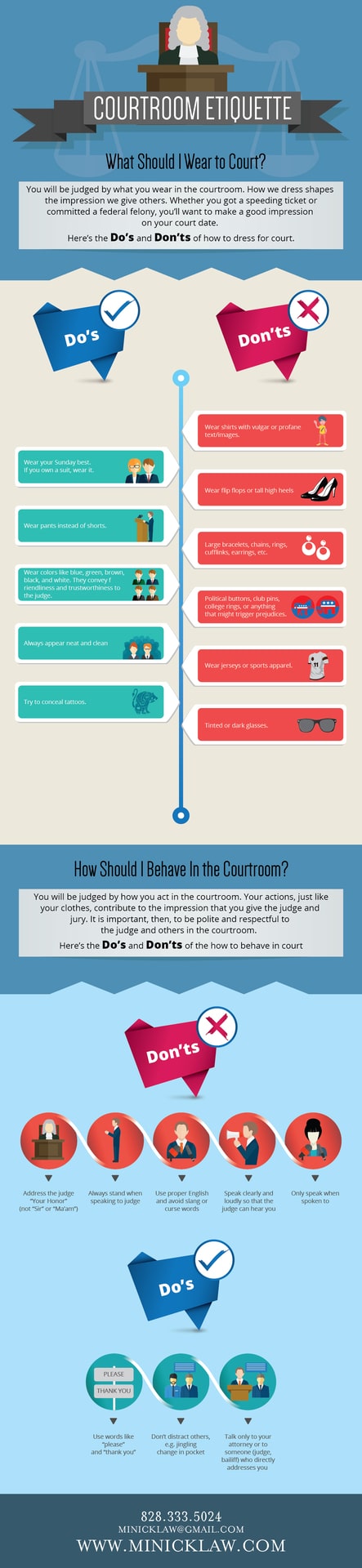
Every court is slightly different, but the rules are similar across most locations. Here are basic guidelines:
- Dress modestly: Avoid revealing or tight clothing.
- Wear clean, pressed clothes: Stains, wrinkles, and holes are not acceptable.
- Choose neutral colors: Black, navy, gray, and beige are safe choices.
- Avoid flashy accessories: Simple is better.
- Closed-toe shoes only: Sandals or flip-flops are never allowed.
- No hats or sunglasses inside: Remove them before entering.
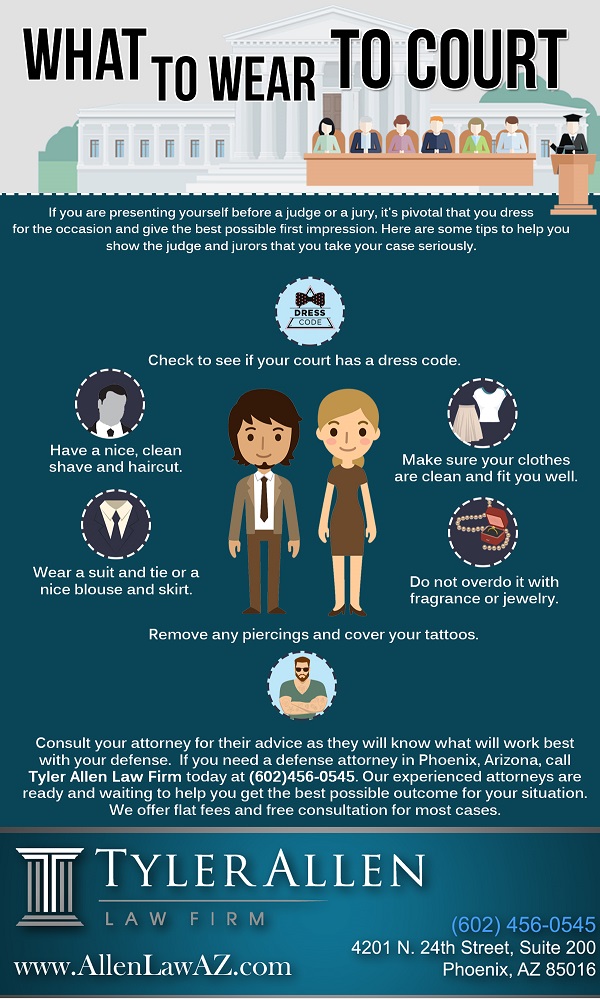
If you are unsure, call the court ahead of time or check their website. Some courts post dress codes online or on signs at the entrance. If you arrive in inappropriate attire, you may be asked to leave and return dressed correctly.
What You Should Wear To Court
Choosing the right outfit for court is not complicated. You do not need to buy new clothes, but you should look your best. Here are details for men and women:
For Men
- Button-down shirt or polo: White, light blue, or another neutral color.
- Long pants: Dress pants or chinos. Jeans should be avoided unless they are dark and clean.
- Blazer or suit jacket (optional): Adds professionalism.
- Tie (optional, but preferred): Simple and not flashy.
- Dress shoes: Closed-toe, polished, and in good condition.
- Belt: Matches shoes.
- Socks: Dark and plain.
For Women
- Blouse or conservative top: Avoid low-cut or sheer materials.
- Slacks or knee-length skirt: No shorts or mini skirts.
- Dress or pantsuit: Simple, modest style.
- Closed-toe shoes: Flats or low heels. No open-toe sandals.
- Minimal jewelry: Small earrings, simple necklace.
- Subtle makeup: Avoid bright colors.
- Neat hair: Pull back if long.
Examples Of Appropriate Court Outfits
| Gender | Acceptable Outfit |
|---|---|
| Male | White button-down shirt, navy slacks, black dress shoes, simple tie. |
| Female | Light blue blouse, gray knee-length skirt, black flats, minimal jewelry. |
You do not need to wear a full suit unless you are a lawyer or have a very important court appearance. Clean, neat, and conservative are the main goals.
What Not To Wear To Court
Many people make mistakes by wearing casual or trendy clothing to court. Here are items you should never wear:
- Shorts or mini skirts
- Tank tops or sleeveless shirts
- Graphic t-shirts
- Clothes with logos or slogans
- Ripped or distressed jeans
- Hoodies or sweatshirts
- Flip-flops or sandals
- Hats or caps
- Sunglasses
- Excessive jewelry
- Heavy makeup or cologne
- Sports jerseys
- Workout clothes
- Visible underwear
- See-through fabrics
Courts often post signs listing banned items. If you wear any of these, you may not be allowed inside or could be asked to change.
Examples Of Inappropriate Court Outfits
| Gender | Unacceptable Outfit |
|---|---|
| Male | Graphic t-shirt, ripped jeans, sneakers, baseball cap. |
| Female | Tank top, mini skirt, flip-flops, large hoop earrings. |
Cultural And Religious Dress
Courts respect religious and cultural dress as long as it is modest and does not disrupt proceedings. For example, headscarves, turbans, and kippahs are usually allowed. If your clothing is required for religious reasons, you may need to inform the court in advance. Courts may ask you to remove items like sunglasses or hats unless they are worn for religious purposes.
Some courts provide guidance for traditional dress. For example, indigenous people may wear ceremonial clothing, but it should be neat and respectful. If you are unsure, contact the court or check their website for details.
Dress Code For Children And Teens
Children and teenagers must also follow the dress code. Parents should make sure their kids wear appropriate outfits:
- Collared shirt or blouse
- Long pants or knee-length skirt
- Closed-toe shoes
Avoid graphic tees, shorts, and flashy accessories. Courts expect minors to be neat and respectful. Judges can be stricter with young people to encourage responsibility.
Special Considerations For Witnesses
Witnesses play an important role in court. They should dress in a way that supports their credibility. Lawyers often coach witnesses to wear professional, modest clothing. A witness’s outfit can influence how jurors see their honesty and reliability. If you are called as a witness, follow the same rules as parties to the case.
Dress Code For Lawyers And Legal Professionals
Lawyers, paralegals, and court staff must meet higher standards. Most courts require:
- Full suit or pantsuit
- Button-down shirt or conservative blouse
- Dress shoes
- Tie (for men)
- Minimal accessories
Legal professionals represent the law, so their appearance must be formal. Judges sometimes set their own rules for attire. Failure to comply can result in warnings or fines.
Dress Code For Jury Duty
Jury duty is a civic responsibility. Jurors must follow the dress code:
- Business casual or formal attire
- Closed-toe shoes
- No shorts, tank tops, or casual wear
Jurors are often observed by lawyers and judges. Looking respectful helps show you take your duty seriously. Some courts provide guidance for juror dress on their websites.
Differences In Court Dress Around The World
Court dress codes can vary in other countries. In the US, modest business attire is standard. In some countries, formal robes or uniforms are required. For example, courts in the UK may expect lawyers to wear wigs and robes. In Japan, business suits are common. However, most courts share similar values: modesty, cleanliness, and respect.
| Country | Common Court Dress |
|---|---|
| United States | Business attire, suits, modest clothing |
| United Kingdom | Robes, wigs (for lawyers), business attire for public |
| Japan | Business suits, conservative dress |
If you are attending court abroad, research local dress codes before arriving.
Credit: www.minicklaw.com
Practical Tips For Choosing Your Court Outfit
Choosing the right clothes for court is not just about following rules. It is about creating a positive impression. Here are practical tips:
- Try on your outfit a few days before court. Make sure it fits and is comfortable.
- Check for stains, wrinkles, or missing buttons. Fix any issues before the day.
- Lay out your clothes the night before. Avoid last-minute stress.
- Keep accessories simple. Remove anything that draws too much attention.
- Use deodorant, but avoid strong perfumes or colognes. Judges and jurors may be sensitive to smells.
- Keep hair neat and face clean. A tidy appearance matters.
- Wear layers if needed. Courtrooms can be cold.
- Avoid carrying large bags or backpacks. Use a small purse or briefcase.
- Do not chew gum or eat in the courtroom. It looks unprofessional.
Many beginners miss the importance of comfort. You may be in court for hours. Uncomfortable shoes or tight clothing can distract you. Another common mistake is over-accessorizing. Keep jewelry and makeup minimal. Your goal is to blend in, not stand out.
What If You Cannot Afford Suitable Clothes?
Not everyone owns business attire. Courts understand this, and some offer help. If you cannot afford appropriate clothes:
- Ask your lawyer for advice. They may know local charities or programs.
- Check with the court. Some courts have clothing banks or loan programs.
- Wear the best you have. Clean, modest clothes are better than casual wear.
The court will not judge you for being poor, but will notice if you do not try. Making an effort shows respect.
Dress Code Enforcement: What Happens If You Break The Rules?
Courts take dress codes seriously. If you arrive in inappropriate clothing:
- You may be denied entry. Security or court staff can refuse to let you in.
- You may be asked to change. Some courts offer spare clothes, but not all.
- Your case may be delayed. Judges can postpone hearings until you dress properly.
- You may receive a warning or fine. Repeat offenses can have consequences.
Dress code violations can hurt your credibility. Judges may see you as disrespectful or careless. This can impact your case, especially if you are a defendant or witness.
How Appearance Influences Court Outcomes
Studies show that appearance affects how people are judged in court. For example, one study found that defendants who dressed professionally were 40% more likely to receive favorable outcomes than those who dressed casually. Jurors and judges are influenced by non-verbal signals, including clothing.
A tidy, modest appearance suggests you are serious and respectful. Flashy, casual, or sloppy clothing can make you seem careless or dishonest. This is especially important for witnesses and defendants. Even small details, like clean shoes and neat hair, can matter.
Common Mistakes People Make
Many people make simple mistakes with court attire. Here are a few:
- Wearing casual clothes: Some think court is like any other public place.
- Over-accessorizing: Flashy jewelry or makeup distracts from your message.
- Ignoring hygiene: Dirty or wrinkled clothes leave a bad impression.
- Wearing trendy or revealing outfits: Fashion is not important in court.
- Choosing bright colors or patterns: Neutral is always safer.
Beginners often forget that court is not a social event. Your goal is to look trustworthy and blend in.
Real-life Examples
Consider these real-life situations:
- A defendant wore a t-shirt with a cartoon character to court. The judge stopped the hearing and asked him to change.
- A witness arrived in ripped jeans and a hoodie. The lawyer advised her to change into a blouse and slacks before testifying.
- A juror wore shorts on a hot day. He was sent home to change, delaying the selection process.
These examples show that even small mistakes can cause problems. Courts expect everyone to follow the rules.
How To Prepare For Your Court Appearance
Preparing for court is about more than just clothes. Here’s a step-by-step approach:
- Review the court’s dress code: Check their website or call ahead.
- Choose your outfit: Pick neutral, modest clothes.
- Check your schedule: Make sure you have time to get ready.
- Prepare documents and materials: Keep everything organized.
- Arrive early: Give yourself time to check in and find your courtroom.
- Follow courtroom rules: Stand when the judge enters, speak respectfully.
Preparation shows respect and helps you feel confident.
The Psychology Of Courtroom Dress
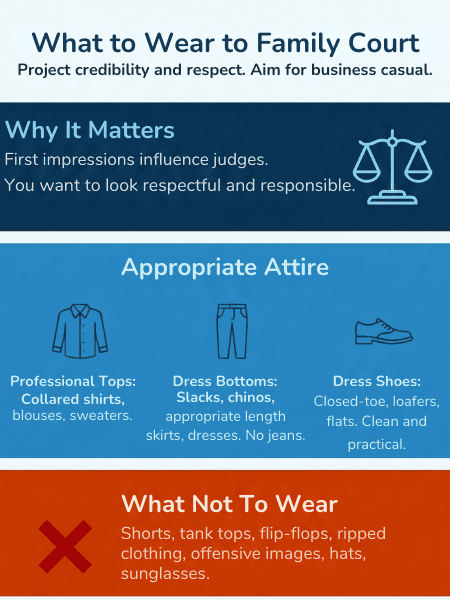
What you wear affects how you feel and act. Studies in psychology show that people wearing formal attire are more confident and focused. This is called “enclothed cognition. ” Wearing professional clothes can help you communicate better and think more clearly.
Jurors and judges react to these signals. Formal dress suggests respect and seriousness. Casual or sloppy clothes suggest carelessness. Even if you are nervous, dressing well can help you feel more prepared.
Credit: www.divorcenet.com
Dress Codes For Virtual Court Hearings
Many courts now offer virtual hearings. Dress codes still apply, even if you are at home. Here are tips:
- Wear the same clothes you would for in-person court
- Choose a neutral background
- Avoid distractions
- Keep hair and face neat
Judges expect you to respect the process, even online. Do not assume virtual court is less formal.
Common Questions About Court Dress
Many people have questions about what to wear to court. Here are answers to frequent concerns:
- Can I wear jeans? Only if they are dark, clean, and not ripped.
- Are tattoos allowed? Cover visible tattoos if possible.
- Can I wear my uniform? Only if it is modest and respectful.
- Is it okay to wear traditional clothing? Yes, if it is neat and respectful.
- Can I wear sneakers? Avoid if possible; choose dress shoes or simple flats.
If you are unsure, ask your lawyer or check with the court.
Credit: www.allenlawaz.com
Frequently Asked Questions
What If I Only Own Casual Clothes?
If you do not have business attire, wear the cleanest, neatest clothes you own. Avoid shorts, tank tops, and items with logos. Some courts may help with clothing if you ask in advance.
Can I Wear Religious Clothing To Court?
Yes, courts respect religious dress, such as headscarves or turbans, as long as it is modest and does not disrupt proceedings. If you have special requirements, inform the court before your appearance.
Do I Need To Wear A Tie?
A tie is preferred for men but not required unless specified by the court. If you do not have a tie, wear a collared shirt and blazer.
What Should I Do If My Outfit Does Not Meet The Dress Code?
Contact the court or your lawyer for advice. Some courts offer loaner clothes. If not, wear the best you have and explain your situation respectfully.
How Can I Check A Court's Dress Code?
Most courts post dress codes online or on signs at the entrance. You can call the court or check their official website. One example of an authoritative resource is U.S. Courts Dress Code.
Creating a positive impression in court is about respect, not fashion. By dressing neatly, modestly, and professionally, you show the judge and jury that you take the process seriously. Even small details matter, so plan ahead and avoid common mistakes.
Your appearance can influence outcomes, so make it count.
