

What Business Casual Men Should Wear: Essential Style Guide
What Business Casual Men Should Know: A Complete Guide
Business casual is a term you hear often, but it can feel confusing. What does it really mean for men? Is it just a pair of khakis and a shirt, or is there more to it? In many workplaces, business casual is the standard dress code.
This style is meant to balance professionalism with comfort. It helps you look sharp without feeling too formal. But the details matter. Wearing the wrong thing can make you stand out for the wrong reasons, while getting it right can boost confidence and help you fit in.
Many men struggle to understand business casual. Should you wear a tie? Are jeans okay? What about sneakers? This guide will clear up these questions. It will show you what business casual really looks like, the key pieces every man should own, and how to avoid common mistakes.
You will also learn how business casual differs from other dress codes, and how to adapt your style for different workplaces.
Understanding Business Casual
Business casual is more than just “not formal.” It is a style that combines professionalism with relaxed comfort. The goal is to look clean, polished, and approachable. But there is no single definition. What counts as business casual can change from one company to another. Some offices are more relaxed, while others are stricter.
The Core Idea
Business casual is about looking ready for business, but not overdressed. It usually means:
- No full suit and tie
- No ripped jeans or graphic t-shirts
- No sneakers or sandals
Instead, you mix smart and casual pieces. For example, you might wear dress pants with a button-down shirt, but skip the tie and jacket.
Why It Matters
Your appearance affects how others see you. In a business casual setting, you want to look reliable and competent, but also friendly. This can help you build trust and relationships at work.
Key Elements Of Business Casual For Men
There are some basic pieces every man should have for a business casual wardrobe. These items work well together and fit most office environments.
Dress Shirts
A dress shirt is a must. Choose shirts in simple colors like white, light blue, or pale gray. Patterns like small checks or stripes are fine, but avoid bright colors or bold prints. Cotton is best because it breathes well and looks crisp.
Tip: Iron your shirt to keep it neat. Wrinkles make you look sloppy, even if your shirt is expensive.
Trousers
Dress pants or chinos are ideal. Colors like navy, gray, khaki, and black work well. Avoid pants that are too tight or too loose. Jeans are sometimes allowed, but only if they are dark and free of holes or fading.
Shoes
Leather shoes are safest. Loafers, derbies, or oxfords fit the business casual style. Some offices allow clean sneakers, but classic leather shoes are always a smart choice.
Belts
A simple leather belt in black or brown helps finish your look. Match your belt to your shoes for extra polish.
Jackets And Blazers
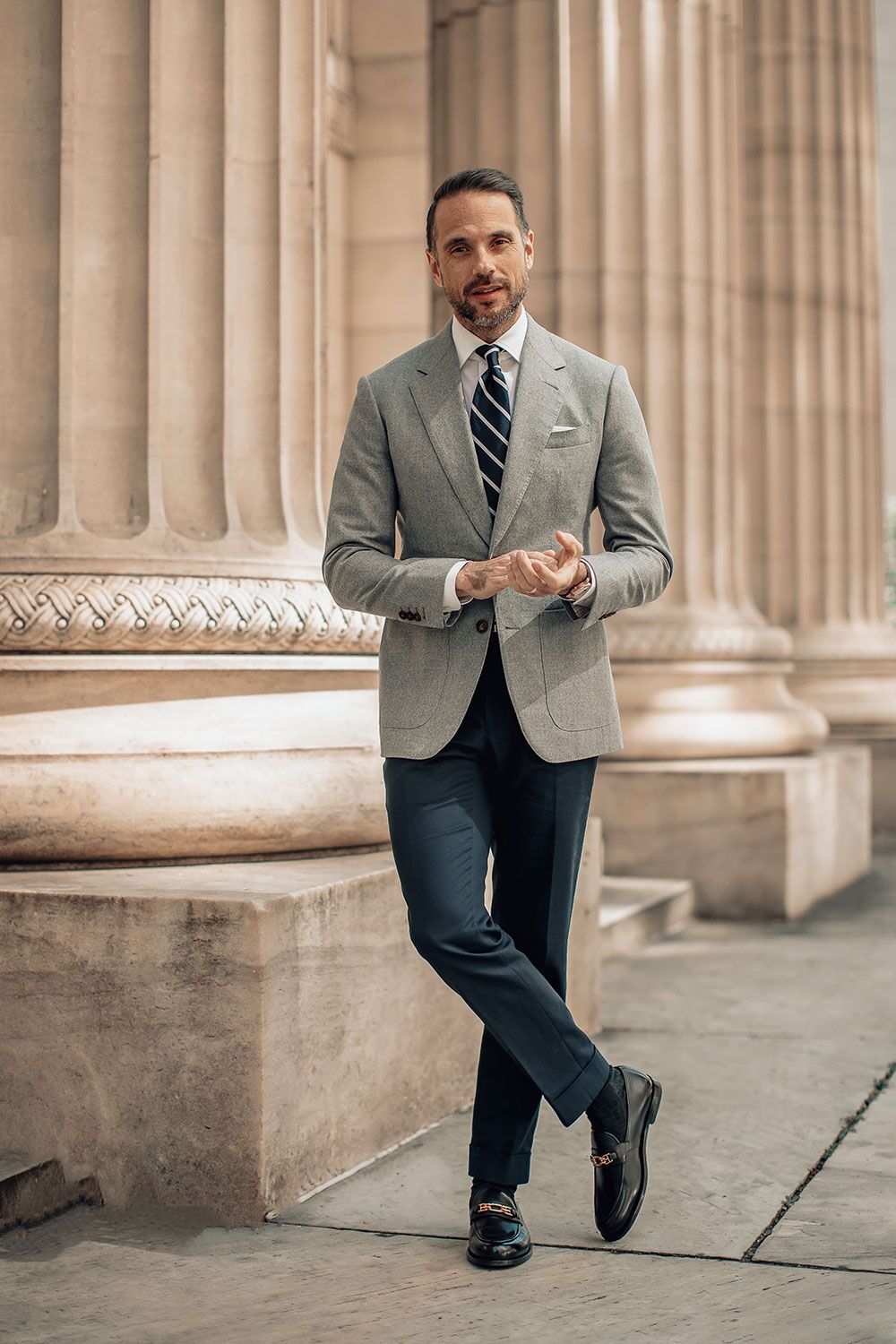
A blazer is not required, but it adds style and can help you stand out. Choose one in navy or gray for versatility. Avoid jackets that are too flashy or have bold patterns.
Sweaters
A sweater or cardigan can be worn over a shirt in colder weather. Stick to solid colors and simple designs.
Accessories
Keep accessories simple. A classic watch, a neat wallet, and maybe a pocket square if you wear a blazer. Avoid flashy jewelry or large rings.
What To Avoid In Business Casual
Knowing what not to wear is just as important as knowing what to wear. Here are common mistakes:
- Shorts – Even on hot days, shorts are not business casual.
- Graphic t-shirts – Shirts with logos, slogans, or images look too casual.
- Athletic shoes – Running shoes or trainers are not business casual, except in very relaxed workplaces.
- Flip-flops and sandals – These are never appropriate.
- Hoodies – Too informal for business casual.
- Baggy or ripped jeans – Only dark, well-fitted jeans may be allowed.
Extra tip: Some men think business casual means “anything but a suit.” But wearing sloppy or wrinkled clothes sends the wrong message.
Business Casual Vs. Other Dress Codes
It helps to know how business casual compares to other dress codes. Here’s a simple comparison:
| Dress Code | Typical Clothing | Formality Level |
|---|---|---|
| Formal | Suit, tie, dress shoes | Highest |
| Business | Suits, dress shirts, ties, leather shoes | High |
| Business Casual | Dress pants, chinos, dress shirts, blazers, loafers | Medium |
| Casual | Jeans, t-shirts, sneakers | Low |
Business casual is less strict than business, but more polished than casual.
Building A Business Casual Wardrobe
A good business casual wardrobe is flexible. You can mix and match pieces for different days. Here’s how to build one:
Start With Basics
Buy a few quality shirts and pants in neutral colors. These match easily and never go out of style.
Add Layers
Blazers, sweaters, and cardigans help you dress up or down as needed.
Invest In Shoes
Shoes matter more than many people think. Clean, well-made shoes show attention to detail.
Accessorize Wisely
A belt, watch, or simple tie can add personality without making you look too formal.
Example Wardrobe
Here’s a sample set for a week:
- 5 dress shirts (white, blue, gray, striped, checked)
- 2 pairs of dress pants (navy, gray)
- 2 pairs of chinos (khaki, olive)
- 1 blazer (navy)
- 1 cardigan (dark gray)
- 2 pairs of shoes (brown loafers, black oxfords)
- 2 belts (black, brown)
Advanced Tips For Business Casual
Once you know the basics, here are some ways to improve your business casual style:
Fit Is Everything
Clothes that fit well always look better. Many men wear shirts or pants that are too loose or too tight. Try different brands or get items tailored if needed.
Color Coordination
Stick to neutral colors for main pieces. You can add color with accessories—like a pocket square or tie—but keep it subtle.
Quality Over Quantity
It’s better to have a few good shirts and pants than many cheap ones. Quality fabrics feel better and last longer.
Dress For Your Role
Managers may dress a bit more formal, while entry-level staff can be more relaxed. Look at how others in your company dress and adjust.
Stay Updated
Business casual changes over time. Check your company’s dress code or ask HR if you are unsure.
Business Casual In Different Workplaces
Business casual is not the same everywhere. Here are examples of how it can change:
Tech Companies
Often more relaxed. Jeans and clean sneakers are usually allowed. Hoodies and t-shirts may be okay, but a nice shirt and pants will help you stand out.
Corporate Offices
Usually stricter. No jeans or sneakers. Blazers are common, and shirts should be tucked in.
Creative Agencies
More freedom with colors and patterns. You can wear bolder shirts or shoes, but avoid anything too wild.
Small Businesses
Often relaxed, but it depends on the owner’s preference. If unsure, dress a bit more formal until you know the culture.
Common Business Casual Mistakes
Even experienced professionals make mistakes. Here are some to watch for:
- Ignoring company culture – Always check what others wear.
- Too many accessories – Keep it simple; one or two items is enough.
- Poor grooming – Hair, beard, and nails should be neat.
- Dirty shoes – Clean your shoes regularly.
- Mixing gym wear – Never wear athletic gear to work.
Business Casual For Different Seasons
You need to adjust your wardrobe for weather. Here’s how:
Summer
- Lightweight shirts (cotton, linen)
- Chinos or lightweight dress pants
- Loafers or dress shoes (no sandals)
- Avoid shorts, even if allowed
Winter
- Sweaters and cardigans
- Wool dress pants
- Layer with a blazer or coat
- Dark colors work well
Spring And Fall
- Mix layers (light sweaters, shirts)
- Chinos or dress pants
- Light jackets
How To Shop For Business Casual
Buying business casual clothes can be tricky. Here are some tips:
Know Your Size
Get measured for shirts and pants. Sizes can change between brands.
Try Before You Buy
Fit is key. Try clothes on before buying. Move around and sit to see how they feel.
Check Fabric
Cotton is best for shirts, wool for pants in winter. Avoid synthetics that look shiny.
Look For Deals
Many stores have sales. You don’t need to buy everything at once.
Shop At Trusted Stores
Department stores and menswear shops are good places. Avoid fast fashion if you want clothes to last.
Grooming And Business Casual
Clothes are just part of the picture. Grooming is important too.
Hair
Keep hair neat and tidy. Avoid messy styles.
Facial Hair
If you have a beard or mustache, keep it trimmed. Clean-shaven is always safe.
Nails
Dirty or long nails stand out. Keep them short and clean.
Fragrance
Wear a light scent. Strong cologne can be distracting.
Business Casual For Special Events
Sometimes you need to adjust your style for events. Here’s how:
Meetings
Dress a bit more formal. A blazer or tie can help.
Office Parties
You can relax your style a bit, but keep it neat.
Client Visits
Dress up. A blazer and polished shoes show respect.
Business Casual For Travel
When traveling for work, comfort and style both matter.
Choose Flexible Clothes
Wrinkle-free shirts and pants are ideal. Neutral colors make mixing easy.
Pack Smart
Bring one pair of shoes, a belt, and layers. You don’t need to pack many items.
Quick Grooming
Travel with a small grooming kit. Keep your look sharp, even after a long trip.
Data: Business Casual Trends
Business casual has become more popular in many industries. Surveys show that:
- Over 60% of offices use a business casual dress code.
- More than 40% of employees say they feel more comfortable and productive in business casual.
- Companies report higher employee satisfaction when dress codes are relaxed.
| Workplace Type | Business Casual Adoption (%) | Employee Satisfaction (%) |
|---|---|---|
| Tech | 75 | 82 |
| Corporate | 68 | 71 |
| Creative | 81 | 87 |
| Retail | 59 | 65 |
These numbers show that business casual is not just a trend—it is becoming the norm.
Style Examples For Business Casual Men
It’s helpful to see real examples. Here are three outfits that show business casual in action:
Classic Look
- Light blue dress shirt
- Navy chinos
- Brown loafers
- Black belt
Modern Look
- White checked shirt
- Gray dress pants
- Black oxfords
- Navy blazer
Relaxed Look
- Pale gray polo shirt
- Dark jeans (no holes)
- Clean white sneakers
- Brown belt
Practical Insights Beginners Often Miss
Many men new to business casual make mistakes because they overlook details. Here are two insights you might not know:
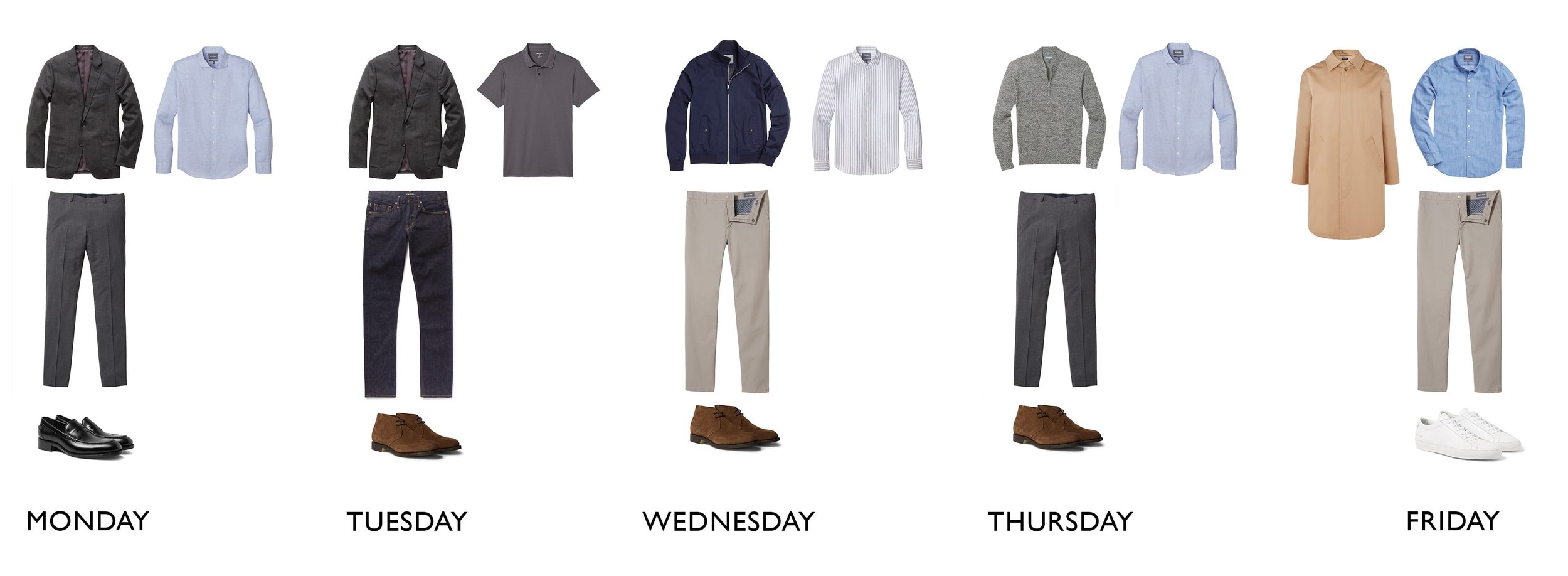
1. The “Tucked-In” Rule: Even if your shirt is casual, tucking it in makes your outfit look more polished. Leaving shirts untucked is only for very relaxed workplaces.
2. Socks Matter: Don’t wear athletic socks with dress shoes. Choose dark, thin socks that match your pants or shoes.
Credit: www.theessentialman.com
How To Adapt Business Casual For Your Age
Business casual works for all ages, but small changes help:
- Younger men can wear slimmer fits and lighter colors.
- Older men may prefer classic cuts and darker shades.
- Everyone should focus on fit and neatness.
Environmental Impact Of Business Casual
There is growing interest in sustainable fashion. Some brands offer eco-friendly shirts and pants. Choosing quality over quantity also helps reduce waste. If you care about the environment, look for clothing made with organic cotton or recycled materials.

Credit: www.hockerty.com
Business Casual And Remote Work
Remote work has changed business casual. Many men now wear dress shirts and pants for video calls, but skip shoes. Others dress more casually. Still, dressing well helps you feel professional and stay focused.
Frequently Asked Questions
What Is The Main Difference Between Business Casual And Business Formal?
Business formal means wearing a full suit, tie, and dress shoes. Business casual is more relaxed. You can skip the tie and jacket, and wear dress pants or chinos. The goal is to look neat but not overdressed.
Are Jeans Allowed In Business Casual?
Sometimes. Only dark, well-fitted jeans without holes or fading. Always check your company’s dress code. In strict offices, jeans are not allowed.
Can I Wear Sneakers In Business Casual?
Usually, no. Some relaxed offices allow clean, simple sneakers, but leather shoes are safer. Avoid athletic or flashy sneakers.
Do I Need To Wear A Tie In Business Casual?
No. Ties are not required, but you can wear one if you want to dress up. A tie is good for meetings or client visits but not needed every day.
How Do I Know If My Outfit Is Business Casual?
Check your company’s dress code. Look for clean, pressed shirts, dress pants or chinos, and leather shoes. If you are unsure, dress a bit more formal until you see what others wear.
Business casual is a style you can master with a bit of effort. It helps you look professional and feel comfortable at work. The right choices show respect for your workplace and help you fit in. Remember, fit and neatness matter more than expensive brands.
If you follow these tips, you will look sharp and confident every day.
For more details on business attire, check the guide at Wikipedia.
Credit: hespokestyle.com
