

What are Gym Clothes for Women Called? Ultimate Guide Explained
What Are Gym Clothes For Women Called
When you walk into a gym or scroll through fitness websites, you’ll see a wide range of clothes specifically designed for women who exercise. These are not just regular outfits—they are made for comfort, movement, support, and confidence. But what are these clothes actually called?
Are there different names for them? And how do you know which one to choose for your workout?
This article is your complete guide to the names and types of gym clothes for women. You’ll learn not only the popular names, but also the differences, uses, and what makes each piece unique. Whether you are a beginner or already familiar with gym wear, you’ll find answers and practical tips to help you choose the right clothes for your workout.
Understanding The Basics: What Makes Gym Clothes Special?
Gym clothes, sometimes called activewear or sportswear, are designed for physical activities. They are different from regular clothes in a few important ways:
- Moisture-wicking: These fabrics pull sweat away from your skin, helping you stay dry.
- Stretchable: They allow for a wide range of movements without tearing or restricting you.
- Breathable: Good gym clothes let air circulate, so you feel cooler during exercise.
- Supportive: Many items, like sports bras and leggings, are made to provide extra support.
The main goal is to help you move freely and feel comfortable, no matter how hard you train.
Common Names For Women’s Gym Clothes
If you’re new to the gym or fitness shopping, you might get confused by all the names. Here are the most common terms you’ll see:
- Sports Bra
- Tank Top
- Workout T-shirt
- Leggings
- Yoga Pants
- Gym Shorts
- Compression Shorts
- Sweatpants
- Joggers
- Tracksuit
- Racerback Top
- Athletic Jacket
- Sports Hoodie
- Sweatshirt
- Crop Top
- Base Layer
- Athletic Skirt/Skort
- Unitard/Bodysuit
- Sports Socks
- Gym Shoes/Trainers
Each of these has a specific purpose and is designed with certain workouts in mind. Let’s dive deeper into what each piece is called, what it does, and how to choose the best one for you.
Sports Bra: Essential Support
The sports bra is one of the most important pieces of gym clothing for women. It is designed to support your chest during exercise, reducing movement and discomfort.
There are three main types:
- Low-impact: For activities like yoga or walking.
- Medium-impact: For cycling or dancing.
- High-impact: For running, HIIT, or aerobics.
The right sports bra prevents pain and can even reduce long-term breast sagging. Most women own several, using different ones for different workouts.
Non-obvious tip: Try the "jump test"—jump in place while wearing the bra. If you feel too much movement, try a different size or style.
Tank Top: Breathable And Flexible
A tank top is a sleeveless shirt, usually made from lightweight and stretchy material. It gives your arms full freedom to move, which is perfect for weightlifting, yoga, or Pilates.
You might see terms like muscle tank or workout tank, but they all refer to this style. Some have built-in bras for extra support.
Workout T-shirt: Classic And Versatile
The workout t-shirt is a short-sleeved or long-sleeved top made from sweat-wicking fabric. It’s great for almost any activity and is a favorite for those who prefer more coverage than a tank top.
Look for flat seams to avoid chafing, especially if you run long distances.
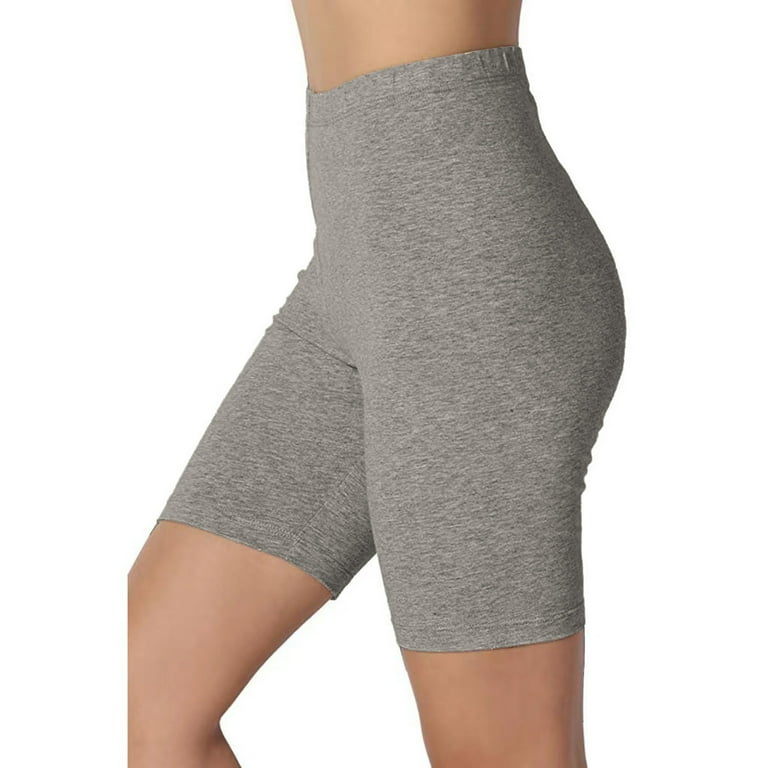
Leggings: Flexible And Supportive
Leggings are tight-fitting pants that stretch from your waist to your ankles. They are popular because they support your muscles and move with your body.
You’ll find:
- High-waisted leggings: Offer extra stomach support.
- Compression leggings: Improve blood flow and reduce soreness.
- Seamless leggings: No stitched seams, making them very comfortable.
Many women choose leggings for running, gym classes, or home workouts.
Credit: www.walmart.com
Yoga Pants: Comfort For Stretching
While similar to leggings, yoga pants are usually made with softer, more flexible materials. They often have a looser fit at the bottom and are designed for stretching, yoga, or low-impact exercise.
Some brands use “yoga pants” and “leggings” for the same item, but true yoga pants are usually a bit less tight.
Non-obvious insight: Choose yoga pants with a gusseted crotch (extra piece of fabric) for better comfort in deep stretches.
Gym Shorts: Cool And Free
Gym shorts are short, loose or tight-fitting pants ending above the knee. They keep you cool and allow for maximum movement, making them perfect for cardio, cycling, or summer workouts.
Types include:
- Running shorts: Very light, often with built-in liners.
- Biker shorts: Tight and longer, often worn for cycling or strength training.
Compression Shorts: Extra Muscle Support
Compression shorts are tight-fitting, elastic shorts that squeeze your muscles gently. They are made to reduce muscle fatigue and prevent chafing.
Many athletes wear them for running, weightlifting, or high-intensity training. Some women wear compression shorts under looser gym shorts for extra support and to avoid skin irritation.
Sweatpants: Warmth And Comfort
Sweatpants are loose, soft pants made from cotton or fleece. They are great for warming up, cooling down, or relaxing after a workout.
You’ll see names like track pants or training pants—these are often used interchangeably. Sweatpants are not ideal for intense workouts because they can get heavy with sweat.
Joggers: Slim And Stylish
Joggers are like sweatpants, but slimmer and more fitted at the ankle. They combine comfort with a modern look and are perfect for light jogging, walking, or casual wear.
Joggers are popular for “athleisure”—clothes you can wear both in and out of the gym.
Tracksuit: Full Set For Training
A tracksuit is a matching set of jacket and pants, usually made from lightweight, stretchy material. It’s designed for warming up or staying warm before and after exercise.
Tracksuits are common in many sports and are also used as fashion items.
Racerback Top: Maximum Arm Movement
A racerback top has a T-shaped back that leaves the shoulders exposed. This style is designed for total freedom of arm movement, making it great for weightlifting, CrossFit, or dance workouts.
You’ll find racerback designs in both tank tops and sports bras.
Athletic Jacket: Lightweight Outer Layer
An athletic jacket is a thin, flexible jacket made for layering over your gym clothes. It keeps you warm when you start your workout or during outdoor training.
Look for features like thumb holes, zip pockets, and breathable panels.
Sports Hoodie: Warm And Relaxed
A sports hoodie is a hooded sweatshirt made from moisture-wicking or quick-dry fabric. It’s perfect for warming up, cooling down, or outdoor activities in cool weather.
Sports hoodies are more fitted and lighter than regular fashion hoodies, making them better for exercise.
Sweatshirt: Classic Warmth
A sweatshirt is a pullover top made from thick, warm material. Unlike hoodies, sweatshirts have no hoods or zippers. They’re ideal for cold days and can also be used for layering.
Crop Top: Trendy And Functional
A crop top is a short shirt that ends above the waist. Many women wear crop tops for gym workouts because they keep you cool and show off your hard work.
Some crop tops have built-in support, but for high-impact workouts, you might still need a sports bra underneath.
Base Layer: Second Skin For All Weather
A base layer is a thin, tight-fitting top or bottom worn under your main gym clothes. It helps regulate body temperature—keeping you warm in winter and cool in summer.
Base layers are especially popular for outdoor runners and athletes.
Athletic Skirt/skort: Feminine And Sporty
An athletic skirt or skort (a skirt with built-in shorts) is designed for sports like tennis, running, or golf. Skorts offer the look of a skirt with the comfort and coverage of shorts.
They are a great option if you want something feminine but still functional.
Unitard/bodysuit: One-piece Comfort
A unitard or bodysuit is a one-piece outfit covering the torso and sometimes the legs. It’s popular for dance, gymnastics, and some types of yoga.
Unitards give full coverage and move with your body, but they can be tricky to take off quickly.
Sports Socks: Small But Important
Sports socks are made to prevent blisters and keep your feet dry. They come in many types—ankle, crew, and no-show. Good sports socks are padded and made from sweat-wicking materials.
Never ignore socks—they can make a big difference in comfort, especially during running or long workouts.
Gym Shoes/trainers: Foundation For Every Workout
The last—and most essential—piece is your gym shoes or trainers. These are athletic shoes designed for gym activities. The right shoes support your feet, prevent injuries, and improve performance.
There are different shoes for running, cross-training, weightlifting, and classes. Make sure you choose the right type for your main activity.
Credit: www.youtube.com
How Gym Clothes Have Changed Over Time
Gym clothes for women have changed a lot. Not long ago, women had to wear baggy t-shirts and sweatpants. Today, there are options for every body type, activity, and style preference.
Brands now use advanced fabrics, new cuts, and designs made for real women’s bodies. Many women wear gym clothes not only to work out, but also for daily life—this is called athleisure.
Here’s a quick comparison of old and new gym clothes:
| Feature | Traditional Gym Clothes | Modern Gym Clothes |
|---|---|---|
| Material | Cotton, fleece | Moisture-wicking, stretch fabrics |
| Fit | Loose, bulky | Fitted, body-hugging |
| Style | Basic, plain | Fashionable, colorful |
| Function | Limited support | Targeted support for each area |
Picking The Right Gym Clothes: What Really Matters?
Choosing the right gym clothes for women is not just about looks. Here are the key factors:
- Activity type: Running, yoga, weightlifting, and HIIT all need different clothes.
- Fit and comfort: Clothes should not be too tight or too loose.
- Fabric: Look for moisture-wicking, breathable materials.
- Support: Especially for bras and leggings—don’t skip this.
- Durability: Good gym clothes last longer and resist sweat, stretching, and frequent washing.
- Style: Choose designs and colors that make you feel good.
Common mistake: Many beginners buy only for style. But if your clothes are uncomfortable or unsupportive, you’ll avoid working out.
Gym Clothes Names Vs. Everyday Fashion: What’s The Difference?
You may notice some gym clothes have names that overlap with regular fashion. For example, leggings can be worn as everyday pants, but gym leggings are made with stronger, stretchier material. Crop tops in fashion are different from those designed for the gym.
Here’s a breakdown of what makes gym versions unique:
| Item | Everyday Fashion | Gym Version |
|---|---|---|
| Leggings | Cotton, stylish, less support | Compression, sweat-wicking, squat-proof |
| Crop Top | Loose, casual | Fitted, may have built-in bra |
| Joggers | Fashion-oriented, thicker fabric | Breathable, designed for movement |
| Hoodie | Heavy, cotton, for warmth | Lightweight, quick-dry, for activity |
Specialty Gym Clothes: Advanced Options
Some workouts need special clothes:
- Swimwear: For pool workouts, you’ll need a sports swimsuit.
- Tennis outfits: Tennis dresses, skorts, and specific tops.
- Outdoor layers: Windbreakers, thermal tops, and rain jackets for running outside.
If you do a mix of activities, start with the basics, then add specialty items as you go.
Why Names Matter: Shopping And Confidence
Knowing the correct names helps you shop smarter. If you only search for “gym clothes,” you might miss the exact item you need. For example, searching for “compression leggings” will help you find leggings with muscle support.
Also, when you wear the right clothes for your activity, you feel more confident and perform better. The right names mean you can ask for help in a store or online without confusion.
Gym Clothes For Different Body Types
One size doesn’t fit all. Brands now make gym clothes for all shapes and sizes. Here are some tips:
- Curvy/plus size: Look for high-waisted leggings and supportive sports bras.
- Petite: Choose cropped leggings and fitted tops.
- Tall: Seek out “tall” versions of leggings and tanks.
If you’re unsure, try different styles and pay attention to how you feel during your workout—not just how the clothes look.
Care And Maintenance: Making Gym Clothes Last
To get the most from your gym clothes, take care of them:
- Wash after each use: Sweat can damage fabric over time.
- Air dry: High heat from dryers can weaken elastic fibers.
- Avoid fabric softener: It can reduce sweat-wicking ability.
- Store flat or hang: This keeps shape and prevents stretching.
Pro tip: Wash gym clothes separately from heavy items like jeans to avoid pilling or damage.
Sustainable And Eco-friendly Gym Clothes
Sustainability is becoming a big trend in gym wear. Many brands now use recycled materials and ethical factories. Look for labels like “recycled polyester” or “organic cotton. ”
Eco-friendly gym clothes can perform just as well as regular ones. If this matters to you, check company websites or trusted sources such as Green Matters for more information.
How To Build Your Own Gym Wardrobe
You don’t need to buy everything at once. Start with the basics:
- 2-3 sports bras
- 2-3 pairs of leggings or shorts
- 2-3 tops (tank, t-shirt, or crop)
- 1 hoodie or jacket
- 3-4 pairs of sports socks
- 1 pair of trainers
As you train more, add specialized items based on your favorite activities.
Beginner’s insight: It’s better to own a few high-quality pieces you love than many cheap items that don’t fit well.
Myths And Misconceptions About Gym Clothes Names
Some people believe that all gym clothes are the same or that you have to spend a lot for good ones. In reality, there are big differences in function and quality. And while some items use fancy names, the basics are always the same: support, comfort, and performance.
Don’t be fooled by marketing—focus on what feels good for your body and your workout.
Frequently Asked Questions
What Is The Difference Between Activewear And Sportswear?
Activewear is a general term for clothes you can wear for exercise and daily activities. Sportswear is usually designed for a specific sport or workout. Sometimes, people use these words to mean the same thing, but sportswear often offers more targeted support and performance features.
Can I Wear Regular Leggings To The Gym?
You can, but gym leggings are better. They are made from sweat-wicking, stretchable fabrics and offer more support. Regular fashion leggings may tear, become see-through, or not stay in place during movement.
How Do I Know My Sports Bra Fits Correctly?
A good sports bra should feel snug but not too tight. The band should not ride up, straps shouldn’t dig in, and your chest should feel secure. Try moving, jumping, or stretching to check if there’s too much movement or discomfort.
Are There Gym Clothes For Women Who Wear Hijab Or Want More Coverage?
Yes. Many brands now make modest activewear—long-sleeve tops, full-length leggings, sports hijabs, and tunics. These offer coverage and comfort for women who prefer not to show much skin during exercise.
How Often Should I Replace My Gym Clothes?
Replace sports bras and gym shoes every 6-12 months, or when you notice loss of support or cushioning. Leggings and tops can last longer if cared for well, but if you see stretching, holes, or bad odor, it’s time to buy new ones.
The Final Word
Knowing what gym clothes for women are called—and what makes each one special—helps you make better choices for your workouts. From sports bras to compression shorts, each piece has a purpose. Focus on comfort, support, and fit, not just style. Try different options, pay attention to how your body feels, and build a wardrobe that helps you move confidently in the gym and beyond.
Choosing the right gym clothes is more than a fashion choice—it’s about health, performance, and feeling your best. So the next time you shop, you’ll know exactly what to look for, and why it matters.

Credit: www.womenshealthmag.com
