

What are Gym Clothes for Women Called? Ultimate Guide Explained
What Are Gym Clothes For Women Called
Stepping into a gym, you might notice women wearing a range of comfortable and stylish outfits. These outfits are not just about looking good; they play a big role in how you move and feel during exercise. If you’re new to fitness or shopping for gym wear, you might wonder, “What are gym clothes for women called?
” The answer is not as simple as just “workout clothes. ” There are many types, each with a special name and purpose.
Choosing the right gym clothes can make your workout safer, more enjoyable, and even help boost your confidence. This guide will help you understand the different names, styles, and uses of women’s gym clothes. You’ll also learn how to pick the best pieces for your needs, how these clothes have changed over time, and what to avoid when shopping.
By the end, you’ll know exactly what gym clothes for women are called—and why those names matter.
What Are Gym Clothes For Women?
The term gym clothes for women covers all the clothing and accessories women wear for exercise, sports, or fitness activities. These clothes are made from special fabrics that handle sweat, give support, and allow for movement. Some common names you’ll hear include activewear, athleisure, sportswear, and more specific items like sports bras, leggings, and tank tops.
Gym clothes are not just about fashion. They protect your skin, reduce the risk of injury, and help regulate your body temperature. Some pieces are worn for specific activities, like yoga, running, or weightlifting, while others are more general.
Main Types Of Women’s Gym Clothes And Their Names
Let’s break down what each item is called and what makes it special. Some names are used all over the world, while others might be more common in certain countries.
1. Sports Bra
The sports bra is a must-have for almost every woman who exercises. It supports the chest, reduces movement, and helps prevent discomfort or injury during physical activity. Sports bras come in different levels of support (low, medium, high) for different activities.
2. Leggings
Leggings are tight-fitting, stretchy pants that cover the legs and often reach the ankles. They are popular because they allow for a full range of motion and come in many lengths, fabrics, and styles. Some leggings have compression features, which help with blood flow and muscle support.
3. Yoga Pants
Yoga pants are similar to leggings but are often made of softer, more flexible material. They may have a wider waistband and sometimes a bootcut or flared leg. They are designed to move with you during stretching or yoga poses.
4. Workout Shorts
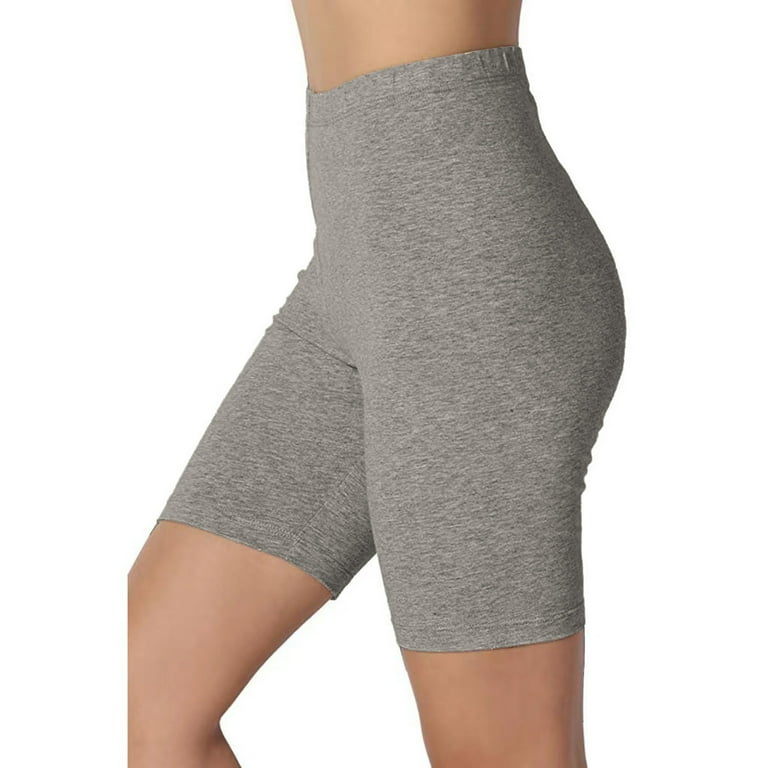
Workout shorts are short pants made for exercise. They can be loose or tight, and are usually made from quick-dry fabrics. Styles include running shorts, compression shorts, and biker shorts.
5. Tank Tops
A tank top is a sleeveless shirt that lets your arms move freely. Women wear tank tops for almost every kind of exercise, from weightlifting to cardio. Some have built-in bras for extra support.
6. T-shirts
T-shirts for the gym are usually made from breathable, sweat-wicking fabrics. They can be loose or fitted, short-sleeved or long-sleeved, and are a classic choice for all types of workouts.
7. Sports Jackets And Hoodies
A sports jacket or hoodie is worn over other gym clothes for warmth before or after a workout. They are made of lightweight or thermal material, and often have zippers or pockets for convenience.
8. Sports Socks
Sports socks are designed to keep your feet dry, reduce blisters, and provide support. They can be ankle-length, crew, or knee-high, and are usually made from moisture-wicking fabric.
9. Running Shoes / Trainers
Though not clothing, running shoes or trainers are a crucial part of gym attire. They protect your feet and joints from injury and are designed for different activities like running, cross-training, or weightlifting.
10. Compression Wear
Compression wear includes leggings, shorts, tops, and sleeves that fit tightly and support muscles. They are said to improve blood flow and reduce muscle fatigue.
11. Sports Underwear
Sports underwear is made from breathable, seamless fabrics to prevent chafing during movement. These include sports briefs and seamless panties designed for exercise.
12. Base Layers
Base layers are thin, tight tops or bottoms worn under other gym clothes. They help manage sweat and keep you warm or cool, depending on the fabric.
13. Track Pants
Track pants are looser than leggings and often have a straight or tapered leg. They are worn for warm-ups, running, or casual workouts.
14. Skorts
A skort is a skirt with built-in shorts underneath. It’s common in tennis, running, or gym classes where you want the look of a skirt with the coverage of shorts.
15. Sports Hijabs
For women who cover their hair for religious reasons, sports hijabs are made from stretchy, breathable fabric that stays in place during exercise.
16. Gym Vests
A gym vest is a sleeveless top, looser than a tank top, often with wide armholes. It’s a popular choice for weight training and group classes.
17. Crop Tops
Crop tops are short shirts that show part of the midsection. They are trendy and comfortable for gym workouts, especially in hot weather.
18. Sports Headbands
Sports headbands keep hair and sweat away from the face. They are made from absorbent material and are both practical and stylish.
19. Gym Gloves
Gym gloves are worn to protect hands from blisters and improve grip when lifting weights or using gym equipment.
20. Tracksuits
A tracksuit is a matching set of jacket and pants, often worn for warm-ups, cool-downs, or casual gym sessions.
Common Terms For Women’s Gym Clothes
You might hear some general words used to describe gym clothes for women. Here are some of the most common terms:
- Activewear – Clothing made for physical activity, but often stylish enough for casual wear.
- Athleisure – A mix of “athletic” and “leisure.” These are gym clothes that you can wear all day, even if you’re not going to the gym.
- Sportswear – A broad term for clothes worn for sports or exercise.
- Performance wear – Clothes designed to improve your performance, like sweat-wicking tops or compression leggings.
- Fitness apparel – Any clothing made for working out.
Each of these terms can include the specific items listed earlier. For example, leggings, sports bras, and tank tops are all types of activewear.
How Women’s Gym Clothes Have Evolved
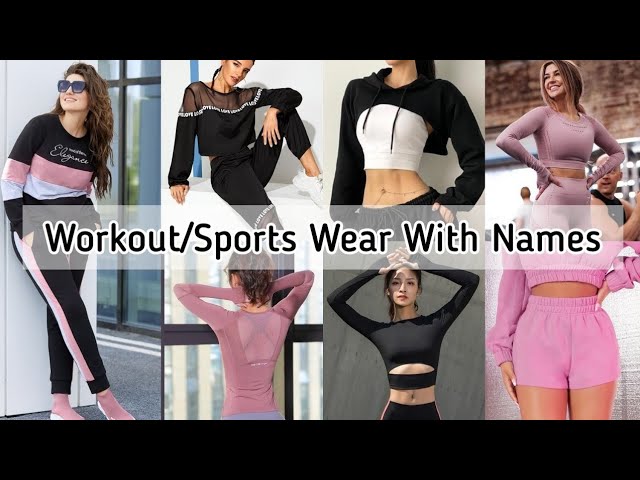
Gym clothes for women have changed a lot over the decades. In the past, workout clothes were mostly about function, with little thought for comfort or style. Today, brands make gym clothes that are both practical and fashionable.
Early gym outfits included simple cotton T-shirts and shorts, which would become heavy and uncomfortable when wet. Now, fabrics like polyester, nylon, and spandex are common. These materials stretch, wick away sweat, and dry quickly.
The rise of athleisure means many women wear gym clothes for shopping, coffee, or travel—not just at the gym. This change has made gym clothes more colorful, stylish, and comfortable.
One non-obvious insight: Many innovations in women’s gym clothes came from listening to athletes. For example, the sports bra was created after women runners complained about pain from regular bras during races.
Another important change is the inclusion of more sizes and fits. Brands now make gym clothes for all body types, so everyone can find something that fits and feels good.
Credit: www.youtube.com
Key Features Of Women’s Gym Clothes
When you shop for gym clothes, you’ll notice some common features that make them different from regular clothes. Here’s what to look for:
- Moisture-wicking fabric – Pulls sweat away from your skin so you stay dry.
- Stretchiness – Allows for free movement.
- Breathability – Lets air flow through the fabric to keep you cool.
- Support – Sports bras and compression wear give extra support to muscles and joints.
- Seamless construction – Reduces chafing and irritation.
- Flatlock seams – Seams that lay flat to prevent rubbing.
- Pockets – Some leggings and jackets have pockets for keys, cards, or phones.
Understanding these features helps you choose the right clothing for your favorite activity.
How To Choose The Right Gym Clothes
Picking the right gym clothes is about more than just style. Here’s how to make smart choices:
Consider Your Activity
Different activities need different types of clothing. For example:
- Running: Look for lightweight, moisture-wicking tops and supportive running shoes.
- Yoga or Pilates: Choose stretchy leggings or yoga pants and a comfortable tank top.
- Weightlifting: A supportive sports bra, breathable top, and flexible leggings or shorts are best.
Fit And Comfort
Gym clothes should fit well—not too tight or too loose. Clothes that are too tight can restrict movement, while loose clothes can get caught on equipment.
A practical tip: Move around in the fitting room. Raise your arms, squat, or twist to see if the clothes move with you. This simple test can prevent discomfort later.
Fabric Matters
Synthetic materials like polyester, nylon, and spandex are common because they handle sweat and stretch. Cotton is soft but holds moisture, which can cause chafing.
Look for labels that mention moisture-wicking, quick-dry, or breathable.
Support And Protection
A high-impact sports bra is important for running or jumping. For lower-impact exercise like yoga, a medium or low-support bra is enough.
If you do outdoor workouts, consider UV-protective clothing or layers for warmth.
Style And Motivation
Many women feel more motivated to work out when they like how they look. Choose colors, patterns, or styles that make you feel confident.
Comparison Of Common Gym Clothes Names
Sometimes, different words are used for similar gym clothes. Here’s a quick look at how some terms compare:
| Item Name | Also Called | Main Use |
|---|---|---|
| Leggings | Tights, Yoga pants (sometimes) | General workout, yoga, running |
| Tank Top | Singlet, Gym vest | Weightlifting, cardio, group classes |
| Sports Bra | Training bra (rarely), Bralette (if light support) | All high-impact and low-impact sports |
| Tracksuit | Sweatsuit, Jogging suit | Warm-ups, cool-downs, casual wear |
| Workout Shorts | Running shorts, Biker shorts, Compression shorts | Running, cycling, gym classes |
This table shows that names can overlap, and local language or fashion trends can change what people call the same item.
Gym Clothes For Different Sports And Activities
Not all gym clothes work for every activity. Here’s a breakdown for common workouts:
Running
- Running shorts or leggings
- Moisture-wicking tank top or T-shirt
- High-impact sports bra
- Running shoes
- Sports socks
Yoga Or Pilates
- Yoga pants or leggings
- Stretchy tank top
- Low to medium-support sports bra
- Bare feet or yoga socks
Weightlifting
- Compression leggings or shorts
- Breathable tank top or T-shirt
- Supportive sports bra
- Gym gloves (optional)
Group Fitness Classes
- Flexible leggings or shorts
- Comfortable top
- Sports bra suitable for jumping or dancing
Outdoor Workouts
- Layered clothing (e.g., base layer + sports jacket)
- UV-protective fabric
- Sports hijab (if needed)
- Running shoes or trainers
Data: Most Popular Women’s Gym Clothes
Here’s a look at which items are most popular among women who exercise, based on survey data and sales figures.
| Gym Clothing Item | Popularity (Out of 100 Women) | Common Reason for Use |
|---|---|---|
| Leggings | 89 | Flexibility, comfort, style |
| Sports Bra | 95 | Support, comfort |
| Tank Top | 77 | Arm movement, breathability |
| Workout Shorts | 60 | Coolness, freedom of movement |
| Sports Jacket | 50 | Layering, warmth |
This data shows that leggings and sports bras are almost always included in a woman’s gym wardrobe.
Mistakes To Avoid When Buying Gym Clothes
Even experienced gym-goers can make buying mistakes. Here are some common ones:
- Choosing the wrong size. Gym clothes should fit well but not be restrictive. Too-tight clothes can cut off blood flow, while loose clothes can be unsafe around machines.
- Ignoring fabric type. Cotton feels nice but can soak up sweat and cause chafing. Always check the label for synthetic, moisture-wicking materials.
- Skipping support. Not all sports bras are equal. High-impact sports need more support. Don’t choose a bra just for style.
- Not considering the activity. Clothes for yoga may not work for running. Think about the movement and support you need.
- Focusing only on looks. Gym fashion is fun, but comfort and safety come first.
A less obvious mistake: Not trying gym clothes on with the underwear or sports bra you plan to wear. This can change how the clothes fit and feel.
How Women’s Gym Clothes Help Performance
You might wonder if gym clothes really make a difference. The answer is yes, for several reasons:
- Better movement: Clothes that stretch and fit well let you move freely.
- More comfort: Sweat-wicking fabric keeps you dry, so you can exercise longer.
- Less injury: Supportive sports bras and shoes protect your body.
- Motivation: Wearing clothes you like can boost your confidence and energy.
Research shows that people who wear proper gym clothes are more likely to keep up with their workouts. Feeling prepared and comfortable makes it easier to stick with a fitness routine.
Caring For Women’s Gym Clothes
To keep your gym clothes working well, take care of them:
- Wash after each use. Sweat and bacteria can damage fabric and cause odors.
- Avoid fabric softeners. These can block the fabric’s ability to wick moisture.
- Air dry when possible. High heat from dryers can break down elastic fibers.
- Store in a dry place. Wet gym clothes can grow bacteria and mildew.
Simple care can make your gym clothes last longer and work better.
Gym Clothes And Fashion Trends
Gym clothes are now a major part of everyday fashion. Many women wear athleisure pieces for work, errands, or travel. This mix of style and function means you can look good and be comfortable all day.
Trends include bold colors, interesting patterns, and matching sets. Some brands also focus on eco-friendly materials or recycled fabrics.
A non-obvious insight: Many brands now make gym clothes with hidden pockets for keys, phones, or money. This makes them practical for both the gym and daily life.
To learn more about the history and trends of gym clothes, check out this Wikipedia page on activewear.
How To Build A Basic Women’s Gym Wardrobe
If you’re starting from scratch, here’s what you need:
- 2–3 sports bras (different support levels)
- 2–3 pairs of leggings or shorts
- 2–3 tank tops or T-shirts
- 1–2 sports jackets or hoodies
- Sports socks
- 1 pair of running shoes or trainers
- Compression wear (if needed)
- Sports underwear
Start with these basics, then add more as you learn what you like.

Credit: www.womenshealthmag.com
Table: Gym Clothes For Different Body Types
It’s important to find gym clothes that fit your unique body. Here’s a guide to what works for different shapes:
| Body Shape | Best Gym Clothes | Why It Works |
|---|---|---|
| Pear (wider hips) | High-rise leggings, A-line tank tops | Balances body shape, comfort around hips |
| Apple (round middle) | Loose tank tops, Compression leggings | Comfort, support at the waist |
| Hourglass (curvy) | Fitted tops, High-support sports bras | Highlights shape, gives needed support |
| Athletic (straight) | Patterned leggings, Crop tops | Adds curves, comfort for movement |
Choose gym clothes that fit your body and make you feel good, no matter your shape.
Frequently Asked Questions
What Is The Difference Between Activewear And Athleisure?
Activewear is made for exercise, with features like sweat-wicking and stretch. Athleisure is gym-inspired clothing you can wear outside the gym, often more stylish and comfortable for daily life.
Can I Wear Regular Clothes For The Gym?
Regular clothes may not handle sweat, movement, or support as well as gym clothes. You can wear them, but you might be less comfortable and safe.
How Many Gym Outfits Should I Have?
It’s best to have at least two or three gym outfits so you can always have a clean set ready. More outfits are helpful if you work out often.
What’s The Best Fabric For Women’s Gym Clothes?
Synthetic fabrics like polyester, nylon, and spandex are best for gym clothes. They wick away sweat, stretch, and last longer than cotton.
Do I Need A Sports Bra For Every Workout?
A sports bra is important for almost every workout. Choose the right support level for your activity—high-impact for running, medium or low for yoga or walking.
Women’s gym clothes have many names, but knowing what each item is called and how to choose the right one can make your fitness journey easier, safer, and more enjoyable. With the right gym wardrobe, you’ll feel ready to take on any workout—and look great doing it.
Credit: www.walmart.com
