

What are Gym Clothes for School: Essential Guide for Students
What Are Gym Clothes For School
Physical education classes and school sports are an important part of student life. They help students stay active, learn teamwork, and build healthy habits. But to truly enjoy these activities, wearing the right gym clothes for school is essential. The right gear not only keeps students comfortable but also helps prevent injuries and supports better performance. Many parents and students wonder: What exactly are gym clothes for school, and why do they matter?
This guide explains everything you need to know about gym clothes for school. You’ll learn what items are usually required, why each piece matters, the materials to look for, and practical tips for comfort and hygiene. Whether you’re a parent getting ready for your child’s first PE class or a student who wants to feel confident and prepared, this article covers every detail so you can make the best choices.
Understanding Gym Clothes For School
Gym clothes for school are special clothes worn during physical education (PE) classes, sports, or school fitness activities. These clothes are designed for movement, sweat, and exercise. They are different from regular school uniforms or daily outfits.
Schools often have rules or guidelines for gym clothes. Some even have a set uniform, while others allow students to choose from approved options. The main goal is always the same: to help students move safely and feel comfortable during physical activity.
Why Regular Clothes Aren’t Enough
Regular clothes like jeans, dresses, or school trousers are not made for sports. They might be tight, heavy, or restrict movement. Some fabrics, like denim or wool, can cause chafing when you sweat. Wearing the wrong clothes can even lead to accidents, such as tripping over loose pants or slipping in shoes without good grip.
Key Items In School Gym Clothes
School gym clothes usually include a few core items. These are chosen for safety, comfort, and performance.
1. T-shirt Or Sports Top
A basic sports T-shirt is almost always required. It should be made from breathable material, like cotton or polyester blends. These fabrics help absorb sweat and allow air to flow, keeping you cool. Some schools allow sleeveless tops, but most prefer short sleeves for modesty and sun protection.
2. Shorts Or Sports Pants
Students often wear shorts, especially in warmer weather. In cooler months, lightweight sports pants or track pants are common. These should be flexible and not too tight or loose. Elastic waistbands are popular because they fit many body types and are easy to put on or take off.
3. Sports Shoes (trainers)
Proper footwear is a must. Sports shoes should have a non-slip sole and support your feet during running, jumping, and quick changes of direction. Many injuries in school PE happen because of the wrong shoes—like sandals, dress shoes, or shoes without laces.
4. Socks
Good socks protect feet from blisters and absorb sweat. Sports socks are often thicker than regular socks and made from moisture-wicking material.
5. Sweatshirt Or Hoodie
For outdoor activities or colder seasons, students may need a light sweatshirt or hoodie. It should be easy to move in and not too bulky.
6. Sports Bra (for Girls)
For older girls, a supportive sports bra is important for comfort and confidence during physical activity.
7. Optional: Base Layers Or Compression Wear
Some students wear base layers under their gym clothes for extra warmth or muscle support. Compression shorts or shirts can help with muscle fatigue, but they are usually optional.
8. Optional: Pe Bag
A dedicated bag helps keep gym clothes, shoes, and accessories organized and separate from regular school books.
Materials Matter: What To Look For In Gym Clothes
The fabric of gym clothes plays a big role in comfort and performance. Here’s what to consider:
- Breathability: Look for clothes that let air pass through. This keeps you cool and prevents overheating.
- Moisture-wicking: These fabrics pull sweat away from your skin. Polyester blends and technical fabrics are good choices.
- Stretch: Gym clothes should move with your body. Elastane (spandex) is often added for stretch.
- Durability: School gym clothes need to survive frequent washing and rough use. Reinforced stitching and quality fabric last longer.
- Easy care: Machine-washable clothes save time and effort.
Cotton Vs. Synthetic Fabrics
Cotton is soft and comfortable, but it absorbs sweat and stays wet. Synthetic fabrics, like polyester and nylon, dry faster and keep you feeling fresh. Many gym clothes mix cotton and synthetics for the best of both.
School Gym Clothes Around The World
Different countries and schools have their own traditions and rules. Here’s a quick look at some examples:
| Country/Region | Common Gym Clothes | Notes |
|---|---|---|
| United States | T-shirt, shorts or sweatpants, trainers | Some schools provide uniforms; others allow any sportswear |
| United Kingdom | Polo shirt, shorts, gym plimsolls or trainers | Primary schools often have strict uniform colors |
| Japan | White T-shirt, navy shorts, white sneakers | PE uniforms are standard and sometimes include caps |
| Australia | Polo shirt, shorts, runners | Many schools use school colors and logos |
| India | T-shirt, shorts or track pants, sneakers | Uniforms often show house/team colors |
This variety shows that while the basics are similar, local customs and climate can influence gym clothes.
Why The Right Gym Clothes Matter
Wearing the right gym clothes isn’t just about following school rules. It has real benefits for students:
- Safety: Proper shoes and clothes prevent slips, falls, and injuries.
- Comfort: Breathable, flexible clothes let you focus on activity, not discomfort.
- Confidence: Feeling good in your clothes helps you participate more and try harder.
- Performance: The right gear can actually improve how you run, jump, or play sports.
- Hygiene: Gym clothes are easy to wash and dry, keeping students clean and healthy.
Hidden Benefits Many People Miss
Some parents and students think any old T-shirt and shorts will do. But gym clothes designed for sports often include special features:
- Flat seams help prevent chafing, especially during running.
- Tagless labels reduce irritation on the neck or back.
- Ventilation panels or mesh inserts keep you cooler.
These small details can make a big difference during intense activity.
School Gym Clothes: Rules And Dress Codes
Most schools have clear rules about gym clothes. These rules help keep everyone safe and make sure no one feels left out because of expensive brands or fashion trends.
Typical School Gym Dress Code Rules
- Clothes must be clean and fit properly (not too baggy or too tight)
- No jewelry or accessories that can catch or cause injury
- Hair should be tied back if long
- Only approved shoes (no sandals, boots, or open-toed shoes)
- Some schools require names or initials on gym clothes for easy identification
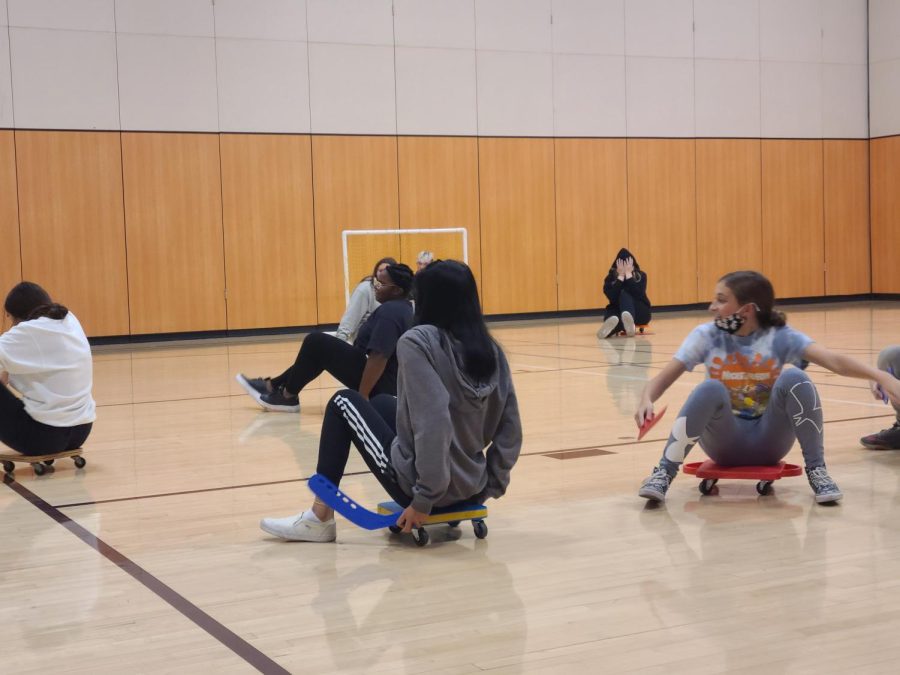
Wearing the wrong clothes can mean you’re not allowed to participate. Some schools give loaner clothes, but they are often not comfortable or well-fitting.
Credit: aahsmountainecho.com
How To Choose The Right Gym Clothes For School
Choosing gym clothes is not just about picking the first T-shirt and shorts you see. There are several important factors to consider:
Comfort Comes First
Gym clothes should never distract you from activity. Try moving around in them before buying. Can you stretch, run, and jump without feeling restricted? If not, try a different size or style.
Fit And Sizing
A common mistake is choosing clothes that are too big “to grow into. ” This can actually make it harder to move and may cause accidents. Choose the right size for now, and check the fit each school year.
Climate And Season
Think about your local weather. In hot areas, lighter fabrics and shorts work best. In colder regions, layers are important. Many schools allow students to wear sweatshirts or tracksuits during winter.
Budget And Value
You do not need to buy expensive brands. Many affordable options offer the same comfort and durability. Look for multi-packs or school-approved kits for better value.
School Policy And Uniform Code
Always check your school’s guidelines before buying. Some schools have strict rules about color, logos, and style. Others are more flexible.
Personal Needs
Some students have allergies or skin sensitivities. In these cases, look for hypoallergenic fabrics or tagless designs. For students with special needs, adaptive clothing with easy fasteners can help.
Comparing Gym Clothes: Everyday Wear Vs. Sportswear
It’s easy to think any comfortable clothes will do for PE. But there are important differences. Here’s a side-by-side comparison:
| Feature | Everyday Clothes | Gym Clothes |
|---|---|---|
| Flexibility | Limited | High |
| Moisture-wicking | Low | High |
| Durability (for sports) | Low | High |
| Safety | Not designed for movement | Designed for activity |
| School-approved | Usually not | Yes |
This shows why schools ask for specific gym clothes instead of regular outfits.

Credit: aahsmountainecho.com
Caring For Gym Clothes: Hygiene And Longevity
Gym clothes get sweaty and dirty quickly. Taking care of them is important for health and comfort.
Washing Tips
- Wash gym clothes after every use, especially socks and underwear.
- Use mild detergent to avoid skin irritation.
- Avoid fabric softeners for sportswear, as they can damage moisture-wicking fibers.
- Air-dry clothes when possible. This preserves elasticity and reduces shrinkage.
- Store clean gym clothes separately from dirty ones.
Avoiding Common Mistakes
- Don’t leave sweaty clothes in a bag for days. This causes bad smells and bacteria.
- Don’t use bleach on colored gym clothes; it can fade colors and weaken fabric.
- Don’t iron synthetic sportswear; heat can melt fibers.
Tips For Students: Making Pe Comfortable And Fun
Physical education can be a highlight of the school day—or a challenge. The right clothes help, but a few extra tips can make a big difference:
- Pack a spare set of gym clothes if you have PE several times a week.
- Label everything with your name; school gyms are full of lost clothes.
- Bring a water bottle to stay hydrated during exercise.
- Keep deodorant or body wipes in your gym bag for freshness after class.
- Change as soon as possible after PE to avoid sitting in sweaty clothes.
Gym Clothes For Special Activities
Not all school sports are the same. Sometimes, gym clothes need to adapt:
- Swimming: Most schools require a one-piece swimsuit for girls and trunks for boys, plus a swim cap and towel.
- Dance or gymnastics: Stretchy leggings or leotards are often allowed, as they give more freedom of movement.
- Outdoor sports: In cold weather, layering is key. Thermal tops and gloves may be permitted.
- Martial arts: Some schools offer classes where a gi (martial arts uniform) is required.
Always check with your teacher for any special gear needed for these activities.
The Role Of Gender And Modesty In Gym Clothes
Many schools now offer unisex gym clothes. However, some students may want options for modesty or personal comfort.
- Longer shorts or leggings can be worn under shorts.
- Loose T-shirts are often allowed for those who prefer not to wear tight tops.
- Hijabs and head coverings designed for sports are available for Muslim students.
Schools should respect religious or cultural dress needs, as long as safety is not affected.

Credit: thejapanbox.com
What To Avoid: Common Mistakes When Choosing Gym Clothes
Many students and parents make the same mistakes when shopping for gym clothes. Here’s what to avoid:
- Choosing fashion over function: Trendy clothes may not be safe or comfortable.
- Ignoring the school’s uniform policy: Always double-check rules before buying.
- Buying “to grow into” too much: Oversized clothes can get caught on equipment.
- Forgetting about shoes: Old or worn-out trainers can cause injuries.
- Neglecting hygiene: Not washing gym clothes often enough leads to odor and skin problems.
Brands And Where To Buy
You do not need to buy the most expensive brands. Many stores offer high-quality, affordable gym clothes. School uniform shops, sports stores, and large retailers all carry gym clothes. Some schools even sell their own branded kits. Online shopping offers more choices, but always check size guides and return policies.
Sustainable And Eco-friendly Gym Clothes
Some parents and students want to make more sustainable choices. Many brands now offer gym clothes made from recycled materials, organic cotton, or bamboo fibers. These options are often as durable and comfortable as regular sportswear. Choosing high-quality clothes that last longer is also a good way to reduce waste.
Real-world Example: How Gym Clothes Affect Participation
A study published in a physical education journal found that students who felt comfortable in their gym clothes were more likely to take part in PE and school sports. Confidence in appearance and movement made students less likely to skip class or hold back during activities.
This shows that gym clothes are not just a rule—they’re a real part of supporting healthy, active students.
For more details on how school uniforms and gym clothes impact student participation, see this Wikipedia article on School Uniforms.
Gym Clothes Checklist For School
Before the school year or sports season starts, check that you have:
- 2–3 sports T-shirts or tops
- 2 pairs of shorts or sports pants
- 1–2 sweatshirts or hoodies (for cold weather)
- 2–3 pairs of sports socks
- 1 pair of supportive sports shoes
- Sports bra (if needed)
- PE bag
- Water bottle
- Deodorant/body wipes
Having a spare set means you’re always ready, even if laundry is delayed or a piece gets lost.
Frequently Asked Questions
What Should I Do If My School Has A Strict Gym Uniform?
If your school has a specific gym uniform, always follow the guidelines. This means wearing the approved colors, styles, and logos. If you have any special needs, such as for modesty or allergies, talk to your teacher or school office—they can often make exceptions or suggest alternatives.
Can I Wear My Regular Sportswear Instead Of School-approved Gym Clothes?
Most schools require you to wear their approved gym clothes, even if you have nice sportswear at home. This keeps things fair and avoids competition over brands or styles. Some schools allow plain, logo-free clothes in certain colors, but always check first.
How Often Should I Wash My Gym Clothes?
You should wash gym clothes after every use. Sweat and bacteria can build up quickly, leading to odor and skin problems. Socks and underwear must be washed every time. If you have PE several times a week, it’s best to have more than one set.
What If I Forget My Gym Clothes At Home?
Many schools have a policy for forgotten gym clothes. You might be given loaner clothes, or you may not be allowed to join the activity. Some schools give warnings or mark participation points. To avoid this, pack your gym bag the night before and keep a spare set in your locker if possible.
Are Expensive Brands Better For School Gym Clothes?
Expensive brands are not always better. Many affordable gym clothes offer the same comfort, durability, and performance. Focus on the right fit, materials, and school guidelines. Sometimes, well-known brands offer sales or discounts, so you can get quality items without overspending.
---
Choosing the right gym clothes for school is an important step for every student. It’s not just about following rules—it’s about staying safe, comfortable, and confident during physical activity. By understanding what gym clothes for school mean, knowing what to look for, and taking care of your gear, you can make physical education a positive and healthy part of your school life.
With the right choices, students are ready to move, play, and learn without any barriers.
