

What are Gym Clothes Called? A Complete Guide to Fitness Wear
What Are Gym Clothes Called
If you’ve ever walked into a gym, you’ve probably noticed people wearing different outfits. Some wear tight leggings, others wear loose T-shirts, and a few might even sport matching sets. But what exactly are these clothes called? Why do people wear special clothes for the gym instead of regular ones?
Understanding gym clothing names and their purposes can make starting your fitness journey much easier.
Choosing the right gym clothes is not just about looking good. It’s about feeling comfortable, moving freely, and staying safe during your workout. The world of gym wear can be confusing, with terms like compression shorts, tank tops, joggers, and sports bras. Each piece has a specific name, role, and even a history. By the end of this article, you’ll know exactly what gym clothes are called, what makes each one unique, and how to select the best options for your needs.
Common Names For Gym Clothes
Gym clothes are often called by several names, depending on culture, brand, and region. Some of the most popular terms include:
- Activewear: This is a broad term for clothing designed for physical activities, including gym workouts, running, yoga, and more.
- Sportswear: Similar to activewear, but sometimes used for clothes specific to sports like tennis, basketball, or soccer.
- Workout clothes: Directly refers to attire worn during exercise sessions.
- Fitness apparel: A modern term that covers stylish and functional gym wear.
- Athleisure: This describes gym clothes that are also fashionable enough to wear casually outside the gym.
These names are often used interchangeably, but gym clothes typically refer to items worn for weightlifting, cardio, group classes, and general exercise at the gym.
Essential Types Of Gym Clothes
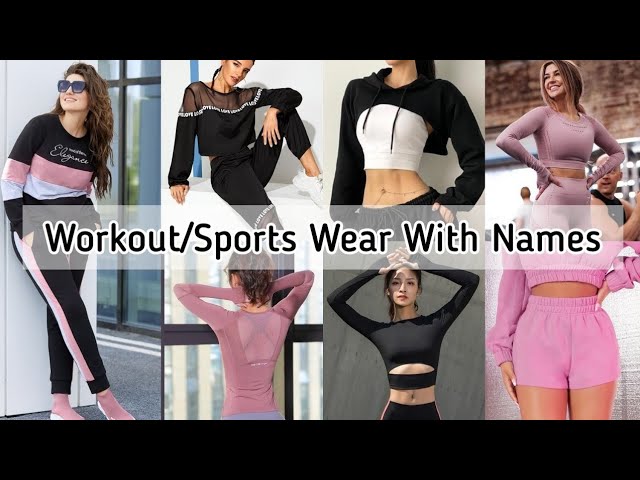
Let’s explore the main pieces of clothing you’ll find in any gym. Each has its own name, features, and reason for being popular.
1. T-shirts
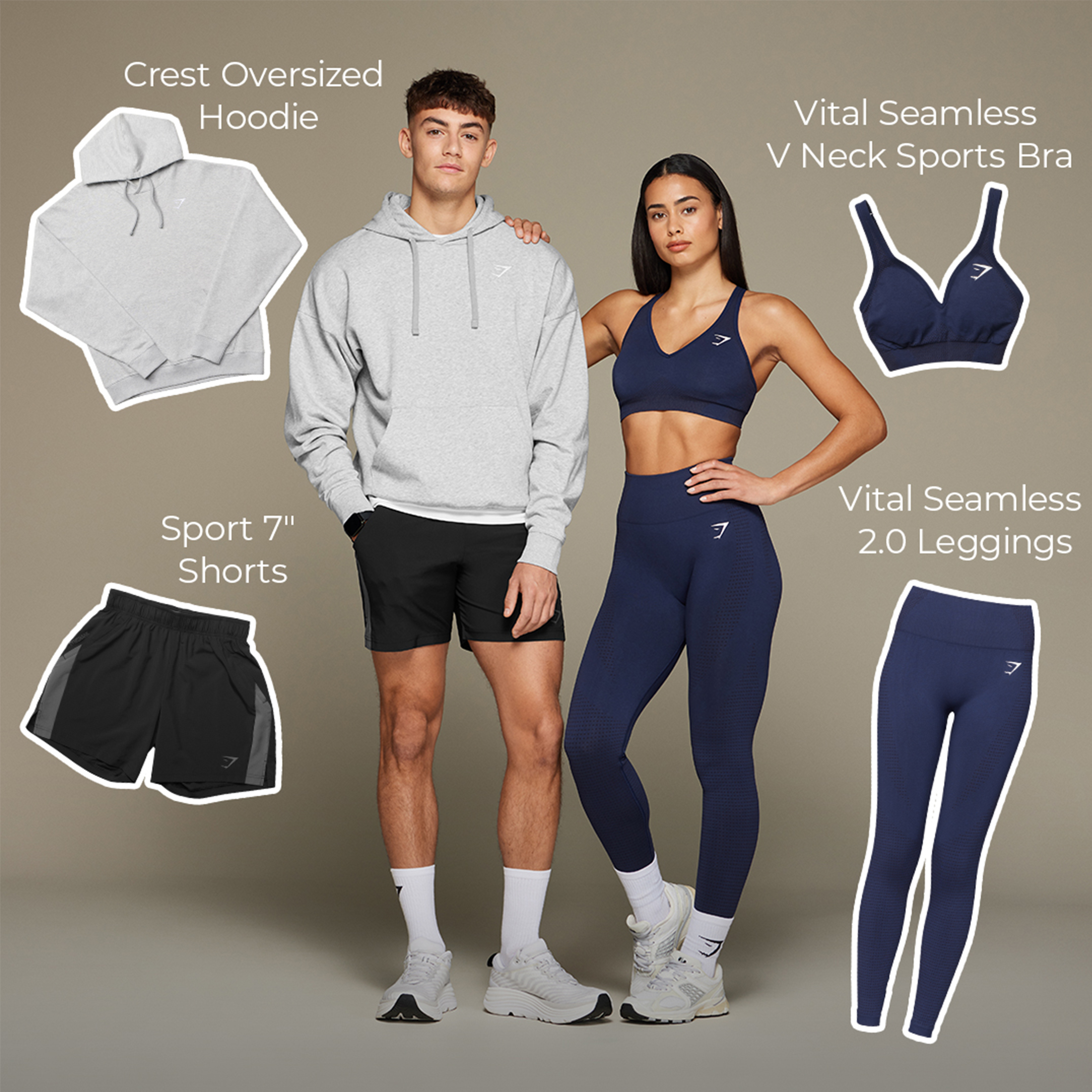
The humble T-shirt is a staple in gym wear. They are usually made from cotton, polyester, or blends, which help absorb sweat and keep you cool. Gym T-shirts are often looser than other workout clothes, giving you freedom to move. Many now include moisture-wicking technology to help sweat dry quickly.
2. Tank Tops
Tank tops are sleeveless shirts, great for hot gyms or intense workouts. They let your arms move freely and help your body stay cool. Tank tops are popular among both men and women, especially for weight training.
3. Sports Bras
For women, the sports bra is essential. It provides support, reduces movement, and helps prevent discomfort during exercise. Sports bras come in different support levels (low, medium, high) depending on the activity.
4. Leggings
Leggings are tight-fitting pants made from stretchy fabrics like spandex or polyester blends. They allow full range of motion and keep muscles warm. Leggings are popular for yoga, Pilates, running, and gym workouts.
5. Shorts
Gym shorts are lightweight, flexible, and usually above the knee. They’re ideal for running, cycling, or strength training. Some have built-in liners for added comfort and support.
6. Joggers
Joggers are athletic pants with a more relaxed fit than leggings but are tighter at the ankles. They are perfect for warm-ups, cool-downs, or casual gym days. Joggers often have pockets and are made from soft, breathable materials.
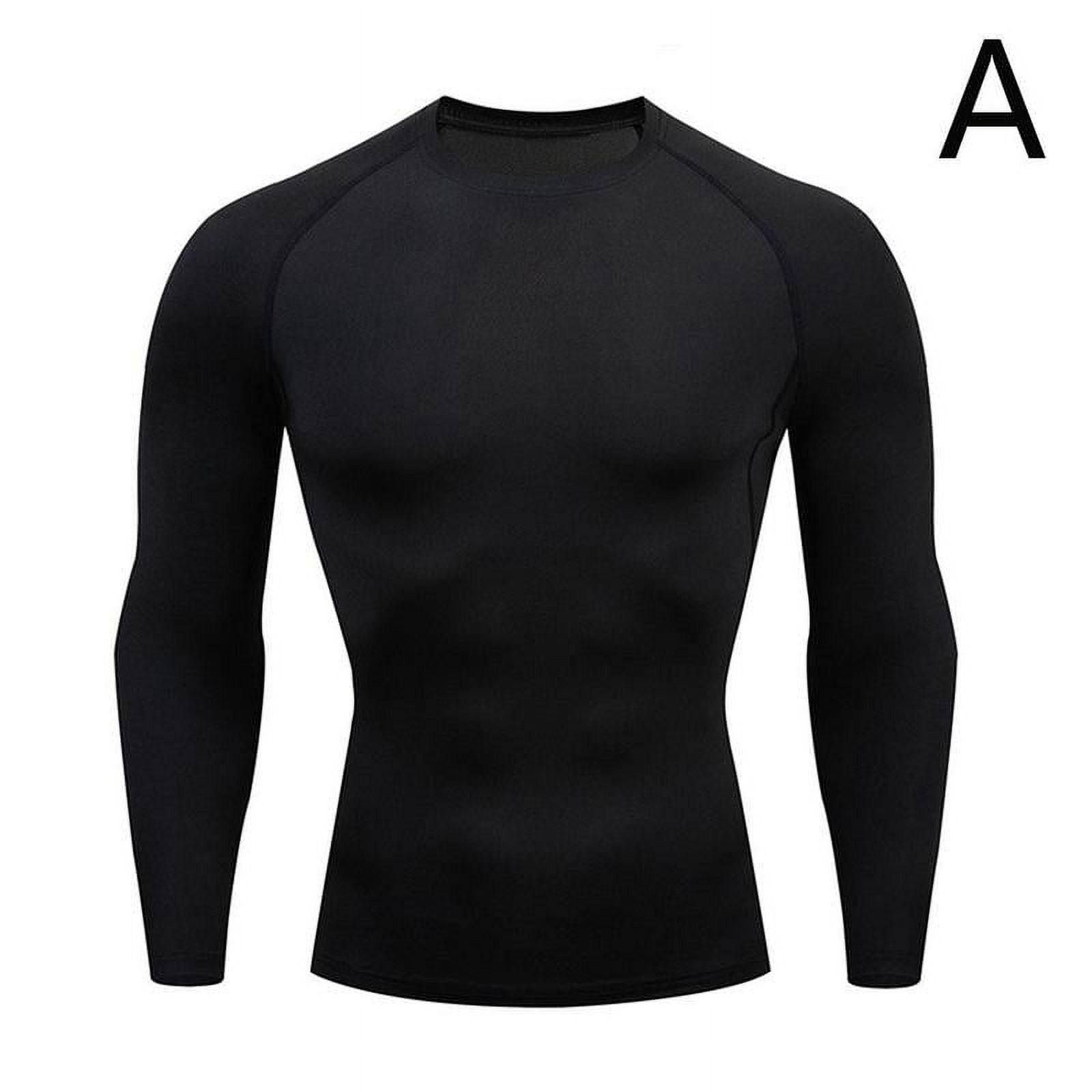
7. Compression Wear
Compression shorts, shirts, and tights are made from stretchy, snug fabrics. They support muscles, improve blood flow, and may help with recovery. Many athletes wear compression gear under other gym clothes.
8. Hoodies And Sweatshirts
When you need to stay warm before or after a workout, hoodies and sweatshirts are common choices. They help trap heat and are popular for outdoor exercise or warming up.
9. Tracksuits
A tracksuit is a matching set of jacket and pants, often made from polyester or nylon. They are used for warm-ups and cool-downs, or for stylish comfort going to and from the gym.
10. Sports Socks
Sports socks are usually thicker, with cushioning in key areas. They help prevent blisters and provide comfort during high-impact exercise.
11. Gym Shoes
Training shoes, running shoes, cross-trainers, and weightlifting shoes are all designed for specific activities. The right gym shoes protect your feet, support your movements, and reduce injury risk.
12. Sports Underwear
Sports underwear is designed for comfort and moisture management during workouts. They often use soft, breathable, and quick-drying materials.
13. Headbands And Wristbands
Headbands keep sweat out of your eyes, while wristbands absorb moisture from your arms. Both are small but useful accessories during intense workouts.
14. Gym Gloves
Gym gloves protect your hands during weightlifting, reducing calluses and improving grip.
15. Athletic Caps
Caps or hats are worn to manage sweat and keep hair out of your face, especially for outdoor workouts.
Credit: www.walmart.com
Comparing Gym Clothes: Key Features
Choosing the right gym clothes depends on your activity, comfort, and style. Here’s a look at how some popular items compare:
| Item | Main Material | Best For | Key Benefit |
|---|---|---|---|
| T-shirt | Cotton, Polyester | General workouts | Comfort, breathability |
| Tank Top | Polyester, Spandex | Weightlifting, Cardio | Freedom of movement |
| Leggings | Spandex, Nylon | Yoga, Running | Flexibility, warmth |
| Compression Shorts | Elastane, Nylon | High-intensity workouts | Muscle support |
| Joggers | Cotton, Polyester | Warm-ups, Casual | Soft, relaxed fit |
Why Are Gym Clothes Important?
Wearing the right gym clothes is more than a fashion choice. There are several important reasons to use specialized clothing for workouts:
- Sweat management: Gym clothes often use moisture-wicking fabrics that pull sweat away from your skin.
- Comfort and fit: They are designed to move with your body, reducing chafing or discomfort.
- Injury prevention: Proper support from shoes and sports bras can reduce the risk of injury.
- Performance: Compression wear and lightweight materials can improve your exercise results.
- Confidence: Wearing the right outfit can boost your motivation and make you feel more confident.
A common mistake beginners make is wearing heavy cotton clothes, which trap sweat and become uncomfortable. Investing in real gym wear can make your workouts more enjoyable and effective.
The Science Behind Gym Clothes
Modern gym clothes use advanced materials and technology. Here are some examples:
- Moisture-wicking fabrics: These move sweat from your skin to the fabric’s surface, where it dries quickly. This keeps you cool and dry.
- Antimicrobial treatments: Some gym clothes are treated to reduce odor-causing bacteria.
- Stretch fabrics: Materials like spandex or elastane allow for a full range of motion.
- Seamless construction: Reduces irritation and improves comfort, especially in leggings and sports bras.
Research shows that wearing the right workout clothing can improve performance and comfort, especially for high-intensity activities.
How To Choose The Right Gym Clothes
The best gym clothes for you depend on your activity, body type, and preferences. Here’s how to make smart choices:
Consider Your Activity
- For cardio (running, cycling), choose lightweight, breathable clothes and proper shoes.
- For weightlifting, use flexible clothes like tank tops and shorts, and consider gloves for grip.
- For yoga or Pilates, opt for stretchy leggings and fitted tops that stay in place.
Fit And Comfort
- Clothes should be snug but not tight, allowing you to move freely.
- Try moving your arms, squatting, or lunging in the clothes before buying.
- Avoid rough seams or tags that might irritate your skin.
Material Matters
- Look for moisture-wicking fabrics for sweat control.
- Choose stretchy materials for activities that need flexibility.
- Avoid heavy cotton for intense workouts—it holds sweat and can feel heavy.
Support And Protection
- Women should choose the right sports bra based on activity level.
- Use training shoes made for your sport to support your feet.
- Consider compression wear for muscle support and recovery.
Style And Motivation
- Pick colors and styles that make you feel good.
- Matching sets or favorite colors can boost your confidence and motivation.
Credit: www.youtube.com
Gym Clothes By Gender
While many gym clothes are unisex, some are specifically designed for men or women.
Gym Clothes For Women
- Sports bras: For support and comfort.
- Leggings and capris: Popular for flexibility and coverage.
- Fitted tops and tanks: Designed to stay in place.
- Skorts and shorts: Skirt and short combinations for style and function.
Gym Clothes For Men
- Tank tops and muscle tees: For upper body workouts.
- Shorts: Often looser, with built-in liners.
- Compression shirts and shorts: For support and sweat control.
- Joggers or track pants: For warm-ups and casual wear.
Unisex Items
- T-shirts
- Sweatshirts and hoodies
- Gym shoes
- Socks
- Caps and headbands
Specialty Gym Clothing
Some gym activities require special clothes. Here are a few examples:
Yoga Pants
Yoga pants are similar to leggings but may have flared legs or a different cut. They are made for stretching and bending.
Weightlifting Shoes
Weightlifting shoes have a hard, flat sole and raised heel for stability during heavy lifts.
Cycling Shorts
Cycling shorts have padded seats to protect against long rides.
Rash Guards
Rash guards are tight shirts used in activities like martial arts and water sports to prevent skin irritation.
Swimwear
For pool workouts, swimsuits or swim trunks are necessary.
| Specialty Clothing | Unique Feature | Best For |
|---|---|---|
| Yoga Pants | High stretch, soft material | Yoga, Pilates |
| Weightlifting Shoes | Hard sole, raised heel | Heavy lifts |
| Cycling Shorts | Padded seat | Indoor/outdoor cycling |
| Rash Guard | Snug fit, anti-chafe | Martial arts, water sports |
Accessories That Complete The Look
Beyond the basics, gym-goers often use accessories to improve their workouts:
- Lifting belts: For back support during heavy lifts.
- Ankle or wrist wraps: For joint stability.
- Smartwatches or fitness trackers: To monitor heart rate and progress.
- Gym bags: For carrying clothes, shoes, and water bottles.
- Water bottles: Staying hydrated is essential.
These items help you stay organized and enhance your workout experience.
How Gym Clothes Have Changed
Gym fashion has changed a lot over time. In the past, people wore plain shorts and T-shirts. Now, gym wear is high-tech, stylish, and even part of daily fashion (athleisure). Brands focus on both function and appearance. Some use recycled materials for eco-friendly options.
A non-obvious insight: Many people now wear gym clothes outside the gym, blurring the line between activewear and everyday clothing. This has made terms like "athleisure" more common.
Another point: Specialty fabrics have made it possible to have gym clothes that look like regular clothes but perform much better during workouts.
Credit: www.gymshark.com
Common Mistakes When Choosing Gym Clothes
New gym-goers often make these mistakes:
- Wearing old cotton shirts: These hold sweat and can feel heavy and uncomfortable.
- Using the wrong shoes: Running shoes for weightlifting or vice versa can lead to injury.
- Ignoring the importance of socks: Thin socks might cause blisters.
- Buying clothes that are too tight or too loose: This affects movement and confidence.
- Choosing style over function: Fashion is important, but comfort and support matter more for performance.
Caring For Your Gym Clothes
To keep your gym clothes in good shape:
- Wash sweaty clothes soon after use to prevent bacteria and odor.
- Use mild detergent and avoid fabric softeners (they reduce moisture-wicking ability).
- Air dry when possible to keep fabrics stretchy and strong.
- Avoid high heat when washing or drying, which can damage elastic fibers.
- Store gym shoes in a cool, dry place.
A practical tip: Turn your gym clothes inside out before washing to protect the fabric’s surface and any prints or logos.
Popular Gym Clothing Brands
Many brands make quality gym clothes. Some of the most recognized include:
- Nike
- Adidas
- Under Armour
- Lululemon
- Reebok
- Puma
- Gymshark
Each brand has its own style, fit, and technology. Try different brands to find what fits you best. For more about leading brands and innovations in activewear, you can check this resource.
Gym Clothes For Different Seasons
The clothes you wear to the gym may change with the weather:
- In hot weather, choose light, breathable fabrics, shorts, and sleeveless tops.
- In cold weather, layer with hoodies, sweatshirts, and track pants. Add gloves and hats for outdoor workouts.
- For rainy days, water-resistant jackets and quick-drying clothes are helpful.
Layering is key—start with a moisture-wicking base, add warmth, and finish with a protective outer layer if needed.
Gym Clothes For Special Needs
Some people need gym clothes for specific needs:
- Plus-size options: Many brands now offer extended sizes with the same performance features.
- Maternity activewear: Designed for pregnant women, with extra support and stretch.
- Adaptive gym wear: For people with disabilities, using easy closures and comfortable fits.
Look for clothes designed for your body and needs, so you can exercise safely and comfortably.
Environmental Impact Of Gym Clothes
Many gym clothes are made from synthetic materials, which can affect the environment. To reduce your impact:
- Choose brands that use recycled materials.
- Wash clothes in cold water to save energy.
- Buy high-quality items that last longer.
- Donate or recycle old gym clothes.
The fitness industry is becoming more aware of sustainability, offering eco-friendly options for conscious consumers.
Gym Clothes: A Global Perspective
The names and styles of gym clothes can differ across countries and cultures. For example:
- In some places, people use the term "trainers" for sneakers.
- "Tracksuit bottoms" are called "sweatpants" in other regions.
- Modest activewear, including long-sleeve tops and hijabs, is growing in popularity.
It’s useful to know the local names if you travel or shop from international brands.
Frequently Asked Questions
What Is The Difference Between Activewear And Gym Clothes?
Activewear covers clothing for all physical activities, both inside and outside the gym. Gym clothes are specifically designed for workouts and exercises at the gym. Sometimes, the terms are used interchangeably, but gym clothes focus more on function for intense activities.
Can I Wear Regular Clothes To The Gym?
You can, but regular clothes may not handle sweat well, might restrict movement, or cause discomfort. Specialized gym clothes use fabrics and designs meant for exercise, helping you move easily and stay dry.
How Often Should I Replace Gym Clothes?
Replace gym clothes when they lose stretch, develop odor, or become uncomfortable. High-quality items can last many months with proper care, but worn-out gear can affect your performance and hygiene.
Are Expensive Gym Clothes Better?
Higher-priced gym clothes often use advanced materials and technology, but you don’t have to spend a lot for comfort and function. Focus on fit, support, and fabric quality, not just the brand or price tag.
Do Gym Clothes Make A Difference In Performance?
Yes, the right gym clothes can improve comfort, reduce injury risk, and even boost confidence. Moisture-wicking fabrics, good support, and proper fit all contribute to better workouts and results.
Wearing the right gym clothes does more than just improve your appearance. It makes your workouts safer, more effective, and more enjoyable. By knowing what each piece is called and how to choose the best options, you can step into the gym with confidence and focus on what truly matters—your health and progress.
