

What are Gym Clothes Called? A Complete Guide to Activewear
What Are Gym Clothes Called
Gym clothes are everywhere, from busy city streets to fitness studios and local parks. But have you ever wondered what these clothes are officially called? Why do we use special names for them, and what makes them different from regular clothes?
If you’re new to fitness, or even if you’ve been working out for a while, understanding the right terms for gym clothes can help you choose better, communicate with trainers, and shop smarter.
This guide will break down the names, types, and features of gym clothes. You’ll learn not just what to call them, but also how each piece helps you perform better and feel more comfortable. Let’s explore the world of activewear and see why the right name can make a difference.
The Basics: What Are Gym Clothes?
Gym clothes are also known as activewear, workout clothes, or athletic wear. These terms are often used in stores, by fitness coaches, and on clothing labels. The main idea is simple: these are clothes designed for physical activity. They are made to be flexible, breathable, and sweat-friendly, unlike everyday jeans or shirts.
Common Names For Gym Clothes
- Activewear – A broad term for clothes used in exercise, sports, and outdoor activities.
- Athleisure – Clothes that look sporty but are also stylish for daily wear.
- Workout clothes – A casual way to refer to all clothing used during exercise.
- Sportswear – Sometimes used for both professional sports clothing and casual gym outfits.
- Training gear – Focused on clothes meant for serious workouts.
Each term has its own focus, but they all mean clothing designed for movement, sweat, and comfort.
Main Types Of Gym Clothes
When you go to the gym, you’ll see people wearing different types of clothes. Here are the most common pieces and what they are called:
For The Upper Body
- Tank tops: Sleeveless shirts, often called singlets in some countries.
- T-shirts: Standard short-sleeve shirts, usually made from stretchy or moisture-wicking material.
- Long-sleeve shirts: For cool weather or sun protection.
- Compression tops: Tight-fitting shirts that support muscles and reduce vibration.
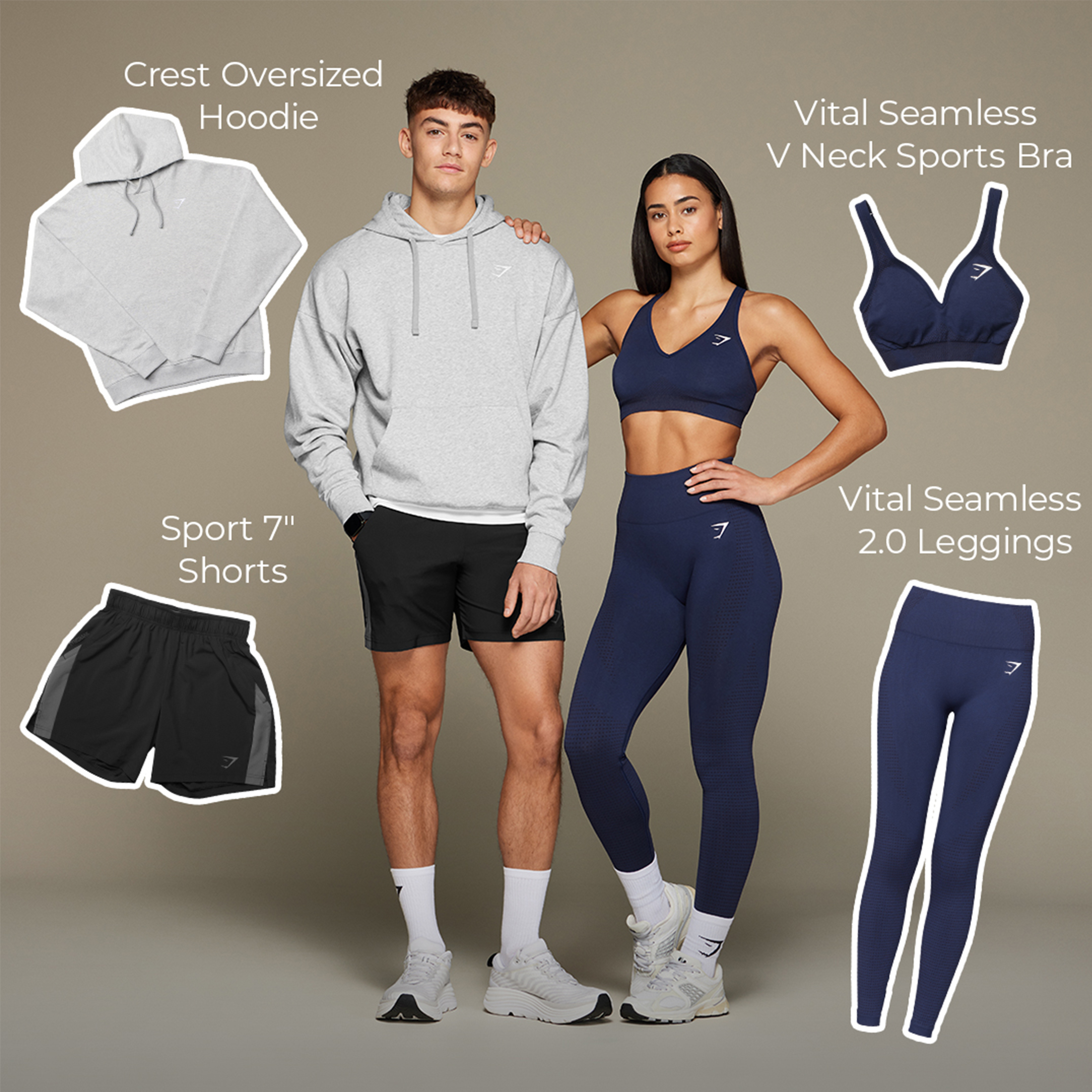
- Sports bras: Essential support for women during exercise.
- Hoodies and sweatshirts: Used for warm-ups or outdoor exercise.
For The Lower Body
- Shorts: Come in many lengths; often called gym shorts or running shorts.
- Leggings: Tight, stretchy pants, sometimes called tights.
- Joggers: Looser pants with elastic cuffs at the ankle.
- Compression pants: Like compression tops, but for the legs.
- Sweatpants: Cozy, loose-fitting pants for warm-ups or rest days.
For Both Men And Women
Some clothing is unisex, while others are designed specifically for men or women. For example, sports bras are only for women, but T-shirts and hoodies are for everyone.
Gym Clothes Vs. Regular Clothes
Many beginners wonder: why can’t you just wear regular clothes to the gym? What makes gym clothes special? The answer comes down to material, fit, and function.
| Feature | Gym Clothes | Regular Clothes |
|---|---|---|
| Material | Moisture-wicking, stretchy, lightweight | Cotton, denim, wool (not ideal for sweat) |
| Fit | Snug or flexible for movement | Often loose or stiff |
| Function | Designed for exercise and breathability | Made for style or warmth |
| Durability | Withstands frequent washing and stretching | May wear out or shrink quickly |
Non-obvious insight: Even though cotton feels comfortable, it holds sweat and can become heavy. That’s why you’ll see experienced gym-goers avoid pure cotton shirts during intense workouts.
Key Features Of Gym Clothes
Not all gym clothes are created equal. The best activewear has features that improve your workout and protect your body.
Moisture-wicking Fabric
This material pulls sweat away from your skin, helping you stay dry. Most gym shirts and leggings use synthetic fibers like polyester, nylon, or spandex.
Stretch And Flexibility
Elastane (also called spandex) is added to gym clothes for stretch. This lets you move freely during squats, lunges, or yoga.
Breathability
Mesh panels, ventilation holes, and lightweight fabrics allow air to move through the clothing. This is important for hot gyms or outdoor summer workouts.
Compression
Compression gear supports muscles and can improve blood flow. Some studies show it may help with recovery and reduce muscle soreness.
Support
For women, sports bras are essential. They reduce bounce and provide comfort during activities like running or HIIT.
Different Names In Different Sports
The word gym clothes can mean different things depending on the activity. Here are examples:
- Running gear: Often shorts, tank tops, and lightweight jackets.
- Yoga wear: Leggings and fitted tops that stay in place during stretches.
- Weightlifting attire: Compression shirts, shorts, and sometimes lifting belts.
- Cycling kit: Special padded shorts and tight jerseys.
- Team sports uniforms: Jerseys, shorts, and sometimes special socks.
Non-obvious insight: Some gym-goers choose their clothes based on the type of exercise, not just comfort. For example, yoga pants are rarely worn for heavy lifting because they may not offer enough support.
How To Choose Gym Clothes
Picking the right gym clothes is more than just style. Here’s what really matters:
- Fit: Clothes should not be too tight or too loose. Test movements like squats or jumps before buying.
- Material: Look for moisture-wicking, stretchy fabric. Avoid heavy cotton for intense workouts.
- Purpose: Choose clothes designed for your activity. Running shorts are different from yoga leggings.
- Support: Women should always check for proper sports bra support.
- Durability: High-quality gym clothes last longer, even with frequent washing.
Common mistake: Many beginners buy based on color or brand, not function. This can lead to discomfort or even injury.
Popular Gym Clothing Brands
Certain brands are known for their quality gym clothes. Here are some of the most popular:
- Nike
- Adidas
- Under Armour
- Lululemon
- Reebok
- Gymshark
- Puma
- New Balance
These brands often set trends in activewear design and technology.
Comparing Gym Clothes: Compression Vs. Regular Fit
Compression and regular-fit gym clothes serve different purposes. Here’s a quick comparison:
| Type | Main Benefit | Best For | Drawback |
|---|---|---|---|
| Compression | Muscle support, improved blood flow | Running, cycling, weightlifting | Can feel tight or restrictive |
| Regular Fit | Comfort, easy movement | Yoga, Pilates, walking | Less muscle support |
Experienced gym-goers often mix both types in their wardrobe, choosing compression for intense workouts and regular fit for low-impact days.
Gym Clothes For Different Weather
Weather can affect what you wear to the gym, especially if you work out outside.
Warm Weather
- Sleeveless tops and shorts keep you cool.
- Lightweight hats protect from the sun.
- Moisture-wicking socks help prevent blisters.
Cold Weather
- Layered clothing is key. Start with a moisture-wicking base, then add a hoodie or jacket.
- Leggings or joggers keep legs warm.
- Gloves and beanies for outdoor runs.
Rainy Or Windy Days
- Water-resistant jackets protect against rain.
- Windbreakers reduce chill from strong winds.
- Quick-drying clothes prevent discomfort.
Non-obvious tip: Avoid wearing too many cotton layers in cold weather. When cotton gets wet from sweat, it stays wet and can make you cold.
Gym Shoes: Part Of The Outfit
While not always called “clothes,” gym shoes are a crucial part of your gym outfit. Here’s what they’re called based on activity:
- Training shoes or cross-trainers: For general gym use.
- Running shoes: Made for running, not heavy lifting.
- Weightlifting shoes: Have flat, stable soles for support.
- Court shoes: For basketball, tennis, or similar sports.
Wearing the wrong shoes can lead to discomfort or injury. Always pick the right type for your workout.
Accessories In Gym Clothing
You’ll often see more than just clothes at the gym. Accessories complete the gym look and improve performance.
- Headbands: Keep sweat away from the eyes.
- Wristbands: Absorb sweat from arms.
- Gloves: Used for weightlifting to protect hands.
- Socks: Athletic socks are cushioned and wick moisture.
- Gym bags: Carry clothes, shoes, and gear.
Some accessories are small, but they make a big difference in comfort.
Gym Clothes By Gender
Although many gym clothes are unisex, some pieces are designed specifically for men or women.
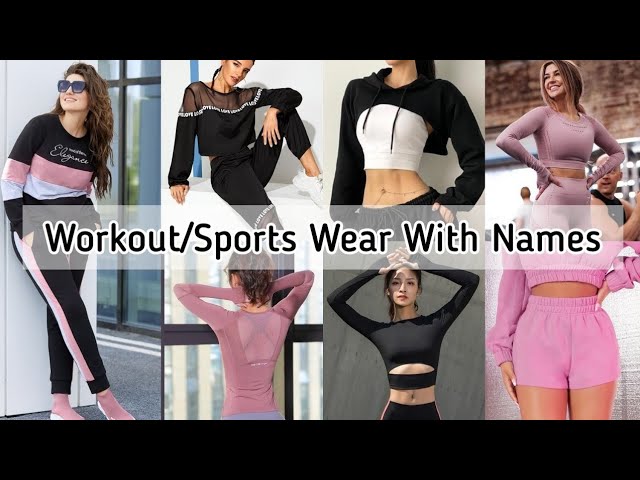
| Type | Men's Clothing | Women's Clothing |
|---|---|---|
| Tops | T-shirts, tank tops, compression shirts | T-shirts, tank tops, sports bras, crop tops |
| Bottoms | Shorts, joggers, compression pants | Shorts, leggings, yoga pants, skorts |
| Support Gear | Compression shorts, jockstraps | Sports bras, compression shorts |
Non-obvious insight: Many women’s gym clothes are designed with added pockets or higher waistbands for comfort and practicality, features less common in men’s gym wear.
Credit: www.youtube.com
How Gym Clothes Have Changed
The style and function of gym clothes have evolved. In the past, people wore simple cotton shirts and shorts. Now, activewear is high-tech, stylish, and designed for specific sports.
- Early gym clothes: Basic, heavy, and not designed for sweat.
- Modern gym clothes: Light, stretchy, often with anti-odor technology.
- Athleisure trend: Many people now wear gym clothes as everyday fashion.
This change means you have more choices than ever. But it’s also easier to get confused about what to buy and what each item is called.
How To Care For Gym Clothes
Taking care of workout clothes helps them last longer and perform better.
- Wash after every use to prevent bacteria and odor.
- Use gentle detergent and avoid fabric softener, which can block moisture-wicking ability.
- Air dry if possible; high heat can damage stretch fibers.
- Turn clothes inside out before washing to protect color and fabric.
Practical tip: Gym clothes may need a separate wash from regular laundry because sweat and body oils can build up quickly.
Credit: www.gymshark.com
Why The Right Name Matters
You might wonder: why care about the specific names of gym clothes? Here’s why:
- Shopping is easier when you know the right term (e.g., “compression leggings” vs. “yoga pants”).
- Trainers and coaches can give better advice if you use correct names.
- Some clothes are only meant for certain activities, and the name tells you the purpose.
Many beginners call all stretchy pants “leggings,” but tights, compression pants, and yoga pants can be very different in material and use.
Gym Clothes And Fashion
Today, gym clothes are not just for the gym. The athleisure trend means you’ll see people wearing leggings, joggers, and hoodies everywhere.
- Athleisure: Clothing that looks sporty and is stylish enough for work or casual outings.
- Mix and match: Many brands design clothes that can be worn in and out of the gym.
- Celebrity influence: Famous people often promote new styles, making gym wear a fashion statement.
But remember: what looks good for daily wear may not always perform best during a workout. Prioritize function for exercise, style for leisure.
Tips For Beginners: Buying Your First Gym Clothes
Starting your fitness journey? Here’s how to build a basic gym wardrobe:
- Begin with a few key items: A T-shirt, shorts or leggings, good shoes, and socks.
- Add one or two compression pieces if you plan on running or lifting weights.
- Women: Invest in at least one high-quality sports bra.
- Choose neutral colors for easy mixing and matching.
- Try on clothes and test your range of motion before buying.
Common mistake: Don’t buy a whole closet of new gym clothes right away. Start small and add more as you discover what you like and need.
The Impact Of Gym Clothes On Performance
Wearing the right activewear can boost your performance. Here’s how:
- Better range of motion means you can perform exercises correctly.
- Moisture-wicking fabrics keep you cool and prevent chafing.
- Proper support reduces risk of injury, especially for women.
- Feeling comfortable and confident can motivate you to exercise more often.
Scientific studies show that clothing choice can affect both comfort and performance, especially in high-intensity sports. For more detailed research, you can check Wikipedia’s page on activewear.
Gym Clothes: Sustainability And New Trends
Many brands now focus on eco-friendly gym clothes. You’ll find:
- Clothes made from recycled plastic bottles.
- Biodegradable fabrics.
- Natural dyes and low-impact production methods.
If you care about the environment, look for gym clothes labeled “sustainable” or “eco-friendly. ” These may cost more, but they’re better for the planet.
Common Mistakes When Choosing Gym Clothes
Avoid these pitfalls:
- Choosing style over function.
- Wearing heavy cotton during cardio.
- Ignoring proper shoe choice.
- Not checking if the fabric is see-through when stretched.
- Forgetting about fit during movement, not just standing still.
Always test clothes by moving, not just looking in the mirror.
Gym Clothes For Special Needs
Some people need special gym clothes:
- Plus-size activewear: Designed for extra comfort and support.
- Maternity activewear: For pregnant women, with extra stretch and belly support.
- Adaptive clothing: For people with disabilities, using easy closures or extra room.
The fitness industry now offers more choices for everyone, no matter your body shape or ability.
Frequently Asked Questions
What Is The Difference Between Activewear And Sportswear?
Activewear is a broad term for clothes used in any physical activity, including the gym, yoga, or outdoor walks. Sportswear can mean the same thing, but sometimes refers to clothing worn for team sports or professional athletic events. In stores, the terms are often used interchangeably.
Are Leggings And Yoga Pants The Same?
Not exactly. Leggings are tight-fitting pants that can be worn for many activities, including workouts or as fashion. Yoga pants are a type of legging, usually made from thicker, stretchier material, and designed specifically for yoga.
Do I Need Compression Clothes For The Gym?
Compression clothes are not required, but they can help support muscles and improve comfort, especially during running or weightlifting. Many people prefer regular-fit clothes for activities like yoga, stretching, or walking.
Can I Wear Gym Clothes Outside The Gym?
Yes! The athleisure trend means many gym clothes are stylish enough for daily wear. However, some technical fabrics may look out of place in formal settings.
How Should I Wash Gym Clothes?
Wash gym clothes after each use in cool or warm water with gentle detergent. Avoid fabric softener and high heat drying. Air drying helps them last longer and keeps the fabric stretchy.
Whether you’re just starting or looking to upgrade your workout wardrobe, knowing what gym clothes are called—and what makes them special—can help you get the most out of every workout. The right clothes are more than just fashion; they’re your partner in better health and fitness.

Credit: www.womenshealthmag.com
