

What are Good Workout Clothes? Top Picks for Every Fitness Level
What Are Good Workout Clothes
Choosing the right workout clothes can make a big difference in your exercise routine. Many people think any T-shirt and shorts are enough, but the best workout clothes do much more. They help you feel comfortable, move easily, and even stay safe.
Whether you exercise indoors or outdoors, alone or in a group, what you wear can affect your performance, confidence, and motivation. This article will help you understand what makes good workout clothes, how to pick them, and what mistakes to avoid.
You’ll learn how the right fabric, fit, and features matter, and see real examples and comparisons. Let’s discover how smart choices in workout clothing can help you reach your fitness goals.
The Importance Of Good Workout Clothes
Many people underestimate the impact of clothing on their workouts. Wearing the right gear can improve your experience, prevent injuries, and even boost your results. Here’s why:
- Comfort: Good workout clothes keep you comfortable, even during tough sessions. They reduce chafing, irritation, and discomfort.
- Mobility: The right fit and stretch let you move freely. You can do squats, jumps, and stretches without feeling restricted.
- Safety: Proper gear protects your skin from friction, sunburn, and other risks.
- Motivation: When you feel good in your clothes, you’re more likely to work harder and stick to your routine.
A study from the International Journal of Sports Science found that well-chosen workout clothing can improve performance by up to 20%, mainly through increased comfort and reduced distractions.
Key Features Of Good Workout Clothes
Not all workout clothes are equal. The best options have certain features that set them apart.
Fabric Matters Most
The material of your clothes affects everything from sweat control to comfort.
- Moisture-wicking fabrics: These pull sweat away from your skin, keeping you dry. Examples include polyester, nylon, and blends.
- Breathable materials: Fabrics like mesh or cotton blends allow air to flow, preventing overheating.
- Stretch: Spandex or elastane gives clothing flexibility. This is important for yoga, pilates, and any activity with lots of movement.
- Durability: Synthetic fibers last longer and don’t lose shape after washing.
Example Comparison
Here’s a simple table comparing common workout fabrics:
| Fabric Type | Moisture Control | Breathability | Stretch | Durability |
|---|---|---|---|---|
| Polyester | Excellent | Good | Moderate | High |
| Cotton | Poor | Excellent | Low | Low |
| Spandex | Good | Good | Excellent | Moderate |
| Nylon | Excellent | Good | Good | High |
Non-obvious insight: Some blends, like polyester-spandex, offer the best balance of stretch and moisture control. Pure cotton feels nice but holds sweat, making it less ideal for intense workouts.
Fit And Comfort
Fit is not just about size. Good workout clothes should feel like a second skin but not too tight.
- Snug but not restrictive: Clothes should move with you. Tight clothes might cut off circulation or cause discomfort.
- Length and coverage: Longer tops or higher-waisted leggings can prevent exposure during certain moves.
- Seam placement: Flat seams help reduce chafing. Avoid clothes with bulky seams, especially in areas that rub.
Support And Protection
- Sports bras: For women, a well-fitting sports bra is crucial. It reduces movement and pain.
- Compression wear: These clothes support muscles and may reduce soreness after exercise.
- Sun protection: If you train outdoors, look for clothes with UPF (Ultraviolet Protection Factor).
- Reflective details: For night or early morning workouts, reflective strips make you visible.
Practical Features
- Pockets: Handy for keys, phone, or cards.
- Zippers and drawstrings: Help adjust fit and keep clothes in place.
- Antimicrobial treatment: Some clothes resist odor and bacteria.
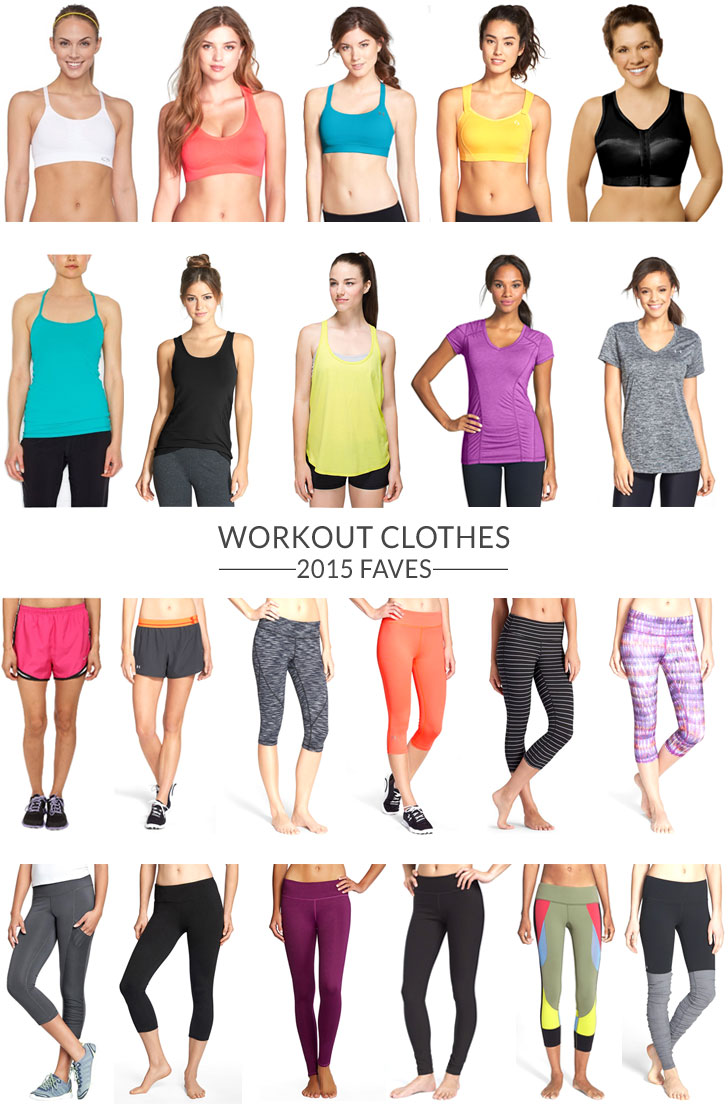
Credit: igrs.itu.edu.tr
Choosing Workout Clothes For Different Activities
Different workouts need different clothing. Here’s how to pick the best options for popular types of exercise.
Running And Cardio
- Lightweight, moisture-wicking tops and shorts.
- Supportive shoes with shock absorption.
- Reflective details for safety.
- Avoid cotton, which absorbs sweat and becomes heavy.
Strength Training
- Flexible, fitted tops and bottoms.
- Compression gear to support muscles.
- Shoes with flat soles for stability.
- Avoid loose clothing that might catch on equipment.
Yoga And Pilates
- Soft, stretchy leggings or shorts.
- Fitted tank tops or sports bras.
- Bare feet or grip socks.
- Avoid zippers, buttons, or anything uncomfortable during floor moves.
Cycling
- Padded shorts for comfort on the saddle.
- Breathable jerseys.
- Gloves for grip and protection.
- Avoid baggy pants that can get caught in pedals.
Outdoor Sports
- Layered clothing for changing weather.
- UPF-rated fabrics for sun protection.
- Windproof or waterproof jackets.
- Avoid dark colors during hot, sunny days.
Swimming
- Chlorine-resistant swimsuits.
- Goggles, caps, and rash guards.
- Sandals for poolside safety.
- Avoid cotton, which absorbs water.
How To Choose The Right Fit
Finding the right size is not always easy. Here are tips to help:
- Measure your body: Use a tape measure for chest, waist, hips, and inseam.
- Check brand charts: Sizing varies between brands. Always check their guide.
- Consider activity: For yoga, you might want tighter leggings. For running, a looser top.
- Try before you buy: If possible, move around in the clothes. Do a squat or stretch.
- Look for adjustable features: Drawstrings, elastic waists, and adjustable straps help.
Beginner mistake: Buying clothes too tight hoping for “motivation” can lead to discomfort and injury. Always prioritize comfort.
Men Vs. Women: Workout Clothes Differences
Workout clothes are not one-size-fits-all. Men and women often have different needs.
Women's Workout Clothes
- Sports bras for support.
- Leggings, capris, or shorts with higher waists.
- Tops with more coverage or adjustable straps.
- Extra pocket placement for small items.
Men's Workout Clothes
- Loose or fitted shorts.
- Tanks or T-shirts with broad shoulders.
- Compression shorts for support.
- Larger pockets for phones or wallets.
Here’s a quick comparison:
| Feature | Women's | Men's |
|---|---|---|
| Support | Sports bras, high-waisted leggings | Compression shorts, fitted tanks |
| Pockets | Small, hidden pockets | Large, visible pockets |
| Fit | Snug, stretchy | Loose or fitted |
| Coverage | Varies, often more coverage | Usually less coverage |
Non-obvious insight: Some brands now offer gender-neutral workout clothes. These styles focus on fit and function rather than traditional shapes.
Workout Clothes For Different Weather
Weather affects what you wear.
Hot Weather
- Light, breathable fabrics.
- Sleeveless tops and shorts.
- Light colors reflect sunlight.
- UPF protection for skin.
Cold Weather
- Layering is key: Base layer, mid layer, outer layer.
- Moisture-wicking base keeps sweat away.
- Insulated jackets for warmth.
- Gloves, hats, and socks to protect extremities.
Rainy Weather
- Waterproof jackets and pants.
- Quick-dry fabrics.
- Hats with brims to keep rain off your face.
- Shoes with good grip.
Beginner mistake: Wearing thick cotton in cold weather can trap sweat and make you cold. Use synthetic layers instead.
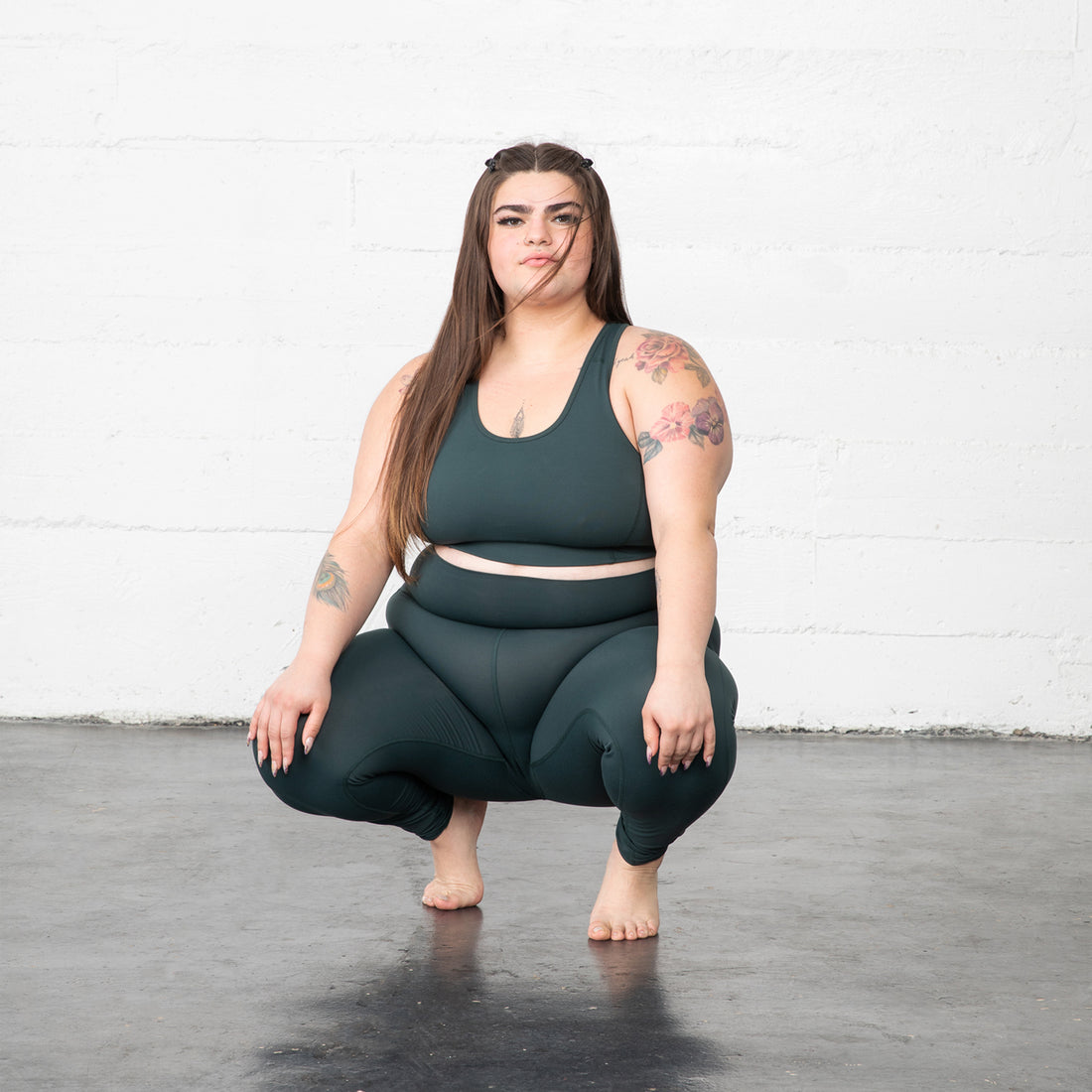
Credit: superfithero.com
Popular Brands For Workout Clothes
Many brands offer good workout clothes. Here are some well-known names and what makes them unique.
- Nike: Known for innovative fabrics and bold designs. Offers many options for all activities.
- Adidas: Focuses on performance and durability. Their Climalite and Aeroready lines are popular.
- Under Armour: Great for moisture-wicking and compression gear.
- Lululemon: Famous for yoga and studio wear, with soft fabrics and stylish cuts.
- Reebok: Affordable and functional, especially for strength training and CrossFit.
- Puma: Offers trendy designs and comfortable fits.
- ASICS: Best known for running gear, especially shoes and breathable tops.
Non-obvious insight: Some smaller brands specialize in eco-friendly fabrics, recycled materials, or local production. These can be good choices if you care about sustainability.
How To Care For Workout Clothes
Proper care extends the life of your workout gear.
- Wash soon after use: Sweat causes bacteria and odors.
- Use cold water: Hot water can damage elastic and fibers.
- Avoid fabric softener: It can coat fibers and reduce moisture-wicking ability.
- Air dry: Heat from dryers can shrink or damage clothes.
- Turn inside out: Protects colors and prints.
Beginner mistake: Tossing workout clothes in with heavy jeans or towels can cause pilling and wear. Wash separately when possible.
Buying Workout Clothes Online Vs. In-store
Both options have pros and cons. Here’s a quick comparison:
| Buying Method | Pros | Cons |
|---|---|---|
| Online | Wide selection, easy price comparison, convenience | No try-on, possible sizing issues, return hassle |
| In-Store | Try before buying, immediate purchase, personal help | Limited options, sometimes higher price, travel needed |
Tip: Look for brands with easy returns and clear size guides if you buy online.
Common Mistakes When Choosing Workout Clothes
Even experienced athletes make mistakes with workout gear. Here are some to avoid:
- Ignoring fabric quality: Cheap materials can cause discomfort and wear out quickly.
- Choosing style over function: Fashionable clothes may not be practical for your workout.
- Wrong size: Too tight or too loose clothes affect movement and performance.
- Not considering weather: Wearing summer gear in winter is risky.
- Skipping support: Especially important for women.
- Not checking pockets: Missing storage can be annoying.
- Forgetting about odor: Some materials hold smells more than others.
- Wearing old, worn-out clothes: This can cause skin problems and accidents.
Non-obvious insight: Sometimes people buy clothes for motivation—like a smaller size. This rarely works and can add stress. Choose what fits and feels good now.
Sustainable And Eco-friendly Workout Clothes
Interest in sustainable fitness wear is growing. Eco-friendly clothes use recycled materials, organic cotton, or low-impact dyes.
- Recycled polyester: Made from plastic bottles. Same performance, less waste.
- Organic cotton: Grown without harmful chemicals.
- Bamboo fabrics: Soft, breathable, and naturally antibacterial.
Tip: Look for certifications like OEKO-TEX or GOTS. These show the clothes meet high environmental standards.
How Much Should You Spend?
Workout clothes range from very cheap to very expensive. Here’s how to think about price:
- Budget options: Available at big stores. May lack durability.
- Mid-range: Brands like Nike or Adidas offer good quality at a fair price.
- Premium: Brands like Lululemon or boutique labels. High quality, stylish, but costly.
Beginner mistake: Spending too much on trendy gear and not enough on basics. Start with a few good items and build your wardrobe slowly.
Customization And Personalization
Some brands let you personalize workout clothes. This can include:
- Custom colors or prints.
- Embroidered names or logos.
- Adjustable features for unique fit.
Tip: Personalized gear can boost motivation and help you avoid mix-ups if you attend group workouts.
Accessories To Consider
Workout clothes are more than shirts and shorts. Accessories matter too.
- Headbands or hats: Keep sweat out of your eyes.
- Wristbands: Absorb sweat and protect wrists.
- Socks: Look for moisture-wicking and cushioned soles.
- Gloves: Useful for weightlifting or cycling.
- Arm sleeves: For sun protection or compression.
Beginner mistake: Ignoring accessories can lead to discomfort or injury.
The Science Behind Performance Clothing
Modern workout clothes are designed using science. Some features you might see:
- Compression: Helps blood flow and muscle recovery.
- Thermo-regulation: Adjusts to your body temperature.
- Antimicrobial treatment: Fights odor and bacteria.
Research from National Institutes of Health shows that compression wear can reduce muscle soreness and improve recovery time after intense workouts.
How To Build Your Workout Wardrobe
You don’t need a huge collection. Start with essentials:
- Two or three tops: Mix of short and long sleeves.
- Two pairs of bottoms: Shorts, leggings, or track pants.
- One sports bra (for women): Consider different support levels.
- One pair of shoes: Match your main activity.
- Accessories: Socks, headbands, gloves as needed.
Over time, add items for special weather, activities, or style.

Credit: www.aritzia.com
Frequently Asked Questions
What Fabrics Are Best For Workout Clothes?
Moisture-wicking fabrics like polyester, nylon, and spandex blends are best. These pull sweat away and keep you dry. Avoid pure cotton for intense exercise, as it holds moisture and can cause chafing.
How Can I Tell If My Workout Clothes Fit Properly?
Clothes should be snug but not tight. You should be able to move freely and not feel restricted. Try basic movements like squats or stretches to check the fit. Look for adjustable features like drawstrings or straps.
Are Expensive Workout Clothes Worth The Price?
Higher-priced clothes often use better fabrics and construction. They last longer and feel better. But you don’t need to buy only premium brands. Choose a mix of quality basics and one or two special items if you want.
How Do I Care For Workout Clothes To Keep Them Fresh?
Wash them soon after use, with cold water and mild detergent. Avoid fabric softeners and dryers. Air dry and turn clothes inside out to protect prints and colors. Separate from heavy items like jeans.
Can I Use The Same Workout Clothes For All Activities?
Some basics work for most activities, but specialized workouts need unique gear. For example, yoga needs stretchy clothes, running needs moisture-wicking tops, and swimming needs chlorine-resistant suits. Use the right clothes for each type of exercise.
Good workout clothes are not just about style. They help you move freely, stay comfortable, and perform your best. By understanding fabrics, fit, features, and care, you can build a workout wardrobe that fits your needs and supports your goals.
Smart choices in clothing can turn exercise into a more enjoyable and successful experience. If you invest wisely in your workout gear, you’ll notice the difference both in how you feel and how you perform. Remember, the right clothes are a key part of every fitness journey.
