

What are Good Workout Clothes? Top Picks for Comfort & Performance
What Are Good Workout Clothes
Choosing what to wear for exercise is more important than many people think. The right workout clothes can boost your confidence, keep you comfortable, and even help prevent injury. But with so many options in stores and online, it’s easy to feel lost.
Whether you’re a fitness beginner or someone who works out regularly, knowing what makes workout clothes “good” can change your experience. In this guide, you’ll discover how to pick the best workout clothes for your needs, which fabrics and fits work best for different activities, and why certain small details matter more than you expect.
Why Workout Clothes Matter
You might wonder, “Can’t I just wear any old t-shirt and shorts?” Technically, you can—but you’ll feel the difference once you try quality workout clothes. Good workout clothes are designed to:
- Support your movement so you don’t feel restricted.
- Manage sweat to keep you dry and comfortable.
- Prevent chafing and skin irritation.
- Reduce injury risk by offering the right fit and support.
- Boost motivation—when you look good, you often feel more eager to exercise.
Many beginners miss that workout clothes aren’t just about style. They are a tool for better performance and safety.
Key Features Of Good Workout Clothes
Not all workout clothes are the same. Here are the most important features that set the best apart from the rest.
Moisture-wicking Fabrics
Sweat is a part of exercise, but staying soaked is no fun. The best workout clothes use moisture-wicking fabrics that pull sweat away from your skin. This helps prevent rashes and chills.
Common moisture-wicking materials include:
- Polyester
- Nylon
- Bamboo blends
- Merino wool
Cotton, on the other hand, absorbs sweat and stays wet, which can feel heavy and uncomfortable.
Breathability
Breathable fabrics let air flow to your skin, which helps cool you down. Mesh panels or perforations in certain spots (like underarms or back) add extra airflow.
Fit And Mobility
Workout clothes should fit close to your body but not be too tight. Clothes that are too loose can get in the way, while clothes that are too tight can restrict movement and even cause circulation problems.
Try moving around in the clothes before buying—do a squat, reach up, twist. If anything pinches or rides up, it’s not the right fit.
Durability
Good workout clothes last. Look for:
- Double-stitched seams
- Reinforced knees and elbows (for yoga or CrossFit)
- High-quality zippers
Cheap clothes often lose their shape or break down quickly, costing more in the long run.
Odor Control
Some clothes have anti-microbial treatments or use natural fabrics like merino wool that stop bacteria from growing. This keeps your clothes (and you) smelling fresh, even after a tough workout.
Quick Drying
Even after you stop moving, you don’t want to stay damp. Quick-drying fabrics help you cool down faster and avoid that sticky feeling.
Support
For women, a good sports bra is non-negotiable. For men, supportive underwear or compression shorts can reduce discomfort. The right support prevents injury and makes movement easier.
Workout Clothes For Different Activities
What you wear depends on what you do. Here’s how to choose the right gear for popular activities.
Running
- Moisture-wicking tops and shorts or leggings
- Lightweight jackets for cold or rainy weather
- Reflective details for visibility if you run in low light
- Compression socks to reduce muscle fatigue
Yoga And Pilates
- Stretchy leggings or shorts that move with you
- Fitted tops that don’t slide up during poses
- Barefoot or grip socks for mat work
Weightlifting
- Breathable tanks or tees
- Flexible shorts or joggers (not too loose)
- Supportive shoes with flat soles
Cycling
- Padded shorts to protect against saddle soreness
- Fitted jerseys with back pockets
- Bright colors or reflectors for safety
High-intensity Interval Training (hiit)
- Sweat-wicking tops and shorts
- Compression gear for muscle support
- Stable shoes with good grip
Swimming
- One-piece swimsuits or trunks for less drag
- Rash guards for sun protection
- Quick-dry towels
Comparing Popular Workout Fabrics
Understanding the differences between materials helps you pick smarter. Here’s a side-by-side look at some common choices.
| Fabric | Moisture-Wicking | Breathability | Odor Control | Durability | Comfort |
|---|---|---|---|---|---|
| Polyester | Excellent | Good | Fair | High | Good |
| Cotton | Poor | Excellent | Fair | Medium | Soft |
| Merino Wool | Excellent | Good | Excellent | Medium | Very Soft |
| Nylon | Good | Good | Fair | High | Good |
| Bamboo Blends | Good | Excellent | Good | Medium | Very Soft |
Pro tip: Many high-end brands use blends of these fabrics to get the best mix of performance, comfort, and durability.
Credit: arkcitizens.com
The Importance Of Proper Fit
Some people buy workout clothes a size too big for comfort. This can cause problems. Baggy clothes can catch on equipment, get in the way, or even increase your injury risk. On the other hand, clothes that are too tight may restrict blood flow, cause chafing, or affect breathing.
When choosing your fit, consider:
- The type of exercise (yoga needs stretch, running needs freedom)
- How much coverage you want (modesty, sun protection)
- How the fabric moves with your body
Good fit also boosts confidence. When clothes sit right, you spend less time adjusting and more time focusing on your workout.
Essential Workout Clothing Items
Building a workout wardrobe doesn’t mean buying everything at once. Start with these essentials, then add as you discover what works best for you.
1. Workout Tops
Choose short or long sleeves based on your climate and activity. Look for flat seams, moisture-wicking fabric, and a fit that doesn’t ride up.
2. Workout Bottoms
Options include:
- Leggings (great for flexibility and coverage)
- Shorts (good for high-heat and running)
- Track pants/joggers (better for cool weather or outdoor workouts)
3. Sports Bra
For women, this is crucial. The best sports bras offer both comfort and the right level of support, depending on impact (low, medium, or high).
4. Underwear
Seamless, moisture-wicking underwear prevents chafing and keeps you dry. Some people skip underwear with certain leggings or shorts—this is a personal choice.
5. Socks
Choose athletic socks that cushion and wick moisture. Avoid regular cotton socks, which can cause blisters.
6. Shoes
Your shoes should match your activity:
- Running shoes for running
- Cross trainers for gym workouts
- Flat shoes for weightlifting
7. Outerwear
A lightweight jacket, windbreaker, or hoodie is useful for outdoor workouts or going to and from the gym.
8. Accessories
- Headbands or sweatbands to keep sweat out of eyes
- Gloves for weightlifting or cycling
- Compression sleeves for arms or legs
How To Choose The Right Workout Clothes
With so many options, how do you choose? Focus on these steps:
- Know your activity: High-impact workouts need more support. Yoga and Pilates need stretch and comfort.
- Check the fabric: Look for moisture-wicking, breathable materials.
- Get the fit right: Test movement before buying. Try on if possible.
- Think about layers: For outdoor workouts, layer clothes for easy temperature control.
- Look for practical features: Pockets for keys, zippers, or reflective details can make a big difference.
- Don’t ignore color: Dark colors hide sweat, while light colors reflect heat.
- Set a budget: Higher price often means higher quality, but some mid-range brands offer great value.
Many people overlook that different brands fit differently—even with the same size label. Always check return policies if shopping online.
Common Mistakes When Choosing Workout Clothes
Learning from others’ mistakes can save you time and money.
- Choosing style over function: Trendy looks matter, but comfort and performance come first.
- Ignoring the care label: Some fabrics need special washing. If you don’t want to hand wash, choose low-maintenance items.
- Wearing regular bras or underwear: These can lead to discomfort or injury during high-impact workouts.
- Buying one-size-fits-all: Everyone’s body is different. Try before you buy or check sizing charts carefully.
- Not considering weather: For outdoor exercise, you’ll need layers, sun protection, or waterproof options.
- Sticking with cotton: Cotton holds sweat, gets heavy, and can cause chafing.
How Good Workout Clothes Improve Performance
The right clothes do more than look good. Here’s how they help you perform better.
- Temperature regulation: Breathable, moisture-wicking fabrics keep your body at a stable temperature, so you don’t overheat or get too cold.
- Reduced friction: Seamless or flat-seam designs prevent rubbing, letting you move freely.
- More confidence: When you like what you wear, you’re more likely to stick with your workout plan.
- Better support: Sports bras, compression shorts, and proper shoes keep your body safe and supported.
A small detail, like a shirt with reflective strips or shorts with a hidden pocket, can make your workout smoother and more enjoyable.
Environmental And Ethical Factors
Many people now care about how their clothes are made. Some workout clothes use recycled materials, ethical labor, or eco-friendly dyes.
Brands are starting to offer:
- Recycled polyester made from plastic bottles
- Organic cotton grown with fewer chemicals
- Certifications like Fair Trade or OEKO-TEX
These options can cost more, but they’re better for the planet and often higher quality.
Caring For Your Workout Clothes
Proper care extends the life of your gear and keeps it working well. Here’s how to look after your workout clothes:
- Wash soon after wearing to remove sweat and bacteria.
- Turn clothes inside out before washing—protects colors and prints.
- Use cold water and mild detergent to avoid damaging technical fabrics.
- Skip fabric softener—it can block moisture-wicking properties.
- Air dry when possible. Heat from dryers can break down elastic and fibers.
Non-obvious tip: If your clothes develop a smell that won’t wash out, try soaking them in a mixture of vinegar and water before washing.
Comparing Workout Clothes For Men And Women
While some workout clothes are unisex, many are designed for the specific needs of men or women. Here’s how they compare:
| Feature | Men's Workout Clothes | Women's Workout Clothes |
|---|---|---|
| Fit | Looser tops, longer shorts | Fitted tops, leggings, shorter shorts |
| Support | Compression shorts, jockstraps | Sports bras, built-in support |
| Design | Simple colors, fewer patterns | Variety of colors, patterns, styles |
| Features | Larger pockets, fly in shorts | Hidden pockets, high-rise waistbands |
| Common Materials | Polyester, nylon blends | Polyester, spandex blends |
Experience tip: Women often need to try several sports bra styles before finding the right one. Men may benefit from compression shorts to reduce chafing.
How To Build Your Workout Wardrobe On A Budget
You don’t need to spend a fortune. Here’s how you can save money but still get quality workout clothes:
- Start with basics: Buy 2-3 tops, 2 bottoms, 1-2 sports bras, and one pair of shoes.
- Shop sales: Major brands have seasonal sales where you can get high-quality items for less.
- Try discount stores: Some offer well-known brands at a fraction of the price.
- Look for multi-use items: Clothes that work for both gym and casual wear save money.
- Buy off-season: Winter clothes are cheaper in summer and vice versa.
Non-obvious insight: Some outlets or online stores have “last season” colors for much less, but the same quality.
Special Features To Look For
Some workout clothes come with extra features that make life easier:
- Reflective strips: Essential for outdoor workouts in low light.
- Hidden pockets: Perfect for keys, cards, or phones.
- Thumb holes: Keep sleeves in place and hands warm.
- Adjustable drawstrings: Help pants or shorts stay put.
- UV protection: Blocks harmful sun rays if you exercise outside.
- Antimicrobial treatment: Reduces odor and bacteria growth.
Always check if these features fit your real needs—don’t pay extra for things you won’t use.
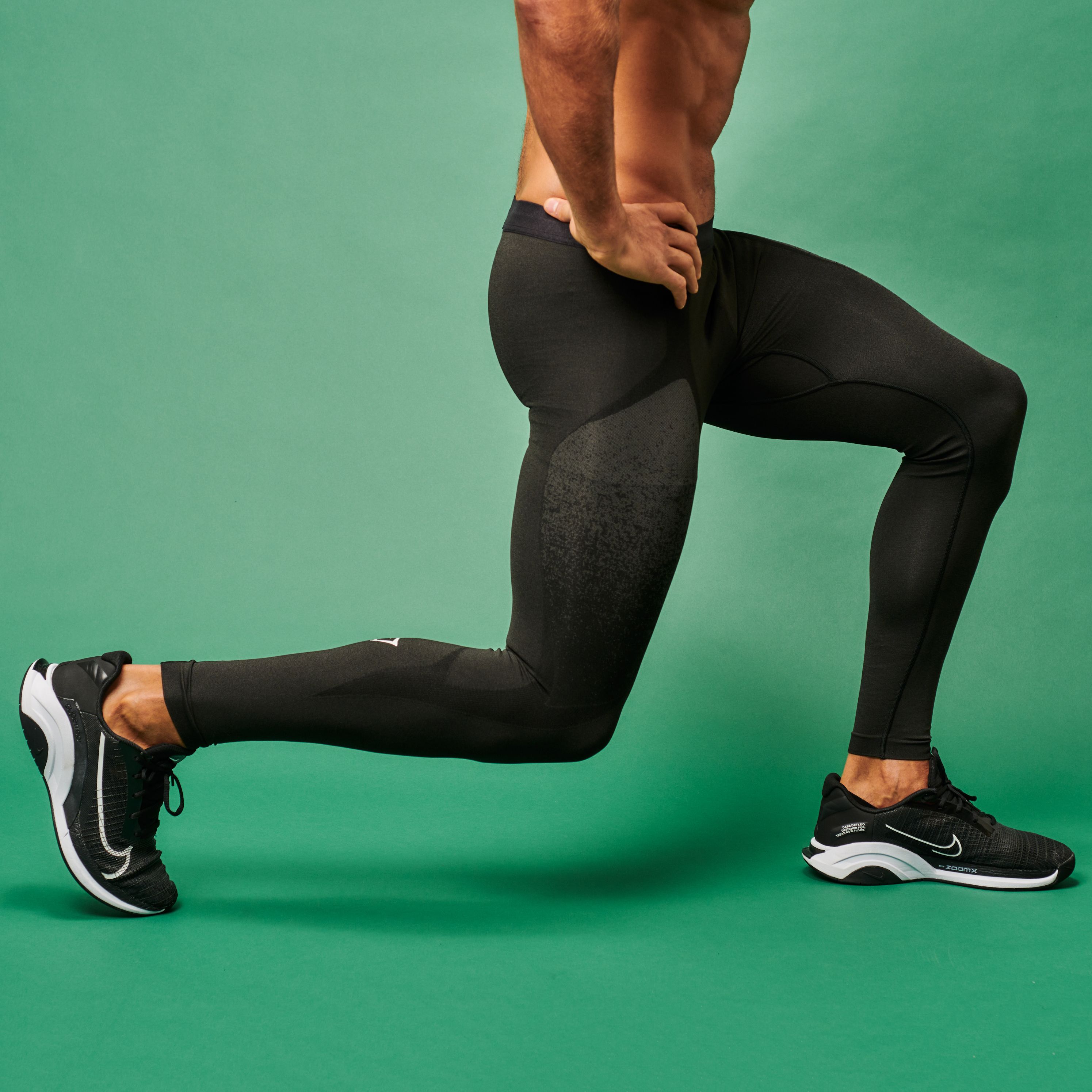
Credit: britogallo.es
Real-life Examples And Stories
People who switch from basic t-shirts and shorts to proper workout gear often report:
- Longer, more comfortable workouts: No more stopping to adjust clothing.
- Less skin irritation: Especially during high-sweat or high-movement activities.
- Fewer injuries: Supportive shoes and bras prevent common problems.
- Higher confidence: Feeling “the part” makes it easier to show up and keep going.
One runner shared that after changing from cotton to moisture-wicking shirts, she could run twice as far without feeling cold or weighed down. Another gym-goer found that compression shorts stopped his inner thigh chafing, letting him focus on lifting.
How To Test Workout Clothes Before Buying
If you can try on before buying, do these quick checks:
- Move around: Squat, stretch, jump—do your planned exercise.
- Check for transparency: Make sure leggings or shorts aren’t see-through when you bend.
- Look for seams: Run your hand along the inside to check for rough or raised seams.
- Double-check pockets: Make sure they’re usable and don’t bounce.
- Inspect labels: Confirm fabric content and care instructions.
If buying online, read reviews, check sizing charts, and look for stores with easy returns.
How Fashion And Trends Affect Workout Clothes
Workout clothes are now a big part of street fashion. Brands release new colors, patterns, and styles every season. While it’s fun to look stylish, don’t let trends distract from comfort and function.
Popular trends include:
- Bold patterns and prints
- High-waisted leggings
- Crop tops
- Bright, neon colors
- Seamless construction
If you like fashion, look for brands that combine both style and performance. But always test for comfort first.
When To Replace Workout Clothes
Even the best clothes wear out. Signs it’s time to replace:
- Fabric thinning or holes
- Loss of stretch or shape
- Persistent odor even after washing
- Broken zippers or seams
- Less support from bras or waistbands
Worn-out workout gear can cause discomfort or even injury. Replace as needed, not just when things look bad.
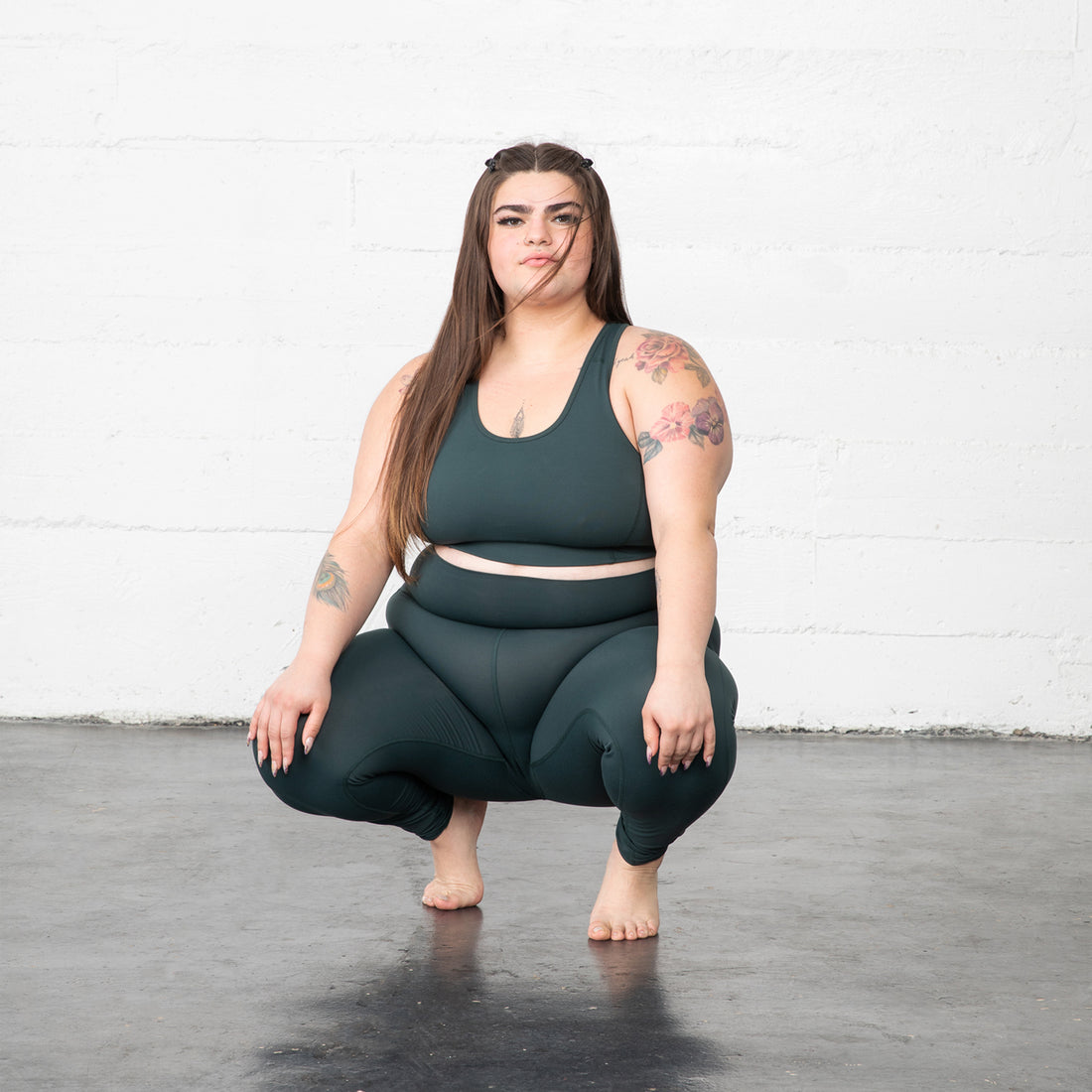
Credit: superfithero.com
Where To Buy Good Workout Clothes
You can buy workout clothes at:
- Sporting goods stores
- Brand outlets
- Online retailers
- Discount shops
Look for brands with a reputation for quality and fair return policies. Some online reviews offer honest feedback about fit, quality, and sizing.
If you want expert research and reviews, you can check resources like the Consumer Reports for independent advice.
Frequently Asked Questions
What Is The Best Fabric For Workout Clothes?
The best fabrics are moisture-wicking and breathable. Polyester and nylon blends work well for most activities. For odor control and softness, merino wool is excellent, especially for outdoor workouts.
How Often Should I Wash My Workout Clothes?
Wash them after every use, especially if you’ve sweat a lot. This prevents bacteria and odor from building up. Use cold water and avoid fabric softener.
Can I Wear Cotton For Exercise?
Cotton is soft and comfortable but absorbs sweat. For light activities, it’s okay, but for heavy exercise, cotton can cause chafing and feel heavy. Technical fabrics are usually better.
Do I Need Special Clothes For Different Sports?
Yes, some sports need special gear. For example, running needs reflective, lightweight clothes; cycling needs padded shorts; yoga needs stretchy, fitted clothes. Choose based on your main activity.
How Do I Know If My Sports Bra Fits Well?
A good sports bra should feel snug but not tight. The band should not ride up, and straps should not dig into your shoulders. Jump and move—if you feel well supported without discomfort, you’ve found the right fit.
Choosing good workout clothes isn’t just about looking fit—it’s about making your workout safe, comfortable, and enjoyable. The right gear can keep you coming back for more, helping you reach your fitness goals with confidence and style.
