

What are Business Casual Shirts for Men? A Complete Style Guide
Business casual is a term often heard in modern workplaces and social settings. But what does it really mean, especially when it comes to shirts for men? Many people are confused about the rules and options. Some worry about looking too formal, others fear being too relaxed.
In truth, business casual shirts offer great flexibility and comfort, without sacrificing style. Understanding the basics and the details can help you dress confidently for almost any situation. Let’s explore what business casual shirts for men really are, how to choose them, and how to wear them well.
What Defines Business Casual Shirts For Men?
Business casual is a dress code that sits between formal business wear and everyday casual clothing. It’s less strict than classic suits, but more polished than jeans and t-shirts. For men, shirts are the centerpiece of business casual style. But not every shirt fits the bill.
The key features of business casual shirts include:
- Collared design (like button-downs or polos)
- Clean, neat appearance
- Comfortable fit (not too tight, not too loose)
- Simple patterns or solid colors
- Quality materials such as cotton, linen, or blends
A shirt that is too formal, like a dress shirt with French cuffs, may look out of place. On the other hand, a graphic tee or sports jersey is too relaxed. Business casual shirts strike a balance, helping you look professional and approachable.
Types Of Business Casual Shirts
There are several main types of shirts men can wear in business casual settings. Each offers a different look and level of comfort.
Button-down Shirts
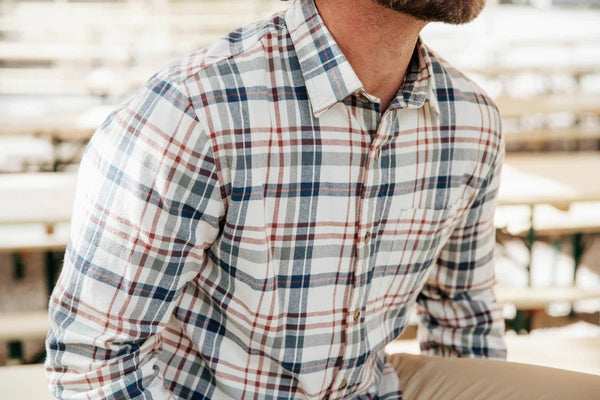
Button-down shirts are the most common choice for business casual. They have a collar, buttons down the front, and can be worn tucked or untucked. Most are made from cotton, sometimes blended with synthetic fibers for easy care.
Button-downs come in many styles:
- Solid colors (like white, blue, gray)
- Light patterns (checks, stripes, small prints)
- Slim or regular fit
A classic white or light blue button-down is safe for nearly any office. Patterns add personality, but avoid anything too loud.
Polo Shirts
Polo shirts have a soft collar and a few buttons at the neck. They’re usually made from knitted cotton, called piqué. Polos are less formal than button-downs, but still look neat and stylish.
Polos work well in creative or tech workplaces, or when the weather is warm. Choose solid colors or subtle stripes. Avoid large logos or bold graphics.
Oxford Shirts
An Oxford shirt is a type of button-down made from Oxford cloth, a thicker fabric with a slight texture. It’s more casual than a dress shirt, but still sharp enough for most offices.
Oxford shirts are durable and comfortable. They often come in pale colors, like light pink, blue, or white. They can be worn with or without a tie.
Dress Shirts (relaxed Styles)
Some dress shirts can fit business casual if you avoid stiff fabrics, shiny finishes, or French cuffs. Look for simple, breathable materials and basic colors.
Dress shirts in business casual settings should not look too formal. Skip the tie unless the occasion demands it.
Short-sleeve Shirts
Short-sleeve button-downs are suitable in warmer months. They must have a collar and a structured look. Hawaiian shirts or loud prints don’t work for business casual.
Keep short-sleeve shirts simple. Pair with chinos or tailored trousers for a balanced outfit.
Henley Shirts
Henleys are collarless shirts with a few buttons at the neck. They’re more casual, but in some workplaces, a clean, solid Henley can pass for business casual. This is common in startups or creative fields.
Pair Henleys with smart trousers or dark jeans to keep the look professional.
Materials And Fabrics
The fabric of a shirt affects both comfort and appearance. Business casual shirts use materials that feel good and look neat.
Common Fabrics
- Cotton: Soft, breathable, easy to care for. Ideal for all seasons.
- Linen: Light, airy, perfect for summer. Wrinkles easily, so best for relaxed offices.
- Polyester blends: Less wrinkling, often cheaper. Can be less comfortable in hot weather.
- Oxford cloth: Durable, slightly textured. Great for everyday wear.
- Poplin: Smooth and lightweight, good for dress shirts.
Why Fabric Matters
A shirt’s material affects how it sits on the body and how it handles sweat or heat. Cotton is popular because it’s comfortable and looks crisp. Linen is cooler, but wrinkles quickly. Polyester blends are easy to care for, but can feel less luxurious.
Choose fabric based on your climate, office culture, and personal comfort.
Colors And Patterns
Business casual shirts for men are usually more colorful than formal shirts, but not flashy.
Safe Colors
- White
- Light blue
- Gray
- Pale pink
- Navy
- Light green
These colors are easy to match with pants and jackets. They create a clean, professional look.
Acceptable Patterns
- Thin stripes
- Small checks
- Micro prints
Patterns should be subtle. Avoid big, bold designs or bright neon shades.
Matching Colors
A good rule: Pair a light shirt with dark pants, or vice versa. For example, a pale blue shirt works with navy trousers. Avoid shirts and pants that are too similar in color, which can look dull.
Fit And Sizing
A shirt’s fit is more important than its brand or price. A well-fitted shirt looks sharp, while a baggy or tight shirt looks sloppy.
Types Of Fits
- Slim fit: Closer to the body, good for athletic builds.
- Regular fit: More room, comfortable for most men.
- Relaxed fit: Extra space, best for very casual offices.
How To Check Fit
- Shoulders: The seam should sit at the edge of your shoulder.
- Sleeves: End at your wrist bone (for long sleeves).
- Body: Enough room to move, but no billowing fabric.
- Length: Long enough to tuck in, but not too long if left untucked.
Try shirts before buying, or check size charts carefully. Many brands have different sizing, so don’t rely only on “medium” or “large” labels.
Business Casual Shirt Vs. Formal Shirt Vs. Casual Shirt
Understanding the differences helps you choose the right shirt for the occasion.
| Shirt Type | Collar | Material | Fit | Appropriate Settings |
|---|---|---|---|---|
| Business Casual | Standard, soft | Cotton, linen, blends | Slim/regular/relaxed | Office, meetings, events |
| Formal Dress Shirt | Stiff, structured | Poplin, twill | Slim/regular | Formal events, interviews |
| Casual Shirt | Soft/none | Cotton, polyester | Relaxed/loose | Social, weekend |
Business casual shirts are designed to be flexible. They look professional but are comfortable enough for daily wear.
Credit: www.mountainkhakis.com
How To Style Business Casual Shirts
Wearing a business casual shirt isn’t just about picking the right shirt. You need to style it well for a complete look.
Pairing With Pants
Business casual shirts work best with:
- Chinos
- Dress slacks
- Dark jeans (in relaxed offices)
Avoid ripped jeans, shorts, or sweatpants. Chinos in beige, navy, or olive are versatile. Dress slacks add a touch of formality.
Layering
Layering adds style and warmth. Try:
- Lightweight sweaters
- Cardigans
- Blazers (without a tie)
- Vests
Keep layers simple. Avoid bulky or sporty jackets.
Shoes
Business casual shoes include:
- Loafers
- Derby shoes
- Brogues
- Clean sneakers (for creative offices)
Avoid sandals, flip-flops, or athletic shoes.
Accessories
Accessories should be minimal. Choose:
- Leather belts
- Simple watches
- No flashy jewelry
A neat, clean look is always best.
Common Business Casual Shirt Mistakes
Even experienced dressers make mistakes. Here are some to avoid:
- Wearing wrinkled shirts: Always iron or steam shirts before wearing.
- Choosing loud patterns: Stick to subtle designs.
- Ignoring fit: Baggy shirts look sloppy. Tight shirts are uncomfortable.
- Mixing casual and formal styles: Don’t wear a business casual shirt with gym shorts or sneakers.
- Over-accessorizing: Keep it simple. Too much jewelry distracts.
- Using shirts with stains or holes: Business casual is about neatness.
A less obvious mistake is picking shirts with flashy buttons or too many pockets. These draw attention and make the shirt look less professional.
Business Casual Shirts For Different Body Types
Not every shirt works for every man. Your body shape affects which styles suit you best.
Athletic Build
Slim fit shirts highlight the body’s shape. Stretch fabrics can help for comfort. Avoid shirts that are too tight in the chest or arms.
Larger Build
Regular or relaxed fit shirts are better. Look for shirts with a straight cut. Avoid clingy fabrics. Vertical stripes can help create a slimmer look.
Tall Men
Longer shirts prevent untucking during the day. Check sleeve and body length carefully.
Shorter Men
Shorter shirts help avoid bunching. Choose smaller collars and avoid large patterns.
Business Casual Shirts In Different Workplaces
Every workplace has its own culture. What works in one office may not fit another.
Corporate Offices
Stick to classic button-downs, oxford shirts, and muted colors. Polos are sometimes allowed, but avoid casual styles.
Tech Startups
More freedom. Polos, Henleys, and even clean t-shirts may work. Bright colors and patterns are more acceptable.
Creative Agencies
Fashion-forward looks are common. Try shirts with micro prints, modern colors, and relaxed fits.
Retail Or Hospitality
Short-sleeve shirts, polos, and dark jeans are often allowed. Keep shirts neat and wrinkle-free.
Business Casual Shirt Care And Maintenance
A good shirt only looks good if it’s cared for properly.
Washing
Check the label. Most cotton shirts can be machine washed. Use cold water to prevent shrinking. Hang shirts to dry if possible.
Ironing
Iron shirts while slightly damp for best results. Use the right heat setting for the fabric.
Storing
Hang shirts to prevent wrinkles. Fold only if space is limited. Avoid stuffing shirts in drawers.
Handling Stains
Treat stains quickly. Use a stain remover or mild soap. Avoid bleach unless the shirt is pure white.
Price Range And Value
Business casual shirts come in many price ranges. Quality does not always mean expensive.
| Price Range | Typical Features | Recommended For |
|---|---|---|
| $20–$40 | Cotton blends, basic colors, mass-produced | Budget buyers, students |
| $40–$80 | Better fabrics, more styles, improved fit | Most office workers |
| $80–$150 | Premium cotton, linen, custom fit, unique designs | Professionals, style-conscious buyers |
Look for sales or outlet stores to find quality shirts at lower prices. Many brands offer discounts throughout the year.
Sustainable And Ethical Choices
Sustainability is important to many buyers. Brands now offer business casual shirts made from organic cotton, recycled materials, or produced in fair labor conditions.
Look for shirts with certifications like:
- Fair Trade
- Organic Cotton
- OEKO-TEX
These options may cost more, but they help protect the environment and ensure fair treatment for workers.
How To Build A Business Casual Shirt Wardrobe
Having a few versatile shirts makes dressing easier.
- Start with basic colors (white, blue, gray)
- Add one or two patterned shirts
- Include at least one polo or short-sleeve option
- Choose shirts in different fabrics for all seasons
- Make sure every shirt fits well
With five to seven shirts, you can mix and match for most workdays.
Business Casual Shirt Trends
Business casual is always evolving. Some current trends include:
- Soft, stretchy fabrics for comfort
- Micro prints (tiny patterns)
- Earth tones (olive, brown, beige)
- Minimalist designs with clean lines
- Tech fabrics that resist stains and wrinkles
Trends change, but basics remain important. Always choose shirts that fit your personal style and workplace.
Practical Tips For Buying Business Casual Shirts
Many buyers make mistakes when shopping. Here are tips to help:
- Try shirts on before buying. If online, check return policies.
- Buy shirts in person to check fabric and fit.
- Don’t rely only on brand names. Quality varies.
- Watch out for hidden costs (dry cleaning, special care).
- Consider shirts with easy-care features (wrinkle resistance).
- Check reviews before buying new brands.
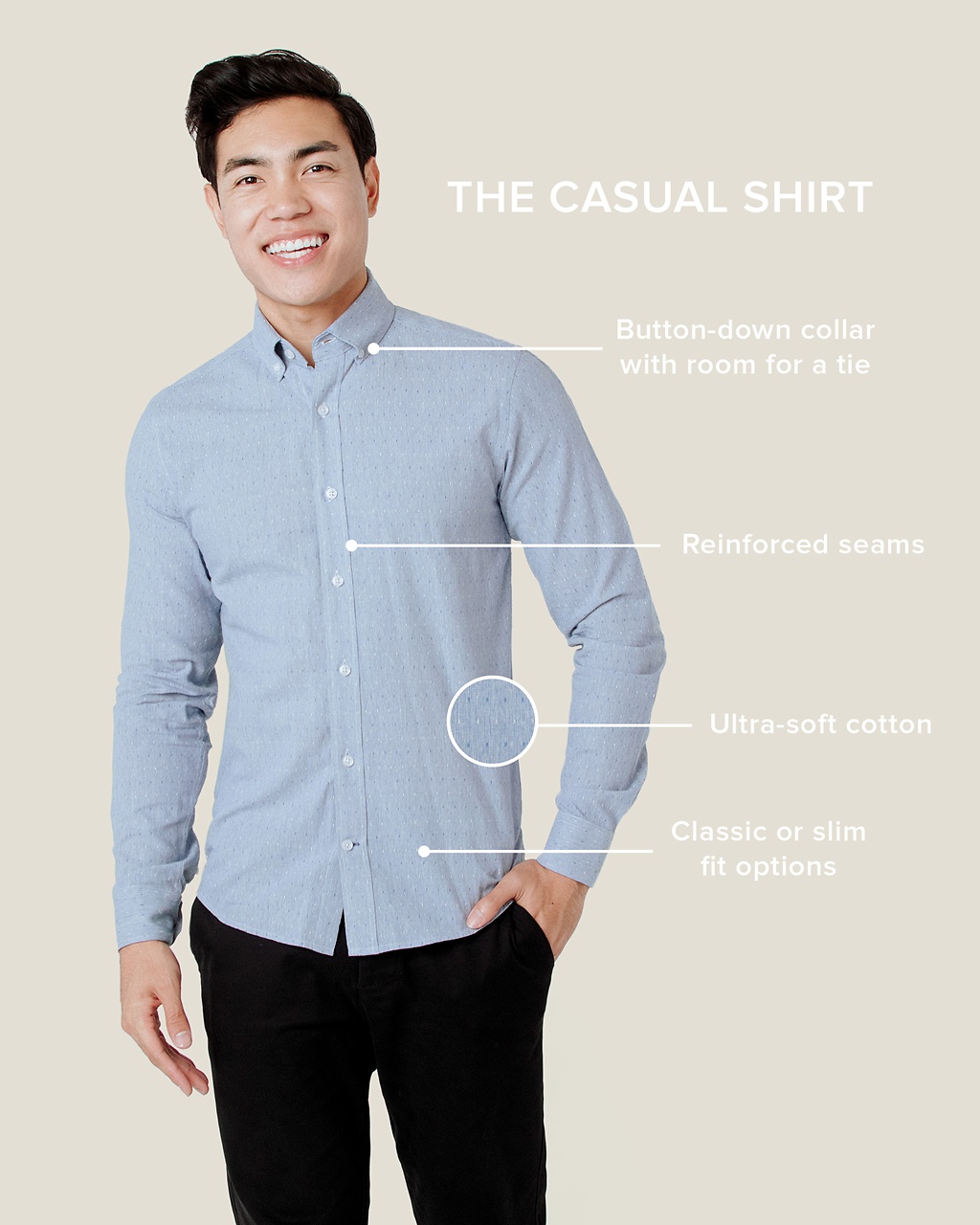
A less obvious tip: Always check collar and sleeve details. Some shirts have hidden buttons or adjustable cuffs, which can help customize the fit.
Credit: www.ties.com
Real-life Examples
Let’s look at how different men use business casual shirts in daily life.
- Office manager: Wears light blue button-downs with chinos. Adds a navy sweater for meetings.
- Tech worker: Chooses gray polos and dark jeans. Swaps in an oxford shirt for client days.
- Retail staff: Uses short-sleeve shirts and black slacks. Keeps shirts wrinkle-free for a neat look.
- Creative designer: Picks patterned shirts with slim fit. Pairs with colored trousers for style.
Each person adapts business casual to their role, but all focus on neatness and comfort.
Business Casual Shirts For Travel
Traveling for work? Choose shirts that are easy to pack and care for.
- Wrinkle-free fabrics make life easier.
- Neutral colors match with many pants.
- Pack shirts that can be worn tucked or untucked.
- Roll shirts instead of folding to prevent creases.
A practical tip: Hang shirts in the bathroom while you shower. Steam helps remove wrinkles.
Benefits Of Business Casual Shirts
Business casual shirts have clear advantages:
- Comfort for long workdays
- Flexibility for different events
- Easy to style with other clothes
- Professional appearance without stiffness
- Variety of colors and fabrics
Compared to formal shirts, business casual options let you show personality. Compared to casual shirts, they help you look ready for any meeting.
Where To Find Business Casual Shirts
You can buy business casual shirts in many places:
- Department stores
- Online retailers
- Specialty menswear shops
- Outlet malls
Check local brands for unique styles. For more guidance, visit GQ Style Guide for expert advice.

Credit: northrepublic.com
Frequently Asked Questions
What Is The Difference Between A Business Casual Shirt And A Formal Shirt?
A business casual shirt is less structured and uses softer fabrics. Formal shirts often have stiff collars, shiny materials, and are worn with ties or suits. Business casual shirts focus on comfort and flexibility, while formal shirts are for special occasions or strict offices.
Can I Wear A Polo Shirt As Business Casual?
Yes, in many workplaces, a polo shirt is accepted as business casual. Make sure it’s clean, fits well, and doesn’t have large logos. Pair it with chinos or dress slacks for a polished look.
Are Short-sleeve Shirts Allowed For Business Casual?
Short-sleeve button-downs are usually fine, especially in warmer climates or relaxed offices. Avoid shirts with loud prints. Choose subtle colors and pair with smart pants.
How Many Business Casual Shirts Should I Own?
A basic wardrobe needs five to seven shirts. This covers a full work week, gives variety, and lets you rotate for laundry. Start with basic colors, then add patterned or seasonal shirts as needed.
Do Business Casual Shirts Need To Be Tucked In?
It depends on the shirt and the office. Button-downs and dress shirts are often tucked in. Polos and some short-sleeve shirts can be worn untucked if they are the right length. Always check your workplace’s dress code.
Business casual shirts for men offer a smart, comfortable way to dress for work and many social events. Understanding the different types, fabrics, and styles helps you build a wardrobe that fits your needs. Choose shirts that fit well, match your environment, and express your personality.
With the right choices, you’ll feel confident and look great every day.
