

What are Business Casual Outfits for Men: Essential Style Guide
What Are Business Casual Outfits For Men
Business casual is a phrase you’ll see everywhere—from job listings to event invitations. But what does it actually mean for men? Many people get confused because business casual is not as formal as a suit, but it’s not as relaxed as jeans and a T-shirt. The challenge is finding the right balance between smart and comfortable. If you want to look good at work, fit in at networking events, or make a great impression in meetings, understanding business casual can be a game changer.
Let’s explore what business casual outfits for men really are, which pieces you need, and how you can wear them with confidence. Whether you’re updating your wardrobe or starting from scratch, you’ll find practical advice here to help you dress right for any business casual occasion.
What Does Business Casual Really Mean?
Business casual is a style of dress that sits between formal business wear and casual weekend outfits. It’s professional but not stiff, stylish but not flashy. For men, it usually means swapping a full suit and tie for more relaxed pieces like dress shirts, chinos, and blazers. The goal is to look polished and put together, but also approachable.
Key Elements Of Business Casual
- No suit required: You can skip the full matching suit. Instead, wear smart trousers or chinos.
- Dress shirts are common: Usually with a collar, but not always with a tie.
- Blazers or sport coats: Optional, but add a sharp look.
- Leather shoes or loafers: Sneakers are usually too casual.
- Neutral colors: Navy, gray, brown, and white are safe choices.
- Avoid shorts, T-shirts, and flip-flops: These are too informal for business casual.
Business casual can change depending on your location, company culture, or even the day of the week. In some tech companies, dark jeans and a polo might be fine. In traditional offices, you may need a blazer and formal shoes.
Always consider the environment.
Essential Business Casual Pieces For Men
Building a business casual wardrobe doesn’t have to be difficult or expensive. Focus on classic items that you can mix and match. Here are the main pieces every man should consider:
Dress Shirts
A dress shirt is the foundation of business casual. Choose shirts in solid colors like white, light blue, or pale pink. Subtle patterns like stripes or checks can also work. The shirt should fit well—neither too loose nor too tight.
Chinos And Dress Pants
Chinos are a business casual favorite. They’re more relaxed than dress pants but still look sharp. Stick with neutral colors such as khaki, navy, or gray. Dress pants in wool or cotton blends are also good choices.
Blazers And Sport Coats
Adding a blazer or sport coat instantly upgrades your look. Choose a classic color like navy or charcoal. Avoid shiny fabrics and stick to simple designs.
Knitwear
Sweaters and cardigans are perfect for layering. A lightweight V-neck or crewneck sweater over a dress shirt looks smart and is practical for cooler weather.
Polos And Button-downs
On more casual days, a polo shirt or button-down Oxford can work. Polos should be plain and well-fitted. Button-downs can be tucked in or left out, depending on the dress code.
Shoes
Leather shoes are best for business casual. Options include:
- Oxfords
- Derbies
- Loafers
- Brogues
Suede shoes and clean, minimalist sneakers might be acceptable in some creative workplaces, but check your company’s policy first.
Accessories
Keep accessories minimal and classic. A leather belt, dress watch, and a simple briefcase or messenger bag are safe choices. Avoid flashy jewelry or loud patterns.

Credit: stylegirlfriend.com
How To Combine Business Casual Outfits
Knowing how to mix and match is just as important as owning the right pieces. Here are some sample outfit combinations:
- Dress Shirt + Chinos + Loafers: Simple, comfortable, and always appropriate.
- Dress Shirt + Sweater + Dress Pants + Oxfords: Great for cooler days or meetings.
- Blazer + Polo + Chinos + Brogues: Modern, sharp, and not too formal.
- Button-Down + Cardigan + Dress Pants + Loafers: A softer look, perfect for creative offices.
When combining outfits, balance colors and patterns. If your shirt has a bold pattern, keep your pants and blazer neutral. Avoid mixing too many patterns in one look.
Business Casual Vs. Other Dress Codes
Business casual is only one type of office dress code. It helps to know how it compares to others. Here’s a quick overview:
| Dress Code | Typical Clothing | Formality Level |
|---|---|---|
| Formal/Business Professional | Suit, tie, dress shoes | Most formal |
| Business Casual | Dress shirt, chinos, blazer (optional) | Moderate |
| Smart Casual | Polo, clean jeans, loafers | Less formal |
| Casual | Jeans, T-shirt, sneakers | Least formal |
A key insight: Some offices use “business casual” and “smart casual” interchangeably, but business casual usually excludes jeans and sneakers.
Choosing Colors And Fabrics
The right colors and fabrics can make a big difference in your business casual look.
Best Colors
Stick to neutral and classic colors for your main pieces:
- Navy
- Gray
- Khaki
- White
- Light blue
- Brown
You can add a pop of color with a tie, pocket square, or sweater, but avoid anything too bright or distracting.
Fabrics
Choose comfortable, breathable fabrics. Cotton is the most common, but wool blends, linen, and lightweight knits also work well. For summer, linen shirts and lighter weaves keep you cool. In winter, opt for wool or cashmere sweaters.
Layering For Business Casual
Layering is a smart way to add depth to your outfit and adapt to changing temperatures. Start with a dress shirt, then add a sweater or cardigan. Finish with a blazer if needed. Each layer should fit well—bulky sweaters or tight blazers ruin the look.
A practical tip: Always make sure your shirt collar sits neatly under your sweater or blazer. A messy collar can make you look unprofessional.
Business Casual Mistakes To Avoid
Even experienced professionals make mistakes with business casual. Here are some common errors—and how to avoid them:
- Wearing wrinkled clothes: Always iron or steam your shirts and pants. Wrinkles look sloppy.
- Poor fit: Clothes should skim your body, not cling or sag. Tailor if needed.
- Choosing loud patterns: Keep prints subtle. Loud designs look less professional.
- Forgetting about shoes: Dirty or worn-out shoes ruin an outfit. Keep them clean and polished.
- Mixing too many colors: Stick to 2-3 main colors per outfit.
- Ignoring the company culture: Some offices are stricter than others. When in doubt, dress up a bit more.
Business Casual For Different Seasons
Your business casual wardrobe should adapt to the weather. Here’s how to dress smart all year round:
Spring/summer
- Lightweight cotton or linen shirts
- Chinos in lighter colors
- Unlined blazers or sport coats
- Loafers or suede shoes (no socks for a relaxed look)
- Avoid heavy fabrics or dark layers
Fall/winter
- Wool or cashmere sweaters
- Dress shirts in thicker fabrics
- Blazers in tweed or wool
- Darker colors like navy, burgundy, and forest green
- Layer with scarves or overcoats
Always check the weather forecast and plan your outfit accordingly.
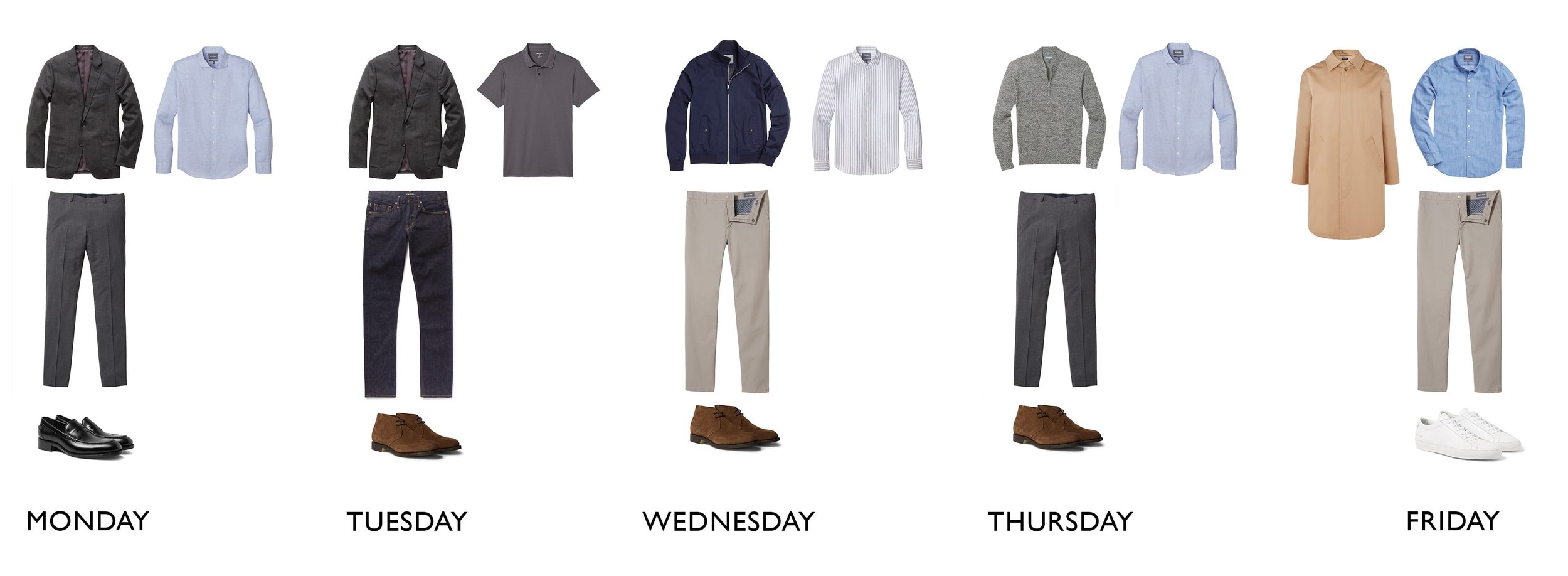
Credit: www.theessentialman.com
Adapting Business Casual For Different Workplaces
Not every workplace has the same idea of business casual. Here’s how to adapt:
Traditional Corporate Offices
These offices often expect the “smarter” side of business casual. Stick with:
- Dress shirts (tucked in)
- Dress pants or chinos
- Blazer or sport coat
- Leather shoes
Avoid polos, untucked shirts, or sneakers.
Creative Agencies Or Tech Companies
These workplaces are usually more relaxed. You might see:
- Polos or clean, well-fitted T-shirts (on casual Fridays)
- Dark jeans (if allowed)
- Minimalist sneakers
- Cardigans instead of blazers
Still, avoid shorts or athletic wear.
Client Meetings Or Events
Always dress a notch above everyday business casual. A blazer, dress pants, and leather shoes show respect for clients.
How To Buy Business Casual Clothes
Shopping for business casual doesn’t have to be overwhelming or expensive. Here’s a step-by-step approach:
- Start with basics: Buy two or three dress shirts, two pairs of chinos, and one pair of classic shoes.
- Choose quality over quantity: Well-made clothes last longer and look better.
- Try clothes on: Fit is more important than the brand.
- Buy versatile pieces: Neutral colors and simple designs work in many combinations.
- Add layers: A blazer or sweater gives you more options.
A non-obvious tip: Pay attention to the care instructions. Some fabrics need dry cleaning, which adds cost and hassle.
Business Casual Outfits: Real-world Examples
Seeing real outfits can make it easier to understand business casual. Here are three example combinations for different occasions.
Everyday Office Look
- Light blue dress shirt (tucked in)
- Khaki chinos
- Brown leather loafers
- Brown leather belt
- Simple analog watch
Meeting Or Presentation
- White dress shirt
- Navy blazer
- Gray dress pants
- Black Oxfords
- Matching black belt
Casual Friday
- Slim-fit polo (solid color)
- Navy chinos
- Minimalist white sneakers (if allowed)
- Leather strap watch
These combinations show that business casual is flexible. You can adjust for formality, weather, or personal style.
Caring For Business Casual Clothes
Maintaining your clothes is essential if you want to look sharp every day. Here’s how:
- Wash shirts on cold: It keeps colors bright and prevents shrinking.
- Hang pants and shirts: Avoids wrinkles and keeps the shape.
- Polish leather shoes regularly: They’ll last longer and look better.
- Store sweaters folded: Hanging them can stretch the fabric.
- Dry clean blazers as needed: Over-cleaning can damage fabric.
A mistake beginners make: ignoring care labels. Taking a few minutes to check can save you money and frustration.
Business Casual Accessories
Accessories add personality to your business casual look without going overboard.
Watches
A classic dress watch with a leather strap works with almost any outfit. Avoid large, sporty watches.
Belts
Match your belt to your shoes for a coordinated look. Brown shoes with a brown belt, black with black.
Bags
A leather briefcase or messenger bag looks professional and keeps your essentials organized.
Socks
Stick to plain, dark socks. Fun patterns are okay if subtle, but avoid anything too bright or cartoonish.
Subtle Jewelry
A simple ring or chain is fine, but skip flashy necklaces or bracelets.
The Role Of Personal Style In Business Casual
Business casual doesn’t mean you have to dress like everyone else. Small touches can reflect your personality:
- Choose a pocket square in your favorite color
- Wear a patterned tie or socks
- Try a blazer with an interesting texture
- Pick a shirt with a unique but subtle pattern
Just remember: professionalism comes first. Personal style should never distract from your work or make others uncomfortable.
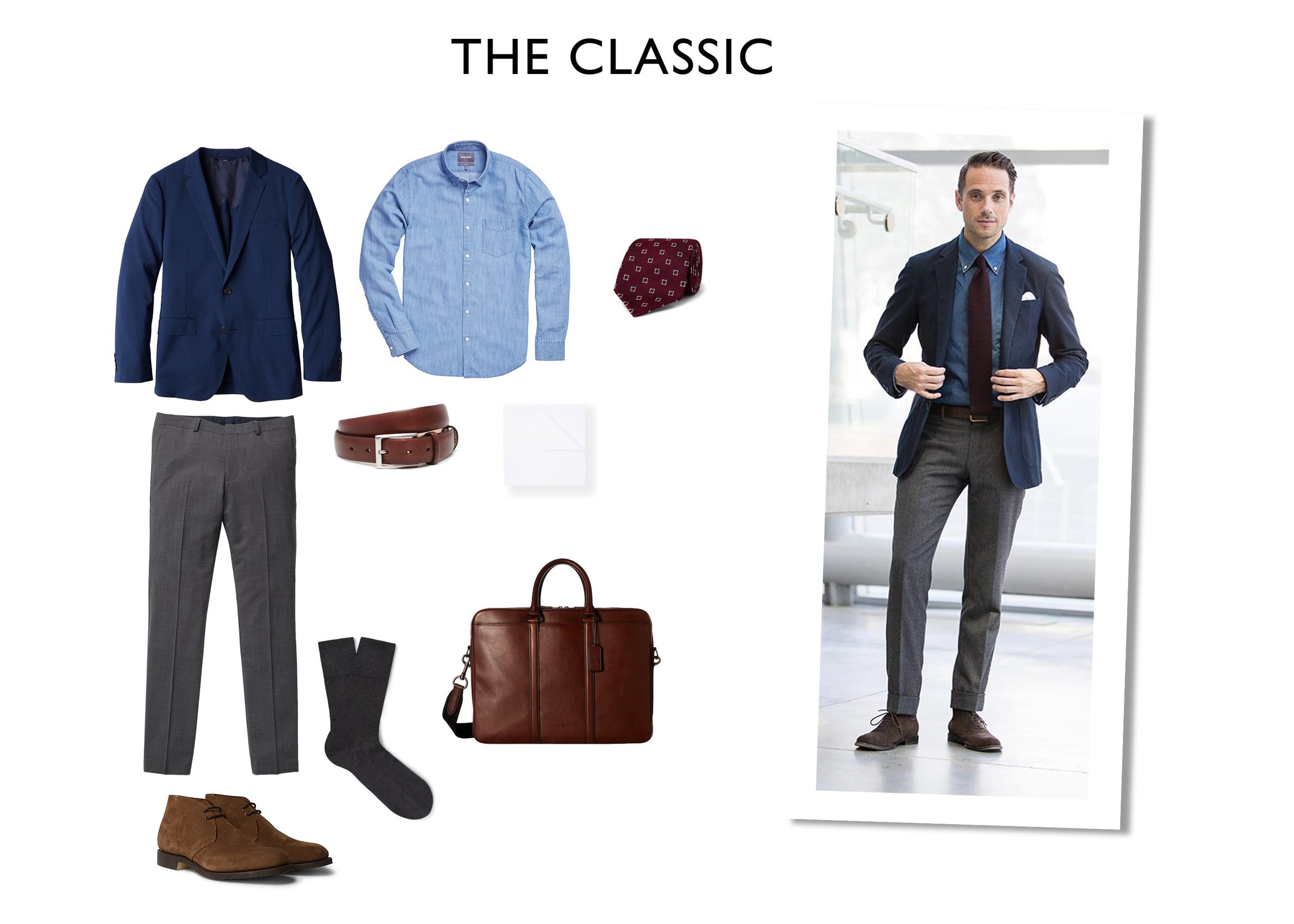
Credit: www.theessentialman.com
Business Casual Outfit Costs: Budget Vs. Premium
How much should you spend? You can build a business casual wardrobe at different price points. Here’s a comparison:
| Item | Budget Option (approx.) | Premium Option (approx.) |
|---|---|---|
| Dress Shirt | $30 | $120 |
| Chinos | $40 | $150 |
| Blazer | $80 | $400 |
| Leather Shoes | $60 | $300 |
A key insight: You don’t have to buy everything at once. Start with affordable basics, then upgrade as your budget allows. Sometimes, one premium item (like shoes) can elevate your entire look.
How To Transition Between Formal And Casual
Sometimes your day includes both formal meetings and relaxed events. Here’s how to adjust:
- Keep a blazer handy: You can add it for meetings, remove it for casual time.
- Choose a versatile shirt: A button-down works tucked or untucked.
- Wear neutral shoes: Loafers or brogues can fit both settings.
- Carry a tie in your bag: Add it if you need to “dress up” quickly.
This flexibility is one of the best things about business casual.
Sustainability And Business Casual
More men are thinking about sustainable fashion. Here’s how you can dress well and help the planet:
- Buy fewer, higher-quality items that last longer
- Choose natural fabrics like cotton, wool, or linen
- Support brands with ethical practices
- Donate or recycle old clothes
Sustainability is becoming more important in business fashion. For tips on sustainable choices, visit the Ethical Trading Initiative.
Business Casual: Frequently Overlooked Details
Here are two details many beginners miss:
- Shoe soles matter: Rubber soles are more comfortable but can look less formal. Leather soles are classic but need more care.
- Undershirts: Wear a thin, plain undershirt under light-colored dress shirts to avoid sweat marks.
Paying attention to these details can make your outfit stand out for the right reasons.
Frequently Asked Questions
What Is Never Appropriate For Business Casual?
Shorts, T-shirts, athletic shoes, flip-flops, and distressed jeans are never part of business casual. Even in relaxed offices, these items are too informal.
Can I Wear Jeans For Business Casual?
In most traditional settings, jeans are not business casual. However, in some creative or tech workplaces, dark, clean, and well-fitted jeans may be acceptable. Always check the dress code first.
Should I Tuck In My Shirt?
A dress shirt should always be tucked in for business casual. Polos or button-downs can sometimes be worn untucked, but only if they have a straight hem and the office allows it.
Are Ties Required For Business Casual?
Ties are usually optional for business casual. You can wear one if you want a more formal look, but most business casual outfits look good without a tie.
How Do I Find The Right Fit For Business Casual Clothes?
Try on clothes before buying. Look for shirts that fit your shoulders and chest but are not too tight at the waist. Pants should skim your legs with no bunching or sagging. If you’re unsure, consider getting items tailored for the best fit.
A well-chosen business casual outfit can give you confidence and help you make a strong impression. By understanding the basics, avoiding common mistakes, and adding your personal touch, you’ll be ready for any business casual occasion. Dressing well is not just about style—it’s about feeling good and showing respect for your work and colleagues.
