

What are Activewear Brands: Top Picks for Every Fitness Level
What Are Activewear Brands
People everywhere are searching for ways to stay fit and healthy. Whether it’s running, yoga, cycling, or just walking, being comfortable while moving is important. This is where activewear brands come in. They design special clothes and gear for exercise, sports, and an active lifestyle. These brands create more than just shirts and shorts—they use technology, style, and smart design to help people feel good and perform their best.
But what really makes a brand an “activewear brand”? Why are some names so famous around the world? And what should you look for when choosing activewear? In this article, we’ll explore everything about activewear brands. You’ll learn what sets them apart, discover the top names, and find tips for picking the right activewear for your needs.
By the end, you’ll understand why this industry is so important and how it helps people move better every day.
What Is An Activewear Brand?
Activewear brands are companies that design, make, and sell clothing and gear for physical activity. Their products are made for movement, comfort, and sometimes even fashion. While some brands focus only on sports, others offer a mix of fitness, leisure, and daily wear.
Activewear includes:
- T-shirts and tanks made from sweat-wicking fabric
- Leggings, shorts, and pants with stretch and support
- Sports bras for comfort and protection
- Jackets, hoodies, and outerwear for outdoor exercise
- Shoes designed for running, training, or sports
- Accessories like socks, hats, bags, and even fitness trackers
What makes activewear different from regular clothes is the focus on function. These brands often use special materials, like moisture-wicking polyester, or add features like flat seams to reduce chafing. Some even use recycled materials to make their products more eco-friendly.
How Activewear Brands Shape Fitness And Fashion
Activewear brands do more than just make clothes. They influence how people see fitness and even what they wear outside the gym. Over the years, activewear has become a part of daily fashion—a trend known as “athleisure. ” Now, it’s common to see people wearing leggings, sneakers, or hoodies not just to work out but also to shop or relax.
Activewear brands have also made fitness more accessible. By offering a wide range of sizes, styles, and prices, they help people of all shapes and backgrounds find something that works. Many brands support sports teams, organize events, or promote healthy living, making them important players in the wellness world.
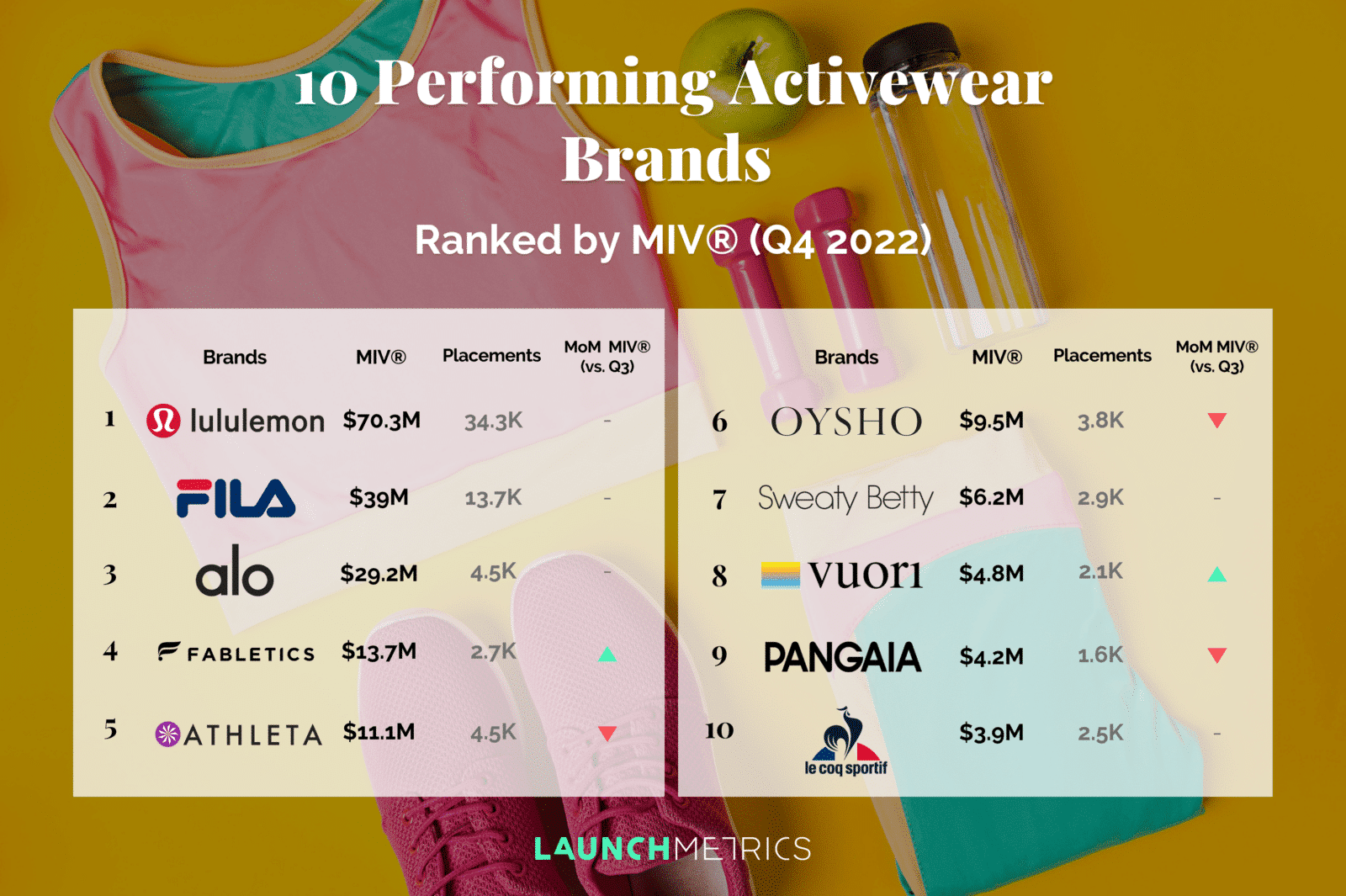
Credit: www.launchmetrics.com
Top Features Of Successful Activewear Brands
What makes one activewear brand stand out from another? Here are some key features:
- Technical Fabrics: The best brands use advanced materials that stretch, dry quickly, and breathe well.
- Comfort and Fit: Designs that move with your body and avoid irritation are essential.
- Style: Many people want activewear that looks good enough for daily life.
- Durability: High-quality clothes last longer, even with frequent washing and wear.
- Sustainability: More brands are using recycled fabrics or eco-friendly processes.
- Inclusive Sizing: Offering a wide range of sizes helps everyone find the right fit.
Two insights beginners often miss: First, expensive does not always mean better. Some less-known brands use the same materials as famous ones. Second, fit and comfort are more important than just how the clothing looks.
The Most Recognized Activewear Brands
There are many activewear brands around the world, from global giants to smaller specialists. Here are some of the most recognized names and what they are known for:
Nike
Nike is one of the most famous activewear brands. Their products cover almost every sport, from running to basketball. Nike is known for its innovative designs, such as Dri-FIT fabric, which keeps you dry. They also lead in style, often setting trends in sports fashion.
Adidas
Adidas is another global leader. They combine performance and style, offering everything from running shoes to soccer gear. Adidas often uses recycled materials and supports sustainability through initiatives like “Primegreen” and “Parley” collections.
Under Armour
Under Armour started with sweat-wicking shirts and grew into a full activewear brand. Their gear is popular with athletes who need strong, technical clothing. Under Armour often focuses on training, running, and team sports.
Puma
Puma makes activewear for both sports and fashion. Their products are stylish but also designed for real movement. Puma often partners with celebrities and designers for special collections.
Lululemon
Lululemon is best known for yoga and training clothes. Their leggings and sports bras are famous for comfort and fit. Lululemon focuses on premium materials and a “community” feel, with in-store classes and events.
Reebok
Reebok creates activewear for training, running, and group fitness. They are known for their partnership with CrossFit and for making shoes that blend sport and street style.
Asics
ASICS is a favorite for runners. Their shoes use technology like “Gel Cushioning” for comfort and performance. ASICS also makes clothing for running and other fitness activities.
New Balance
New Balance offers a mix of running shoes, training gear, and casual activewear. They focus on comfort and a wide range of widths and sizes, making them popular with all ages.
Gymshark
Gymshark is a newer brand but has grown quickly through social media. They focus on gym and weight training clothes, with modern designs and a strong online community.
Fila
Fila has a long history in sports but is now also known for retro-style activewear. Their products mix old-school looks with modern comfort.
Outdoor Voices
Outdoor Voices promotes the idea of “doing things” rather than just “working out.” Their activewear is simple, colorful, and made for all kinds of movement.
Athleta
Athleta is owned by Gap Inc. and focuses on women’s activewear. Their clothes are functional but also stylish enough for everyday wear. Athleta is known for inclusive sizing and sustainable practices.
Sweaty Betty
Sweaty Betty is a UK-based brand that makes high-quality activewear for women. Their leggings and tops are popular for yoga, running, and travel.
Patagonia
Patagonia is famous for outdoor activewear. Their jackets, fleeces, and pants are made for hiking and adventure, often using recycled materials and eco-friendly methods.
Columbia Sportswear
Columbia creates clothing and gear for outdoor sports like hiking, fishing, and skiing. They use advanced materials to keep you dry and warm in tough conditions.
The North Face
The North Face is best known for jackets, backpacks, and outdoor gear. Their activewear is made for serious adventure, but many people wear it in everyday life too.
Alo Yoga
Alo Yoga is a favorite for yoga and Pilates. Their clothes focus on style and comfort, often worn by influencers and celebrities.
Champion
Champion has been around for a long time, known for simple and durable activewear. Their hoodies and sweatshirts are especially popular.
Decathlon
Decathlon is a large global retailer offering affordable activewear for many sports. Their own brands (like Kalenji and Domyos) focus on value and variety.
On Running
On is known for innovative running shoes with special cushioning. They also make lightweight, technical clothing for runners and athletes.
How To Choose The Right Activewear Brand For You
With so many options, choosing the right activewear brand can be confusing. Here are some important points to consider:
- Activity Type: Some brands specialize in running, while others focus on yoga, training, or outdoor sports. Choose a brand that matches your main activity.
- Fit and Comfort: Always try on clothes if possible. Look for stretchy materials, flat seams, and wide waistbands for comfort.
- Fabric Quality: Check if the material is sweat-wicking, quick-dry, or breathable. Cotton can feel soft but might get heavy with sweat.
- Durability: Read reviews or ask friends about how well clothes last after many washes.
- Price vs. Value: Higher prices do not always mean better quality. Compare materials, stitching, and return policies.
- Sustainability: If you care about the environment, look for brands using recycled fabrics or ethical practices.
- Size and Fit Range: Some brands offer more options for different body types.
- Style Preference: Choose colors and designs you like, but don’t sacrifice comfort for style.
A common mistake is buying only based on how clothes look. For long workouts, comfort and support are more important than design.
Comparing Major Activewear Brands
To help you understand how brands differ, here’s a comparison of some popular options:
| Brand | Main Focus | Price Range | Best For |
|---|---|---|---|
| Nike | All sports, lifestyle | Medium to High | Versatility, innovation |
| Lululemon | Yoga, training | High | Comfort, fit, style |
| Adidas | Running, soccer, casual | Medium to High | Performance, sustainability |
| Decathlon | All sports (budget) | Low | Value, variety |
| Puma | Training, fashion | Low to Medium | Style, affordability |
This table shows that some brands focus on technology and performance, while others offer style or affordability. Think about what matters most to you before choosing.
Sustainability In Activewear Brands
Sustainability has become an important issue in the fashion world, including activewear. Many brands are now taking steps to reduce their impact on the environment. For example:
- Patagonia uses recycled polyester in many of its clothes.
- Adidas works with “Parley for the Oceans” to create shoes and clothes from recycled ocean plastic.
- Girlfriend Collective makes leggings from recycled water bottles.
- Athleta focuses on ethical production and sustainable materials.
Brands are also moving away from harmful dyes and using less water in production. Some use packaging made from recycled paper or biodegradable materials.
Here’s a quick look at how several brands approach sustainability:
| Brand | Sustainable Materials | Ethical Production | Eco-Friendly Packaging |
|---|---|---|---|
| Patagonia | Yes | Yes | Yes |
| Adidas | Some lines | Improving | Some lines |
| Lululemon | Limited | Some factories | No |
| Girlfriend Collective | Yes | Yes | Yes |
| Outdoor Voices | Growing | Some lines | No |
Not every brand is perfect, but more are making efforts to protect the environment. Look for labels like “recycled polyester” or “organic cotton” when you shop.
The Growth Of Athleisure
One of the biggest changes in activewear is the rise of “athleisure. ” This means clothes designed for exercise are now worn for work, travel, or just relaxing. Leggings, joggers, and sneakers are now seen in offices and cafes, not just gyms.
Why Has Athleisure Become So Popular?
- Comfort: Stretchy, soft fabrics are easy to wear all day.
- Style: Modern designs look good outside the gym.
- Versatility: You can move from a workout to errands without changing clothes.
- Influence of Social Media: Fitness influencers and celebrities often wear athleisure, making it trendy.
Brands like Lululemon, Nike, and Gymshark have all embraced this trend. Even luxury designers now create athleisure collections.
Credit: sportstextiles.com
Innovations In Activewear
Activewear brands are always looking for ways to improve their products. Here are some recent innovations:
- Moisture-Wicking Technology: Pulls sweat away from the skin to keep you dry.
- Seamless Construction: Fewer seams mean less irritation and better fit.
- Smart Fabrics: Some clothes change temperature or track movement.
- Compression Gear: Supports muscles and may improve performance.
- Odor Control: Special treatments keep clothes smelling fresh.
- Reflective Materials: Help you stay visible when exercising outdoors.
A detail many beginners miss: Some “advanced” features, like compression or smart tracking, can add cost but might not be needed for everyone. Always think about your real needs, not just the latest trend.
How Activewear Brands Market Their Products
Marketing is a big part of the activewear industry. Brands use different strategies to reach customers, including:
- Sponsoring Athletes: Famous sports stars wear and promote their gear.
- Social Media Influencers: Fitness influencers show new products and trends.
- Community Events: Some brands hold group runs, yoga classes, or fitness challenges.
- Online Challenges: Brands create hashtags or virtual events to engage people.
One non-obvious insight: Community and lifestyle are as important as the clothes themselves. People often choose brands they feel a connection with, not just those with the best technology.
How Size, Fit, And Inclusivity Are Changing The Industry
For a long time, many activewear brands only offered a narrow range of sizes. Now, more companies are expanding their options to include plus, petite, and tall sizes. This makes activewear more accessible for everyone.
Some brands lead the way in inclusivity:
- Athleta and Nike offer extended sizing in many products.
- Outdoor Voices and Fabletics have added more size options for different body shapes.
- Universal Standard focuses on clothing for all sizes, not just athletes.
Inclusivity is not just about size; it also means offering options for different cultures, genders, and needs.
Shopping Tips For Activewear
When shopping for activewear, keep these practical tips in mind:
- Check Return Policy: Sizes and fits can vary, so a good return policy helps.
- Read Reviews: Learn from others’ experiences, especially about fit and durability.
- Look for Sales or Outlets: Many brands offer discounts at certain times.
- Try Before You Buy: If possible, test items for stretch, breathability, and comfort.
- Wash Care: Activewear often needs gentle washing. Check labels to make clothes last longer.
A key insight: Activewear can lose its stretch or sweat-wicking ability if not washed properly. Avoid fabric softeners, which can block technical fabrics.
The Role Of Technology And E-commerce
Online shopping has changed how people buy activewear. Now, you can compare brands, read reviews, and even use “virtual try-on” tools. Many brands have apps or websites with fit guides and personalized recommendations.
Some brands use technology to improve the shopping experience:
- Virtual fitting rooms: Try clothes on your avatar before buying.
- Customizable gear: Choose colors, fits, or even add your name.
- Subscription services: Get new activewear delivered monthly, such as with Fabletics.
Here’s a brief comparison of buying activewear online versus in-store:
| Shopping Method | Advantages | Disadvantages |
|---|---|---|
| Online | Easy comparison, wider selection, reviews | Can’t try on, possible return hassles |
| In-Store | Try before you buy, immediate purchase | Limited stock, might be more expensive |
Why Activewear Brands Matter
Activewear brands do more than just sell clothes. They encourage people to move, support healthy habits, and even drive social change. For example, some brands run campaigns for mental health, body positivity, or environmental action.
They also create communities, both online and offline. Wearing the same brand as others in your gym or class can help you feel part of a group.
But remember: The “best” brand is the one that fits your needs, budget, and values. It’s smart to try different brands and see what works for you.
If you want to learn more about the history and science behind sports clothing, you can visit the Wikipedia page on activewear.
Credit: www.blueassociatessportswear.com
Frequently Asked Questions
What Makes Activewear Different From Regular Clothing?
Activewear uses special fabrics that stretch, wick sweat, and often dry quickly. These features help you stay comfortable and move easily during exercise. Regular clothes may not have these benefits.
Can I Wear Activewear For Everyday Activities?
Yes, many people wear activewear as daily clothing. This trend is called “athleisure. ” It’s popular because activewear is comfortable, stylish, and practical for many situations outside the gym.
How Should I Wash Activewear To Make It Last Longer?
Use cold water and gentle detergent. Avoid fabric softeners, as they can block sweat-wicking features. Air dry if possible, and always check the care label for instructions.
Are Expensive Activewear Brands Always Better?
Not always. Some less expensive brands use similar materials and offer good quality. It’s important to check reviews, fit, and features rather than only focusing on price or brand name.
What Should I Look For When Buying Activewear For A Specific Sport?
Consider the type of movement, level of support, and climate. For running, look for sweat-wicking and lightweight fabrics. For yoga, choose stretchy and soft materials. For outdoor sports, consider weather protection.
Activewear brands offer more choices than ever before. With the right information, you can find clothes that help you move, feel good, and express your style every day.
