

What Appropriate Attire You are Going to Wear And Why Explained
Choosing the right clothes for any situation is more than just looking good. It’s about respect, confidence, and comfort. When you wear appropriate attire, you send a message: you understand the occasion, you value yourself, and you honor the people around you. But what counts as “appropriate attire” changes depending on many factors, like the event, the culture, the weather, and even your own personality. Picking the right outfit can seem tricky, especially for non-native English readers who may not know all the cultural rules. In this guide, you’ll learn how to select suitable clothing for different situations, why it matters, and how to avoid common mistakes. We’ll break down the topic in clear, simple language, with practical examples and data to help you feel confident in your choices.
Understanding Appropriate Attire
When people talk about appropriate attire, they mean clothing that fits the situation. It’s not only about style—it’s about being respectful, comfortable, and practical. What’s right for a wedding is not right for a job interview, and what’s okay at a beach is not okay in a business meeting.
Factors That Influence Clothing Choices
Your decision depends on:
- Occasion: Formal events need more polished clothes. Casual events allow relaxed attire.
- Culture: Traditions and customs may require modest or specific dress.
- Weather: Hot, cold, rainy, or dry—you need to dress for comfort and safety.
- Personal Style: Your outfit should reflect who you are, but always stay respectful.
- Company Dress Codes: Many workplaces have rules about what employees can wear.
It’s important to understand these factors before picking your outfit. For example, a formal dinner might need a suit or dress, while a birthday party may allow jeans and a nice shirt.
The Power Of First Impressions
Studies show people judge others within seconds. Your clothes are one of the first things they see. Research from Princeton University found people form impressions about trustworthiness in just 100 milliseconds. Choosing the right attire can help you make a positive impact, whether you’re meeting a new boss or attending a family gathering.
Dress Codes Explained
Different events often have dress codes. These are rules or guidelines about what you should wear. Knowing the meaning of these codes can help you avoid mistakes.
Common Dress Codes
- Casual: Comfortable clothes, like jeans, t-shirts, sneakers.
- Business Casual: Slacks, skirts, blouses, polo shirts. No jeans or sneakers.
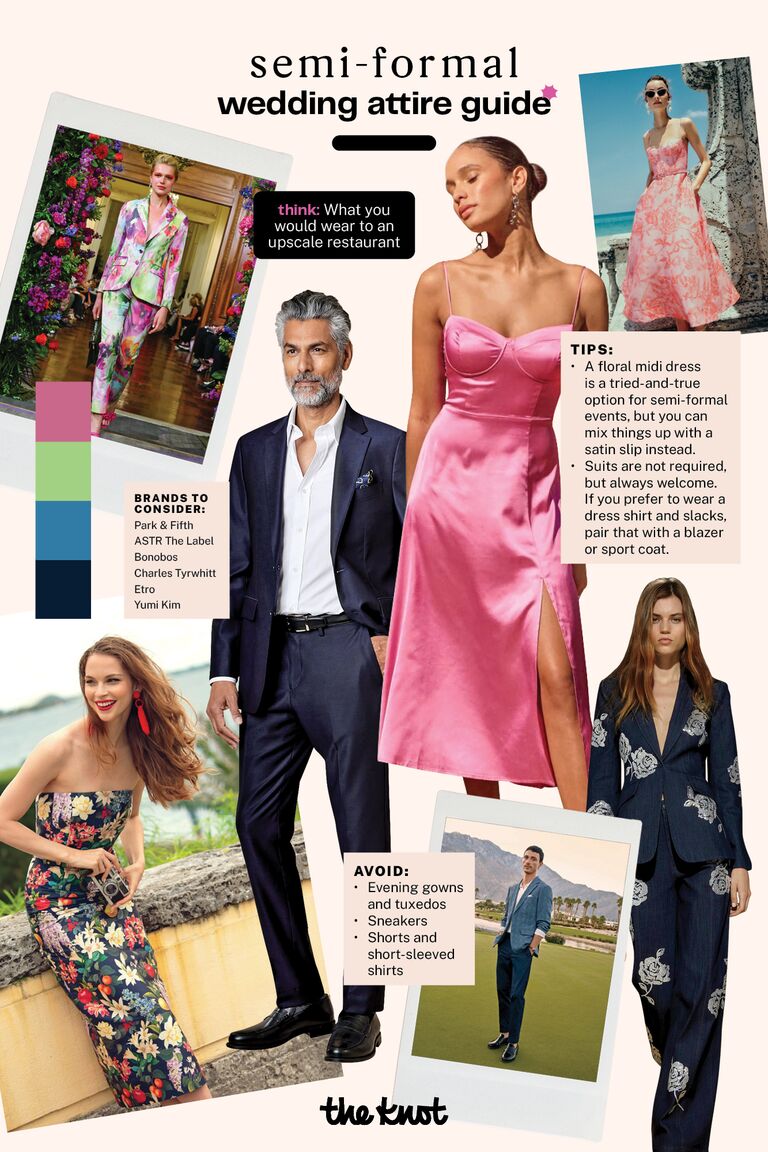
- Semi-Formal: Dress pants, button-down shirts, elegant dresses, closed-toe shoes.
- Formal: Suits, ties, evening gowns, dress shoes.
- Black Tie: Tuxedos, long dresses, fancy accessories.
- Smart Casual: A mix of business and casual—blazers, neat jeans, nice shoes.
Each code has its own expectations. Wearing shorts to a formal event, for example, may make you stand out in a negative way. Always check invitations or ask organizers if you’re not sure.
Dress Code Comparison Table
Here’s a quick comparison of what’s expected in different dress codes:
| Dress Code | Men | Women | Allowed Shoes |
|---|---|---|---|
| Casual | Jeans, T-shirt | Jeans, T-shirt, Sundress | Sneakers, Sandals |
| Business Casual | Slacks, Polo | Slacks, Blouse, Skirt | Loafers, Flats |
| Semi-Formal | Dress Pants, Shirt | Cocktail Dress, Skirt | Dress Shoes, Heels |
| Formal | Suit, Tie | Evening Gown | Oxfords, Heels |
| Black Tie | Tuxedo | Long Gown | Patent Leather Shoes, Heels |
| Smart Casual | Blazer, Neat Jeans | Blazer, Dressy Top | Boots, Flats |
:max_bytes(150000):strip_icc()/wedding-guests-recirc-getty-3-14-556b44282ac245b7860c14202f8aad5f.jpg)
Credit: www.brides.com
Choosing Attire For Specific Occasions
You probably wonder, “What should I wear for this event? ” Let’s break down common situations and what’s suitable for each.
Job Interviews
For job interviews, you should dress to impress. Most companies expect business casual or formal attire. A suit or dress shirt shows you are serious. Data from LinkedIn shows 65% of hiring managers say clothing choices influence their decision.
Tips for job interviews:
- Wear clean, well-fitted clothes.
- Avoid bright colors or flashy patterns.
- Keep accessories simple.
- Choose closed-toe shoes.
If the company has a relaxed culture, business casual may be enough. But when in doubt, dress slightly more formal.
Workplace
Office attire depends on the dress code. Some companies require formal wear, others allow business casual. Wearing appropriate clothes helps you look professional and feel confident.
- For formal workplaces: Suit, tie, dress shoes, or a professional dress.
- For business casual: Slacks, blouses, neat shoes.
Never wear shorts, flip-flops, or clothes with slogans to the office. This is a common mistake, especially for beginners.
Weddings
Weddings are special, and you should dress to honor the couple. Usually, formal or semi-formal attire is expected. If the invitation says “black tie,” wear your best.
Men: suit and tie, dress shoes.
Women: elegant dress, heels or flats.
Avoid white dresses, as this color is reserved for the bride in many cultures.
Funerals
Funerals require respectful clothing. Black or dark colors are preferred. Avoid bright or flashy outfits.
- Men: Dark suit, tie.
- Women: Dark dress or pantsuit.
It’s about showing respect for the family and their loss.
Parties
Parties may be casual, semi-formal, or themed. Always check the invitation. For casual parties, jeans and a nice top work well. For semi-formal events, wear a dress or dress pants.
If there’s a theme (like “80s night”), join in. It shows you’re friendly and fun.
Religious Events
Church, mosque, temple, or other religious gatherings often require modest attire.
- Cover shoulders and knees.
- Avoid low-cut tops or short skirts.
- Remove hats in some places.
Respecting local customs is very important. When unsure, ask someone from the community.
Outdoor Events
For picnics, hikes, or sports games, wear comfortable clothes. Choose items that protect you from the weather. For example, wear a hat and sunscreen in the sun, or a raincoat if it’s wet.
Why Appropriate Attire Matters
Wearing the right outfit does more than help you fit in. It affects your mood, your confidence, and how others view you.
Respect And Courtesy
When you dress correctly, you show respect for the event and the people there. It’s a sign that you care. For example, dressing up for a wedding tells the couple you value their special day.
Personal Confidence
Studies show what you wear can affect how you feel. Wearing clothes that fit well and look good can boost your confidence. The “enclothed cognition” theory says your clothes influence your thoughts and actions.
Safety And Comfort
Appropriate attire also keeps you safe and comfortable. Wearing sports gear protects you during activities. Dressing warmly prevents sickness in cold weather.
Professional Success
In the workplace, suitable attire can help you get hired, promoted, or trusted. Data from Forbes shows employees who dress well are seen as more competent.
Cultural Considerations
Different cultures have unique rules about clothing. What’s normal in one country may be rude in another.
Examples Of Cultural Differences
- In Japan, people avoid bright colors at funerals.
- In India, traditional dress is often worn at weddings.
- In the US, business casual is common in offices.
Ignoring cultural rules can offend others. Always learn about local customs before visiting or attending an event.
Modesty And Tradition
Some cultures value modesty. Covering arms, legs, or hair may be required. For example, many Middle Eastern countries expect women to cover their hair in religious places.
Cultural Comparison Table
Here’s a look at attire expectations in different cultures:
| Country | Formal Event Attire | Religious Event Attire | Common Mistakes |
|---|---|---|---|
| United States | Suit, Evening Gown | Modest Dress, No Shorts | Wearing casual clothes to formal events |
| India | Sari, Sherwani | Cover Head, Modest Clothing | Wearing revealing clothes |
| Japan | Dark Suit, Kimono | Conservative Dress, No Bright Colors | Wearing bright colors to funerals |
| Middle East | Thobe, Abaya | Head Covering, Long Sleeves | Exposing arms or legs |
Weather And Seasonal Considerations
Your outfit should match the weather. Dressing wrongly can cause discomfort or even health problems.
Dressing For Hot Weather
Wear light fabrics like cotton. Choose light colors to stay cool. Avoid heavy or dark clothes.
- Short sleeves, hats, sunglasses.
- Loose clothes allow air flow.
Cold Weather
Choose layers. Wool, thermal, and thick fabrics are best. Wear a coat, gloves, and boots.
- Cover exposed skin.
- Choose waterproof items in rain or snow.
Rainy Weather
Pick waterproof jackets, umbrellas, and boots. Avoid suede or canvas shoes.
How To Build A Versatile Wardrobe
You don’t need hundreds of clothes to dress well. Having a few key items can help you adapt to any situation.
Essential Items
- White Shirt: Good for interviews, formal events, or casual wear.
- Dark Pants/Skirt: Matches many tops, suitable for business or formal settings.
- Blazer: Can dress up casual clothes.
- Dress Shoes: For formal occasions.
- Casual Shoes: For everyday use.
- Simple Dress: Easy to accessorize.
- Raincoat or Jacket: For bad weather.
- Tie/Scarf: Adds style or warmth.
- Jeans: For casual days.
- T-shirt: For relaxed situations.
Mixing these basics lets you create different looks. You can add accessories or layers for variety.
Wardrobe Comparison Table
Let’s compare two sample wardrobes:
| Basic Wardrobe | Versatile Uses | Specialized Wardrobe | Versatile Uses |
|---|---|---|---|
| White Shirt | Interview, Formal, Casual | Sports Jersey | Only for games |
| Dark Pants | Business, Formal | Sequined Dress | Only for parties |
| Blazer | Business, Smart Casual | Rain Poncho | Only for rain |
| Dress Shoes | Formal, Semi-Formal | Flip-Flops | Only for beach |
A basic wardrobe has items that work in many situations. Specialized items are useful but limited.
Common Attire Mistakes And How To Avoid Them
Many people make errors when choosing clothes. Here are the most frequent mistakes, and tips to fix them.
Wearing Inappropriate Clothes
Some wear casual clothes to formal events, or vice versa. This can make you feel out of place and uncomfortable.
- Always check the dress code.
- If unsure, dress slightly more formal.
Ignoring Weather
Wearing shorts in winter or heavy jackets in summer can cause discomfort.
- Plan your outfit based on the forecast.
- Keep a jacket or umbrella handy.
Not Considering Culture
Ignoring local customs can offend others.
- Learn about cultural rules before attending events.
- Ask friends or colleagues for advice.
Overdressing Or Underdressing
Both can be embarrassing. It’s better to be slightly overdressed than underdressed. But avoid flashy accessories or too much makeup in formal settings.
Poor Fit
Clothes that are too tight or too loose look unprofessional.
- Choose clothes that fit your body.
- Tailor your best items if possible.
Dirty Or Wrinkled Clothes
Clean, pressed clothes show respect. Avoid stained or wrinkled items.

Credit: www.kennedyblue.com
How To Choose The Right Attire: Practical Steps
Let’s break down the process into easy steps.
- Check the Occasion: Is it formal, casual, or themed?
- Read the Invitation or Rules: Look for dress codes.
- Research the Culture: Learn local customs if needed.
- Check the Weather Forecast: Prepare for hot, cold, or rainy days.
- Choose Comfortable Clothes: You should feel good in your outfit.
- Pick Accessories Carefully: Keep them simple if in doubt.
- Try on Your Outfit in Advance: Make sure it fits and looks right.
- Ask for Advice: If unsure, talk to friends or colleagues.
These steps help avoid mistakes and ensure you feel confident.
Two Non-obvious Insights About Attire
- Color Psychology: The colors you wear can influence how others see you. For example, blue is often seen as trustworthy, while red can signal confidence or aggression. Choosing colors based on the event’s mood is a subtle but powerful trick.
- Fabric Choice Matters: Many beginners focus only on style, but the fabric affects comfort and appearance. For example, synthetic fabrics can look shiny and feel sweaty. Natural fabrics like cotton or wool look better and breathe more.
Real-life Examples
Let’s look at how attire works in practice.
Example 1: Office Promotion
Sarah wore business casual every day, but for her promotion interview, she wore a suit. Her manager noticed her effort and saw her as more serious. She got the promotion.
Example 2: Wedding Guest
John was invited to a wedding with a “black tie” dress code. He wore a simple suit, but felt underdressed. Later, he learned he should have worn a tuxedo. Next time, he checked the dress code and wore the correct outfit, feeling confident.
Example 3: Cultural Mix-up
Maria traveled to India and wore shorts to a temple. Locals were offended. She learned to wear a long skirt and cover her shoulders, which helped her feel welcome.
Sustainable And Ethical Attire Choices
Choosing clothes is not only about style or occasion—it’s also about the impact on the planet. Sustainable attire means buying clothes that last, made from eco-friendly materials.
Tips For Ethical Clothing
- Choose natural fabrics like cotton or linen.
- Buy from brands that treat workers well.
- Avoid fast fashion—cheap clothes that wear out quickly.
This helps protect the environment and supports fair labor.
Why People Struggle With Attire Choices
Many people feel unsure about what to wear. Reasons include:
- Not knowing the dress code.
- Fear of standing out.
- Limited budget or wardrobe.
- Unfamiliarity with local culture.
You can overcome these challenges by planning ahead, asking for advice, and learning from experience.
Frequently Asked Questions
How Do I Know If My Outfit Is Appropriate For An Event?
Check the invitation, ask the host, or research the dress code. If nothing is clear, dressing slightly more formal is usually safe.
What Should I Do If I Don’t Have The Right Clothes?
Borrow from friends, rent, or buy basic items that work in many situations. Focus on clean, well-fitted clothes.
Can I Wear Traditional Clothes From My Culture To A Formal Event?
Yes, as long as they fit the occasion and are respectful. Many formal events welcome cultural attire, but always check with the organizers.
What If I Make A Mistake In My Attire?
Don’t panic. Be polite, apologize if needed, and learn for next time. Most people understand mistakes happen.
Is It Okay To Dress Differently From Everyone Else?
Yes, but only if your outfit is respectful and fits the event. Personal style is important, but avoid extreme choices that might offend others.
---
Getting your attire right can open doors, build confidence, and show respect to those around you. Whether you’re dressing for work, a celebration, or a casual gathering, the right outfit makes a big difference. Remember, it’s not just about the clothes—it’s about understanding the occasion, the culture, and yourself. By following these practical steps, learning from others, and paying attention to details, you can feel good and look good in any situation. For more guidance, you can check resources like WikiHow for tips on choosing attire. Start planning your next outfit with confidence, and you’ll always be ready for whatever life brings.
Credit: www.theknot.com
