

Vintage Mens Shirts 1970s: Timeless Styles for Modern Wardrobes
Vintage Mens Shirts 1970s: The Grooviest Guide For 2026
Picture this: It’s 2026. You walk into a party, and everyone’s wearing the same fast-fashion shirt. Now, imagine you enter rocking a 1970s vintage men’s shirt—wide collar, bold prints, and a confidence level over 9000. Heads turn. Someone asks, “Did you time travel from the disco era?” You grin, knowing that the answer is yes, at least in style.
Why are people in 2026 still obsessed with 1970s men’s shirts? Simple: they’re fun, unique, and make you look like you know the secret to happiness (and possibly how to moonwalk). Whether you’re a fashion explorer, a nostalgia hunter, or just want something different from the sea of beige, this guide will take you through everything you need to know about 1970s men’s shirts and how to wear them today.
What Made 1970s Men’s Shirts Special?
The 1970s weren’t just about disco balls and questionable mustaches. The shirts from this era had character. They were loud, proud, and didn’t apologize for their patterns. Let’s look at what made them stand out.
Wide Collars: The Bigger, The Better
If you thought collars were just for holding ties, think again. 1970s shirt collars were so wide, they could almost double as napkins in a pizza emergency. Some even called them “wing tips” because they looked like you could take flight.
Funky Prints And Patterns
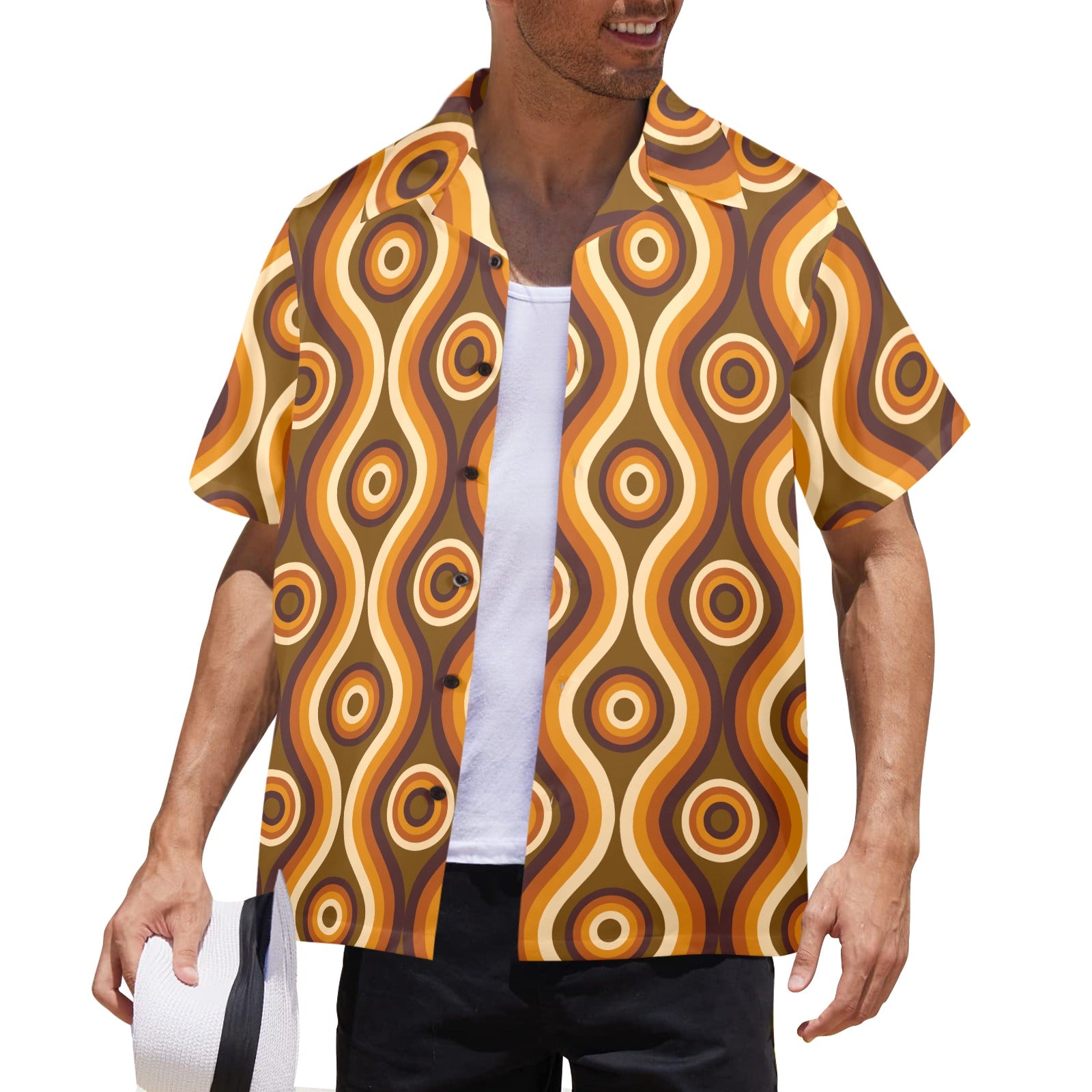
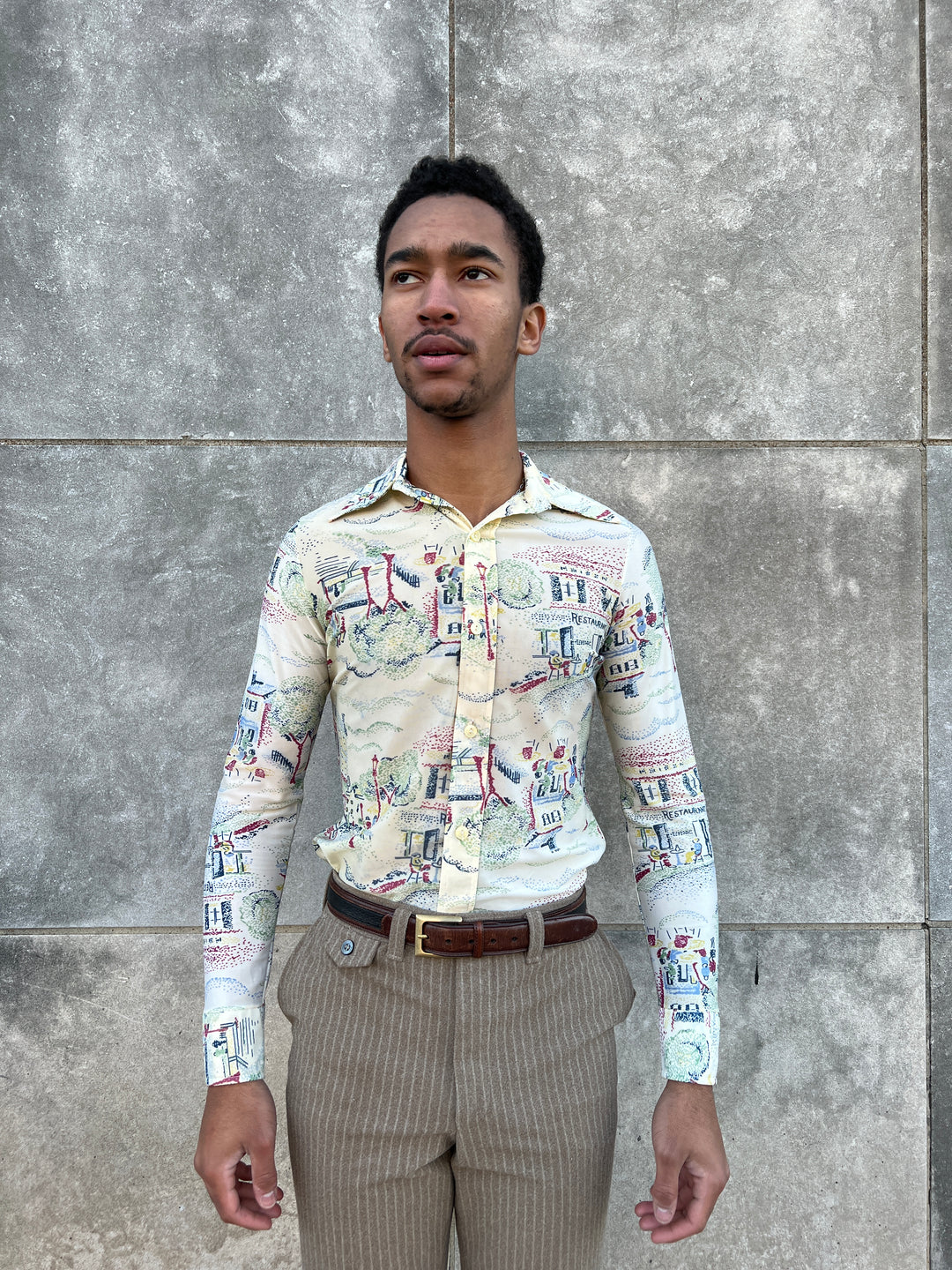
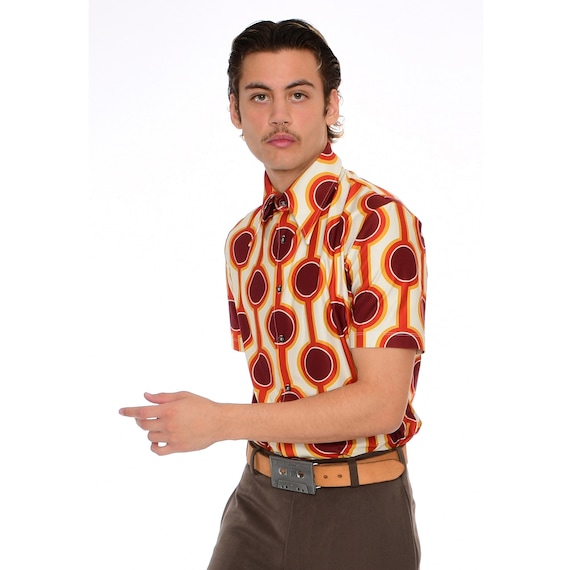
Forget “safe” and “subtle.” In the 1970s, shirts came in psychedelic paisleys, wild geometric shapes, tropical flowers, and even abstract art your grandma might faint over. The rule was: if it makes you smile (or squint), wear it.
Bold Colors
Earthy browns, burnt orange, avocado green, and banana yellow were staples. The 1970s palette wasn’t shy—it was practically shouting from across the room.
Synthetic Fabrics
Polyester was king. And not just any polyester, but the kind that could survive a dance marathon and still look wrinkle-free. It wasn’t always the most comfortable, but it was durable and easy to care for (just don’t stand too close to an open flame).
Unique Details
Many shirts had chest pockets, pearl snap buttons, or even ruffles. Yes, ruffles—for men. And if you think ruffles aren’t masculine, just remember, pirates wore them.
Types Of 1970s Men’s Shirts
Not all 1970s shirts were created equal. Let’s explore the main types you’ll see when vintage hunting in 2026.
1. Disco Shirts
Disco shirts are the celebrities of 1970s fashion. They’re shiny, they’re loud, and they demand attention.
- Fabrics: Usually satin or polyester with a glossy finish.
- Colors: Metallic, jewel tones, or rainbow.
- Collars: Huge and pointed, perfect for slicing through the air on the dance floor.
- When to wear: Anytime you want to be the life of the party.
2. Western Shirts
Channel your inner cowboy. The western shirt was a hit thanks to Hollywood’s obsession with country music.
- Details: Pearl snap buttons, pointed yokes, and sometimes embroidered flowers or piping.
- Fabrics: Sturdy cotton or polyester blends.
- When to wear: Rodeos, festivals, or just wrangling compliments.
3. Hawaiian (aloha) Shirts
Not just for vacations. The Hawaiian shirt became a staple for casual wear in the 1970s.
- Prints: Tropical flowers, palm trees, and sometimes leaping dolphins.
- Colors: Bold and sunny.
- Fabrics: Rayon, cotton, or polyester.
- When to wear: Beach parties, BBQs, or when you need a boost of cheer.
4. Ruffle Shirts
If you like drama, ruffle shirts are your stage. Popular for formal events (and Saturday night fever).
- Details: Ruffled fronts, sometimes with matching cuffs.
- Colors: White, pastel, or jewel tones.
- Fabrics: Polyester, satin, or even lace for the brave.
- When to wear: Weddings, themed parties, or impressing your fashion-forward friends.
5. Safari Shirts
The world was fascinated with adventure in the 1970s, and safari shirts brought it to your closet.
- Features: Epaulettes, belted waists, and patch pockets.
- Colors: Khaki, olive, and sand.
- Fabrics: Cotton blends.
- When to wear: Outdoor events, travel, or pretending your backyard is the Serengeti.
6. Classic Button-downs
Not everything was wild. The button-down shirt was the everyday workhorse.
- Details: Simpler patterns—stripes, checks, or solids.
- Collars: Still wide, but less exaggerated.
- Fabrics: Cotton-poly blends.
- When to wear: Office, dinner, or when you need to tone down the wildness.
Credit: www.starcovefashion.com
The Most Iconic 1970s Shirt Patterns
Patterns were the soul of 1970s shirts. Here’s what you’ll find in thrift stores and vintage shops in 2026.
- Paisley: Swirling, teardrop-shaped motifs that look like they were designed during a daydream.
- Geometric: Squares, diamonds, and zigzags—sometimes all on the same shirt.
- Abstract Art: Like someone spilled paint, but in a good way.
- Floral: Not just for gardens. Big, bold flowers in unlikely color combos.
- Stripes: Thick, thin, horizontal, vertical—1970s stripes broke all the rules.
- Polka Dots: Sometimes tiny, sometimes giant, always playful.
- Novelty Prints: Cars, animals, or even cartoon characters. No theme was too weird.
Why Vintage 1970s Shirts Are Popular In 2026
You may wonder why, in the age of smart shirts and self-ironing fabrics, people still chase after polyester relics from the 1970s. Here’s why:
Unique Style
You won’t see everyone else wearing the same thing. A 1970s vintage shirt is a statement—you’re not afraid to stand out (or accidentally blind someone with your neon paisley).
Quality And Durability
Believe it or not, many 1970s shirts were built to last. The polyester used then was tough. You can find shirts over 50 years old still looking sharp (and sometimes slightly shiny).
Nostalgia And Pop Culture
Shows like “That ’70s Show” and movies like “Boogie Nights” keep the 1970s in the spotlight. In 2026, vintage is the new new.
Sustainability
Buying vintage is eco-friendly. You’re reusing, reducing, and recycling—while looking fabulous.
Value For Money
With the right find, a 1970s shirt can cost less than a fast-fashion tee and last five times as long. Plus, you get bragging rights.
Credit: hipzipper.com
How To Identify Authentic 1970s Men’s Shirts
The vintage market in 2026 is full of clever fakes. Here’s how to spot a true 1970s gem.
Check The Label
Look for “Made in USA,” “Permanent Press,” or brands like Sears, Arrow, Van Heusen, and Levi’s. If the tag has a disco ball on it, it’s probably legit.
Feel The Fabric
Genuine 1970s shirts often feel a bit slick (polyester) or soft (rayon). If it feels like your modern workout gear, it’s probably not vintage.
Inspect The Buttons
Large, chunky plastic buttons or pearl snaps are a good sign. Tiny, delicate buttons? Probably from another era.
Examine The Collar
If you can use the collar as an emergency sail, congratulations—it’s pure 1970s.
Look For Single-stitching
Older shirts often have single-stitched seams, especially at the hem and sleeves.
Note The Sizing
Sizing ran smaller in the past. A 1970s “Large” may fit like a 2026 “Medium. ” Always try before you buy, or bring a tape measure.
How To Style 1970s Men’s Shirts In 2026
You don’t need bell bottoms (unless you want to). Here’s how to wear vintage shirts without looking like you’re headed to a costume party.
Pair With Modern Jeans
A bold shirt works best with simple pants. Try straight-leg or slim jeans in a neutral color—let the shirt do the talking.
Layer Under A Blazer
Throw a 1970s shirt under a solid blazer for a look that’s retro but not ridiculous.
Go Full Vintage
Feeling brave? Pair your shirt with high-waisted trousers, chunky boots, and maybe a vintage watch. You’ll look ready for a magazine cover (or a dance-off).
Accessorize Wisely
Simple belts, watches, and shoes keep the focus on the shirt. Avoid giant medallions unless you’re entering a disco competition.
Roll Up The Sleeves
Rolling your sleeves gives a casual vibe and helps modernize a wild print.
Mix Patterns (carefully)
If you’re feeling adventurous, mix a subtle patterned pant with your shirt. Just don’t go overboard—nobody wants to look like a walking optical illusion.
Where To Buy Vintage 1970s Men’s Shirts In 2026
The hunt is half the fun. Here are the best places to score original 1970s shirts.
Thrift Stores
Still the classic choice. You never know what you’ll find, and prices are usually wallet-friendly.
Online Vintage Shops
Websites like eBay, Etsy, and specialized vintage stores offer a huge range. Look for detailed photos and descriptions.
Vintage Fairs And Markets
In 2026, vintage fashion fairs are big business. You can touch, try on, and haggle—all part of the experience.
Estate Sales
Sometimes, the best finds come from clearing out Grandma’s closet. Estate sales often have unique pieces at great prices.
Specialty Retailers
Some brands now reissue classic designs with modern fits. It’s not true vintage, but if you want the look without the hunt, this is an option.
The Price Of Vintage: What To Expect In 2026
Prices for 1970s shirts vary widely. Here’s a quick comparison of what you might pay in 2026:
| Type of Shirt | Typical Price (USD) | Condition |
|---|---|---|
| Disco Shirt | $35–$120 | Good to Excellent |
| Western Shirt | $30–$85 | Good to Very Good |
| Hawaiian Shirt | $25–$70 | Fair to Excellent |
| Ruffle Shirt | $40–$150 | Very Good to Excellent |
| Safari Shirt | $28–$65 | Good to Very Good |
| Classic Button-Down | $20–$60 | Good to Excellent |
Condition, brand, and rarity all affect price. A rare print in perfect condition will cost more, but you can still find bargains with patience and a keen eye.
Caring For Vintage 1970s Shirts
You’ve scored the perfect shirt. Now, how do you keep it alive until 2070?
Washing
- Always check the label—some shirts are machine washable; others need hand washing.
- Use cold water and a gentle detergent.
- Avoid bleach (unless you want to invent new patterns).
Drying
- Air dry is best. High heat can damage old polyester or cause shrinking.
- Lay flat for shirts with ruffles to avoid wrinkles.
Storing
- Hang shirts on padded hangers to keep the shape.
- Store in a cool, dry place—avoid sunlight, which can fade prints.
Repairs
Vintage shirts sometimes need TLC. Learn basic sewing for small tears or loose buttons. For major repairs, find a tailor who understands vintage clothing.
1970s Men’s Shirts In Pop Culture
You can spot 1970s shirts everywhere in 2026—from music videos to Netflix shows. Here are some iconic moments:
- John Travolta in “Saturday Night Fever” (white ruffle shirt, black pants, and moves that defy science).
- David Bowie rocking geometric patterns and ruffles, making everyone else look underdressed.
- Freddie Mercury in bold florals and satin, proving that confidence is the best accessory.
- Modern stars like Harry Styles and Bruno Mars often wear vintage 1970s shirts on stage, keeping the trend alive.
These references keep the 1970s shirt relevant—and just a little bit legendary.
Credit: www.etsy.com
How To Spot A Fake (and Not Get Fooled In 2026)
The vintage market is full of “reproductions” (which is a nice way of saying “not actually vintage”). Here’s how to avoid buying a 2026 copycat:
Inspect The Details
- Stitching: Modern reproductions often use double-stitching or overlock seams.
- Tags: If the tag looks brand new or says “100% recycled cyber-polyester,” be suspicious.
- Fabrics: Modern fabrics feel different—often stretchier or softer than real 1970s polyester.
Ask Questions
Don’t be afraid to quiz the seller. Ask about the shirt’s history, brand, and any signs of age. A genuine seller loves sharing details.
Check Online Guides
Use resources like Wikipedia’s vintage clothing guide for extra tips on authenticating your shirt.
Common Mistakes Beginners Make
Wearing or buying 1970s shirts isn’t hard, but there are a few classic pitfalls.
- Ignoring Fit: Vintage sizing can be tricky. Always check measurements, not just the tag.
- Overdoing the Look: Unless it’s a costume party, pair one bold piece with simple basics.
- Skipping Care: Vintage shirts need gentle washing and proper storage—don’t treat them like your gym tee.
- Falling for Fakes: Learn how to spot real vintage before you spend big.
- Underestimating Boldness: If you’re shy, start with subtle patterns. A neon paisley can be overwhelming for newbies.
How 1970s Shirts Compare To Other Eras
Curious how the 1970s shirt stands up against other decades? Here’s a quick comparison:
| Era | Main Features | Typical Fabrics | Collar Style |
|---|---|---|---|
| 1960s | Mod prints, slim fit | Cotton, rayon | Small, neat |
| 1970s | Bold prints, wide collars | Polyester, rayon | Huge, pointed |
| 1980s | Bright colors, oversized | Cotton blends, synthetics | Medium, sometimes button-down |
| 2026 | Minimalist, tech fabrics | Eco-poly, smart fibers | Small to medium |
The 1970s stand out for their fearless use of print, color, and collar size. No other era dared to go quite so big.
Fun Facts: 1970s Shirt Trivia
- The world record for the largest collar on a men’s shirt is 12 inches (allegedly measured in 1978).
- Some 1970s shirts were advertised as “stain-proof”—but not “sweat-proof” (a lesson many dancers learned the hard way).
- Polyester shirts were so popular that, in 1976, Americans bought more polyester than cotton for the first time.
- In 2026, “vintage” means anything over 25 years old—so yes, your childhood Pokémon tee is officially retro.
Building Your 1970s Shirt Collection In 2026
Ready to start collecting? Here’s a practical roadmap.
Start Small
Begin with one statement shirt. See how you feel—if you love it, add more.
Mix Eras
Pair your 1970s shirt with modern jeans or sneakers. This keeps your look fresh, not costume-y.
Hunt For Rarity
Look for unusual prints, famous brands, or shirts with a cool backstory. These hold value and make great conversation starters.
Join Communities
Online forums and social media groups for vintage lovers are full of tips, sellers, and style inspiration.
Track Your Collection
Keep a simple list (or spreadsheet, for the organized) of what you own, where you got it, and any care notes.
The Future Of 1970s Shirts: Trends In 2026
Will 1970s shirts still be cool? If anything, they’re becoming more popular as people look for sustainable, unique fashion. Designers in 2026 are using 1970s shirts as inspiration for new collections—just with slightly less flammable materials.
You’ll see them in music videos, fashion week runways, and even virtual reality avatars (yes, your digital self can also rock a paisley print).
Frequently Asked Questions
What Makes A 1970s Men’s Shirt Different From Other Decades?
The wide collars, bold prints, and use of polyester set 1970s shirts apart. No other era combined these features in quite the same way, making them instantly recognizable.
How Do I Care For A Vintage 1970s Shirt?
Use cold water, gentle detergent, and air dry whenever possible. Hang on padded hangers and keep out of direct sunlight to preserve colors and fabric.
Are 1970s Shirts Comfortable To Wear?
They can be, especially if you choose softer blends like rayon. Some polyester shirts may feel less breathable, but the style points often make up for it.
How Can I Tell If A Shirt Is Genuine 1970s?
Check for wide collars, single-stitching, period-correct labels, and the feel of the fabric. Modern shirts may look similar but often use different construction and tags.
Where Is The Best Place To Buy Vintage 1970s Shirts In 2026?
Thrift stores, online vintage shops, and vintage fairs are your best bets. For authenticity, ask questions and study the details before buying.
---
There you have it—everything you need to know about vintage men’s shirts from the 1970s and how to rock them in 2026. Whether you’re channeling disco royalty or just want to add a splash of fun to your wardrobe, these shirts prove that style never really goes out of fashion—it just gets bolder with age.
