

Vintage Concert T-Shirts 80S: Ultimate Collector’s Guide
Vintage Concert T-Shirts 80s: The Ultimate Guide for Fans and Collectors
If you peek inside the wardrobe of any music lover or self-proclaimed hipster, you’ll probably find a few t-shirts. But not just any t-shirts—those classic, worn-in, vintage concert t-shirts 80s style. There’s something magical about putting on a shirt that shouts “I was there!” (even if you weren’t born yet). These shirts aren’t just fashion statements; they’re time machines made of cotton. Ready to dive into the world of 1980s concert tees? Grab your faded jeans and let’s rock this out—no air guitar required.
Why 80s Vintage Concert T-shirts Still Rock In 2026
It’s 2026, and you might wonder why people are still hunting for 80s concert t-shirts like they’re golden tickets to Willy Wonka’s Chocolate Factory. The answer is easy: nostalgia never goes out of style. These shirts capture the wild energy of an era when bands ruled the stage, hair was bigger than small dogs, and fashion rules were meant to be broken.
But there’s more to it. Here’s why these iconic tees are hotter than ever:
- Unique designs: Most 80s concert shirts were limited editions. No two shirts are exactly alike, especially after 40 years of laundry abuse.
- Cultural status: Wearing a real 80s tee says, “I know my music history.” It’s a secret handshake for music fans.
- Investment: Some shirts now sell for hundreds—even thousands—of dollars. Yes, that threadbare Def Leppard shirt might be worth more than your car.
You don’t just wear an 80s shirt—you wear a story. And in 2026, people love a good story, especially one with a killer guitar solo.
The Anatomy Of A Classic 80s Concert T-shirt
Before you start scouring thrift stores or raiding your uncle’s attic, let’s break down what makes a true vintage concert tee stand out. You don’t want to end up with a cheap modern knockoff. Here’s what you should look for:
1. Material And Fit
Most shirts from the 1980s were made of soft, thin cotton or a cotton/poly blend. They feel almost see-through after decades of enthusiastic wearing. Modern shirts are usually thicker and stiffer—if it feels like cardboard, it’s probably not vintage.
The classic 80s fit is relaxed, sometimes a bit boxy. Forget today’s fitted styles—these shirts gave you room to dance, jump, and occasionally spill your soda during the encore.
2. Tag Details
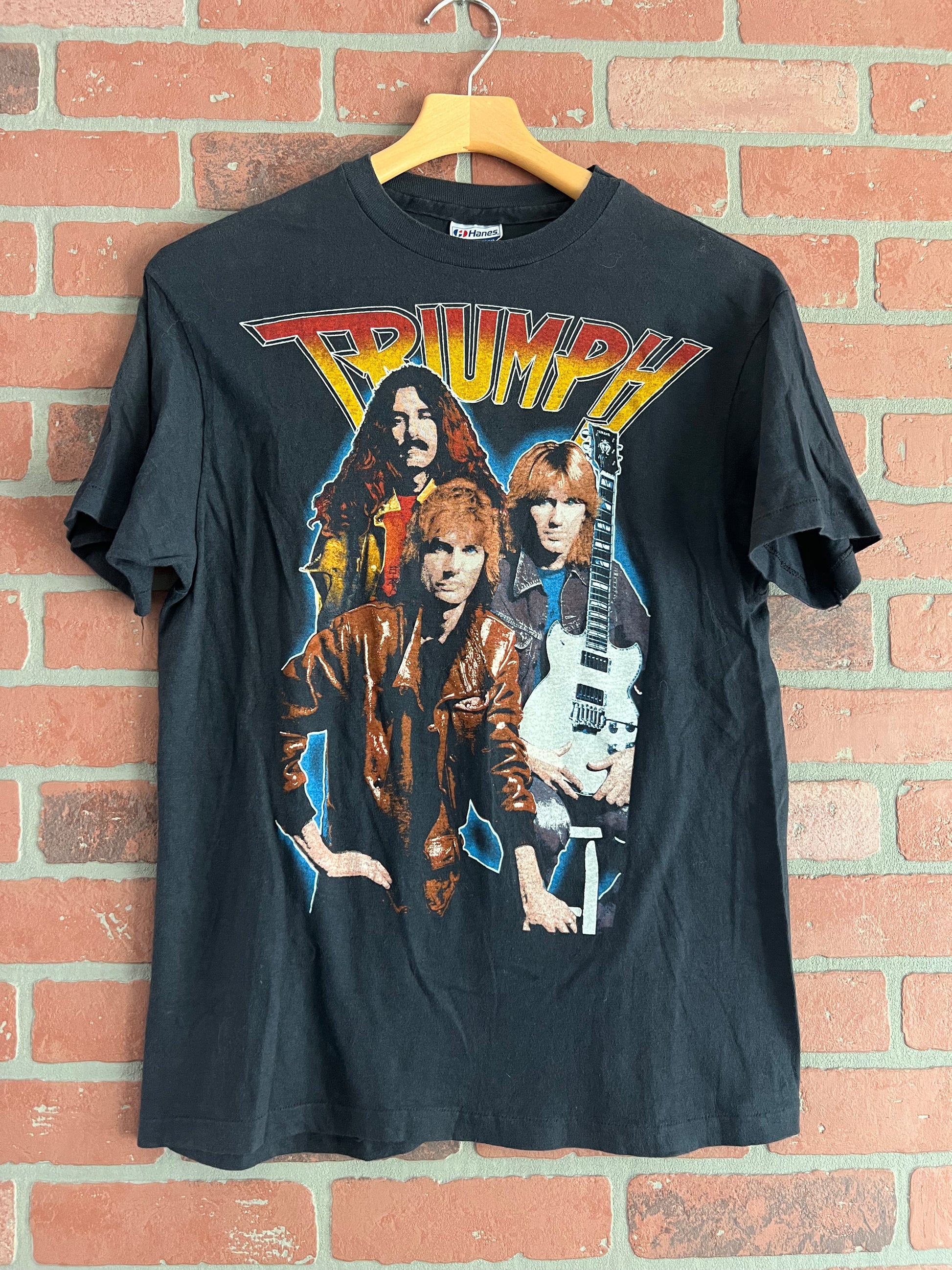
Check the tag. If you see brands like Screen Stars, Hanes, Sportswear, or Spring Ford, you might have found the real deal. Many vintage shirts have tags with faded print or none at all because fans cut them out (itchy necks were a thing in the 80s, too).
3. Print Quality
Old-school prints were made with plastisol ink, which often cracks and fades over time. If the design looks too perfect or is peeling off in one piece, it’s probably a modern reprint. Vintage prints blend with the fabric and show natural wear.
4. Tour Dates And Graphics
Flip the shirt over. Many 80s shirts list tour dates on the back—sometimes with wild fonts or neon colors. The front usually features the band logo or album artwork. Some even have hilarious inside jokes, like a cartoon of the drummer chasing a chicken (we’re looking at you, ZZ Top).
5. Stitching
Look for single-stitch sleeves and hems. By the early 90s, double-stitching became standard. If you see single lines of stitching, you’re likely holding a true 80s piece.
Credit: a2vintageypsi.com
Iconic Bands That Defined The 80s Concert T-shirt Scene
The 80s were loud, proud, and full of bands that pushed boundaries (and sometimes, sanity). Their shirts are now legendary. Let’s relive the glory:
- Queen – Their 1986 Magic Tour shirts are royal collectibles, with Freddie Mercury front and center.
- AC/DC – The thunderous “Back in Black” and “Who Made Who” tours gave us some of the most electrifying designs.
- The Rolling Stones – The “Steel Wheels” tour in the late 80s put their iconic lips logo on every cool kid’s chest.
- Guns N’ Roses – Appetite for Destruction was more than an album; it was a fashion revolution.
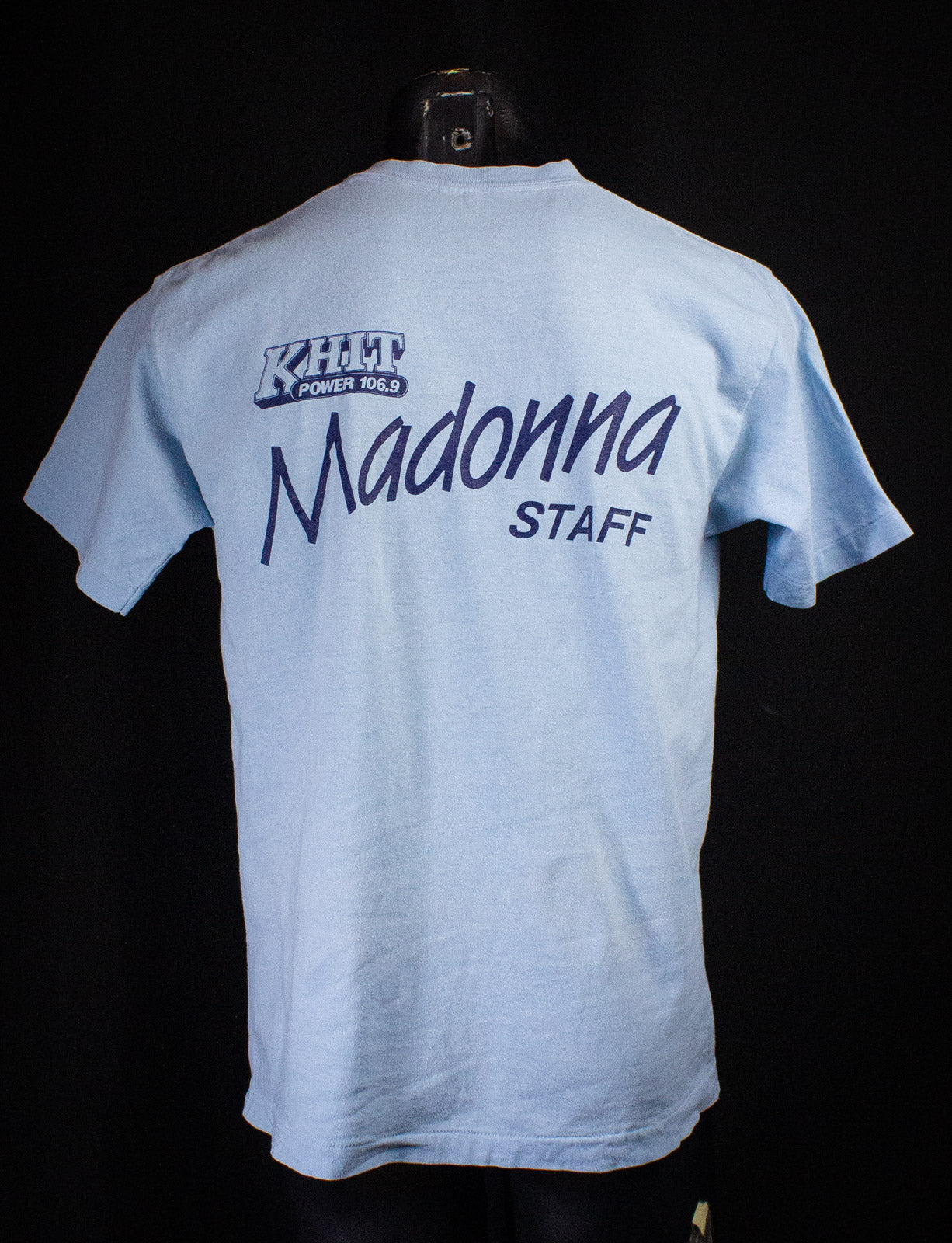
- Madonna – The Queen of Pop’s “Who’s That Girl” tour tees mixed sass with style.
- Prince – Purple Rain, purple shirts, purple everything. Enough said.
- Def Leppard – Their Hysteria tour shirts are still causing, well, hysteria on auction sites.
- Metallica – Heavy metal and heavy cotton; their early shirts are now holy grails for collectors.
- Journey – If you don’t stop believin’, you might just find one in your parents’ attic.
- David Bowie – The Serious Moonlight tour designs are as bold as the man himself.
These bands weren’t just about music—they were about making a statement, and their shirts screamed it loud and proud.
Collecting Vintage Concert T-shirts: Beginner To Pro
So you want to start your own collection? Smart move. But before you remortgage your house for a rare Springsteen tee, let’s walk through the basics.
Where To Find Authentic 80s Concert Shirts
- Thrift Stores and Flea Markets: Still the treasure chests of the vintage world. You might have to dig, but the thrill of discovery is half the fun.
- Online Marketplaces: Sites like eBay, Grailed, and Etsy are packed with vintage shirts. Watch out for fakes! Check seller reviews and ask for close-up photos.
- Specialty Vintage Shops: Some stores focus on music merch. Prices are higher but authenticity is more reliable.
- Garage Sales/Estate Sales: Sometimes Aunt Mildred’s attic hides a rare gem.
- Concert Reunions and Fan Groups: Meet fellow fans and trade stories—and shirts.
How To Spot A Fake (and Avoid Embarrassment)
- Look at the tag: No tag, or a tag that looks brand new? Be suspicious.
- Inspect the print: Is it too shiny or does it feel like plastic wrap? Run!
- Check the wear: Real 80s shirts show signs of age—faded colors, slight holes, or frayed edges.
- Research the design: If a shirt shows a tour that never happened, it’s a fake. (No, Pink Floyd did not play at your high school gym in 1985.)
Caring For Your Vintage Tees
Congratulations—you’ve found a real 80s concert shirt. Now, don’t ruin it with modern laundry habits.
- Hand wash or use a gentle cycle.
- Air dry: Avoid the dryer unless you want your shirt to fit your pet chihuahua.
- Store flat if possible. Hanging can stretch out the shoulders.
- Don’t iron the print: Unless you want a melted mess.
A quick tip: Avoid wearing your rarest finds to paintball or spaghetti night.
How Much Are 80s Concert T-shirts Worth In 2026?
Prices for vintage concert t-shirts 80s have skyrocketed. What was once a $15 souvenir now might pay your rent. Let’s compare some iconic shirts and their estimated values this year:
| Band | Tour | Typical Value (USD) |
|---|---|---|
| Queen | Magic Tour (1986) | $800 - $2,000 |
| Metallica | Master of Puppets (1986) | $500 - $1,500 |
| Madonna | Who's That Girl (1987) | $300 - $800 |
| AC/DC | Back in Black (1980) | $400 - $1,200 |
| Prince | Purple Rain (1984) | $900 - $2,500 |
Remember, condition, size, and rarity can push prices even higher. XL sizes fetch more because, apparently, everyone was a size small in 1986.
Famous 80s T-shirt Designers And Their Impact
Not all heroes wear capes—some just design killer graphics. A few artists behind the scenes made these shirts unforgettable.
- Raymond Pettibon: Known for his punk artwork, especially for Black Flag and Sonic Youth.
- Andie Airfix: Designed for Def Leppard and Metallica, bringing bold colors and wild typography.
- Roger Dean: His surreal artwork for Yes and Asia made shirts pop with psychedelic vibes.
- John Pasche: The genius behind The Rolling Stones’ lips logo, possibly the most famous mouth in music.
These artists turned t-shirts into wearable art, making them as collectible as any painting—just more machine washable.

Credit: www.amazon.com
Pop Culture Moments That Made 80s Concert Tees Legendary
It’s not just about the music. Some moments in movies, TV, and celebrity culture turned these shirts into icons.
- Ferris Bueller’s Day Off (1986): Ferris rocks a classic English Beat shirt while skipping school—talk about priorities.
- Stranger Things: The Netflix hit brought 80s tees back in style for a new generation. Suddenly, everyone wanted a Hellfire Club shirt.
- Hip-Hop Influence: Rappers in the late 80s started wearing rock tees, mixing genres and breaking fashion rules.
And let’s not forget: every cool uncle at a barbecue has at least one faded Van Halen shirt.
How To Style Vintage 80s Concert T-shirts In 2026
You’ve found a real 80s tee—now what? Don’t just toss it on with sweatpants (unless you’re going for the “I gave up” look). Here’s how to make your shirt the star of your outfit:
- Classic Rocker: Pair with ripped jeans, boots, and a denim jacket. Sunglasses optional, attitude mandatory.
- Modern Casual: Tuck into high-waisted trousers or a skirt. Add sneakers for a cool twist.
- Layered Look: Throw a vintage tee under a blazer for instant retro-chic.
- Streetwear Style: Combine with oversized pants and a bucket hat. If you look like you just left a Beastie Boys video, you’re doing it right.
- For the Brave: Wear it with neon leggings and a mullet wig. Bonus points if you say “rad” at least once.
Pro tip: Don’t over-accessorize. Let the shirt do the talking (and maybe some singing).
The Science Of Fading: Why Do Vintage Tees Look So Good?
Ever notice how vintage concert t-shirts just have that perfect, soft look? It’s not magic—it’s science and time.
- Washing and Sunlight: Years of washing and sunlight break down fibers, making shirts softer and colors fade naturally.
- Aging Ink: Plastisol ink cracks and blends with the fabric, giving that beloved “lived-in” vibe.
- Memory Marks: Every hole, stain, or repair tells a story. That ketchup stain? Probably from a legendary tailgate party.
Modern “vintage-style” shirts try to fake it, but nothing beats the real thing. Even scientists agree: authenticity can’t be replicated in a factory. (Okay, maybe not all scientists, but definitely t-shirt scientists.)
The Dark Side: Fakes, Reprints, And Scams
With big money comes big tricksters. The world of vintage concert t-shirts 80s is full of fakes. Some are so good, even experts need a magnifying glass and a PhD in t-shirtology.
Common Scams
- Fake Aging: Some sellers wash and beat up new shirts to fake that old look.
- Reprints: Modern companies reprint old designs without permission. They look good but hold no vintage value.
- False Tags: Scammers sew old tags into new shirts. Sneaky, right?
How To Protect Yourself
- Buy from trusted sources.
- Ask for proof: Original concert tickets or photos help.
- Learn the details: Study known authentic shirts online or in collector groups.
A true 80s shirt will have quirks—uneven stitching, off-center prints, or even spelling mistakes. Nobody’s perfect, especially not in the 80s.
Why Vintage Concert T-shirts Connect Generations
One of the best parts about collecting these shirts is how they bring people together. Wearing a shirt from a 1986 Queen show might spark a conversation with a stranger—who just happens to have been there. Suddenly, you’re sharing stories, photos, maybe even playlist recommendations.
- Family Bonds: Many fans pass shirts down to kids or grandkids. It’s one inheritance that’s actually cool to wear.
- Music Education: Wearing a classic tee often leads to, “Who’s that?”—the perfect chance to explain why Journey is more than just a meme.
Vintage shirts are like wearable history lessons. And let’s be honest: learning is way more fun when you’re wearing a Prince shirt.
The Environmental Bonus: Why Buying Vintage Is Greener
In 2026, caring for the planet is more than a trend—it’s a necessity. Buying vintage shirts is the ultimate in sustainable fashion.
- No new resources used: You’re recycling history, not polluting for fast fashion.
- Less waste: Fewer shirts end up in landfills.
- Unique style: You avoid looking like everyone else at the mall.
So next time someone asks about your shirt, tell them you’re saving the world—one band tee at a time.
Fun Facts Only True Fans Know
Ready to impress at your next trivia night? Drop these facts:
- The most expensive 80s concert shirt ever sold fetched over $5,000 in 2023. It was a rare, misprinted Metallica shirt.
- Some shirts were only sold at one show. If you find a shirt with just one city on the back, you’ve hit the jackpot.
- Many 80s bands had unofficial shirts made by fans—some of these bootlegs are now more valuable than the official merch.
- There are collector clubs dedicated to the study of tour shirt stitching patterns. Yes, really.
And here’s a secret: Even if your shirt is a little worn or stained, that just adds to its rock-and-roll charm.
Comparing 80s Concert Tees With Modern Band Shirts
Ever wonder why people crave 80s shirts when there are so many new ones? Here’s a quick side-by-side:
| Feature | 80s Vintage Concert T-Shirts | Modern Band Shirts |
|---|---|---|
| Material | Soft, thin cotton blends | Thick, stiffer cotton |
| Print Style | Faded, cracked, blended with shirt | Bold, bright, sometimes too perfect |
| Rarity | Often one-of-a-kind | Mass-produced |
| Value | Can be worth thousands | Usually $20-$50 new |
| Story | Full of history and memories | Just out of the box |
It’s clear: If you want style and substance, vintage wins every encore.
Credit: blackshagvintage.com
Tips For Wearing And Showing Off Your Collection
You’ve got the shirts—don’t just hide them away! Here’s how to show your collection with pride:
- Shadow Box Frames: Display your most valuable shirts on the wall. Instant rock museum.
- Themed Parties: Host an 80s music night and invite friends to wear their best tees.
- Social Media: Post your finds with the story behind each shirt.
- Band Reunions: Wear your vintage shirt to a reunion tour—prepare for jealous looks.
- Gift Giving: Passing on a shirt to a fellow fan makes you a legend.
Just remember: don’t lend your rarest shirts to friends who think “vintage” means “cleaning rag.”
Where To Learn More And Connect With Other Fans
If you want to go deep into the world of vintage concert t-shirts 80s, join online forums or follow collectors on Instagram. You’ll find endless discussions, rare photos, and even trading opportunities. For official band histories and authentic merch, check out the Wikipedia entry on band merchandise.
Frequently Asked Questions
What Makes A Concert T-shirt “vintage”?
A t-shirt is considered vintage if it was made and sold at the time of the original concert—so, for 80s tees, that means produced and sold during the 1980s. True vintage shirts show age, wear, and often have single-stitch seams and old-school tags.
How Can I Tell If My 80s Concert T-shirt Is Real?
Check for single-stitch seams, faded tags from classic brands (like Screen Stars), and natural wear. Compare your shirt’s design to known authentic examples online. If everything looks perfect and smells like a new car, it’s probably a modern reprint.
Are Vintage 80s Concert T-shirts A Good Investment?
Yes! Some shirts have increased in value more than stocks or gold. Rarity, band popularity, and condition affect price. But buy what you love—because fashion is unpredictable (just ask anyone who wore parachute pants in 1984).
Can I Wear My Vintage T-shirt, Or Should I Keep It Safe?
You can wear it, but treat it like the family jewels. Wash gently, air dry, and avoid activities that might destroy it (like mud wrestling or spaghetti eating contests). For super rare shirts, consider displaying them instead.
What’s The Best Way To Store Vintage Concert T-shirts?
Store flat, in a cool, dry place. Use acid-free tissue paper between shirts if you’re serious about preservation. Avoid hanging, which can stretch the fabric. And never, ever store in a damp basement—unless you want your shirt’s next tour to be with the Moldy Beatles.
80s Concert Tees: Still The Coolest Shirts In 2026
The thrill of finding, wearing, and collecting vintage concert t-shirts 80s isn’t just about music or fashion—it’s about connection, history, and a dash of rebellion. Whether you’re a die-hard collector or just love the look, these shirts are proof that great style (and great music) never dies.
So next time you pull on a faded band tee, remember: you’re not just wearing a shirt. You’re wearing a piece of rock and roll history—and maybe, just maybe, a little bit of magic from the world’s loudest decade. Rock on!
