

Trail Running Outfit: Ultimate Guide for Comfort and Performance
When you hit the trail, your outfit can make all the difference. Choosing the right trail running outfit isn’t just about looking good—it’s about feeling comfortable, staying safe, and improving your performance.
You want gear that moves with you, protects you from the elements, and keeps you cool or warm as needed. You’ll discover exactly what to wear to get the most out of every run. Ready to upgrade your trail running experience?
Keep reading and find out how the perfect outfit can transform your time on the trail.
Choosing The Right Footwear
Choosing the right footwear is key to a great trail running experience. Shoes protect your feet from rough paths and help you move safely. The right pair improves comfort and reduces injury risks. Trail running shoes differ from regular road shoes in many ways. Understanding these differences helps pick the best fit for your runs.
Trail Running Shoes Vs. Road Shoes
Trail running shoes have stronger soles than road shoes. They use tougher materials to handle rocks and roots. Road shoes focus on smooth pavement and have softer soles. Trail shoes offer more foot protection. They also have a tighter fit to keep dirt out. Road shoes prioritize light weight and flexibility. Trail running needs more stability and durability.
Grip And Traction Features
Good grip stops slipping on wet or uneven ground. Trail shoes have deep lugs on the sole for traction. These lugs dig into mud and loose dirt. Road shoes have flat soles for smooth surfaces. Trail running soles use special rubber for better grip. Grip patterns vary by trail type. Choose soles that match the terrain you run on.
Cushioning And Support
Cushioning absorbs shock from hard and rocky trails. Trail shoes have extra padding under the foot. They also support your arch and ankle better. Road shoes have less cushioning for a lighter feel. Trail running shoes balance comfort and protection. Good support helps prevent foot pain and injuries.
Waterproof And Breathable Materials
Trails can be wet, muddy, and cold. Waterproof shoes keep your feet dry in wet conditions. Breathable materials stop feet from getting too hot or sweaty. Many trail shoes use waterproof membranes with vents. This blend keeps feet dry and comfortable. Choose shoes with the right mix for your trail needs.

Credit: www.healingwithhorsesranch.org
Selecting Comfortable Clothing
Choosing the right clothes makes trail running more enjoyable. Comfort helps you focus on the path, not your outfit. Clothes that fit well and feel good support better movement and prevent distractions. Picking materials that handle sweat and changes in weather keeps you dry and warm.
Moisture-wicking Fabrics
Fabrics that pull sweat away keep your skin dry. Dry skin reduces chafing and discomfort. Synthetic materials like polyester and nylon work well. They dry quickly and help regulate body temperature. Cotton holds moisture and feels heavy when wet. Avoid cotton for trail running.
Layering For Temperature Control
Layering lets you add or remove clothes easily. Start with a base layer to manage sweat. Add a middle layer for warmth. Use a lightweight jacket as the outer layer to block wind and rain. Layers help keep your body temperature steady during your run.
Lightweight And Durable Materials
Light clothes reduce fatigue on long runs. Durable fabrics resist tears from branches and rocks. Look for ripstop nylon or polyester blends. These materials last longer and keep you comfortable. Lightweight and tough—perfect for rough trails.
Essential Accessories
Essential accessories make trail running safer and more comfortable. They protect you from weather and terrain challenges. Choosing the right gear improves your overall experience. Small items often make a big difference on the trail.
Hats And Sunglasses
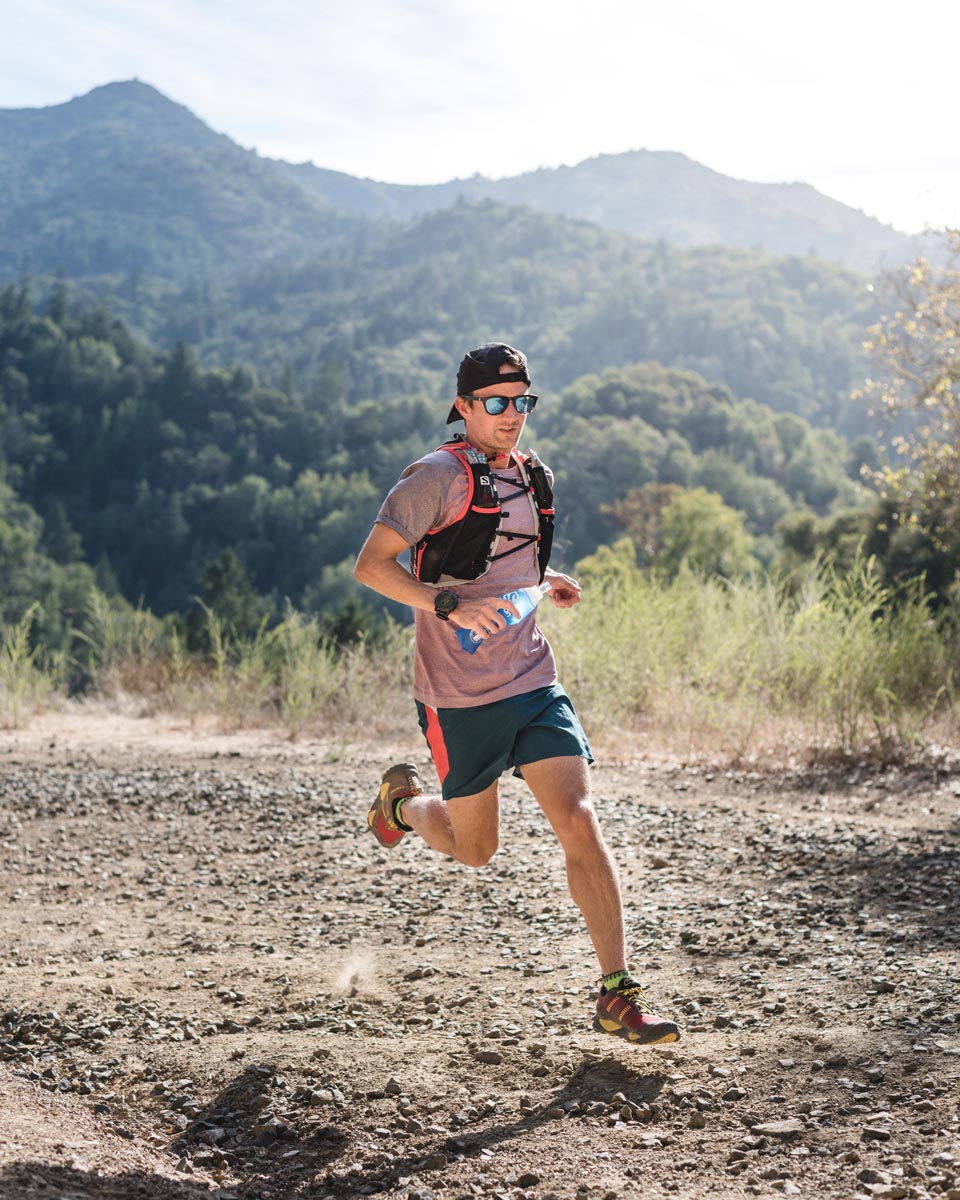
Hats shield your face from the sun and rain. Lightweight caps with breathability work best. Sunglasses protect your eyes from UV rays and dust. Wraparound styles stay secure and block side glare.
Hydration Packs And Belts
Hydration packs hold water and free your hands. They distribute weight evenly across your back. Belts with water bottles offer quick sips on the move. Staying hydrated boosts energy and focus.
Socks Designed For Trails
Trail socks reduce blisters and wick away sweat. Look for cushioned soles and breathable fabrics. Proper socks keep feet dry and comfortable for long runs. They also provide extra support in rough terrain.
Weather-specific Gear
Trail running means facing different weather conditions. Choosing the right gear helps keep you safe and comfortable. Weather-specific gear protects you from rain, cold, and sun. It also helps you perform better on the trail. Here are key items to consider for your trail running outfit.
Rain Jackets And Windbreakers
Rain jackets keep water out during wet runs. Look for lightweight, breathable materials. They stop rain but let sweat escape. Windbreakers block cold wind without heavy layers. Both protect your body from harsh weather. Pack one in case the weather changes fast.
Cold Weather Layers
Layering keeps you warm without overheating. Start with a moisture-wicking base layer to stay dry. Add an insulating layer for warmth. Finish with a windproof or waterproof outer layer. Choose thin, flexible clothes to move freely. Don’t forget gloves and a hat for extra warmth.
Sun Protection Strategies
Sun can burn your skin even on cloudy days. Wear a hat with a brim to shade your face. Use sunglasses that block UV rays. Apply sunscreen on all exposed skin before you start. Lightweight, long-sleeve shirts protect your arms from sunburn. Stay safe and enjoy the trail longer.
Safety And Visibility
Safety and visibility are key for every trail runner. Trails can be dark, busy, or uneven. Wearing the right outfit helps you stay seen and safe. Let’s explore some essential gear to improve your safety and visibility.
Reflective Elements
Clothes with reflective strips shine in low light. They make you visible to drivers and other runners. Reflective vests, jackets, and shoes add extra safety. Even small reflective details on hats or gloves help. Choose outfits with bright colors and reflective parts for best results.
Headlamps And Lighting
Headlamps light up your path in the dark. They free your hands and improve your view. Carry extra batteries to avoid running out of power. Clip-on lights on your shoes or backpack increase visibility. Use these lights during dawn, dusk, or night runs. Bright lights alert others to your presence.
Emergency Whistles And Gps Devices
Emergency whistles can call for help quickly. They are small and easy to carry on your outfit. GPS devices track your location and guide your route. Some watches and phones have built-in GPS for safety. Share your location with a friend or family before running. These tools add a layer of security to your trail runs.
Credit: www.icecreamfactoryny.com
Packing Light For Long Runs
Packing light is key for long trail runs. Carrying too much weight tires your body fast. Every extra item slows you down and uses more energy. Focus on essentials that keep you safe and fueled without bulk. Choose items that serve more than one purpose to save space.
Minimalist Gear Choices
Select gear that is small and light. A lightweight trail running vest or belt helps carry only what you need. Opt for a compact water bottle or hydration bladder. Wear clothes made from quick-dry, breathable materials. Avoid heavy fabrics that soak up sweat and add weight. Choose shoes with good grip but without extra padding or bulk.
Energy Snacks And Nutrition
Carry easy-to-eat snacks that provide quick energy. Energy gels, bars, and dried fruit work well. Avoid heavy or bulky food items. Small portions are better to keep your pack light. Plan your nutrition to avoid carrying too much. Hydrate frequently with water or electrolyte drinks. Fuel your body for steady energy during the run.
First Aid Essentials
Pack a small first aid kit for safety. Include blister pads, bandages, and antiseptic wipes. Carry pain relief tablets and any personal medication. Use a tiny container or bag to keep items organized. A compact whistle or emergency blanket adds safety without weight. Prepare for minor injuries but keep the kit minimal.
Maintaining And Caring For Gear
Taking care of your trail running outfit keeps it in good shape. Proper care helps your gear last longer. It also keeps you comfortable on every run. Dirt and sweat can damage shoes and clothes. Cleaning and storing your gear correctly prevents damage. Small efforts extend the life of your trail running items.
Cleaning Trail Shoes
Remove mud and dirt after each run. Use a soft brush or cloth to clean shoes. Avoid using harsh chemicals or strong detergents. Let shoes air dry in a cool, shaded place. Avoid direct sunlight or heat sources. Drying shoes too fast can cause cracks. Check the soles for stones or debris. Clean laces and insoles regularly for freshness.
Washing Technical Clothing
Wash trail running clothes after every use. Use cold water and mild detergent only. Avoid fabric softeners and bleach products. These can damage the fabric’s breathability. Turn clothes inside out before washing. Use a gentle cycle on the washing machine. Air dry clothes to keep their shape. Avoid tumble drying or ironing technical fabrics.
Storage Tips To Extend Gear Life
Store your gear in a cool, dry place. Keep shoes off the floor to avoid moisture. Use shoe trees or stuff shoes with paper. Hang clothes on wide hangers to keep shape. Avoid folding technical clothing tightly. Keep gear away from direct sunlight and dust. Regularly check stored gear for damage or mold. Proper storage keeps your trail running outfit ready.

Credit: styrkr.com
Frequently Asked Questions
What Is Essential In A Trail Running Outfit?
A trail running outfit must include moisture-wicking clothes, supportive shoes, and weather-appropriate layers. Comfort and durability are key. Proper gear prevents injuries and enhances performance.
How To Choose Trail Running Shoes?
Choose shoes with good grip, stability, and cushioning. Look for water resistance and breathability. Proper shoes protect your feet on rough terrain.
What Fabrics Are Best For Trail Running Clothes?
Synthetic fabrics like polyester and nylon are best. They wick moisture, dry quickly, and reduce chafing. Avoid cotton as it retains sweat and causes discomfort.
Should I Wear Compression Gear For Trail Running?
Compression gear can improve blood flow and reduce muscle fatigue. It offers support and may help recovery. However, it is a personal preference, not a must-have.
Conclusion
Choosing the right trail running outfit makes your run safer and more fun. Breathable clothes keep you cool and dry on tough trails. Good shoes protect your feet and give steady steps. Dress in layers to handle changing weather easily.
Don’t forget a hat or sunglasses for sun protection. A smart outfit helps you focus on the trail, not your gear. Enjoy every run with comfort and confidence. Ready to hit the trail? Your perfect outfit awaits.
