

Tees T Shirts: Top Trends and Styling Tips for Every Season
Tees T Shirts: The Complete Guide to Styles, Fabrics, and Fashion
T-shirts, also called tees, are one of the most popular types of clothing worldwide. They are simple, comfortable, and flexible enough for almost any occasion. From basic white tees to colorful graphic designs, t-shirts have become more than just a piece of fabric – they are a way to show personality, beliefs, and style. No matter your age, background, or fashion taste, you probably own more than one t-shirt.
But what makes tees so popular? Why do people choose them for both casual days and special events? In this guide, you will discover everything you need to know about t-shirts: the different types, fabrics, best styles for your body, care tips, and even how to design your own. Whether you want to understand the basics or find unique style ideas, you will find valuable insights here.
The History And Evolution Of T Shirts
The story of the t-shirt starts with simplicity. Originally, t-shirts were used as undergarments by soldiers. Their easy design and comfort made them perfect for wearing under uniforms. Over time, the t-shirt moved from hidden underwear to a top layer.
People began to wear them in public, and soon, t-shirts became popular casual clothing for everyone.
One key reason for their rise was their simple, T-shaped design. This shape made them easy to produce and comfortable to wear. By the middle of the last century, t-shirts started to appear with printed graphics and logos. Companies and bands used them for advertising, while people wore them to show support for teams or causes.
Today, t-shirts are found everywhere. They are worn for sports, work, fashion, and even as statements in social movements. With new printing methods and fabric options, the t-shirt continues to change and grow in popularity.
Main Types Of Tees T Shirts
Understanding the main types of t-shirts helps you choose the right style for your needs. Here are the most popular options:
1. Crew Neck
The crew neck t-shirt has a round neckline and no collar. It fits closely around the base of the neck. This classic style is popular because it suits most body types and is easy to layer with other clothes.
2. V-neck
The V-neck t-shirt has a V-shaped neckline. This style is good for people who want to look taller or have a longer neck. The V shape draws the eye down and can make the face look slimmer.
3. Scoop Neck
A scoop neck is similar to a crew neck but has a wider and deeper curve. This style is often seen in women’s fashion, giving a softer and more relaxed look.
4. Henley
Henley t-shirts have a round neckline with a buttoned placket. Usually, there are two to five buttons. This design mixes casual and smart styles, making it perfect for both relaxed and slightly formal occasions.
5. Polo Shirt
The polo shirt is a t-shirt with a collar and usually a few buttons at the neck. Originally used for sports, it is now a common choice for business-casual or smart-casual dressing.
6. Raglan Sleeve
Raglan t-shirts have sleeves that extend in one piece to the collar, giving a sporty look. The sleeves are often a different color from the body, making this style stand out.
7. Long Sleeve
Long sleeve t-shirts cover the arms completely. They are great for cooler weather and can be layered under jackets or sweaters.
8. Cap Sleeve
Cap sleeve tees have very short sleeves that cover only the shoulder. This style is popular in women’s fashion for a delicate and feminine look.
9. Muscle Tee
The muscle tee is sleeveless and designed to show off the arms. It is often worn for sports or gym workouts.
10. Tank Top
A tank top is a t-shirt without sleeves and with large armholes. It is cool for hot weather and often used for athletics.
11. Graphic Tee
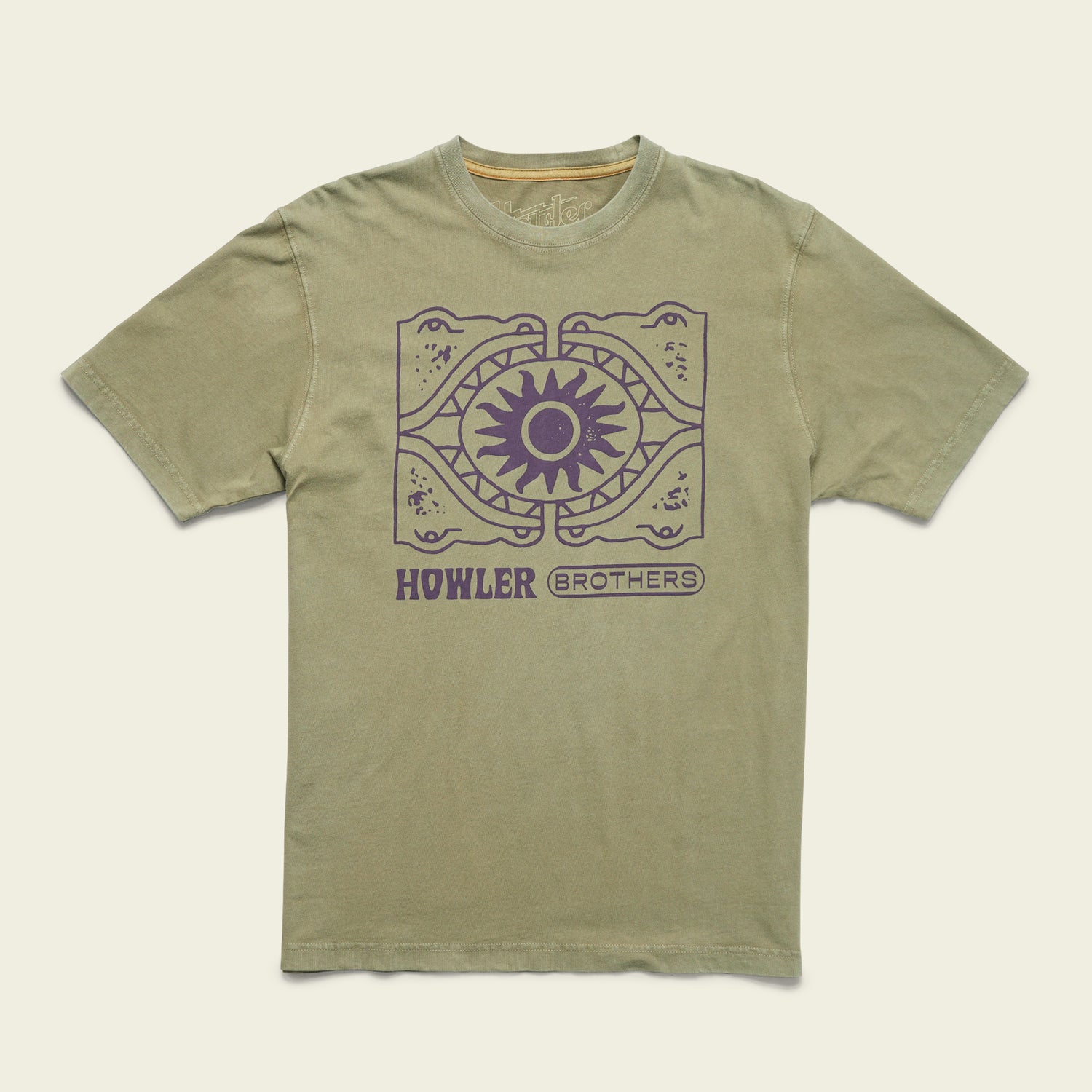
Graphic t-shirts feature printed designs, images, or text. These tees let you show off your personality, hobbies, or favorite brands.
12. Pocket Tee
The pocket tee is a simple t-shirt with a small pocket on the chest. It adds a touch of style and can hold small items.
13. Baseball Tee
Baseball tees are known for their three-quarter length sleeves and contrasting colors between the sleeves and body. They have a sporty and relaxed look.
14. Ringer Tee
A ringer tee features contrasting bands on the neck and sleeve edges. This retro style is eye-catching and playful.
15. Oversized Tee
Oversized t-shirts are loose and baggy, offering maximum comfort. They are trendy in streetwear and casual fashion.
T Shirt Fabrics: Pros, Cons, And How To Choose
The fabric of your t-shirt affects how it feels, fits, and lasts. Here are the most common materials and their features:
| Fabric | Main Features | Best For |
|---|---|---|
| Cotton | Soft, breathable, absorbs sweat | Everyday wear |
| Polyester | Lightweight, dries fast, wrinkle-resistant | Sports and travel |
| Cotton-Poly Blend | Durable, keeps shape, less shrinkage | Active lifestyles |
| Linen | Cool, natural, airy | Hot climates |
| Rayon | Silky, drapes well, soft touch | Fashion-forward styles |
| Bamboo | Eco-friendly, soft, antibacterial | Eco-conscious buyers |
| Spandex/Elastane | Stretchy, returns to shape | Activewear and fitted tees |
Choosing The Right Fabric
For everyday comfort, cotton is a favorite. It is soft and gentle on the skin, but can shrink if not washed correctly. Polyester is common in sports tees because it dries quickly and resists wrinkles. Blended fabrics offer the best of both worlds, giving you softness and strength.
If you want something light for hot weather, choose linen or bamboo. These natural fibers breathe well and keep you cool. For a dressier look, rayon feels smooth and looks elegant. When you need stretch, for example in gym shirts, look for a small amount of spandex.
One thing beginners often miss: high-quality cotton (like combed or ring-spun cotton) feels much smoother and lasts longer than basic cotton. Also, not all blends are the same – check the percentage of each fiber to match your needs.
Different Fits And How To Pick The Best
The fit of your t-shirt changes how it looks and feels. Here are the main fits and who they suit best:
1. Slim Fit
Slim fit tees are narrow and hug the body. They look sharp and modern, but can feel tight if you prefer more room.
2. Regular Fit
The regular fit is the most common. It has a straight cut and gives space for movement without being too loose.
3. Relaxed Fit
Relaxed fit t-shirts are wider and more comfortable. They are perfect for people who want a casual, laid-back look.
4. Athletic Fit
Athletic fits are designed for people with broad shoulders and narrow waists. They show off the upper body but are not too tight.
5. Oversized Fit
The oversized fit is intentionally baggy, often with dropped shoulders and extra-long sleeves. This is a bold fashion choice, popular in streetwear.
| Fit Type | Body Type | Style Suggestion |
|---|---|---|
| Slim | Lean, athletic | Layer under jackets |
| Regular | Average build | Everyday wear |
| Relaxed | Larger body types | Casual settings |
| Athletic | Muscular | Highlight upper body |
| Oversized | Any | Trendy/streetwear looks |
Choosing The Right Fit
Try on different styles to see what feels best. Remember, the perfect fit should not be too tight or too loose. It should let you move easily and look good from all angles. One thing many people forget: t-shirts can shrink after washing, so check the label and consider sizing up if you are between sizes.

Credit: www.amazon.com
Popular T Shirt Styles For Men
Men’s t-shirt fashion is simple but can be very stylish. Here are some top choices:
- Basic White Tee: This is a must-have in any wardrobe. It matches with jeans, shorts, or even under a blazer.
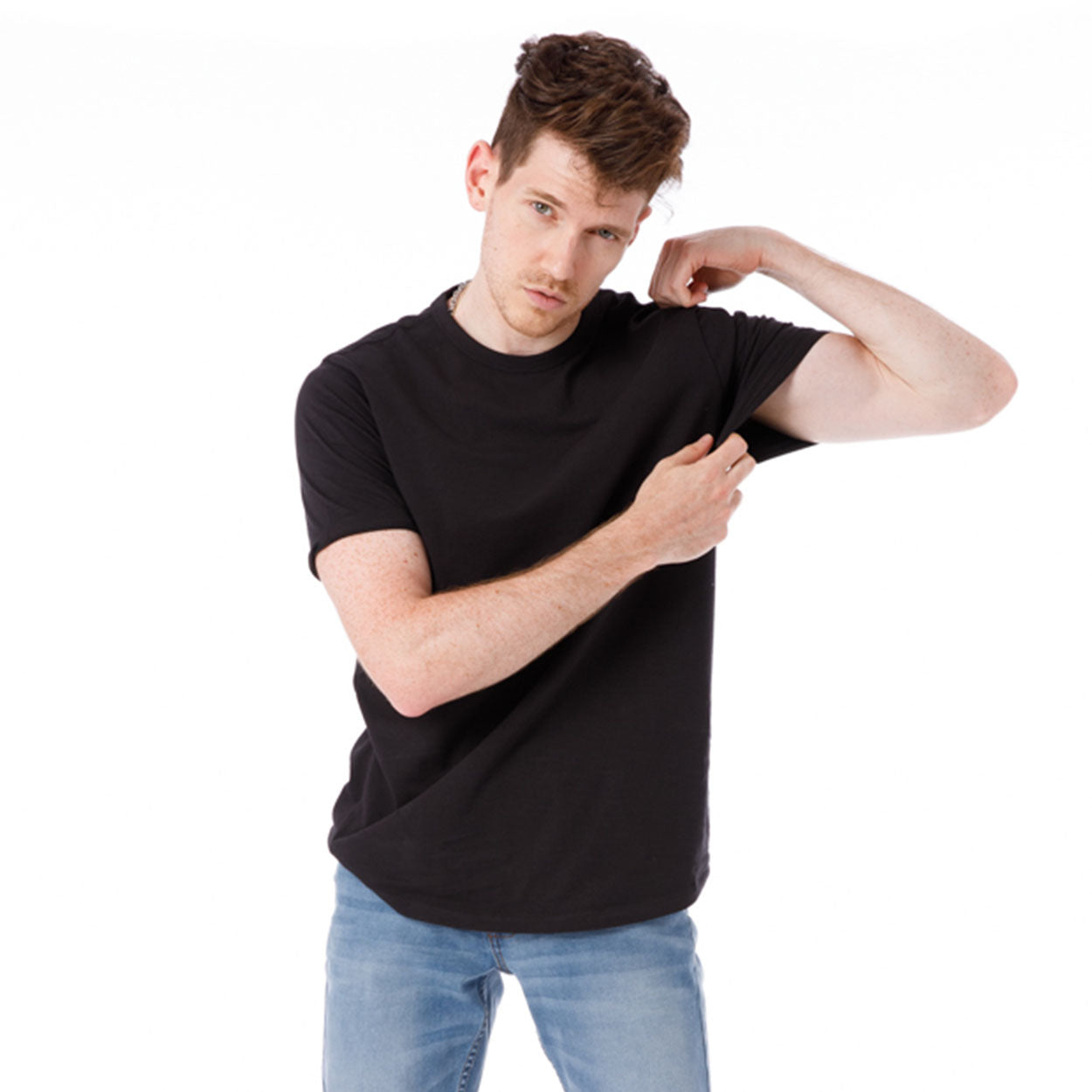
- Black T Shirt: Sleek and versatile, black tees can look casual or smart.
- Striped Tee: Stripes add interest and can make you look taller or slimmer.
- Pocket Tee: Adds a small detail without being too loud.
- Graphic Tee: Perfect for showing your hobbies, favorite bands, or art.
- Henley or Polo: Good for a more dressed-up casual look.
- Long Sleeve Tee: Great for layering in cooler weather.
- Raglan or Baseball Tee: Sporty and relaxed, often with contrasting sleeves.
- Muscle Tee: For the gym or hot days.
- Oversized Tee: Trending in streetwear for a bold, relaxed style.
For a classic look, pair a basic tee with jeans and sneakers. To dress up, wear a dark t-shirt with a jacket and nice trousers.
Popular T Shirt Styles For Women
Women’s t-shirt styles are varied and creative. Here are some of the most loved options:
- Fitted Crew Neck: Simple and flattering for most shapes.
- V-Neck Tee: Adds a feminine touch and lengthens the neck.
- Scoop Neck: Soft and gentle, good for layering.
- Cap Sleeve: Small sleeves for a delicate look.
- Cropped Tee: Shorter length, pairs well with high-waisted jeans or skirts.
- Oversized Tee: Worn with leggings or as a dress for relaxed style.
- Graphic or Slogan Tee: Makes a statement or adds fun.
- Striped or Patterned Tee: Adds color and playfulness.
- Pocket Tee: Practical and stylish.
- Long Sleeve Tee: For cooler days, easy to layer.
Mix t-shirts with different bottoms, like skirts, shorts, or layered under dresses, for unique outfits.
How To Style Tees T Shirts For Different Occasions
T-shirts can fit almost any setting if you style them right. Here are some ideas:
Casual
For a relaxed day out, wear a basic tee with jeans or shorts. Add sneakers or sandals and simple accessories. If it’s chilly, layer with a hoodie or light jacket.
Work/business Casual
A polo or plain dark tee under a blazer can work for casual office settings. Pair with chinos or smart trousers. Avoid graphics for a clean look.
Party Or Night Out
Choose a graphic tee with bold prints or metallic details. Wear with a leather jacket, slim jeans, and boots for an edge.
Gym Or Sports
Pick a polyester or spandex tee for moisture control. Match with shorts or track pants and proper shoes.
Layered Looks
T-shirts are great for layering. Wear a long sleeve tee under a short sleeve one for contrast. Or, try a tee under a shirt or sweater for extra style.
Pro Tip: Many People Don’t Experiment With Tucking In Tees. A Simple Front Tuck Can Change Your Look And Highlight Your Waist.
T Shirt Printing Methods Explained
Designing your own t-shirt is easier than ever. Here are the main ways to print on tees:
1. Screen Printing
A design is pushed through a mesh screen with ink. This method is best for large orders and simple designs. It gives bright, long-lasting prints.
2. Direct To Garment (dtg)
A printer applies the design directly onto the fabric. This works well for detailed, colorful images and small batches.
3. Heat Transfer
A design is printed on paper, then pressed onto the shirt with heat. It’s fast and good for home use, but the print may crack over time.
4. Dye Sublimation
For polyester tees, dye is turned into gas and bonds with the fabric. The print feels soft and doesn’t fade, but only works on light, synthetic fabrics.
5. Embroidery
Instead of printing, the design is stitched with thread. This gives a textured, high-quality look, often used for logos on polos.
| Printing Method | Best For | Pros | Cons |
|---|---|---|---|
| Screen Printing | Bulk orders | Durable, vibrant | Setup costs, not for photos |
| DTG | Small batches | Detailed, many colors | Less durable on dark tees |
| Heat Transfer | Home/DIY | Easy, fast | Print can crack |
| Dye Sublimation | Polyester tees | Soft feel, lasting | Needs light fabric |
| Embroidery | Logos, polos | Premium look | Not for large images |
How To Care For Your Tees T Shirts
Good care keeps your favorite tees looking new. Follow these tips:
- Read the Label: Always check washing instructions. Some tees need gentle washing or cold water.
- Wash Inside Out: Turn shirts inside out to protect prints and colors.
- Avoid High Heat: Hot water and dryers can shrink or fade tees. Air dry or use low heat.
- Use Mild Detergent: Strong chemicals can damage fabric and prints.
- Don’t Overload Washer: Give shirts space so they clean evenly and don’t get twisted.
- Store Properly: Fold t-shirts neatly or hang them to prevent wrinkles.
- Iron with Care: If you must iron, use a low setting and avoid printed areas.
A common mistake: people often wash all tees the same way, but different fabrics need different care. For example, bamboo and rayon need extra care to avoid pilling.
Sustainable And Ethical T Shirts
As people care more about the planet, eco-friendly t-shirts are growing in popularity. Here’s what to look for:
- Organic Cotton: Grown without harmful chemicals, safer for the environment.
- Recycled Fabrics: Made from reused materials like plastic bottles or old clothing.
- Fair Trade Certification: Ensures workers are paid fairly and work in safe conditions.
- Low-Impact Dyes: Reduce water and chemical use.
Buying sustainable tees helps protect nature and supports ethical businesses. Always check labels and company information before buying.
For more on sustainable fashion, visit the Fashion Revolution website.
Credit: theperfectjean.nyc
Custom Tees T Shirts: Design And Personalization
Custom t-shirts are a great way to express yourself. You can design tees for events, teams, family reunions, or personal brands.
Steps To Create Your Own T Shirt
- Choose Shirt Type and Fabric: Pick the style and material that fits your use.
- Create a Design: Use online tools or work with a graphic designer.
- Select Printing Method: Consider your budget, order size, and design details.
- Order Samples: Always test a sample before buying in bulk.
- Check Sizes: Offer a size guide if making shirts for others.
- Review and Approve: Double-check spelling, colors, and placement before final printing.
Beginners often forget to test their design on different shirt colors. Some prints look great on white but disappear on dark fabrics.
T Shirts In Pop Culture And Fashion
T-shirts are more than clothing – they are part of culture. Famous musicians, actors, and artists have used tees to make statements. For example, band t-shirts show music taste, while political tees share messages or beliefs.
Many fashion brands have turned the t-shirt into a luxury item. Some rare graphic tees are collected and sold for high prices. In streetwear, oversized and logo-heavy tees are especially popular.
Fashion experts often say: “If you want to know what’s cool right now, look at t-shirt designs in your city.”
Buying Guide: What To Consider Before Purchasing
With so many options, how do you choose the best t-shirt for your needs? Here are key points:
- Purpose: Is it for daily wear, sports, work, or a special event?
- Fabric Quality: Feel the shirt and check for smoothness and strength.
- Fit and Size: Try it on if possible. Check size charts if buying online.
- Color and Style: Pick colors that suit your skin tone and go with your wardrobe.
- Print Quality: For graphic tees, check that the print is clear and does not crack.
- Brand Reputation: Read reviews and buy from trusted sellers.
- Price vs. Value: Higher price does not always mean better quality. Compare options.
A key insight: Many people focus too much on price or design, but forget about comfort. Always pick what feels good to wear.
Common Mistakes When Choosing Or Wearing T Shirts
Even simple clothing like t-shirts comes with some easy-to-make mistakes:
- Choosing the Wrong Size: Too tight or too loose can look messy.
- Ignoring Fabric Needs: Hot weather and cold weather need different materials.
- Not Caring for Prints: Washing graphic tees incorrectly ruins their look.
- Wearing Faded or Stained Shirts: Old tees are fine for home, but not for public events.
- Overusing Trends: Not every trend fits every person. Choose what suits you, not just what’s popular.
- Poor Layering: A thick tee under a fitted jacket can feel bulky and uncomfortable.
Remember: T-shirts are about feeling good and looking good. Comfort and confidence matter more than following every trend.
Credit: howlerbros.com
Frequently Asked Questions
What Is The Difference Between A Tee And A T-shirt?
Both words mean the same item of clothing. “Tee” is just a short form of “t-shirt.” Both refer to a simple, T-shaped shirt, usually without a collar.
How Do I Know If A T-shirt Is High Quality?
Check the fabric – high-quality tees feel soft, strong, and smooth. Look at the stitching: it should be even and tight, with no loose threads. Premium shirts often use combed or ring-spun cotton.
Can I Wear A T-shirt To A Formal Event?
Usually, t-shirts are casual. However, a plain, well-fitted t-shirt under a blazer can work for smart-casual events. For very formal settings, shirts with collars are a better choice.
How Should I Wash Graphic T-shirts?
Turn them inside out, use cold water, and mild detergent. Avoid high heat in the dryer. This protects the print and keeps colors bright.
Are Sustainable T-shirts Worth The Higher Price?
Yes, sustainable tees help protect the environment and support fair labor practices. They often last longer and feel better, making them a smart investment over time.
T-shirts are a timeless piece of clothing, loved by people everywhere. From simple basics to bold designs, there is a tee for every style and occasion. By knowing the different types, fabrics, and fits, you can build a wardrobe that is comfortable, practical, and always in fashion.
Whether you want to make a statement, stay cool, or just relax, the right t-shirt is ready for you.
