

Tee Shirt Trends: Elevate Your Style With Fresh Designs
A t-shirt is more than just a piece of clothing. Simple, comfortable, and versatile, it has become a global staple for people of every age and background. From its beginnings as an undergarment to its status as a symbol of identity, protest, and style, the tee shirt has a fascinating story. Understanding its history, construction, uses, and cultural impact can help anyone appreciate why the t-shirt remains one of the most loved items in wardrobes worldwide.
The Evolution Of The Tee Shirt
The journey of the t-shirt starts with humble roots. Originally, it was worn as an undershirt by workers and soldiers. Its lightweight, breathable cotton made it ideal for hot environments. Over time, people began wearing t-shirts as outerwear. This shift was partly due to changing social attitudes towards casual dress.
Eventually, the t-shirt became a canvas for art, messages, and brands.
A few factors pushed the t-shirt into the spotlight:
- Hollywood influence: Popular actors in movies helped make the t-shirt cool and rebellious.
- Music and pop culture: Bands and artists used t-shirts to connect with fans.
- Sports: Teams started printing logos and names on t-shirts, boosting their popularity.
Today, t-shirts are everywhere. They are used for fashion, workwear, advertising, and personal expression.
Types Of Tee Shirts
Not all t-shirts are the same. There are many styles, shapes, and fits for different needs and tastes.
Classic Crew Neck
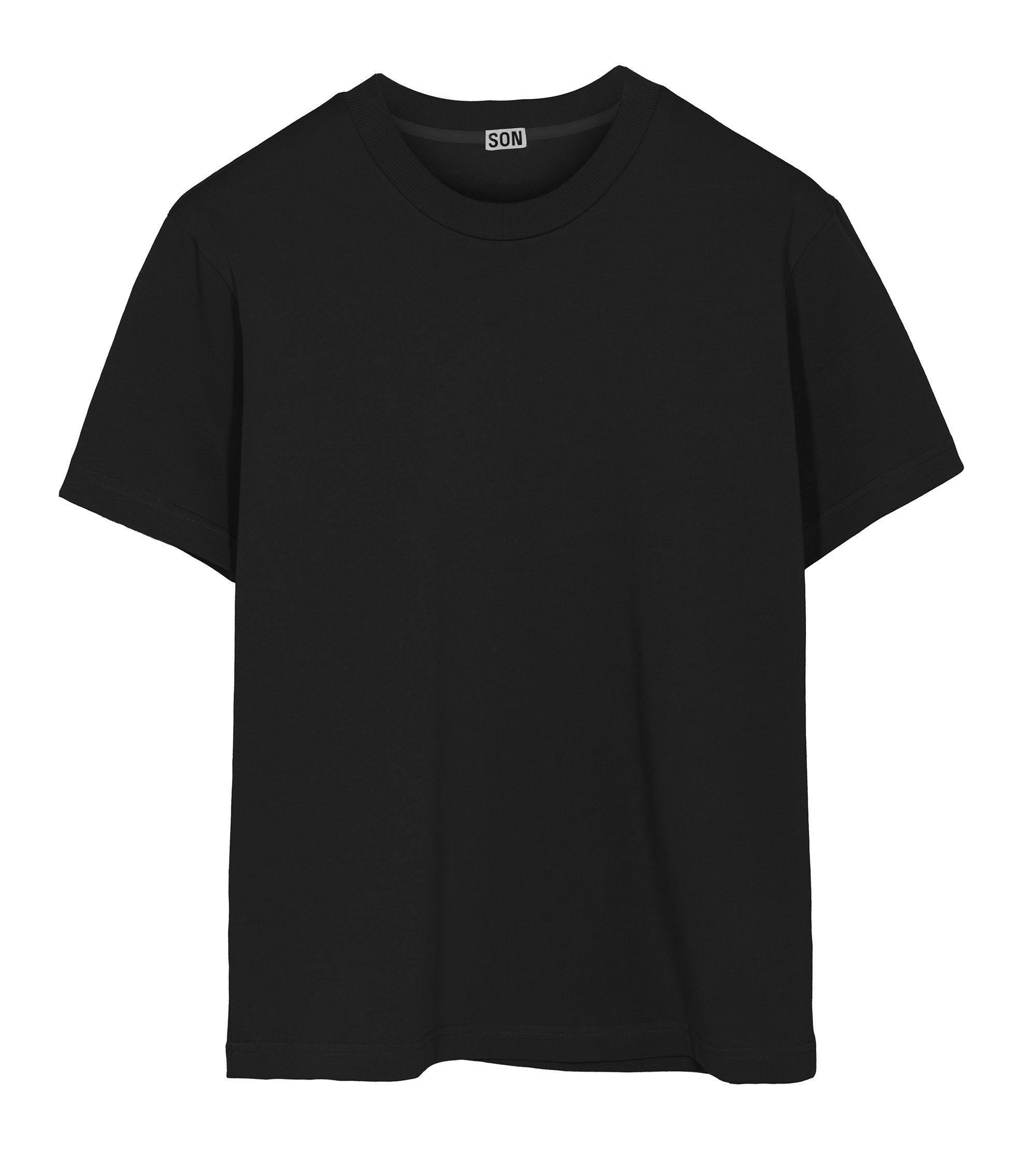
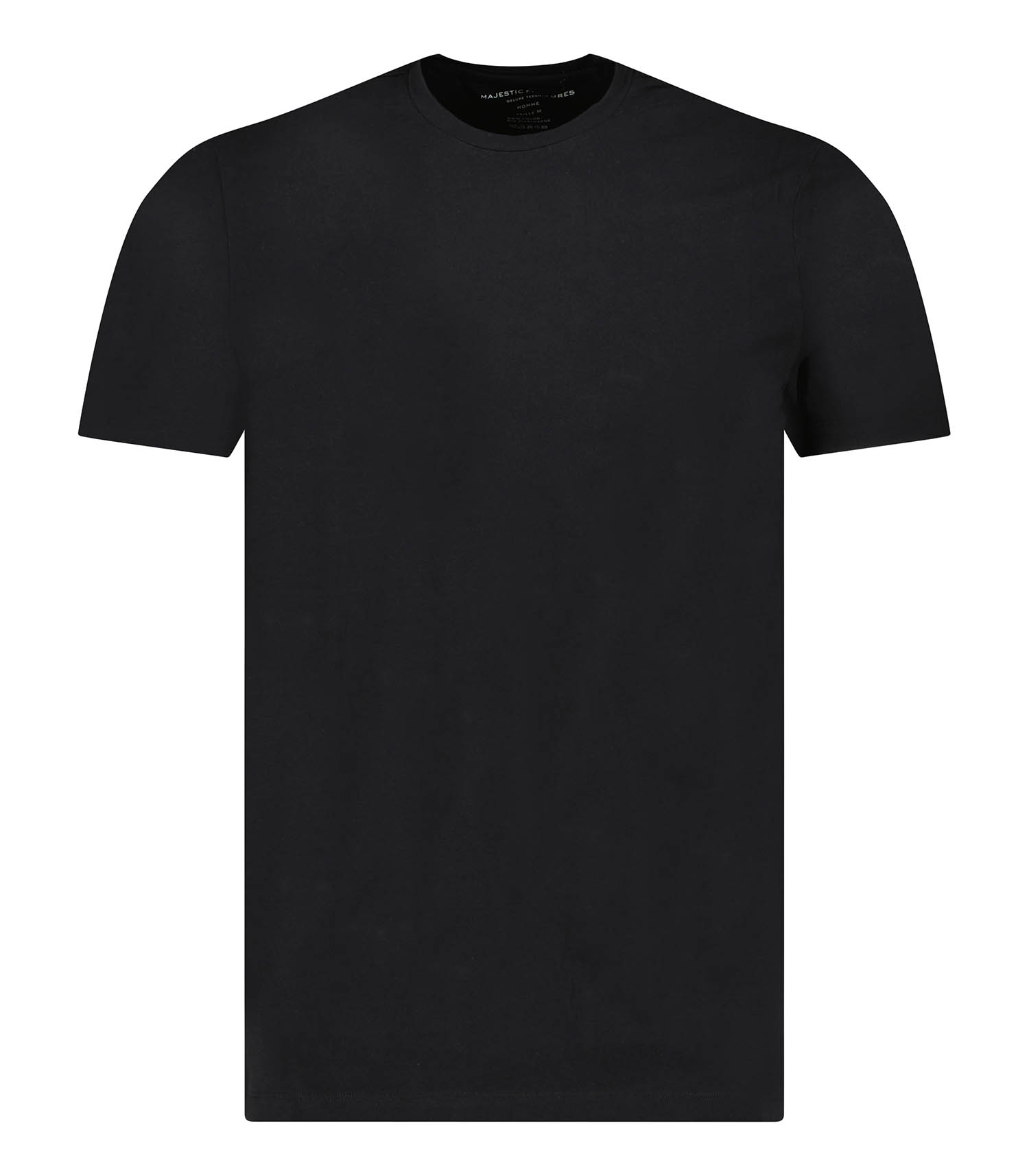
This is the most common t-shirt style. The crew neck has a round neckline and fits snugly at the neck. It works well for layering and suits all body types.
V-neck
A V-neck t-shirt has a neckline shaped like a V. It adds a touch of style and can make the neck look longer. It’s a popular option for both men and women.
Scoop Neck
The scoop neck has a wider and deeper neckline than the crew neck. This style is often chosen for a more relaxed, feminine look.
Polo T-shirt
A polo t-shirt features a collar and a few buttons at the neck. While it’s technically a type of t-shirt, the collar adds a smart-casual vibe, making it suitable for semi-formal settings.
Long Sleeve Tee
Long sleeve t-shirts provide extra coverage and warmth. They are perfect for layering in cooler weather.
Raglan Sleeve
Raglan sleeve t-shirts have sleeves that extend in one piece to the collar, giving a sporty look. The sleeves are often a different color than the body.
Pocket Tee
A pocket tee is a standard t-shirt with a small pocket sewn on the chest. The pocket adds a little detail and functionality.
Graphic Tee
This is any t-shirt that features a printed image, logo, or text. Graphic tees are used for self-expression, advertising, or art.
Muscle Tee
A muscle tee is sleeveless and designed to show off the arms. It’s common in athletic and fitness settings.
Crop Top Tee
A crop top t-shirt is cut short, exposing the midriff. This style is popular in fashion and casual wear.
Materials Used In Tee Shirts
The fabric of a t-shirt affects how it feels, lasts, and looks. Here are the most common materials:
Cotton
Cotton is the most popular t-shirt fabric. It’s soft, breathable, and comfortable. There are several types:
- Combed cotton: Finer, softer, and stronger than regular cotton.
- Organic cotton: Grown without pesticides, making it more eco-friendly.
Polyester
Polyester is a synthetic material that dries quickly and resists wrinkles. It’s often blended with cotton for added durability.
Blends
Many t-shirts are made from a mix of fibers. Common blends include:
- Cotton-polyester: Soft and strong, less likely to shrink.
- Tri-blend: Cotton, polyester, and rayon. These are soft, stretchy, and drape well.
Rayon
Rayon is semi-synthetic, made from wood pulp. It feels smooth and silky, making the t-shirt drape nicely.
Bamboo
Bamboo fabric is soft, antibacterial, and eco-friendly. It absorbs moisture well and is gentle on sensitive skin.
Linen
Linen t-shirts are lightweight and cool. They are perfect for hot weather but wrinkle easily.
Below is a comparison of popular t-shirt materials:
| Material | Comfort | Durability | Breathability | Care |
|---|---|---|---|---|
| Cotton | High | Good | Excellent | Easy |
| Polyester | Medium | Very Good | Medium | Very Easy |
| Tri-blend | Very High | Good | Excellent | Easy |
| Rayon | High | Low | Good | Hand Wash |
| Bamboo | Very High | Good | Excellent | Easy |
How Tee Shirts Are Made
The process of making a t-shirt may seem simple, but it involves many steps. Here’s a basic overview:
- Design: The look, color, and fit are planned.
- Fabric Selection: The right material is chosen.
- Cutting: Large rolls of fabric are cut into t-shirt shapes.
- Sewing: Pieces are stitched together.
- Printing or Dyeing: Graphics or colors are added.
- Quality Check: Finished t-shirts are checked for defects.
- Packing: T-shirts are folded, packed, and sent to stores.
Some t-shirts are made using sustainable methods. For example, factories may use less water, recycle fabric scraps, or pay fair wages. These eco-friendly efforts are becoming more common as consumers demand better practices.

Credit: shop.undp.org
Tee Shirt Printing Techniques
Printing is what makes a t-shirt unique. There are several ways to print designs on t-shirts:
Screen Printing
Screen printing is the most traditional method. Ink is pushed through a mesh screen onto the fabric. This technique is great for bold, simple designs and large batches.
Direct-to-garment (dtg) Printing
With DTG printing, a special printer sprays ink directly onto the t-shirt. This method allows for detailed, colorful images, even in small quantities.
Heat Transfer
Heat transfer uses heat and pressure to apply a printed design from a transfer paper onto the t-shirt. It's good for small runs and custom shirts.
Sublimation
Sublimation prints are made by turning ink into gas, which bonds with polyester fabric. The result is a smooth, long-lasting design.
Embroidery
Some t-shirts feature embroidery instead of print. This involves stitching a design onto the shirt with thread. It gives a more premium, textured look.
Here’s a quick comparison of popular printing methods:
| Method | Best For | Durability | Color Range | Setup Cost |
|---|---|---|---|---|
| Screen Printing | Large Orders | Excellent | Limited | High |
| DTG Printing | Small Orders | Good | Full Color | Low |
| Heat Transfer | Custom Designs | Medium | Full Color | Low |
| Sublimation | Polyester Shirts | Excellent | Full Color | Medium |
| Embroidery | Logos, Text | Excellent | Limited | Medium |
The Role Of Tee Shirts In Fashion
The t-shirt is a true fashion icon. Its simple shape can be transformed by color, print, or fit. Designers use t-shirts to make bold statements or as a base for creative looks. Here’s why t-shirts are so important in fashion:
- Versatility: They can be dressed up or down, layered, or worn alone.
- Expression: T-shirts let people show their personality, beliefs, or favorite brands.
- Affordability: Most t-shirts are budget-friendly, making trends accessible to everyone.
- Unisex appeal: T-shirts are worn by all genders, ages, and sizes.
Some luxury brands create limited-edition t-shirts that become collector’s items. At the same time, streetwear brands use t-shirts to build loyal communities.
Tee Shirts As A Canvas For Self-expression
One of the most powerful things about the t-shirt is its use as a form of self-expression. People use t-shirts to:
- Show support for causes or movements
- Share jokes, memes, or pop culture references
- Represent teams, schools, or companies
- Display artwork or custom designs
For many, a t-shirt is like a personal billboard. You can communicate with the world without saying a word.
Tee Shirts In Marketing And Promotion
Businesses love using t-shirts to promote their brands. Here’s why:
- Walking advertisement: When someone wears a branded t-shirt, they spread the message everywhere they go.
- Low cost: T-shirts are affordable to produce in large quantities.
- Keepsake value: People tend to keep and wear t-shirts for a long time.
Event organizers, companies, and charities all use t-shirts to create team spirit or spread awareness.
Credit: www.sonofatailor.com
Sustainability And Ethical Concerns
While t-shirts are loved worldwide, their production can harm the environment. Common problems include:
- Heavy water use in cotton farming
- Use of pesticides and chemicals
- Poor working conditions in some factories
Many brands are now working to make t-shirt production more sustainable. Some key solutions include:
- Using organic cotton and recycled materials
- Reducing water and energy use
- Ensuring fair wages and safe workplaces
Buying from brands that support these efforts can help reduce the negative impact of fashion.
How To Choose The Right Tee Shirt
Picking the perfect t-shirt may seem simple, but a few details can make a big difference.
Fit
A good fit is key. Pay attention to:
- Shoulder seams: They should line up with your shoulders.
- Sleeve length: Choose short, long, or rolled sleeves depending on your style.
- Body length: The t-shirt should end around your hips.
Fabric
Think about comfort and the weather. Choose cotton for breathability, polyester for sports, or blends for a balance.
Neckline
Pick the neckline that suits your body and taste. Crew necks are classic, V-necks are stylish, and scoop necks are relaxed.
Color And Style
Neutral colors like black, white, and gray are versatile. Bright colors or prints add personality.
Purpose
Are you buying for sports, fashion, or work? The purpose will help guide your choice.
Here’s a simple table to help you choose:
| Purpose | Best Fit | Material | Style |
|---|---|---|---|
| Everyday Wear | Regular | Cotton | Crew/V-Neck |
| Sports/Fitness | Slim/Athletic | Polyester/Blend | Raglan/Muscle |
| Work/Uniform | Relaxed | Blend | Polo |
| Fashion | Cropped/Loose | Rayon/Bamboo | Graphic/Crop Top |
Common Mistakes When Buying Tee Shirts
Even experienced shoppers can make mistakes when buying t-shirts. Here are some to avoid:
- Ignoring fit: A t-shirt that’s too loose or tight won’t look or feel good.
- Choosing cheap fabrics: Low-quality materials can shrink, fade, or feel uncomfortable.
- Not checking care labels: Some t-shirts require special washing or ironing.
- Falling for trends: Trendy prints or cuts may go out of style quickly.
- Overlooking stitching: Poor stitching can mean the shirt will fall apart sooner.
One insight many miss: even a simple white t-shirt can look premium if the fabric and stitching are high quality. Paying attention to these details can make your t-shirt last longer and look better.
Tee Shirts In Different Cultures
Around the world, the t-shirt has taken on different meanings. In some countries, it’s worn mostly at home or for sports. In others, it’s a symbol of youth culture or protest.
- In Asia, some people prefer looser, oversized t-shirts for comfort and modesty.
- In Western countries, fitted t-shirts are often seen as more stylish.
- In parts of Africa, t-shirts are sometimes decorated with local prints and colors.
One thing is clear: the t-shirt is truly global, adapting to local styles and cultures everywhere.
Caring For Your Tee Shirts
Proper care can help t-shirts keep their color, shape, and softness. Here are some practical tips:
- Wash in cold water: This reduces shrinking and fading.
- Turn inside out: Protects prints and reduces pilling.
- Avoid high heat: Use low heat for drying or air dry to prevent damage.
- Iron carefully: Only if needed, and avoid ironing directly on prints.
A non-obvious tip: Avoid using too much detergent. Excess soap can build up in the fibers, making shirts stiff and dull over time.
The Business Of Tee Shirts
The t-shirt industry is big business. It covers everything from plain basics to designer collaborations. Here are some important facts:
- Billions of t-shirts are sold globally each year.
- Custom t-shirt printing is a fast-growing market, fueled by online stores.
- Many small businesses start by selling t-shirts online.
If you want to start a t-shirt business, focus on unique designs, good quality, and ethical sourcing. With the right strategy, even a small brand can find success.
Innovations In Tee Shirt Technology
T-shirt technology is always evolving. Some recent innovations include:
- Moisture-wicking fabrics: Keep sweat away from the body, great for athletes.
- Antibacterial coatings: Help prevent odors.
- Eco-friendly dyes: Reduce environmental impact.
- Smart fabrics: Embedded with tech to track health or fitness.
These advances make t-shirts more comfortable, functional, and sustainable than ever before.
The Future Of The Tee Shirt
The future of t-shirts looks bright. As people demand more comfort and sustainability, brands are responding with new materials, better production methods, and customizable options. Expect to see:
- More recycled fabrics
- Personalized t-shirt printing
- Smarter sizing tools online
- Greater transparency about how shirts are made
T-shirts will continue to adapt as trends and technology change.
For a deeper look into the history and impact of t-shirts, visit the Wikipedia page on T-shirts.
Credit: stogagirlssoccer.com
Frequently Asked Questions
What Is The Best Material For A Tee Shirt?
Cotton is the most popular for comfort and breathability. For sports, a cotton-polyester blend works well. If you want something eco-friendly, look for organic cotton or bamboo.
How Should A Tee Shirt Fit?
The best fit depends on your style and body. Generally, the shoulder seams should sit at your shoulders, and the shirt should be comfortable but not baggy. Try different fits to see what feels right.
How Can I Keep My T-shirts From Shrinking?
Wash t-shirts in cold water and avoid high heat when drying. Check the care label for any special instructions, and consider air-drying your shirts.
Are Graphic Tees Out Of Style?
Graphic tees remain popular. The style of graphics may change, but wearing a t-shirt with a unique print, artwork, or message is always in fashion.
Can Tee Shirts Be Formal?
While t-shirts are mostly casual, you can dress them up with a blazer or smart jacket, especially if they are a solid color or have minimal design. Polo t-shirts also work well in smart-casual settings.
The t-shirt is more than just clothing—it is a cultural icon, a business tool, and a personal statement. Whether you prefer classic white, bold graphics, or sustainable materials, there’s a t-shirt for everyone. With a little care and attention, your favorite tee can last for years, looking great and feeling comfortable every time you wear it.
