

T-Shirt Shop Success: Tips to Boost Sales and Stand Out
Opening a t-shirt shop is more than just selling clothes—it’s about building a brand, connecting with customers, and making a mark in the fashion world. Whether you’re dreaming of a physical store, an online business, or a blend of both, the t-shirt industry remains a popular choice for entrepreneurs. The appeal is simple: t-shirts are universal, versatile, and loved by people of all ages. But behind every successful t-shirt shop is a thoughtful strategy, creative ideas, and an understanding of what makes customers come back for more.
This guide will walk you through everything you need to know about starting and running a t-shirt shop. From planning and design to choosing the right suppliers, setting up your store, and marketing your products, each step is important. You’ll also discover insights that many beginners overlook, helping you avoid common mistakes and make smarter choices along the way.
Whether you’re planning your first shop or looking to improve your existing business, you’ll find practical advice, real examples, and clear steps to help you succeed.
Understanding The T-shirt Market
The t-shirt market is huge and constantly growing. People buy t-shirts for many reasons—fashion, comfort, branding, events, or as gifts. This demand creates many opportunities but also brings tough competition.
Key Market Segments
To stand out, you need to know your audience. Here are a few main groups:
- Casual wear shoppers: People looking for comfortable, everyday t-shirts.
- Fashion-forward buyers: Customers who want trendy or designer prints.
- Business clients: Companies that need branded t-shirts for staff or events.
- Event organizers: Groups ordering t-shirts for sports, concerts, or fundraisers.
- Collectors and fans: People who love unique, limited-edition, or pop culture-themed shirts.
Understanding which group you want to serve will help you design better products and target your marketing.
T-shirt Industry Trends
- Sustainable materials are becoming more important. Many shoppers prefer organic cotton or recycled fabrics.
- Personalization is popular—people like custom prints, names, or graphics.
- Online shopping dominates, but local stores can still attract loyal customers.
- Graphic designs and collaborations with artists or influencers can boost sales.
If you notice a trend early, you can attract new customers and set your shop apart.
Planning Your T-shirt Shop
Before you print your first shirt or build your website, take time to plan. Good planning saves money, reduces mistakes, and helps you grow faster.
Define Your Brand
A strong brand is more than just a logo. It’s the personality of your shop. Ask yourself:
- What makes your t-shirts special?
- Who is your ideal customer?
- What message or feeling do you want your designs to share?
For example, a t-shirt shop selling eco-friendly shirts to students might use earthy colors, simple packaging, and messages about caring for the planet.
Choose Your Selling Model
There are several ways to run a t-shirt shop:
- Brick-and-mortar store: A physical shop in a busy area. Good for local customers, but higher costs.
- Online shop: Sell through your own website or platforms like Etsy, Amazon, or Shopify. Lower costs and a global audience.
- Pop-up shops or market stalls: Temporary shops at events or markets. Great for testing ideas or reaching new customers.
- Hybrid: Combining online and offline sales for more flexibility.
Each model has pros and cons. For example, online shops need strong photos and fast shipping, while physical stores need a good location and eye-catching displays.
Write A Business Plan
A simple business plan can guide your decisions and attract partners or investors. Include:
- Your brand vision and goals
- Target market and competitors
- Marketing ideas
- Budget and expected expenses
- Pricing strategy
Many beginners skip this step, but a clear plan makes it easier to stay focused.
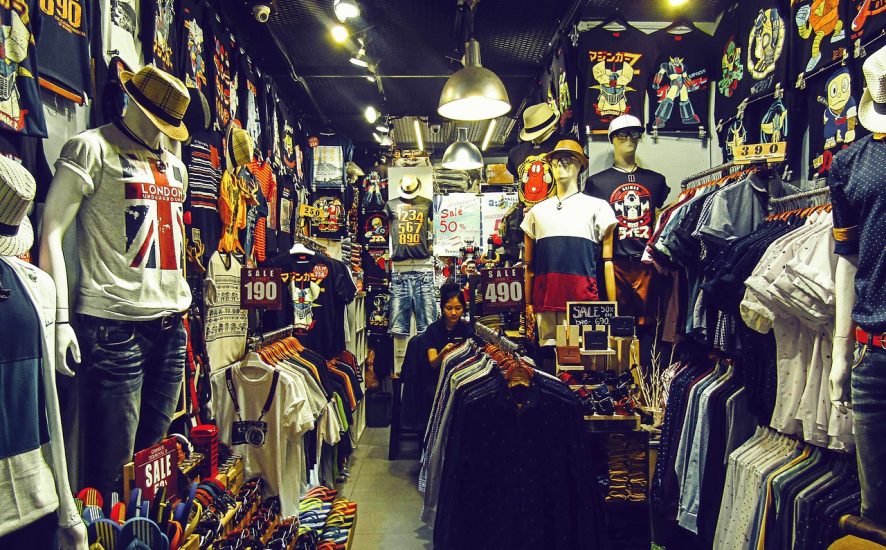
Credit: www.contrado.com
Designing Your T-shirts
Design is at the heart of every t-shirt shop. Good designs turn simple shirts into must-have items.
Finding Inspiration
Look for ideas in everyday life, art, music, or popular culture. Follow trends, but don’t just copy what’s popular. Unique designs build a loyal following.
Some shops work with local artists, hold design contests, or let customers submit their own ideas. This creates a sense of community and fresh designs.
Choosing Printing Methods
There are several ways to print t-shirts. The method you choose affects cost, quality, and how many shirts you can produce.
| Printing Method | Best For | Pros | Cons |
|---|---|---|---|
| Screen Printing | Large orders | Durable, bright colors, cost-effective in bulk | Setup costs, not ideal for complex or small orders |
| Direct-to-Garment (DTG) | Small batches, detailed designs | No setup, detailed images, easy to customize | Slower for large runs, higher cost per shirt |
| Heat Transfer | Custom or single shirts | Simple, good for small runs, fast | Less durable, may crack over time |
| Embroidery | Logos, premium designs | Professional look, durable | Higher cost, not for all designs |
Selecting Fabrics
The fabric you use can affect how customers feel about your t-shirts. Here’s a quick comparison:
| Fabric | Features | Best For |
|---|---|---|
| Cotton | Soft, breathable, affordable | Everyday wear |
| Organic Cotton | Eco-friendly, gentle on skin | Eco-conscious buyers |
| Polyester | Durable, resists wrinkles, dries fast | Sports, activewear |
| Cotton-Poly Blend | Mix of comfort and strength | General use |
| Tri-Blend | Soft, lightweight, stylish | Premium, fashion t-shirts |
A common mistake is choosing the cheapest fabric. Customers notice quality, and a comfortable shirt is more likely to be worn and recommended.
Sourcing And Production
Once you have your designs, you need reliable suppliers and printers. This is where many new t-shirt shops face problems. Here’s how to do it right.
Finding Suppliers
You need a steady supply of blank t-shirts and printing services. Look for:
- Quality: Ask for samples before making large orders.
- Price: Compare costs, but don’t always choose the cheapest.
- Reliability: Can they deliver on time, every time?
- Sustainability: More customers want eco-friendly options.
Ask other shop owners for recommendations or search online directories. Building a good relationship with your supplier can mean better prices and faster service.
Production Process
Decide whether you want to keep stock or print on demand:
- Print on demand: You only print shirts when someone orders. This saves money and storage space, but production takes longer.
- Bulk printing: You print many shirts at once. This is cheaper per shirt but requires more investment and storage.
Print on demand is popular for online shops, while physical stores often print in bulk. Watch for hidden costs like shipping, setup fees, or returns.
Quality Control
Always check your final products before selling. Look for:
- Clear, sharp prints
- No stains, holes, or loose threads
- Correct sizes and colors
A few bad shirts can ruin your reputation, so pay close attention to quality.
Setting Up Your Shop
Your shop—online or offline—needs to be attractive, easy to use, and memorable.
Building An Online Store
Most new t-shirt shops start online. You can build your own website or use a marketplace. Here’s what you need:
- Domain name: Choose something short, catchy, and easy to spell.
- E-commerce platform: Shopify, WooCommerce, and BigCommerce are popular. They handle payments, shipping, and inventory.
- Product photos: Show your t-shirts from different angles, on real people, and close-up. Clear photos increase sales.
- Easy checkout: The buying process should be quick and simple.
- Mobile-friendly design: More people shop on phones, so your site must look good on all devices.
If you use a marketplace like Etsy or Amazon, you get instant access to millions of buyers, but you have less control over your brand.
Creating A Physical Store
If you want a local shop, location is key. Look for areas with lots of foot traffic, such as shopping streets or near colleges. Your store should feel inviting, with:
- Bright lighting
- Neat displays and clear signage
- Fitting rooms, if possible
- Friendly, helpful staff
Window displays and in-store promotions can draw people inside. Offer free Wi-Fi or a seating area to make your shop more welcoming.
Blending Online And Offline
Many successful shops combine both. For example, you can:
- Host events in your store and share them online
- Offer in-store pickup for online orders
- Use social media to drive traffic to your physical shop
A multi-channel approach helps you reach more customers and build loyalty.
Pricing Your T-shirts
Finding the right price is a balance between covering costs, making profit, and staying affordable. Here’s a simple way to set your prices:
- Calculate your total cost per shirt (including fabric, printing, shipping, and packaging).
- Add your desired profit margin (usually 40-60% for retail).
- Check what similar shops charge.
- Adjust for your brand and audience.
For example, if your total cost per shirt is $7 and you want a 50% margin, your selling price would be $14. Compare this with competitors to make sure you’re not too high or low.
Don’t forget to consider special offers, bulk discounts, or loyalty programs to encourage more sales.
Marketing Your T-shirt Shop
Great products need great marketing. Without it, even the best t-shirt shop can struggle. Marketing helps you reach new customers and turn them into fans.
Building An Online Presence
Start with a simple website and active social media profiles. Use platforms like Instagram, Facebook, and Pinterest to share:
- Product photos and videos
- Behind-the-scenes content
- Customer reviews and stories
- Limited-time offers or new designs
Hashtags can help more people find you. For example, #CustomTShirts or #EcoFriendlyFashion.
Influencer Marketing
Work with local influencers or micro-influencers in your niche. They can wear your shirts and share them with their followers, giving you instant exposure.
Email Marketing
Collect email addresses from your website or in-store visitors. Send regular updates with:
- New designs
- Special discounts
- Stories about your brand
Email is a direct way to keep in touch with your customers and encourage repeat purchases.
Offline Promotion
- Attend local markets, fairs, or pop-up events to meet customers face-to-face.
- Offer group discounts to schools, sports teams, or businesses.
- Partner with other local shops for joint promotions.
Advertising
Paid ads on Google, Facebook, or Instagram can help you reach specific groups. Start small, test different ads, and see what works best.
A common mistake is to spend too much on ads without tracking results. Always measure your return on investment.
Managing Your Inventory
Inventory management is critical, especially as your t-shirt shop grows. Too much stock means wasted money and space; too little means missed sales.
Stock Control Tips
- Use inventory software or a spreadsheet to track what you have.
- Order small batches at first to see what sells best.
- Monitor bestsellers and slow movers.
- Plan for seasonal changes (for example, lighter shirts in summer).
Many shops offer “limited edition” shirts to create urgency and avoid overstock.
Dealing With Returns
Clear return and exchange policies make customers feel safe. Make the process simple, but check returned shirts for damage before restocking.

Credit: www.tripadvisor.com
Customer Service And Retention
Happy customers come back and tell their friends. Good service can set your t-shirt shop apart from bigger brands.
What Customers Expect
- Fast, reliable shipping
- Clear communication about orders and delays
- Easy returns and exchanges
- Friendly, helpful staff or support
Go the extra mile by adding a thank-you note, small gift, or discount on the next order. These little touches build loyalty.
Handling Complaints
Respond quickly and politely. Fix mistakes, even if it costs a little extra. People remember how you handle problems, and a good experience can turn an unhappy customer into a fan.
Scaling Up Your T-shirt Shop
Once your shop is running smoothly, you may want to grow. Here’s how to scale without losing quality:
- Expand your product range: Add hoodies, hats, or tote bags.
- Collaborate with artists or brands: Joint products can bring in new fans.
- Sell wholesale: Offer your shirts to other stores or boutiques.
- Open new locations: If you have a physical store, consider new areas.
- Automate: Use software for inventory, shipping, and marketing to save time.
Growth should be steady. Don’t expand too quickly—test each new idea first.
Overlooked Insights For T-shirt Shop Success
Some lessons are only learned through experience. Here are two important ones:
1. Test Your Designs Before Big Orders
Many beginners fall in love with a design, print hundreds of shirts, and later discover that customers don’t like it. Always test new designs with small batches or pre-orders. Social media polls or feedback from friends can help you choose winners.
2. Don’t Ignore Packaging
The first thing a customer sees is the packaging. A simple, branded bag or box can make your shop look more professional and memorable. Some shops use eco-friendly packaging to match their values, which can also become a selling point.
Real-world Examples
- A small shop in a college town created t-shirts with local landmarks and funny phrases. By selling at campus events and using student ambassadors, they quickly became a campus favorite.
- An online t-shirt shop focused on vegan and animal rights themes. They partnered with animal shelters and donated a portion of sales, building trust and a loyal community.
- A brand started by printing shirts for local sports teams. As their reputation grew, they expanded to custom event shirts and now supply businesses around the country.
These examples show that a focused brand, creative marketing, and community connections can make a big difference.
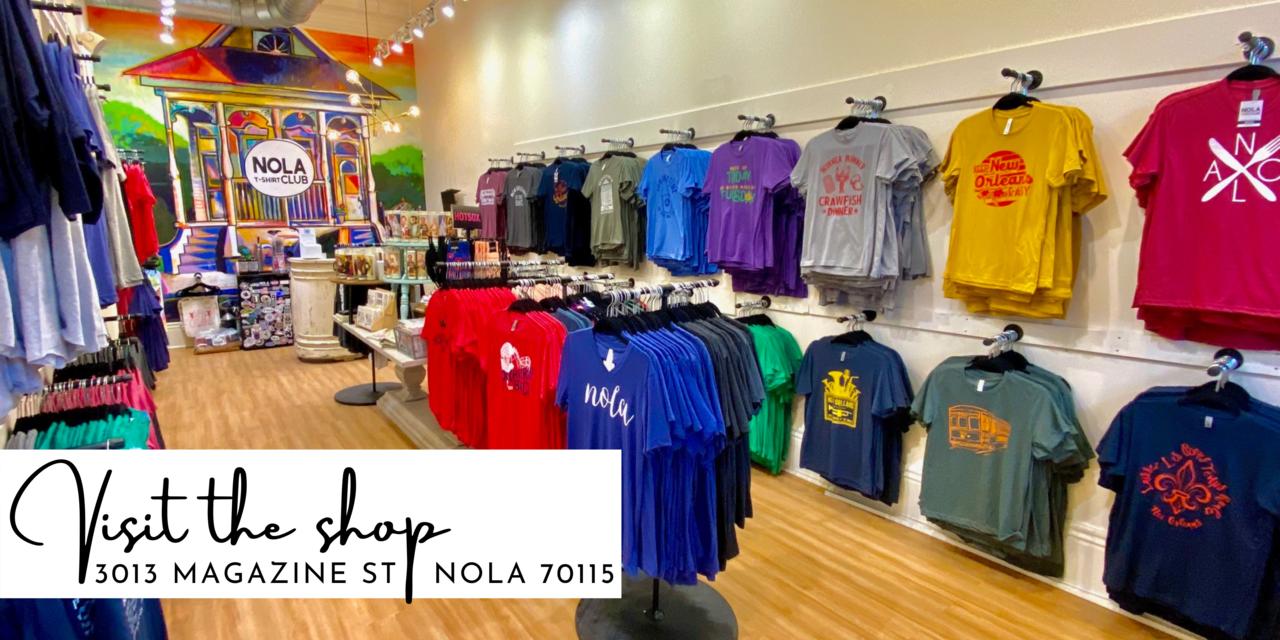
Credit: nolatshirtclub.com
Frequently Asked Questions
What Is The Best Way To Start A T-shirt Shop With A Small Budget?
Start online with print-on-demand services. You don’t need to buy stock upfront, and you can test designs with little risk. Use social media for free marketing and focus on strong branding.
How Do I Choose The Right T-shirt Supplier?
Look for suppliers with good reviews, clear communication, and the ability to send samples. Test their quality and reliability before making large orders. Ask about their fabric options, delivery times, and return policies.
What Are The Most Popular T-shirt Printing Methods?
Screen printing is best for large orders and simple designs. Direct-to-garment (DTG) works well for detailed or colorful prints and small batches. Heat transfer is good for custom, one-off shirts. Each method has its pros and cons.
How Can I Make My T-shirt Shop Stand Out?
Develop a unique brand and focus on a niche market. Offer original designs, great customer service, and memorable packaging. Collaborate with artists, support causes, or create limited-edition runs to attract attention.
Where Can I Learn More About The T-shirt Industry And Trends?
Industry reports, blogs, and online communities are good places to start. For reliable data and trends, visit Statista, which provides up-to-date information about the global apparel market.
Running a t-shirt shop is challenging, but with the right plan and passion, it can be a rewarding and profitable business. Every shop has its own story, and with creative ideas and commitment to quality, you can build a brand that lasts.
