

T-Shirt Offensive: How Shocking Designs Spark Controversy
T-shirt Offensive: Meaning, Impact, And Modern Context
Wearing a t-shirt may seem like a simple act, but sometimes, a t-shirt can say much more than you expect. Across the world, people have used t-shirts to express humor, support for a cause, or to make a bold statement. However, not all messages on t-shirts are well received. Sometimes, what is printed on a t-shirt can cross a line, offend a group, or even spark public debate. This is often called a t-shirt offensive—when a t-shirt’s words or images upset, provoke, or disturb others.
The idea of t-shirt offensive is not just about fashion. It connects to bigger issues like freedom of speech, social responsibility, and cultural sensitivity. This article explores the meaning of t-shirt offensive, why it happens, how society responds, and what we can learn from real examples.
If you want to understand the line between personal style and public offense, or if you are curious about the power of simple clothing, this guide will give you clear answers.
What Does "t-shirt Offensive" Mean?
A t-shirt offensive happens when the message, image, or symbol on a t-shirt causes strong negative reactions. This could be because the message is insulting, political, religious, racist, sexist, or simply in bad taste. Sometimes, the person wearing the t-shirt knows it is offensive and wants to make a statement. Other times, they may not realize how their shirt affects others.
There is no single rule for what makes a t-shirt offensive. Context matters a lot. For example, a joke that is funny to one person can be deeply hurtful to another. A political slogan may be seen as free speech in one country, but as a crime in another.
That is why t-shirt offensives often lead to debates about rights, laws, and respect.
Why Do People Wear Offensive T-shirts?
People wear t-shirts with controversial or offensive messages for many reasons. Understanding these reasons helps explain why t-shirt offensives keep happening.
- To Make a Statement: Some people want to shock others or start a conversation about a topic they feel strongly about. For example, a t-shirt with a strong political message can show protest or support.
- Rebellion and Identity: Teenagers and young adults sometimes use offensive t-shirts to rebel against authority or fit into a group. These shirts may show that the person does not care about social rules.
- Humor and Satire: Many offensive t-shirts use dark humor or sarcasm. The goal is to make people laugh, but sometimes the joke goes too far.
- Ignorance or Trend: Sometimes, people buy and wear t-shirts without understanding the meaning or history of the message or image.
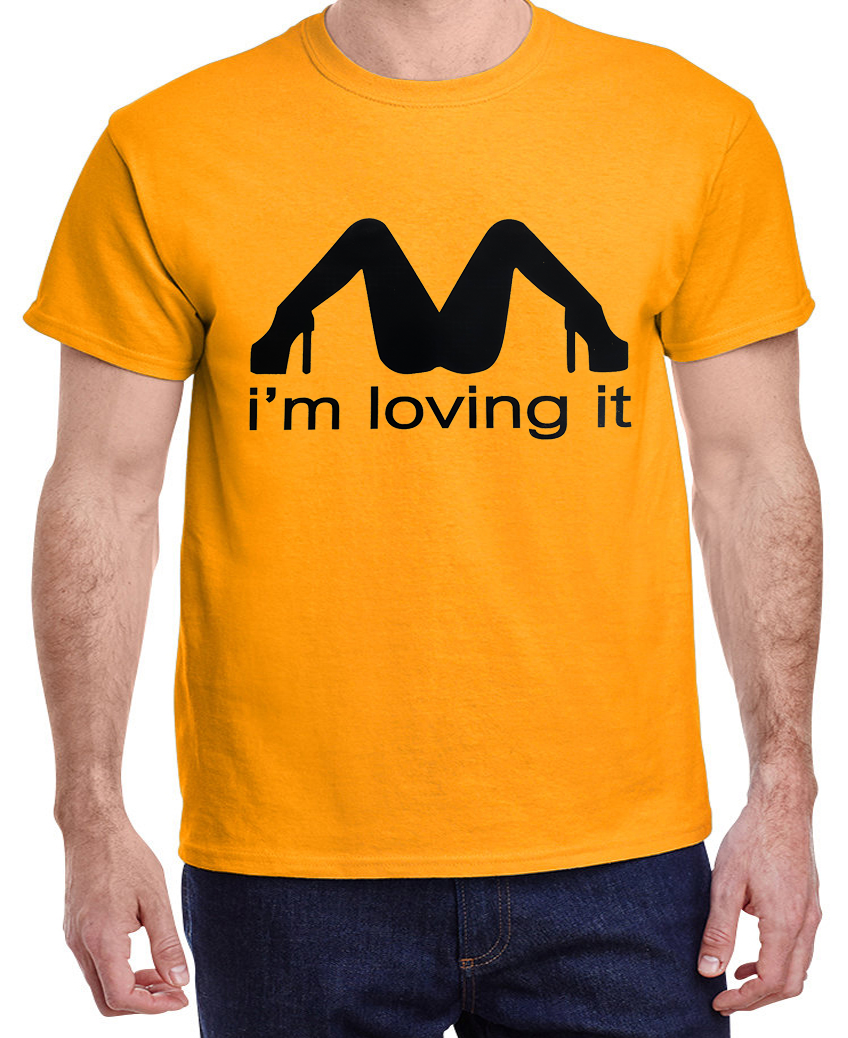
- Marketing and Shock Value: Companies know that controversy can sell. Some brands use shocking designs to get attention, even if they risk negative reactions.
Credit: www.ebay.com
Common Types Of T-shirt Offensives
Not all t-shirt offensives are the same. Some are personal choices, while others become national news. Here are some common categories:
Political
Political t-shirts can support parties, leaders, or causes. But messages that insult, attack, or make fun of political groups often lead to offense. In some places, wearing a t-shirt with a banned political symbol can even be illegal.
Religious
T-shirts that mock religions, use sacred symbols without respect, or show religious leaders in a bad way can cause deep offense. These shirts may lead to protests or even violence.
Racial And Ethnic
T-shirts with racist words, images, or stereotypes are highly offensive. These messages can harm communities and create tension in schools, workplaces, and public spaces.
Sexist And Misogynistic
Some t-shirts use language or images that disrespect women or promote harmful gender ideas. These shirts often cause anger and public backlash.
Vulgar Or Profane
T-shirts with swear words, sexual content, or crude jokes may offend people of all ages, especially in family or professional settings.
Insensitive To Events
Sometimes, a t-shirt makes light of tragedies or disasters, like accidents, attacks, or deaths. These shirts are seen as heartless and disrespectful.
Real-life Examples Of T-shirt Offensives
T-shirt offensives are not just theoretical. Many real cases have made headlines, raised legal questions, or changed company policies. Here are a few examples:
- A popular clothing brand released a t-shirt with a phrase that mocked mental health issues. After public outcry, the brand apologized and removed the shirt from stores.
- A student wore a t-shirt with a political slogan supporting a banned group. The school suspended the student, leading to debate about freedom of speech.
- An athlete posted a photo wearing a t-shirt with a racist cartoon. Sponsors dropped their deals, and the athlete later apologized.
- A tourist wore a t-shirt with a religious symbol in a holy city, not knowing it was disrespectful. Local authorities fined the tourist.
- A music festival banned all t-shirts with offensive language after complaints from families.
These cases show that t-shirt offensives can have real consequences for individuals, companies, and even communities.

Credit: www.amazon.com
The Impact Of T-shirt Offensives
A t-shirt may seem harmless, but offensive messages can have wide effects. Understanding these impacts helps explain why society often reacts strongly.
Social Reactions
When someone wears an offensive t-shirt in public, others may react with shock, anger, or protest. These reactions can lead to arguments, fights, or calls for action. On social media, an offensive t-shirt can quickly go viral, increasing pressure on the person or company involved.
Legal Consequences
In some countries, wearing offensive t-shirts can lead to fines, arrest, or expulsion from schools and workplaces. Laws about hate speech, blasphemy, or public order may apply, depending on the content and location.
Economic Effects
Brands and companies can lose customers, sponsors, or sales if they are linked to offensive t-shirts. Even one bad design can hurt a company’s image for a long time.
Personal Reputation
Individuals who wear or design offensive t-shirts may face bullying, job loss, or damaged relationships. In serious cases, they may need to apologize publicly or join awareness programs.
Legal And Cultural Differences
Not all societies see t-shirt offensives the same way. The rules and reactions can be very different from one place to another.
Free Speech Vs. Respect
Some countries protect the right to wear almost any t-shirt, even if it offends others. They see clothing as a form of free speech. Other countries focus more on respect for culture, religion, or the public, and ban certain messages or images.
Local Laws
In many places, it is illegal to wear t-shirts with hate speech, Nazi symbols, or insults to the government. In others, there are fewer rules, but social pressure is strong.
Cultural Sensitivity
What is offensive in one country may be normal in another. For example, a t-shirt with a cartoon of a god may be funny in one place but deeply insulting elsewhere.
The table below compares how different countries handle t-shirt offensives:
| Country/Region | Legal Restrictions | Social Attitude |
|---|---|---|
| United States | Few restrictions (protected speech) | Strong debates, social pressure |
| Germany | Strict bans on hate symbols | Zero tolerance for Nazi imagery |
| Middle East | Strong religious and moral rules | High sensitivity to religious insults |
| India | Some legal limits for blasphemy and hate speech | Respect for religion and culture expected |
| China | Ban on anti-government messages | Political content strictly controlled |
How Schools, Workplaces, And Events Handle T-shirt Offensives
Institutions like schools, companies, and event organizers often have their own rules about clothing. These rules aim to create a safe and respectful environment.
School Dress Codes
Most schools do not allow t-shirts with offensive words, images, or references to drugs, violence, or hate. If a student wears such a shirt, teachers may ask them to change, send them home, or give a warning.
Workplace Policies
Many companies have a dress code that bans offensive t-shirts. Wearing one can lead to warnings, suspension, or even job loss, especially in customer-facing roles.
Public Events
Concerts, sports games, and festivals may ban t-shirts with certain messages to protect their brand and audience. Security may refuse entry to anyone wearing an offensive shirt.
Enforcement And Exceptions
How strictly these rules are enforced can depend on the situation. For example, a concert for adults might be more flexible than a school trip. But in all cases, the goal is to balance freedom with respect for others.
The Role Of Brands And Designers
Clothing brands and designers play a big role in t-shirt offensives. They decide what messages are printed and sold. Some brands try to push the limits to get attention, while others focus on positive messages.
Controversial Marketing
Some companies use offensive t-shirts to create buzz and stand out in a crowded market. They may hope that even negative reactions will lead to more sales. However, this strategy can backfire and lead to boycotts or loss of trust.
Responsible Design
More brands are now aware of the risks and choose to avoid harmful or insulting messages. They may use focus groups or check with cultural experts before launching new designs.
Apologies And Recalls
If a brand releases a t-shirt that causes offense, they often issue a public apology and remove the shirt from stores. These actions can help limit damage, but sometimes the harm is already done.
The Power Of Symbols And Words
What makes a t-shirt offensive is not always the words themselves, but the symbols, context, and history behind them. Here are some examples:
- Swastika: In many Western countries, this symbol is linked to hate and is often banned. But in parts of Asia, it has a different, peaceful meaning.
- Middle Finger: A t-shirt with this gesture is likely to offend in most cultures, but in some places, it may not be understood.
- Red Star: For some, this is a symbol of revolution or left-wing politics; for others, it recalls painful history.
Words also carry power. A phrase that seems harmless in one language can be deeply insulting in another. Brands that sell globally need to understand these differences.
The table below shows how some symbols are viewed in different cultures:
| Symbol | Positive Meaning | Offensive Meaning | Regions |
|---|---|---|---|
| Swastika | Good luck, peace | Hate, Nazism | Asia (positive), West (offensive) |
| Red Star | Unity, socialism | Communism, repression | Europe, Asia |
| Middle Finger | None | Insult | Global |
| Cross | Faith, hope | Mockery (if misused) | Christian regions |
The Role Of Social Media In T-shirt Offensives
Social media has changed how t-shirt offensives spread and how quickly companies respond. A single photo can be shared worldwide in minutes, leading to public outcry, debates, and sometimes even boycotts.
Fast Reactions
If someone posts a picture of an offensive t-shirt, it can become viral. People may tag the brand, demand apologies, or call for action. This pressure often forces quick responses.
Cancel Culture
Offensive t-shirts can lead to "cancel culture," where customers stop supporting a brand or public figure. While this can hold people accountable, it can also lead to overreactions or hurt innocent parties.
Raising Awareness
On the positive side, social media helps spread awareness about why certain messages are offensive. This can lead to better understanding, more careful design, and more respectful choices.

Credit: www.ebay.com
How To Avoid Wearing An Offensive T-shirt
If you want to make sure your t-shirt does not offend anyone, here are practical tips:
- Read Before You Wear: Always check the words, images, and symbols on your t-shirt. If you do not understand something, look it up.
- Think About the Setting: What is okay at a party may not be okay at work, school, or a family event.
- Respect Local Culture: When traveling, research what is acceptable in the country or region.
- Avoid Sensitive Topics: Stay away from t-shirts that mention religion, race, gender, or tragedy unless you are sure they are respectful.
- Ask Others: If you are unsure, ask a friend or colleague for their opinion.
Two non-obvious insights: Even a t-shirt with a positive message can offend if the design uses colors or symbols linked to conflict in that region. Also, t-shirts with jokes in one language can lose meaning or become offensive when translated.
What To Do If You Offend Someone With Your T-shirt
If you realize your t-shirt has upset someone, here are steps to handle the situation:
- Listen: Let the person explain why they are offended.
- Apologize: A simple, honest apology can go a long way.
- Change or Cover Up: If possible, change your shirt or cover it with a jacket.
- Learn: Research what made the shirt offensive, so you do not repeat the mistake.
- Be Open: Understand that cultural sensitivity is an ongoing process, and everyone can make mistakes.
The Future Of T-shirt Offensives
As society becomes more global and connected, t-shirt offensives are likely to remain a topic of debate. Brands, designers, and consumers are now more aware of the risks and responsibilities. Technology, such as AI image checkers, may help catch offensive designs before they are sold.
However, new challenges may appear, such as deep fake images or AI-generated slogans that cross lines. The key is to balance freedom of expression with respect for others—a task that requires thought, empathy, and constant learning.
Frequently Asked Questions
What Is A T-shirt Offensive?
A t-shirt offensive is when the message, image, or symbol on a t-shirt causes strong negative reactions, often because it insults, mocks, or disrespects a group, idea, or event.
Can I Get In Legal Trouble For Wearing An Offensive T-shirt?
Yes, depending on where you live. Some countries have laws against hate speech, blasphemy, or political symbols. Wearing an offensive t-shirt can lead to fines, arrest, or being banned from schools or events.
How Can I Know If A T-shirt Is Offensive?
Check the meaning of the words, images, and symbols. Think about the setting and who will see your shirt. If you are unsure, do some research or ask someone from that culture.
What Should I Do If My T-shirt Offends Someone?
Listen to their concerns, apologize, and change your shirt if possible. Use the experience to learn about cultural sensitivity and avoid similar mistakes in the future.
Where Can I Read More About Clothing And Cultural Sensitivity?
You can find more information on cultural sensitivity and fashion at Wikipedia: Freedom of Speech.
T-shirts are more than just clothing—they are a form of communication. Choosing what to wear is a chance to show respect, creativity, and awareness. With a little thought, you can express yourself without crossing the line into offense.
