

Should You Wear Gym Gloves? Pros, Cons, and Expert Tips
Should You Wear Gym Gloves
Stepping into the gym, you see people with different gear: some wrap their hands in thick, padded gloves, while others grab the weights with bare hands. It’s a question many fitness lovers face: Should you wear gym gloves? The answer isn’t as simple as yes or no. Gym gloves have both strong supporters and critics. Some say gloves protect your hands and improve your grip. Others believe gloves make things harder, not easier.
To make the best choice for yourself, it’s important to look beyond simple opinions. There are facts, experiences, and even a few myths you need to understand. This guide will walk you through everything you need to know about gym gloves—how they help, their drawbacks, and who really benefits from using them.
You’ll find honest advice, real examples, and answers to questions you might not have thought to ask. By the end, you’ll be ready to decide whether gym gloves belong in your gym bag or not.
What Are Gym Gloves?
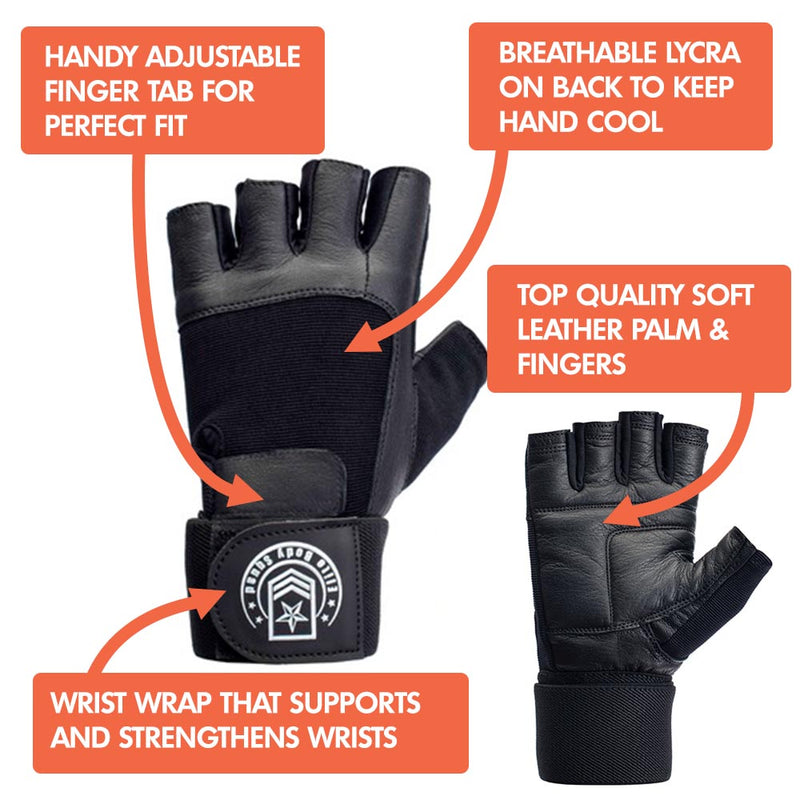
Gym gloves are protective handwear designed for people who lift weights, use gym machines, or perform bodyweight exercises. These gloves are made from materials like leather, neoprene, or synthetic fabrics. Their design can range from full-finger gloves to fingerless styles, offering various levels of protection and grip.
Most gym gloves have padded palms to reduce friction and prevent blisters. Some include wrist wraps for extra support. The main idea is simple: they act as a barrier between your skin and rough surfaces, aiming to improve comfort and safety during workouts.
Main Benefits Of Wearing Gym Gloves
Wearing gym gloves isn’t just about looking serious in the gym. For many, they offer real, practical advantages. Here’s what you can expect if you decide to wear them:
1. Hand Protection
One of the most noticeable benefits is protection against blisters and calluses. When you lift weights, the repeated rubbing of metal bars can damage your skin. Gloves provide a soft layer between your hand and the equipment, reducing the risk of painful injuries.
This is especially useful for beginners, whose hands are not yet used to heavy lifting. Even experienced lifters can benefit, especially during high-volume training or longer sessions.
2. Improved Grip
Sweaty hands can make it hard to hold onto weights, especially during intense workouts. Gym gloves use materials that increase friction, giving you a better grip on bars and dumbbells. This means less slipping, more control, and a lower chance of dropping something heavy.
Some gloves feature special grip patterns or rubberized surfaces to further improve hold, helping you stay focused on your form instead of worrying about your hands.
3. Enhanced Comfort
Those with sensitive skin, or people who find metal bars uncomfortable, often appreciate the extra padding gym gloves provide. This padding makes pressing, pulling, or lifting movements feel smoother.
Gloves also help absorb some of the pressure that comes from heavy weights, easing the strain on your palms. Comfort isn’t just a luxury—it can help you push through longer or more challenging workouts.
4. Wrist Support
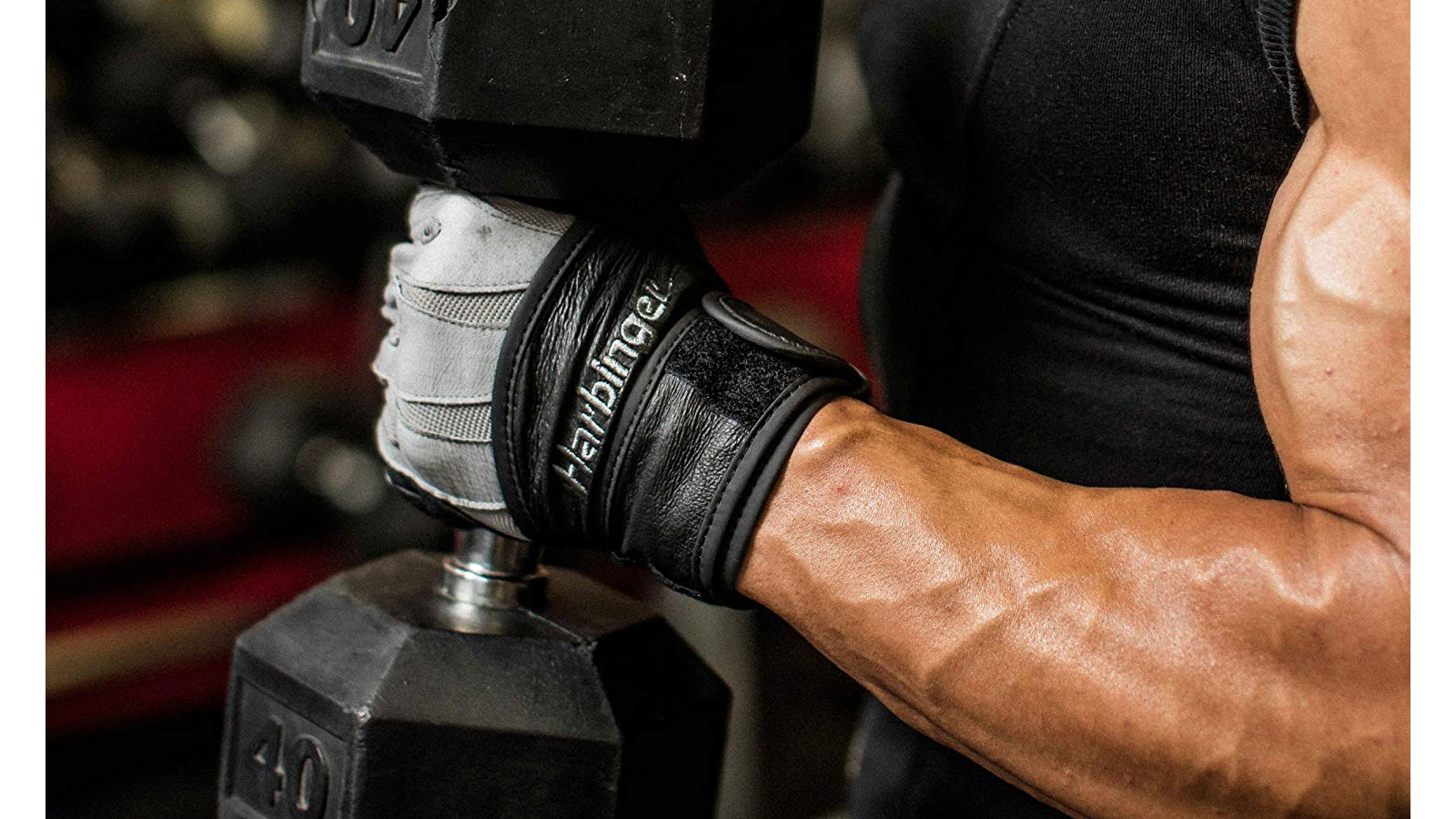
Certain gym gloves come with built-in wrist wraps. These wraps stabilize your wrists during lifts, especially pressing exercises like bench press or overhead press. Strong wrist support can lower the risk of sprains or strains, making gloves a practical choice for those with weak or injured wrists.
5. Hygiene
Public gyms can be breeding grounds for bacteria and germs. Gym gloves offer a barrier between your hands and shared equipment, reducing direct contact with potentially dirty surfaces. This can help prevent minor infections or skin irritations.
6. Confidence Boost
For some, wearing gloves brings a small psychological advantage. Knowing your hands are protected can boost confidence, making you more likely to try new exercises or increase the weights you use. Sometimes, a small boost in comfort or security can lead to better performance.
Common Drawbacks Of Gym Gloves
While gym gloves have clear benefits, they’re not perfect. There are reasons why some experienced lifters avoid them. Let’s look at the main drawbacks:
1. Reduced Tactile Feedback
One issue is less direct contact with the equipment. Gloves add a layer between your skin and the bar, which can make it harder to “feel” the weight. This reduced feedback sometimes affects grip strength, especially when lifting very heavy weights.
2. Grip Weakness
Surprisingly, the wrong gloves can actually weaken your grip over time. If gloves are too thick or too padded, they can make it harder for your hand to wrap fully around the bar. This can limit your ability to hold onto heavy weights, especially during pulling exercises like deadlifts or pull-ups.
3. Poor Fit And Slippage
Not all gloves fit the same. Gloves that are too loose can slide around, causing instability. If they’re too tight, they can cut off circulation. Badly fitting gloves can be more distracting than helpful, leading to accidents or poor performance.
4. Sweating And Odor
Gloves can trap sweat, especially in warm gyms or during long workouts. Over time, this can lead to unpleasant smells and even skin problems if gloves aren’t cleaned properly.
5. Maintenance
Unlike bare hands, gloves need to be washed and dried regularly. Neglecting this can lead to bacteria buildup and faster wear and tear. Some gloves are not machine washable, which adds extra hassle.
6. Not Allowed In Some Sports
In some competitions or specific sports (like powerlifting or gymnastics), gloves are not allowed. Relying on gloves in training can leave you unprepared if you ever need to perform without them.
Who Should Consider Wearing Gym Gloves?
Not everyone will benefit from gym gloves in the same way. Here’s a closer look at who might need them most:
Beginners
People new to weightlifting often have soft, unconditioned hands. Gloves can help beginners avoid painful blisters and make the early stages of training more comfortable. This can reduce the chance of quitting due to discomfort.
People With Sensitive Skin
If you have sensitive or easily damaged skin, gloves add a protective layer that keeps your hands healthy. This is especially important if your job or hobbies require your hands to look clean and professional.
Those With Previous Hand Injuries
For individuals who have suffered cuts, scrapes, or burns on their hands, gloves can protect healing skin and prevent re-injury.
Individuals With Sweaty Hands
Some people naturally sweat more from their hands. This makes holding onto weights tricky and can increase the risk of accidents. Gloves with moisture-wicking materials can make a big difference.
People Needing Wrist Support
If you have weak or previously injured wrists, gloves with built-in wraps can give extra stability during pressing or overhead movements.
Hygiene-conscious Gym Goers
If you’re concerned about germs or skin infections, gloves offer an extra layer of protection in public gyms.
Credit: www.photonics.ipb.ac.rs
Who May Not Need Gym Gloves?
Just because gloves are helpful for some, doesn’t mean everyone should use them. Here’s when you might skip them:
Advanced Lifters
Experienced lifters often prefer direct contact with the bar. This helps them develop stronger grip strength and better technique, especially for heavy lifts like deadlifts.
People Training For Competitions
If your sport or competition bans gloves, it’s better to train without them. Practicing bare-handed ensures you’re ready for the rules and feel of the real event.
Those Who Want To Build Grip Strength
Training without gloves forces your hands and forearms to work harder. This leads to stronger grip muscles, which are essential for many lifts and real-life activities.
People Who Dislike Extra Gear
Some simply find gloves unnecessary or uncomfortable. If you don’t have problems with blisters or grip, there’s little reason to add another piece of equipment.
Types Of Gym Gloves
Not all gym gloves are created equal. There are several types, each designed for different needs and preferences. Let’s break down the main options:
Full-finger Gloves
These gloves cover your entire hand, including all fingers. They offer maximum protection but can get hot and reduce your sense of touch. They’re popular among cyclists or people who want complete coverage.
Fingerless Gloves
The most common style in gyms. Fingerless gloves protect the palm and lower fingers but leave fingertips free. This strikes a balance between grip, protection, and breathability.
Padded Gloves
These gloves have extra padding in the palm area. They’re best for heavy lifters or people who suffer from painful calluses. However, too much padding can affect grip strength.
Grip Pads
Grip pads are small, flat pads that cover only the palm. They’re minimalistic, easy to slip on and off, and provide basic protection without the bulk of full gloves.
Gloves With Wrist Support
Some gloves include built-in wrist wraps. These wraps can be adjusted for tighter or looser support, making them ideal for people with weak wrists or those doing a lot of pressing movements.
Specialized Gloves
Some gloves are designed for specific sports, like CrossFit or rowing. These might have extra grip, unique shapes, or materials that suit certain movements or equipment.
Here’s a quick comparison of popular gym glove types:
| Type | Main Benefit | Main Drawback | Best For |
|---|---|---|---|
| Full-Finger Gloves | Maximum protection | Less breathability | Cyclists, outdoor workouts |
| Fingerless Gloves | Balance of grip and comfort | Less fingertip protection | General gym use |
| Padded Gloves | Extra comfort | May reduce grip strength | Heavy lifters |
| Grip Pads | Minimal bulk | Limited coverage | Quick workouts, light lifting |
| Wrist Support Gloves | Added wrist stability | Bulkier fit | People with weak wrists |
How To Choose The Right Gym Gloves
Picking the best gloves for your needs isn’t always easy. Here’s what to consider before buying:
1. Material
Look for gloves made from durable, breathable materials. Leather is long-lasting but can get hot. Synthetic fabrics are lighter and dry faster. Neoprene is soft and sweat-resistant.
2. Fit
Try on different sizes to make sure your gloves fit snugly but don’t pinch. Loose gloves can slip, while tight gloves might cut off circulation.
3. Padding
More padding means more protection but can reduce your grip strength. Choose the right amount for your comfort level and the type of exercises you do.
4. Wrist Support
If you need extra support, look for gloves with built-in wraps. Otherwise, a simple fingerless glove may be enough.
5. Ventilation
Look for gloves with mesh panels or ventilation holes. These features keep your hands cooler and reduce sweating.
6. Easy Cleaning
Check if the gloves are machine washable. Sweat and bacteria can build up quickly, so easy cleaning is a must.
7. Price
Quality gloves can be found at many price points. Avoid the cheapest options, as they may wear out quickly. It’s better to invest in a pair that will last and provide good protection.
Here’s a side-by-side look at important features:
| Feature | Why It Matters | What to Look For |
|---|---|---|
| Material | Durability and comfort | Leather, neoprene, breathable fabric |
| Fit | Stability, safety | Snug but not tight |
| Padding | Hand protection | Moderate thickness for balance |
| Wrist Support | Joint safety | Built-in wraps if needed |
| Ventilation | Reduces sweating | Mesh panels, open back |
| Cleaning | Hygiene | Machine washable |
When Should You Avoid Gym Gloves?
Gym gloves are not always the answer. There are times when bare hands are better. Here’s when you should avoid gloves:
1. Grip Strength Training
If your goal is to improve grip strength, training without gloves is more effective. Bare hands force your muscles to adapt and grow stronger.
2. Skill-based Lifting
Exercises that require precise technique, like Olympic lifting or gymnastics, often feel better without gloves. Direct skin contact gives better feedback and control.
3. Competition Preparation
If you plan to compete in sports that don’t allow gloves, train without them. This ensures your hands are used to the feel of the bar or rings.
4. Allergies Or Skin Reactions
Some people may develop allergies or irritation from glove materials. If you notice redness, itching, or swelling, try a different material or skip gloves entirely.
5. Over-reliance
Relying too much on gloves can make your hands weaker and less adaptable. Use gloves as a tool—not a crutch.
Credit: www.t3.com
Real-world Examples: When Gloves Made A Difference
To see the impact of gym gloves, let’s look at a few real-life situations:
Example 1: The Beginner Avoiding Blisters
Sarah, new to weightlifting, found her hands developed painful blisters after her first week. After switching to padded fingerless gloves, she was able to continue training without discomfort, allowing her to build a routine without interruption.
Example 2: The Heavy Lifter’s Grip Challenge
James, an experienced lifter, noticed his grip was slipping during heavy deadlifts. When he tried gloves with too much padding, his grip actually got worse. Switching to minimal grip pads solved the problem, giving him just enough protection without losing control.
Example 3: The Gym-goer With Sweaty Palms
Priya struggled with sweaty hands, which made pull-ups dangerous. She tried gloves with breathable mesh, which absorbed sweat and improved her grip. This let her progress safely and confidently.
Example 4: The Competitive Athlete
Michael was preparing for a powerlifting competition where gloves weren’t allowed. He stopped using gloves in training, building tougher hands and a stronger grip—skills that helped him on event day.
Example 5: The Office Worker
Alex works in an office and wants to keep his hands free of calluses. Gym gloves protected his skin during workouts, keeping his hands presentable for work meetings.
Myths About Gym Gloves
There are plenty of myths and misunderstandings about gym gloves. Let’s clear up a few:
Myth 1: Gloves Are Only For Beginners
While many beginners use gloves, advanced athletes can benefit too—especially those with hand injuries or doing high-volume training.
Myth 2: Gloves Make You Weak
Gloves don’t make you weak. They can, however, reduce grip strength if used all the time. The key is to use them when you need protection, not as a permanent solution.
Myth 3: All Gloves Are The Same
There are big differences in glove quality, fit, and features. Cheap gloves can cause more problems than they solve, while high-quality gloves can last for years.
Myth 4: Gloves Prevent All Injuries
Gloves reduce some risks, but they don’t make you injury-proof. Proper technique, warm-up, and smart training are just as important.
Myth 5: Gloves Are Unhygienic
Gloves can trap sweat, but regular washing keeps them clean. In fact, gloves can protect you from gym germs—if you care for them properly.
How To Care For Your Gym Gloves
To keep your gloves in good shape and your hands healthy, follow these steps:
1. Wash Regularly
Sweat and bacteria build up fast. Machine wash your gloves if possible, or hand-wash with mild soap.
2. Air Dry
Never leave gloves in a closed gym bag. Air dry them after every use to prevent odor and mold.
3. Rotate Gloves
If you train often, buy two pairs and rotate them. This gives each pair time to dry fully.
4. Check For Damage
Replace gloves that develop holes, tears, or worn-out padding.
5. Store Properly
Keep gloves in a clean, dry place. Avoid leaving them in the car or direct sunlight, which can damage materials.
Alternatives To Gym Gloves
If you decide gloves aren’t for you, there are other ways to protect your hands and improve your grip:
Chalk
Weightlifting chalk absorbs sweat and improves grip without adding bulk. It’s popular with powerlifters and gymnasts.
Lifting Straps
Straps wrap around the bar and your wrist, taking pressure off your grip. They’re helpful for heavy pulls but don’t protect your palms from calluses.
Liquid Grip
This is a lotion that dries to create a tacky, non-slip surface. It’s less messy than chalk and works well for sweaty hands.
Hand Care
Regularly moisturize your hands and file down rough calluses. Healthy skin is less likely to tear or blister.

Credit: www.menshealth.com
Data: Gym Glove Usage And Performance
Some studies have looked at the effects of gym gloves on performance. Here’s what research and surveys show:
- About 40% of regular gym-goers use gloves at least some of the time.
- A study found that gloves can reduce calluses by up to 60% in new lifters.
- In grip strength tests, gloves with too much padding reduced grip power by 10-15% compared to bare hands.
- Athletes with sweaty hands were 30% less likely to drop weights when wearing gloves with moisture-wicking features.
- Most users reported feeling more comfortable during long workouts when wearing gloves.
These numbers show that gloves can help in certain situations but may hinder in others. The key is to match your gear with your goals and needs.
Expert Tips For Using Gym Gloves
1. Start With Minimal Padding
Too much padding can weaken your grip. Begin with thin, flexible gloves and only add more if you need it.
2. Use Gloves For High-rep Sets
During heavy singles or doubles, train bare-handed to build grip. For longer sets, gloves can save your skin.
3. Clean Your Gloves Weekly
Even if they don’t smell, bacteria can build up. Wash your gloves at least once a week.
4. Don’t Rely On Gloves For Every Exercise
Some movements (like deadlifts or kettlebell swings) might be better without gloves.
5. Try Before You Buy
Hand shapes vary. Test gloves in-store if possible to find the best fit.
Frequently Asked Questions
Why Do Some People Never Use Gym Gloves?
Some lifters avoid gloves because they prefer the direct feel of the bar. This builds stronger grip and toughens the skin, which is useful for heavy lifting and competitions. Others simply don’t like the extra gear or find gloves uncomfortable.
Can Gym Gloves Prevent All Hand Injuries?
No, gym gloves can reduce blisters and calluses, but they don’t protect against all injuries. Proper technique and smart training are still the most important ways to stay safe.
How Often Should I Replace My Gym Gloves?
Replace gloves when you notice tears, holes, or worn-out padding. If they start to smell or lose their fit, it’s time for a new pair. For regular users, this might be every few months.
Are Gym Gloves Good For People With Arthritis?
Gym gloves with wrist support and extra padding can help reduce pain for people with arthritis. They make gripping weights less stressful on the joints. However, it’s best to check with a doctor or physical therapist before starting.
Where Can I Find More Information About Gym Glove Types And Reviews?
You can learn more by visiting trusted fitness resources like Verywell Fit, which provides detailed reviews and buying guides.
In the end, whether or not you should wear gym gloves depends on your hands, your goals, and the type of training you do. Listen to your body, experiment with different options, and don’t be afraid to change your approach as your needs evolve.
The right choice is the one that helps you train harder, safer, and with more confidence.
