

Should You Wash Gym Clothes in Hot Water for Best Results?
Should You Wash Gym Clothes In Hot Water
Gym clothes collect a lot more than just sweat. After a tough workout, your activewear is often soaked with body oils, odor-causing bacteria, and sometimes even fungus. Many people wonder if washing gym clothes in hot water is the best way to get them truly clean. Is hotter always better? Or could it actually damage your favorite leggings and shirts? Making the right choice can help your clothes last longer, smell fresher, and protect your skin from irritation.
This article explores whether you should use hot water for washing gym clothes. We’ll look at how hot water affects different fabrics, how well it kills germs, and what laundry experts recommend. You’ll learn about the science behind odors, fabric care, and even how your washing habits impact the environment.
If you want your gym gear to stay fresh and last, this is the guide you need.
How Hot Water Cleans Clothes
Washing clothes in hot water is a common practice because heat can help remove dirt and kill some germs. Hot water (usually between 120°F and 140°F, or about 49°C to 60°C) helps break down body oils, sweat, and other residues that get trapped in fabric. This temperature can also activate many laundry detergents, making them work better.
However, not all germs or odors disappear with hot water. Some bacteria and fungi need even higher temperatures or special cleaning agents. While hot water helps, it is not a magic solution for every laundry problem. Understanding how hot water works is the first step to making a smart washing decision.
The Science Of Hot Water And Detergent
Laundry detergent contains chemicals called surfactants. These molecules attach to dirt, oils, and sweat, helping lift them from the fabric so they can be rinsed away. Hot water makes these surfactants move faster, so they can break down grime more easily.
But hotter is not always better. Some modern detergents are designed to work even in cold water. These products contain enzymes that are activated at lower temperatures, which means they can remove odors and stains without extra heat.
Types Of Gym Fabrics And Their Sensitivity To Heat
Most gym clothes are made from synthetic fibers like polyester, nylon, and spandex. These materials are chosen for their ability to wick moisture away from your skin, stretch, and keep their shape. But these same qualities can make them sensitive to hot water.
Common Gym Fabrics
- Polyester – Very common in athletic wear. It’s strong, dries quickly, and resists wrinkles, but can trap odors.
- Nylon – Lightweight and durable, often blended with other fabrics. Sensitive to high heat, which can weaken fibers.
- Spandex (Lycra/Elastane) – Adds stretch to gym clothes. High heat can break down its elastic properties.
- Cotton – Found in some gym T-shirts. Absorbs sweat and can handle higher heat, but shrinks over time.
- Bamboo blends – Soft and breathable, but less common.
How Heat Affects Each Fabric
Here’s a comparison of how different gym fabrics handle hot water washes:
| Fabric | Hot Water Safety | Potential Damage | Best Wash Temperature |
|---|---|---|---|
| Polyester | Moderate Risk | Odor retention, fabric weakening | Cold to warm (up to 104°F) |
| Nylon | High Risk | Loss of strength, melting | Cold to warm (up to 104°F) |
| Spandex | Very High Risk | Loss of stretch, breakage | Cold only (up to 86°F) |
| Cotton | Low Risk | Shrinking, fading | Warm to hot (up to 140°F) |
| Bamboo blends | Moderate Risk | Pilling, shrinkage | Cold to warm (up to 104°F) |
Key insight: Most gym clothes are at risk of damage from hot water. Only 100% cotton can handle high temperatures well, but even then, colors may fade, and the fabric may shrink.
Odor And Bacteria: Does Hot Water Really Help?
One of the biggest reasons people consider hot water is to fight odor and kill bacteria. After all, gym clothes can smell bad even after washing. Why does this happen, and does hot water solve the problem?
Why Gym Clothes Smell
Gym clothes trap sweat, body oils, and dead skin. These create the perfect environment for bacteria to grow. Some bacteria, like Micrococcus and Staphylococcus, thrive in warm, damp places and are responsible for that “musty” or sour smell.
Synthetic fabrics, especially polyester, tend to hold onto these odors more than cotton. This happens because their fibers are hydrophobic (water-repelling), so sweat and oil stay trapped inside.
How Hot Water Affects Odor And Germs
Hot water can help reduce bacteria and germs. Research suggests that washing at 140°F (60°C) or above kills most common bacteria and viruses. However, very few home washing machines reach or maintain this temperature for long.
For most gym clothes, the temperature needed to kill all germs is too high for the fabric to handle safely. As a result, washing in hot water may reduce some bacteria but will not remove all odors, especially from synthetic fibers.
The Role Of Detergent And Laundry Boosters
Detergent is more important than water temperature for removing odors. Enzyme-based detergents are designed to break down proteins and oils that cause smells. Adding a booster like white vinegar or baking soda can help neutralize odors without high heat.
Non-obvious insight: Sometimes, gym clothes still smell after washing because detergent builds up inside the fibers. Using less detergent and running an extra rinse cycle can help.
Risks Of Washing Gym Clothes In Hot Water
Using hot water on gym clothes can cause several problems. While it might seem like a thorough approach, it often creates more issues than it solves.
Loss Of Shape And Stretch
High temperatures can damage spandex and elastic fibers. These give your leggings, sports bras, and compression shirts their snug fit. After repeated hot washes, these clothes may lose stretch, become baggy, or even break apart.
Color Fading And Pilling
Hot water can make colors fade faster. It also encourages pilling—those annoying little fabric balls that appear on the surface. This makes your gear look older and less attractive after only a few washes.
Fabric Weakening And Shrinkage
Nylon and polyester may weaken over time, especially if they are repeatedly exposed to heat. Cotton can shrink, changing the fit and comfort of your T-shirts and shorts.
Environmental And Cost Impact
Heating water uses more energy, which increases both your utility bill and your carbon footprint. Washing most loads in cold or warm water saves energy and is better for the planet.
Real-life Example
A recent survey of fitness fans found that those who washed their synthetic gym clothes in hot water noticed more pilling and loss of stretch after 10 washes, compared to those who used cold water. Many also reported their clothes did not smell better after hot washes, unless they used an odor-fighting detergent.
Cold Water Vs. Hot Water: A Direct Comparison
To understand whether you should wash gym clothes in hot water, let’s compare the two methods side by side:
| Factor | Hot Water | Cold Water |
|---|---|---|
| Removes Dirt/Oil | Effective, but may damage fibers | Effective with proper detergent |
| Kills Germs | Better, but not perfect at home temperatures | Less effective for germs, but detergent helps |
| Odor Removal | Moderate (needs detergent boost) | Good with enzyme detergent |
| Protects Fabric | Risk of damage, fading, loss of stretch | Best for longevity |
| Energy Use | High | Low |
| Cost | Higher utility bills | Lower costs |
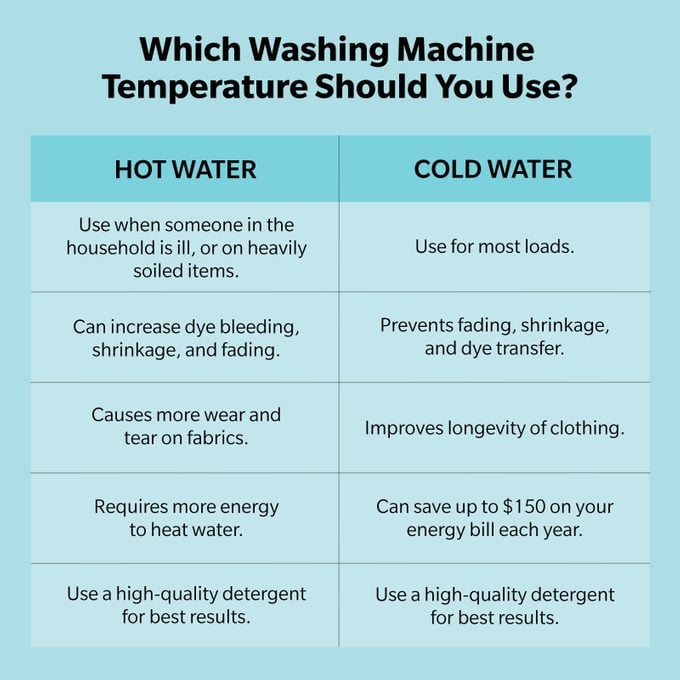
Key takeaway: Cold water, combined with the right detergent, is generally safer and just as effective for most gym clothes.
When Should You Use Hot Water For Gym Clothes?
There are situations where hot water might be necessary, but these are rare for most people.
Special Cases
- Illness in the household: If someone has a skin infection (like ringworm or staph), hot water can help reduce the risk of spreading germs. But always check the care label first.
- Heavily soiled items: If your gym clothes are extremely dirty—say, after a muddy obstacle race—hot water can help, but it’s best to spot-treat stains first.
- 100% cotton items: If you have cotton towels or gym socks, these can handle hot water better than synthetics.
How To Use Hot Water Safely
- Always read the care label on your clothes.
- Wash only sturdy items (like cotton towels or socks) in hot water.
- Use hot water only when necessary, not for every load.
Non-obvious insight: Washing synthetic gym clothes in hot water does not remove sweat stains or odors better than cold water. In fact, it can “bake in” the odors, making them harder to remove later.
Best Practices For Washing Gym Clothes
Here’s how to keep your gym clothes clean, fresh, and long-lasting—without using hot water:
1. Wash Promptly
Don’t let sweaty clothes sit in your gym bag. Wash them as soon as possible. Bacteria multiply fast, and odors set in quickly.
2. Turn Clothes Inside Out
Turning your activewear inside out helps water and detergent reach the areas with the most sweat and bacteria.
3. Use The Right Detergent
Choose a detergent with enzymes or one made for sportswear. Avoid using too much—it can leave residue that traps odors.
4. Use Cold Water
Most gym clothes, especially synthetics, should be washed in cold water. This protects the fabric and saves energy.
5. Skip The Fabric Softener
Fabric softener can coat fibers, trapping bacteria and making odors worse. Instead, add half a cup of white vinegar to the rinse cycle if you want extra softness.
6. Air Dry Whenever Possible
High heat from dryers can damage elastic fibers. Hang clothes to dry or use the lowest dryer setting.
7. Remove Immediately After Washing
Letting gym clothes sit in the washer can lead to mildew and more odors. Take them out as soon as the cycle finishes.
8. Run An Extra Rinse
If your clothes still smell, try an extra rinse cycle to remove any leftover detergent or odors.
9. Deep Clean Periodically
Every few weeks, soak your gym clothes in a solution of water and white vinegar for 30 minutes before washing. This helps break down stubborn smells.
10. Wash Similar Items Together
Wash gym clothes with other activewear, not with towels or jeans. This prevents lint and fabric damage.
How Laundry Temperature Affects The Environment
Choosing the right water temperature isn’t just about your clothes—it’s also about the planet.
- Washing in cold water uses up to 90% less energy than hot water cycles.
- If every household in the US switched to cold water for just one load per week, it would save enough energy to power over 3 million homes.
- Less energy means fewer greenhouse gases, which helps fight climate change.
Practical tip: If you want to be eco-friendly, cold water is almost always the best option for gym clothes.
Credit: www.familyhandyman.com
What The Experts Say
Laundry experts and sportswear brands agree: cold water is best for most gym clothes. Here are some key opinions:
- The American Cleaning Institute recommends cold water for synthetic fabrics to protect fibers and reduce energy use.
- Major sports brands like Nike and Under Armour instruct users to wash their products in cold water and avoid hot cycles.
- Dermatologists warn that hot water can irritate sensitive skin, especially if it leaves detergent residue in the fabric.
For more details, check out Consumer Reports for research on cold vs. hot water washing.
Common Myths About Washing Gym Clothes
Many people believe things about laundry that are no longer true. Let’s clear up some common myths:
Myth 1: Hot Water Always Cleans Better
Truth: Modern detergents and enzymes work well in cold water. Hot water is not always needed for a deep clean.
Myth 2: You Must Use Hot Water To Kill Germs
Truth: Most home washers don’t get hot enough to kill all germs. The right detergent and regular washing are more important.
Myth 3: Fabric Softener Makes Gym Clothes Better
Truth: Fabric softener leaves residue that can trap bacteria and make odors worse. It also reduces the wicking ability of activewear.
Myth 4: All Odors Mean The Clothes Are Still Dirty
Truth: Sometimes, stubborn odors are caused by detergent buildup, not dirt. A deep clean or vinegar soak can help.
Myth 5: The Dryer Kills All Bacteria
Truth: Most dryers don’t reach temperatures high enough to fully sanitize clothes. Only commercial dryers do.
How To Read Care Labels On Gym Clothes
Understanding care labels is key to keeping your gym gear in good shape. Here are some common symbols and what they mean:
- Tub with one dot: Wash in cold water (up to 86°F or 30°C).
- Tub with two dots: Wash in warm water (up to 104°F or 40°C).
- Circle in a square: Can be tumble dried (check for dots to see temperature).
- Triangle: Bleach may be used (rare for gym clothes).
- Hand in tub: Hand wash only.
Always follow the most restrictive instruction (for example, if one item says cold wash only, wash everything in cold to avoid mistakes).
How To Remove Stubborn Odors From Gym Clothes
If your gym clothes still stink after washing, try these steps:
- Soak in vinegar: Mix one part white vinegar to four parts water. Soak clothes for 30 minutes before washing.
- Baking soda boost: Add half a cup of baking soda directly to the wash.
- Sun dry: Sunlight naturally kills some bacteria and helps remove odors.
- Try a sports detergent: These are made for synthetic fabrics and tough odors.
Pro tip: Don’t overload your washer. Clothes need room to move so detergent can reach every part.

Credit: magickwear.com
Gym Clothes Washing Mistakes To Avoid
- Washing with towels or jeans (causes pilling and lint)
- Using too much detergent (leads to buildup and more odors)
- Skipping the extra rinse (traps soap in fibers)
- Leaving clothes damp in the washer (causes mildew)
- Using hot water on synthetics (causes stretching and fading)
- Over-drying in the machine (damages elastic and shapes)
- Ignoring care labels (leads to mistakes and damage)
Real-world Tips From Fitness Enthusiasts
People who work out regularly often develop their own laundry routines. Here are some tips you might not hear from the average laundry guide:
- Store dirty gym clothes in a mesh bag or breathable hamper, not a sealed plastic bag.
- If you don’t have time to wash right away, rinse sweaty clothes in cold water and hang them to dry until laundry day.
- For group classes or team sports, keep a small spray bottle of diluted vinegar in your gym bag to mist clothes before washing—this helps fight odors.

Credit: www.maids.com
Frequently Asked Questions
How Often Should I Wash My Gym Clothes?
You should wash gym clothes after every use, especially if they are sweaty. Bacteria and odors can develop quickly, even if the clothes appear clean.
Can I Use Bleach On Gym Clothes?
Bleach can damage synthetic fibers and cause colors to fade. Only use bleach on white cotton items, and check the care label first.
What If My Washer Doesn’t Have A Cold Water Setting?
Most machines offer at least a warm setting. Choose the lowest available temperature to protect your gym clothes, and use a cold water detergent.
Are Sports Detergents Really Better For Gym Clothes?
Yes, sports detergents are designed to break down sweat, oils, and bacteria in synthetic fabrics. They can help remove stubborn odors and protect fibers.
What Should I Do If My Gym Clothes Still Smell After Washing?
Try soaking them in white vinegar or using a sports detergent. Run an extra rinse cycle and avoid using too much detergent, which can trap odors.
Making smart choices about how you wash your gym clothes can help them last longer, stay fresher, and keep you comfortable. For most people, cold water and the right detergent are the best ways to care for activewear. Hot water is rarely needed and often does more harm than good.
Read your care labels, avoid common mistakes, and your gym gear will stay in great shape for many workouts to come.
