

Should You Wash Gym Clothes in Hot Water for Best Results?
Should You Wash Gym Clothes In Hot Water
When you come back from the gym, your workout clothes are often sweaty and smelly. Many people wonder if washing gym clothes in hot water is the best way to get rid of bacteria, odors, and stains. Others worry that hot water might damage the fabric, fade colors, or ruin the elastic. This simple question is more important than it seems: should you wash gym clothes in hot water? The answer depends on the fabric, your washing habits, and what you want from your laundry. This guide explores all sides of the question, helping you make the right choice for fresh, long-lasting gym clothes.
What Happens To Gym Clothes After A Workout
Gym clothes are not like regular clothes. They are designed to handle sweat, movement, and frequent washing. But after exercise, these clothes absorb a mix of sweat, body oils, dead skin, and bacteria. This mixture causes odors and can weaken the fabric over time.
Most gym clothes are made from synthetic fibers like polyester, nylon, or spandex. These materials wick away sweat and dry quickly, but they also trap bacteria and smells more than cotton. If not washed properly, gym clothes can start to feel sticky and develop a permanent odor, sometimes called "gym stench." That’s why washing them well is so important.
The Science Of Washing: Hot Water Vs. Cold Water
Washing machines offer different water temperatures. But does hot water really clean better? Let’s break down what happens:
- Hot water (above 54°C / 130°F): Kills most bacteria, removes heavy soils, and can dissolve oily stains easily.
- Warm water (30–40°C / 86–104°F): Good for moderate cleaning, less risk of damage to delicate fabrics.
- Cold water (below 30°C / 86°F): Safe for most clothes, gentle on fabric, but less effective against heavy soils and some bacteria.
Most laundry detergents today work well in cold or warm water. But hot water is still best for killing germs and deep cleaning. However, hot water can cause problems for some materials, especially synthetics.
How Water Temperature Affects Fabric
- Hot water can shrink, fade, or break down synthetic fibers like spandex or polyester, making gym clothes lose stretch and fit.
- Cold water keeps colors bright and fabric strong but may not fully remove heavy sweat or bacteria.
Pros And Cons Of Washing Gym Clothes In Hot Water
Let’s look at both sides so you can make an informed choice.
Benefits Of Using Hot Water
1. Kills More Bacteria And Germs
Hot water destroys most bacteria and fungi that cause odors and skin irritation.
2. Removes Deep Sweat And Body Oils
Heat dissolves oily stains and sweat marks better than cold.
3. Reduces Lingering Odors
Regular hot washing can prevent "set-in" smells in gym clothes.
4. Good For Towels And Cottons
If your gym clothes are 100% cotton (rare), hot water helps keep them fresh.
Downsides Of Using Hot Water
1. Damages Synthetic Fibers
Most gym clothes use materials like polyester, spandex, or nylon. Hot water can make these fabrics lose shape, stretch, and strength.
2. Fades Colors Faster
Bright workout gear can lose color quickly if exposed to high heat often.
3. Shortens Lifespan
Frequent hot washes may wear out gym clothes in months instead of years.
4. Can Set In Certain Stains
Protein stains (like sweat or blood) may set if washed in hot water before rinsing.
5. Higher Energy Costs
Heating water uses more electricity, raising your utility bill.
What The Labels Really Mean
Always check the care label on your gym clothes before washing. Most gym clothes say "machine wash cold" or "wash in cold water." Brands add this because:
- Synthetic fabrics react badly to heat.
- Spandex and elastane lose stretch in hot water.
- Special finishes (like anti-odor or water-repellent) wear off faster with heat.
If the label says "cold water only," follow it. Washing in hot water may void any warranty or return policy.
The Importance Of Detergent And Washing Habits
Water temperature is just one part of the cleaning process. The type of detergent and your overall washing habits are just as important for clean, fresh gym clothes.
Choosing The Right Detergent
- Use a sports detergent designed for synthetic fabrics. These are made to remove sweat and odors better than regular soap.
- Avoid using too much detergent. Too much soap can build up and trap bacteria, making smells worse.
- Do not use fabric softener on gym clothes. It coats fibers and reduces moisture wicking.
Washing Habits That Matter
- Wash soon after use. Do not let sweaty gym clothes sit in a bag or hamper for days.
- Turn clothes inside out. This exposes sweat and body oils to the water and detergent.
- Pre-soak if needed. For extra sweaty clothes, soak in cold water with a bit of vinegar for 30 minutes before washing.
- Use an extra rinse cycle. This helps remove all soap and dirt.
- Air dry when possible. Heat from dryers can also damage synthetic fibers.
Comparing Hot, Warm, And Cold Water For Gym Clothes
Here’s a practical comparison to help you choose the best wash for your workout gear:
| Water Temperature | Cleaning Power | Fabric Safety | Odor Removal | Energy Use |
|---|---|---|---|---|
| Hot | Excellent | Poor for synthetics | Very Good | High |
| Warm | Good | Moderate | Good | Medium |
| Cold | Fair | Excellent | Fair | Low |
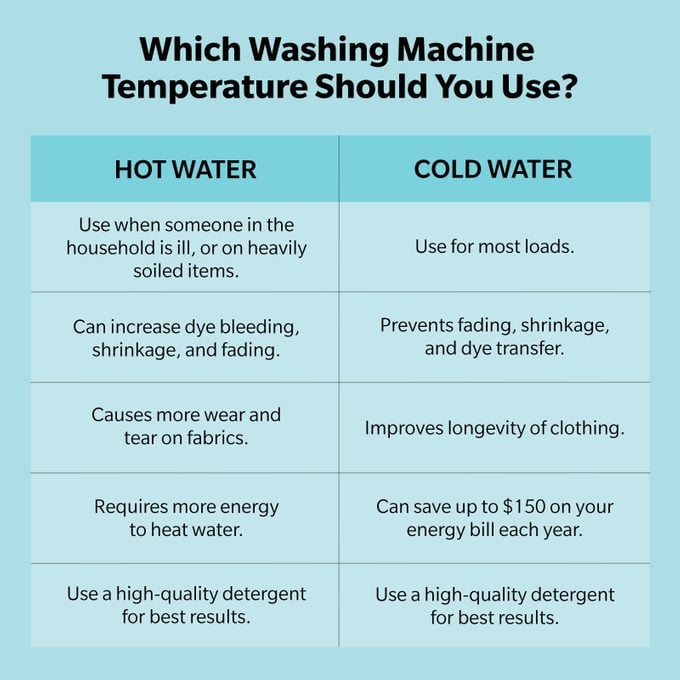
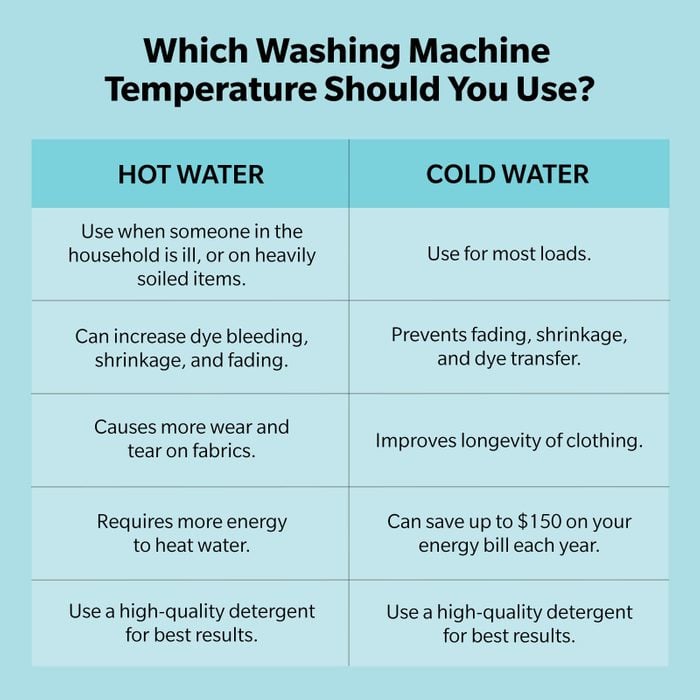
In most cases, cold water is safest for gym clothes, but hot water may be needed for serious odor or bacteria problems.
Credit: www.familyhandyman.com
When Should You Use Hot Water?
While cold water is usually best, there are times when hot water is helpful:
- After illness: If you’ve been sick, washing clothes in hot water can kill germs and prevent spreading.
- Heavy odor: If your clothes have a strong, set-in smell, a one-time hot wash may help.
- Shared gym towels: Towels and washcloths used at public gyms can carry bacteria. Hot water is safer for these.
- Fungal infections: If you’ve had athlete’s foot or similar problems, hot water can help kill fungus in socks and leggings.
- Cotton gym clothes: If your workout gear is pure cotton, it can handle hot water better.
Note: Always check the fabric label first. If in doubt, use warm water as a middle ground.
When To Avoid Hot Water
Some situations call for avoiding hot water completely:
- Delicate or stretchy fabrics: Sports bras, leggings, and compression gear lose shape in hot water.
- Colorful prints: Hot water fades bright designs and logos quickly.
- Mixed-fiber blends: Many gym clothes use blends of polyester, spandex, and nylon that break down with heat.
- Eco-friendly gear: Some sustainable materials (like bamboo or recycled fibers) are sensitive to heat.
Myths And Misunderstandings
There’s a lot of advice online about washing gym clothes. Let’s clear up some common myths:
- Myth: You must always use hot water to kill bacteria.
*Fact:* Modern detergents often kill bacteria in cold water, especially when combined with good washing habits.
- Myth: Hot water removes all odors.
*Fact:* Odor-causing bacteria can hide in fabric. Sometimes only a special sports detergent or vinegar soak will fix the problem.
- Myth: All stains come out better in hot water.
*Fact:* Some stains, like blood or sweat, can "set" if washed hot. Pre-treat with cold water first.
- Myth: Gym clothes can handle heat because they’re for sports.
*Fact:* Most gym clothes are made from heat-sensitive synthetic fibers.
The Role Of Bacteria And Smell
Why do gym clothes smell even after washing? Bacteria feed on sweat and skin oils, producing bad odors. Synthetic fabrics, which are common in gym wear, can trap these bacteria inside the fibers.
Hot water can kill many types of bacteria, but not all. Some bacteria and fungi survive unless water is boiling, which is too hot for most laundry machines and will ruin clothes. Instead, focus on:
- Washing soon after use
- Using sports detergents
- Pre-soaking with vinegar or baking soda
For persistent smells, a deep clean every few months can help. Some people use a special "sanitize" cycle on their washing machine, which uses higher heat for a short time.
Real-world Examples
Let’s look at a few gym wear scenarios:
Case 1: Synthetic Running Shirt
You have a polyester running shirt with sweat stains and odor. The label says "cold water only. "
- Best method: Wash in cold with a sports detergent. Turn inside out. Air dry.
- If odor remains: Pre-soak in a mix of cold water and vinegar, then wash again.
Case 2: Cotton Gym Towel
Your towel is thick, smelly, and used in a public gym.
- Best method: Wash in hot water with regular detergent. Use an extra rinse cycle.
- Air dry in sunlight for extra freshness.
Case 3: Compression Leggings
Compression leggings made of nylon and spandex are stretched out and fading.
- Best method: Wash in cold water, gentle cycle. Avoid dryer.
- Use a mesh laundry bag for added protection.
Case 4: Shared Team Uniform
A soccer uniform shared by the team is muddy and smells bad.
- Best method: Pre-soak in cold water to remove dirt. Wash in warm water (if label allows) with sports detergent.
- Dry in open air.
How To Safely Deep Clean Gym Clothes
Sometimes, odors just won’t go away. Here’s how to deep clean without using hot water:
- Fill a large bowl or sink with cold water.
- Add one cup of white vinegar.
- Soak gym clothes for 30–60 minutes.
- Wash as usual with a sports detergent.
- Air dry or use a low-heat dryer setting.
This method helps kill bacteria and remove odor without damaging fabrics.

Credit: greenllamaclean.com
Common Mistakes When Washing Gym Clothes
Many people make simple mistakes that ruin gym clothes faster:
- Using fabric softener: It coats fibers and holds in odors.
- Overloading the machine: Clothes do not get fully clean if packed too tightly.
- Leaving clothes damp: Wet gym clothes in a pile will grow more bacteria and mold.
- Ignoring the care label: Each fabric is different—never guess the wash temperature.
- Not turning clothes inside out: Sweat and bacteria are mostly on the inside.
How Often Should You Wash Gym Clothes?
After every workout, wash your gym clothes. Bacteria and sweat build up with each use. If you exercise daily, try to have at least two sets of gym clothes to rotate, giving each set time to fully dry between washes.
Gym Clothes And Allergies
Some people get skin rashes or breakouts from gym wear. This can be due to:
- Detergent residue
- Fabric softener
- Bacteria left in fabric
Washing in hot water can help remove allergens, but only if the fabric allows it. Otherwise, use hypoallergenic detergent and always rinse twice. If you have sensitive skin, avoid scented detergents and never skip the rinse cycle.
The Environmental Impact Of Hot Water Washing
Heating water for laundry uses more energy, which affects the environment. Cold water washing uses up to 90% less energy than hot. If you want to lower your carbon footprint, wash in cold whenever possible.
Some laundry detergents are made for cold water and still work well. If you must use hot water, try to run full loads to save energy.
Special Washing Tips For Different Gym Clothes
Not all gym clothes are the same. Here’s how to care for popular types:
Sports Bras
- Wash in cold water, gentle cycle.
- Use a mesh bag for protection.
- Air dry—heat ruins elasticity.
Leggings And Tights
- Cold water and sports detergent.
- Turn inside out.
- Hang to dry.
Athletic Socks
- Pre-soak for odor.
- Warm water is usually safe.
- Avoid fabric softener.
Performance Shirts
- Cold or warm water.
- Sports detergent.
- Air dry or low-heat dryer.
Gym Towels
- Hot water, especially after public gym use.
- Regular detergent.
- Sun drying adds freshness.
How To Remove Set-in Odors
If your gym clothes have a strong smell even after washing, try this method:
- Mix one cup of baking soda with cold water in a bucket.
- Soak clothes overnight.
- Wash as usual with sports detergent.
- Air dry in sunlight if possible.
This can remove stubborn odors without harming the fabric.
Quick Facts And Data On Laundry Habits
Here are some useful statistics about washing gym clothes:
- Over 60% of people wash workout clothes in cold water.
- Nearly 80% of gym clothes are made from synthetic fibers.
- Using hot water increases energy use by up to five times compared to cold washes.
- Fabric softener can reduce moisture-wicking ability by up to 40%.
These numbers show why cold water washing is so common and why hot water is only used in special cases.
Comparing Gym Clothes Fabrics
It helps to know how common fabrics react to hot water:
| Fabric Type | Hot Water Safety | Odor Resistance | Stretch Retention |
|---|---|---|---|
| Polyester | Poor | Fair | Good |
| Spandex/Elastane | Poor | Fair | Poor |
| Nylon | Poor | Fair | Good |
| Cotton | Good | Poor | Good |
| Bamboo/Recycled Fibers | Poor | Good | Good |
Credit: www.familyhandyman.com
When Professional Advice Matters
If you wear very expensive gym clothes, uniforms, or have skin allergies, consider consulting a professional cleaner or contacting the brand’s customer service. They can provide washing advice specific to their fabrics and designs.
What If You Must Use Hot Water?
If you need to wash gym clothes in hot water (for example, after illness), lower the risk by:
- Using the shortest hot wash cycle available.
- Adding a sports detergent for extra cleaning power.
- Avoiding the dryer—air dry instead.
- Washing only when necessary, not every time.
This can help reduce damage while still getting the benefits of hot water.
Exploring New Laundry Technologies
Modern washing machines have special settings like:
- Sanitize cycles: Use extra heat but for a short time.
- Steam cycles: Use steam to kill germs with less fabric damage.
- Cold water detergent cycles: Specially designed for synthetic clothes.
If you have these features, read your machine’s manual to learn how to use them for gym wear.
For more on the science of laundry and fabric care, you can visit this detailed resource: Consumer Reports.
Frequently Asked Questions
Can Hot Water Ruin All Gym Clothes?
Hot water can damage most synthetic gym clothes, causing them to lose shape, fade, and wear out faster. Always check the care label before using hot water. Some cotton items and towels can handle heat, but most performance fabrics cannot.
How Can I Get Rid Of Odor If I Can’t Use Hot Water?
Try pre-soaking your gym clothes in a solution of cold water and white vinegar or baking soda before washing. Use a sports detergent and avoid fabric softener. Air drying in sunlight also helps remove odors naturally.
Is It Safe To Use The Dryer For Gym Clothes?
High heat from a dryer can damage synthetic fibers and reduce stretch. If you use a dryer, select a low-heat or air-dry setting. Air drying on a rack or clothesline is safest for most gym wear.
How Often Should I Deep Clean My Gym Clothes?
Deep clean gym clothes every 1–2 months, or when you notice odors that regular washing cannot remove. Soak in vinegar or baking soda, then wash as usual. For frequent exercisers, a monthly deep clean is recommended.
What Is The Best Detergent For Gym Clothes?
Use a detergent made for sports or synthetic fabrics. These are designed to remove sweat, oils, and odor better than regular detergents. Avoid fabric softener, which can harm moisture-wicking properties.
Washing gym clothes in hot water is not always the best answer. Think about your fabric, your washing routine, and the results you want. Most of the time, cold or warm water with the right detergent will keep your workout gear fresh and long-lasting.
With the right care, your gym clothes will stay comfortable, clean, and ready for your next workout.
